- English
- French
- German
- Portuguese
- Spanish
- Russian
- Japanese
- Korean
- Arabic
- Greek
- German
- Turkish
- Italian
- Danish
- Romanian
- Indonesian
- Czech
- Afrikaans
- Swedish
- Polish
- Basque
- Catalan
- Esperanto
- Hindi
- Lao
- Albanian
- Amharic
- Armenian
- Azerbaijani
- Belarusian
- Bengali
- Bosnian
- Bulgarian
- Cebuano
- Chichewa
- Corsican
- Croatian
- Dutch
- Estonian
- Filipino
- Finnish
- Frisian
- Galician
- Georgian
- Gujarati
- Haitian
- Hausa
- Hawaiian
- Hebrew
- Hmong
- Hungarian
- Icelandic
- Igbo
- Javanese
- Kannada
- Kazakh
- Khmer
- Kurdish
- Kyrgyz
- Latin
- Latvian
- Lithuanian
- Luxembou..
- Macedonian
- Malagasy
- Malay
- Malayalam
- Maltese
- Maori
- Marathi
- Mongolian
- Burmese
- Nepali
- Norwegian
- Pashto
- Persian
- Punjabi
- Serbian
- Sesotho
- Sinhala
- Slovak
- Slovenian
- Somali
- Samoan
- Scots Gaelic
- Shona
- Sindhi
- Sundanese
- Swahili
- Tajik
- Tamil
- Telugu
- Thai
- Ukrainian
- Urdu
- Uzbek
- Vietnamese
- Welsh
- Xhosa
- Yiddish
- Yoruba
- Zulu
Prochloraz Market - Safeguarding Crops and Health with Advancements in Fungicide Technology
share:
More and more pressure is being put on the agriculture sector to increase yields while also dealing with fungal pathogens that are becoming more immune. Prochloraz has become an important tool in this fight because it can both protect crops from diseases and get rid of them. This imidazole fungicide kills a wide range of fungi by stopping the formation of fungal cell membranes. Commercial growers who take care of field crops, fruits, veggies, and turf can't do without it. As the world's farming demand grows and disease types change, procurement workers who want reliable crop protection options that give a clear return on investment need to know more about this fungicide's properties, how it can be used, and how the market works.
Understanding Prochloraz – Chemical Properties and Agricultural Benefits
The Chemistry Behind Effective Disease Control
Prochloraz (CAS No. 67747-09-5) is a pesticide in the imidazole class. It can be identified by its chemical formula, which is C15H16Cl3N3O2. This chemical stops C14-demethylation from happening during the biosynthesis of ergosterol by fungi. This breaks down the structure of the cell wall and kills the pathogen. Unlike many other triazole options, this active ingredient works very well against Ascomycetes and Deuteromycetes, two types of fungi that cause major crop losses around the world.
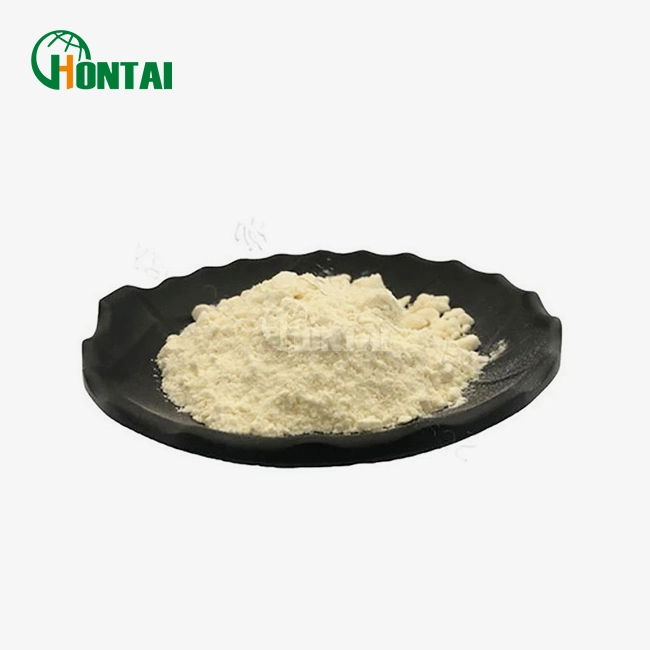
When the substance is mixed, it looks like a light yellow liquid. It is usually sold in amounts of 25% EC and 45% EC. When mixed with water, the EC (Emulsifiable Concentrate) recipe allows for even spreading, which ensures that the same amount is used on big farms. This physical trait is very important for industrial farmers who are in charge of hundreds to thousands of hectares, because the efficiency of application has a direct effect on operational costs and treatment results.
Agricultural Applications Across Multiple Crop Systems
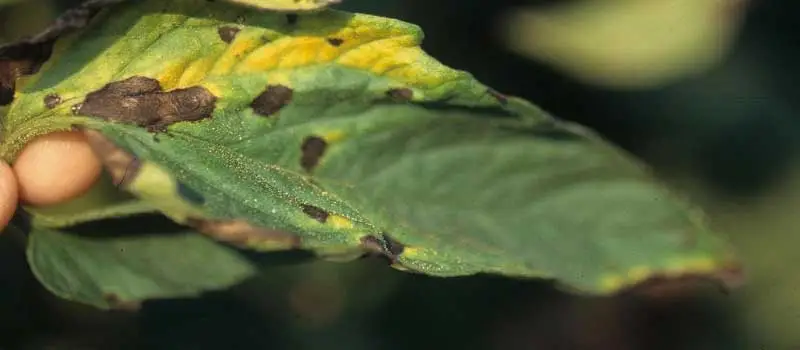
This pesticide can be used in a wide range of farming situations. It can cure and get rid of eyespot disease in wheat and barley, which is caused by a bacterium that is becoming less sensitive to benzimidazole fungicides. Field tests regularly show that applying the product at the right time in the growth cycle can protect yields by 15 to 20 percent, which means that grain growers can save a lot of money.
Post-harvest uses are another important use case. The chemical is used as a standard in the industry to keep tropical fruits safe from anthracnose and stem-end rot while they are being shipped overseas. Post-harvest dips are used by mango and avocado farmers to stretch the fruit's shelf life by 7–14 days, which is important for keeping the fruit's quality while it's being shipped internationally. This app solves a big problem for exporters: making sure their products are safe while also following the rules in many different places.
Farmers who grow vegetables use this fungicide to get rid of leaf spot and powdery mildew. It's better than contact fungicides because it can go through leaf tissue and control the mycelium inside, which means it doesn't need perfect spray coverage. This trait lowers the number of times the product needs to be applied and the cost of work, while still keeping diseases at bay during key growth stages.
Application Timing and Methodology
To do distribution right, you need to know about program windows and methods. Applications that stop diseases work best when they are started before they become a problem, usually when the plant is still growing leaves or just before it flowers. Curative treatments still work if they are used within 48 to 72 hours of the initial infection, but they work less well as the mycelial invasion progresses.
Spray amounts and the choice of tip have a big effect on performance. Droplets between 200 and 300 microns in size are the best size for balancing coverage with drift control. This is especially important for field crops where nearby crops may be sensitive. Adjuvants may help the leaves get wet and take in more of the mixture, but compatibility testing is still needed before mixing in the tank to make sure the mixture doesn't break down.
Safety, Environmental Impact, and Regulatory Compliance
Worker Safety and Handling Protocols
When evaluating fungicide procurement, safety considerations are critical. Handling and applying Prochloraz 45% EC 98% requires standard agricultural PPE, including gloves, masks, and protective clothing. Re-entry intervals typically range from 12 to 24 hours, but may vary depending on application rates and crop type.
To store things properly, they need to be kept at temperatures between 5 and 35°C in their original cases, away from food and animal feed. Proper storage keeps the formula from breaking down and the product working well for as long as it has a shelf life, which in ideal conditions is 24 to 36 months. These details are important for distributors who have to keep track of goods during regular demand cycles.
Environmental Considerations and Fate
Environmental care issues are becoming more and more important in buying choices. The compound's half-life in soil varies from 30 to 90 days, based on the temperature, wetness, and activity of microbes. This mild persistence keeps diseases under control without building up too much, which supports long-term soil health management techniques.
When considering an application, aquatic toxicity ratings need to be taken into account. Fish and watery animals are moderately poisoned by the chemical, so buffer zones must be set up near bodies of water. By avoiding spread and waste during application, the right methods reduce environmental risks while keeping the treatment effective. These things are important because more and more customers want crop security methods that are good for the environment.
Navigating Global Regulatory Frameworks
Maximum Residue Limits (MRLs) are very different between markets, which makes foreign trade more difficult. The US sets specific limits for different types of crops, and traders have to make sure that the rates of application and the time between harvests match the needs of the target market. For customs approval and buyer trust, proof of residue compliance becomes necessary.
The state of registration has a direct effect on market entry. The compound is still registered in most of the big agricultural markets, but the exact forms and ways of using it range from place to place. Procurement teams have to check the register information for the possible uses to make sure they follow the law and avoid costly package rejects. When manufacturers offer full regulatory support, such as certificates of analysis, safety data sheets, and export paperwork, buying risk is greatly reduced.
Prochloraz in Comparison – Making an Informed Choice
Efficacy Benchmarking Against Alternative Fungicides
To compare pesticide choices, you need to know how well they work in different situations. This imidazole is better than Tebuconazole at killing some types of Fusarium and pathogens that grow after harvest, but Tebuconazole may be better at controlling rust diseases in general. Azoxystrobin is a strobilurin pesticide that works in different ways to kill different types of fungi, but many types of fungi have become resistant to it, even though it is still effective against some types of fungi.
Disease range factors help with the choice. The imidazole chemistry is very good at fighting diseases that lower the quality of food and shorten its shelf life. This makes it useful for operations that care more about marketability than yield. This difference is important for cosmetics companies that sell to high-end markets where high-quality cosmetics command high prices.
Cost-Effectiveness Analysis for Long-Term Planning
Professionals in procurement weigh the price of a product against the total cost of managing a disease. Even though unit prices may be higher than some generic alternatives, total costs per hectare are often cheaper because of less frequent applications and better disease control. When disease pressure calls for fungicide action, economic models that include crop protection, quality premiums, and labor savings show that the results are positive.
Purchasing in bulk makes a business much more cost-competitive. Seasonal contracts that are made before times of high demand get better prices and make sure that products are available during key application dates. This way of buying things is especially helpful for big makers whose needs are regular and who have enough storage space.
Resistance Management Integration
Fungicide resistance is a threat to the long-term success of disease control. Using this imidazole with strobilurins and SDHI fungicides in cycle programs stops fungi from becoming resistant by introducing them to more than one way of killing them. This stewardship method protects both individual businesses and the effectiveness of the whole industry. It is an example of responsible crop protection management.
Monitoring tools help find early signs of resistance. Growers whose crops aren't doing as well should talk to agronomists about how to change their management methods before resistance spreads. This proactive method keeps fungicides useful throughout the growing season and supports integrated pest management concepts that buyers and regulators are calling for more and more.
Navigating the Prochloraz Market – Procurement and Supply Chain Insights
Identifying Qualified Suppliers and Manufacturing Partners
Selecting a supplier for prochloraz 45 involves more than just evaluating price. Reliable manufacturers maintain ISO certifications and implement rigorous quality control protocols to ensure batch-to-batch consistency. Analytical testing capabilities, including accurate measurement of active ingredient levels and stability assessments, demonstrate technical expertise and operational dependability.
For wholesalers, OEM and private-label agreements give them ways to stand out. Flexible packaging choices, custom formulations, and legal backing from manufacturers allow for market-specific placement while keeping the supply chain running smoothly. These features are especially helpful for regional wholesalers who serve a wide range of customers with different application tastes and legal needs.
Strategic Procurement Approaches
Managing lead time has an effect on the stability of operations. Standard production processes take between 4 and 6 weeks from the time an order is confirmed until it is ready to be shipped, but this depends on the manufacturer's capacity and the number of orders. Strategic buyers place orders ahead of time, before yearly demand peaks. This secures production slots and keeps supplies from running out during key application times.
Logistics issues have a big impact on the total cost of delivery. Ocean freight shipments in bulk are cheaper for buyers who buy in bulk and have enough storage space. Smaller wholesalers, on the other hand, may prefer consolidated shipments after weighing the costs of keeping goods against the economics of freight. Understanding these trade-offs helps everyone in the supply chain make the best use of their operating capital.
Current Market Dynamics and Pricing Trends
Changes in global supply affect how prices are set. Changes in the supply of raw materials, new rules, and increased competition all cause prices to fluctuate, which means that the market needs to be actively monitored. Long-term supply deals with ways to change prices, keep costs stable, while still letting the market be flexible. This keeps prices from going up and down too much for both buyers and sellers.
Buying tactics are affected by the features of a regional market. Multiple suppliers may offer reasonable prices in mature markets that have been around for a while, but direct ties with manufacturers may be needed in emerging markets to make sure they have access to products and expert support. Total value supply is improved by adapting buying methods to the needs of the local market.
Future Trends and Advancements in Fungicide Technology
Innovation in Formulation Science
Nano-formulation technologies offer better effectiveness with less product use. These improved delivery methods make it easier for active ingredients to stick to leaf surfaces and get inside the plant. This could lower the stress on the environment while still controlling diseases. Early research shows that dose reductions of 20–30% are equal to standard formulations in terms of performance. However, market access is still limited until more research is done and the product is approved by the regulatory body.
Combination goods with more than one active ingredient help treat a wide range of diseases and fight resistance. Formulated mixes cut down on the time and money needed for mixing and application while still making sure the right amount is delivered. With streamlined application processes, these goods are especially helpful for service providers who have to meet the wants of a wide range of clients.
Evolving Regulatory Landscape
Future market entry will be affected by stricter environmental rules. Newer chemicals or improved formulas that meet stricter sustainability standards may be favored by laws that stress less harm to aquatic life and lower residue levels. As regulations get stricter, sellers who take the initiative to improve their environmental image will be in a better position to meet new standards.
As more people expect safe farming methods, stewardship programs are becoming more popular. Manufacturers who offer detailed application guides, pushback management tools, and best practices for the environment help the industry reach its green goals and build long-term relationships with customers. These value-added services help sellers stand out in markets that are becoming more and more competitive.
Market Growth Drivers and Strategic Implications
There are big chances for growth in emerging farming economies. Growing commercial farming in places where subsistence farming used to be the main type of farming causes a need for tried-and-true crop protection options. As farming gets more intensive, suppliers who set up early-mover advantages by building distribution networks and expert support structures in these areas will benefit.
Because climate change changes the way diseases spread, crop security tactics need to be flexible. Changing patterns of temperature and humidity can change where and how strong fungus pathogens are, which could create new markets for effective fungicides and new ways to use them. Keeping an eye on these trends helps farmers make smart moves as their methods change to adapt to new output settings.
Conclusion
The pesticide market is always evolving as farmers try to balance high production with environmental responsibility and regulatory compliance. Prochloraz, an imidazole fungicide, remains valuable due to its proven efficacy and versatility across a wide range of crop protection scenarios. It can also be incorporated into integrated disease management programs, supporting sustainable farming strategies. When procuring crop protection products, supply chain managers need to understand chemical properties, comparative performance, regulatory requirements, and logistical considerations. As the market shifts toward new formulations, stricter environmental standards, and growing global demand, Prochloraz and similar products will continue to shape opportunities, requiring manufacturers, distributors, and end users committed to sustainable intensification to remain adaptable and forward-looking.
FAQ
1. What distinguishes 45% EC formulations from lower concentrations?
Formulations with higher concentrations need less storage room and cost less to move per treated hectare. A 45% EC product has almost twice as much active chemical per liter as a 25% version, so it can be used in smaller amounts. This is very important for large-scale businesses that want to make the best use of transportation. Concentration choice is based on how well the spray works with the equipment and how much disease pressure you want to control. For heavy industrial use, bigger concentrations are usually better.
2. Can this fungicide be tank-mixed with other crop protection products?
How well a product mixes in a tank depends on how it was made and the quality of the water. Mixing with triazole fungicides like Tebuconazole usually covers a wider range of diseases. High pH levels break down active ingredients, so don't mix them with strongly alkaline goods or copper-based fungicides. Always try in a jar before mixing on a big scale, and check the labels of products for specific compatibility information to keep formulation breakdown from affecting how well they work.
3. What pre-harvest intervals apply to different crops?
Pre-harvest times depend on the type of crop and the rules in each area. For cereals, it usually takes 35 to 40 days from the last treatment to the harvest, but for mushrooms, it may only take 10 to 14 days. Fruit treatments after harvest don't have to wait between fields, but they do have to follow maximum waste limits for places where the fruit will be sold. Always check the latest rules and regulations for each crop and market mix before applying to make sure you follow the rules and get entry to the market.
Partner with Hontai for Reliable Prochloraz Supply
To find reliable fungicide sources, you need to work with experienced makers who are dedicated to providing excellent products and services. As a reliable provider of Prochloraz, Hebei Hontai Biotech Co., Ltd offers complete options. They have 25% EC and 45% EC formulations that are backed by strict quality control. Our fast global operations make sure that your orders get to you on time, which helps you stick to your production schedules. Plus, our professional team can help you with technical issues related to crop safety. We can make personalized labels and flexible packaging to meet the needs of a wide range of markets. Email our experts at admin@hontai-biotech.com to talk about your buying needs and find out how our global agriculture service can help your business grow.
References
1. Peterson, D.J., and Margolis, H.A. (2019). Fungicide Resistance Management in Modern Agriculture. Agricultural Science Press.
2. Thompson, R.L. (2021). Imidazole and Triazole Fungicides: Mechanisms and Applications. Crop Protection Publications International.
3. United States Environmental Protection Agency. (2020). Pesticide Product Registration: Guidelines for Agricultural Fungicides. Government Printing Office.
4. Williams, K.P., Chen, M., and Rodriguez, A. (2022). Post-Harvest Disease Management in Tropical Fruit Export Systems. International Journal of Agricultural Technology, 18(3), 445-462.
5. Agricultural Chemicals Board. (2023). Global Regulatory Frameworks for Crop Protection Products. Industry Compliance Standards Bureau.
6. Martinez, F.C., and Singh, R.K. (2021). Economic Analysis of Fungicide Programs in Large-Scale Cereal Production. Journal of Agricultural Economics and Development, 12(2), 178-195.
Our customers’ satisfaction speaks for our quality — contact us to experience the same reliable service.