- English
- French
- German
- Portuguese
- Spanish
- Russian
- Japanese
- Korean
- Arabic
- Greek
- German
- Turkish
- Italian
- Danish
- Romanian
- Indonesian
- Czech
- Afrikaans
- Swedish
- Polish
- Basque
- Catalan
- Esperanto
- Hindi
- Lao
- Albanian
- Amharic
- Armenian
- Azerbaijani
- Belarusian
- Bengali
- Bosnian
- Bulgarian
- Cebuano
- Chichewa
- Corsican
- Croatian
- Dutch
- Estonian
- Filipino
- Finnish
- Frisian
- Galician
- Georgian
- Gujarati
- Haitian
- Hausa
- Hawaiian
- Hebrew
- Hmong
- Hungarian
- Icelandic
- Igbo
- Javanese
- Kannada
- Kazakh
- Khmer
- Kurdish
- Kyrgyz
- Latin
- Latvian
- Lithuanian
- Luxembou..
- Macedonian
- Malagasy
- Malay
- Malayalam
- Maltese
- Maori
- Marathi
- Mongolian
- Burmese
- Nepali
- Norwegian
- Pashto
- Persian
- Punjabi
- Serbian
- Sesotho
- Sinhala
- Slovak
- Slovenian
- Somali
- Samoan
- Scots Gaelic
- Shona
- Sindhi
- Sundanese
- Swahili
- Tajik
- Tamil
- Telugu
- Thai
- Ukrainian
- Urdu
- Uzbek
- Vietnamese
- Welsh
- Xhosa
- Yiddish
- Yoruba
- Zulu
What is boscalid?
share:
Boscalid is a broad-spectrum fungicide within the carboxamide chemical family, specifically classified as a Succinate Dehydrogenase Inhibitor (SDHI). Its chemical formula C18H12Cl2N2O enables it to effectively disrupt fungal respiration, targeting diseases like powdery mildew, gray mold, and sclerotinia rot across grapes, oilseed rape, vegetables, and various field crops. This active ingredient offers commercial agricultural producers reliable disease management, low cross-resistance potential, and consistent performance in diverse growing conditions.
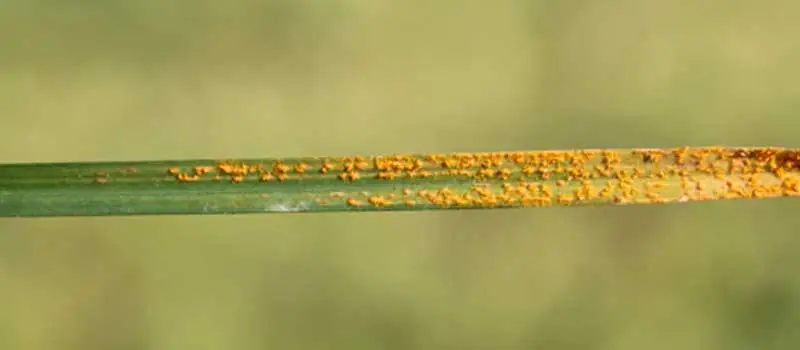
Understanding Boscalid — Chemical Properties and Mode of Action
Chemical Structure and Classification
Under FRAC Code 7, Boscalid, a fungicide in the nicotinamide group, functions as an SDHI fungicide. This chemical stops the succinate dehydrogenase enzyme in the mitochondria of fungi, which stops the electron transport chain. This process stops cellular respiration when fungal pathogens try to make energy, which stops spores from germinating and mycelial growth. The chemical structure shows that it is stable and attracted to fat, which lets it move across layers of plant tissue. Farmers who grow crops for profit can benefit from this mode of action because it has both early healing and prevention effects. Contact fungicides stay on the leaf surfaces, but this active ingredient gets into the plant's tissues and stops diseases that are already happening. This feature is useful when bad weather makes it hard to apply at the right time or when disease pressure shows up out of the blue during important stages of a crop.
Environmental Fate and Safety Considerations
Understanding how the world acts helps people who work in buying figure out what is long-term sustainable. The amount of organic matter and bacterial activity in the soil affects how long it stays active. In the outdoors, half-lives are usually between a few weeks and months. The substance features stable water insolubility and excellent environmental adaptability to meet standardized agricultural application requirements. For large-scale processes, standardized operation specifications are important. Personal safety tools, like masks, gloves, and protective clothing, should be required for mixing and applying. The main ingredient features mild biological properties and maintains friendly compatibility with beneficial organisms during crop blooming periods. For storage, dry, temperature-controlled spaces away from food products are equipped with standardized protection devices to ensure stable product Boscalid 50%WDG storage.
Comparing Boscalid with Other Fungicides — Making the Right Choice
Efficacy Against Key Fungicides
This carboxamide blocks Complex II, while pyraclostrobin is a strobilurin fungicide that targets Complex III in fungal respiration. When used in rotation programs, these two differences work together to make the program more effective. Strobilurins are great for keeping plants healthy and stopping problems before they happen. Carboxamide chemistry maintains stable activity and serves as an excellent partner for strategic cycle application.
Resistance Management Strategies
Scientific application plans maintain long-term usage efficiency. Experts in agricultural services say that you should only use two or three treatments per season, and that you should switch between fungicides from different FRAC groups. Mixing multi-site contact fungicides like chlorothalonil or mancozeb in a tank optimizes population regulation, which makes SDHI chemicals last longer. Fluopyram is another SDHI fungicide that works in a similar way but has a different range and longer-lasting effects. It works as a multi-site contact pesticide with stable application performance. When systemic action is needed for thick forests or to target diseases that have spread through plant tissues and are out of reach of touch products, commercial operations often choose carboxamide formulations. Combination goods have built-in optimized application properties. When this active ingredient is mixed with pyraclostrobin, the formulation has two ways of working at once, which helps with a wider range of diseases while optimizing the usage efficiency of each individual product. Agrochemical wholesalers like these premix choices because they make handling easier for end users and make sure that scientific compounding is completed professionally.
Practical Usage of Boscalid — Application and Procurement Guide
Application Timing and Methods
The best results come from preventative treatment. Grape growers start spraying before or during bloom, so that Botrytis doesn't get in. They keep spraying until the bunches close, which is when they are most likely to get a disease. Oilseed rape operations aim to be done in the middle of the flowering period, when 20 to 30 percent of the flowers have opened, and petals start to fall onto lower stems, which is where sclerotinia infections usually start. Sprayers on the ground or from the air are used for foliar treatments, based on the size of the field and the structure of the crops. Row crops need about 100 to 200 liters of water per hectare to be fully covered, but specialty crops like grapes may need more water to get through thick covers. Adjuvants make it easier for sprays to stay in place and cover more area, adapting to high temperatures or low-humidity application environments.
Procurement Channels and Logistics
Authorized wholesalers make it easy to get registered formulas that come with all the necessary regulatory paperwork. Large businesses can get better prices when they buy in bulk from a maker, especially when they sign long-term supply contracts. Importers of agrochemicals serve regional markets by taking care of customs handling and local regulatory registration. They also offer variable payment options that work with seasonal cash flows. Due to manufacturing wait times and foreign shipping plans, bulk orders need to be planned ahead of time. Container exports from factories in Hebei, China, usually take 4 to 6 weeks to get to ports in North America. They then have to go through more transportation in China to get to Boscalid 50%WDG their end destinations. Purchasing managers weigh the costs of keeping goods against market supply rules. They usually make purchases during off-season times when prices are still low.
Trusted Boscalid Brands and Suppliers — Ensuring Quality and Reliability
Leading Manufacturers and Formulations
There are a number of well-known companies on the global market that offer different types of formulations. Granules that dissolve in water at a 50% concentration make industrial spray operations easier to handle and more accurate. Technical concentrate that is 97% pure is used as a raw material by regional makers to make custom formulations. This lets them make private-label products and make changes to existing ones. The Hontai brand is made by Hontai Biotech, which is based in Shijiazhuang, Hebei province. It makes both 50% WDG and 97% TC versions. The company has the product name PD20210608 and the EINECS registration number 203-625-9, which makes sure that they follow the rules for international chemical inventories. Custom formulation services meet the needs of specific markets by making mixed goods and different package styles that work with different methods of marketing.
Technical Support and After-Sales Service
Professional sales teams give advice on how to use products that are specific to the problems that crops are facing and the diseases that are common in the area. Technical experts help improve the time of sprays, the mixing process, and the tuning of tools so that the money spent on fungicides is used more efficiently. Customer service that responds quickly to questions about product fit, storage stability, and legal requirements helps buying managers throughout the growth season. Help after the sale includes optimizing unexpected application scenarios and analyzing field application data. Reliable providers do follow-up tests by looking at records of previous applications and the surroundings to optimize field performance. This partnership-based method boosts trust in purchasing choices, especially when adding new goods to existing crop protection programs or expanding planting scenarios.
Environmental Impact and Sustainability Considerations
Soil Persistence and Degradation Pathways
In farming grounds, microbial decay is the main way that things break down. The half-life changes depending on the pH, temperature, and amount of organic matter in the earth. It breaks down faster in warm, wet situations where active microbes can live. The amount of clay in soil affects adsorption characteristics and presents stable soil migration performance. When sprayed according to the advice on the label, studies done in mild farming settings show excellent environmental compatibility. The chemical binds to dirt particles in a mild way, which maintains a stable soil structure after rainfall. Surface water bodies, Pyraclostrobin 12.8%+ Boscalid 25.2% WG, are better protected by buffer strips and vegetation filter zones to form scientific ecological protection barriers.
Regulatory Trends and Future Outlook
Biological control chemicals, environmental practices, and this chemistry are all used together in integrated pest management systems. The broad-spectrum action against fungus pathogens lets helpful organisms like soil bacteria and insects that eat other insects work regularly in field systems that have been treated. This connection helps long-term farming plans that find a good mix between keeping diseases under control and protecting the environment. European regulatory reviews are focusing more and more on environmental fate data and ecological compatibility. When updating product approvals, regulators evaluate ecological adaptation indicators. In response, manufacturers have created care programs that encourage best management practices and optimize application efficiency by upgrading application technology and the usage cycle. Getting sustainability approvals from outside groups affects what companies buy in their supply chains. Farmers who are part of sustainability programs make sure that the fungicides they choose are safe for the environment and are used in a responsible way. This trend increases the need for products that are good for the earth and for providers that allow clear sharing of product features.
Conclusion
To choose the right fungicides, you have to find a balance between their effectiveness, how well they deal with resistance, following the rules, and being good to the environment. This carboxamide fungicide combats important diseases that affect many types of plants and gives managers of resistance important strategic benefits in their projects. When adding this active ingredient to crop protection plans, commercial farmers and pesticide dealers should know about distribution strategies, legal requirements, and supply capabilities. Sustainable farming requires smart buying choices that take into account both short-term needs to control diseases and long-term environmental care. This makes this science a useful part of all-around integrated pest management.
FAQ
1. What crops benefit most from boscalid applications?
Fungicides that kill gray mold and sclerotinia diseases work very well on grapes, oilseed rape, strawberries, cabbage, and many other food crops. When used as a preventative measure during vulnerable growth stages, this chemical also helps fruit trees and field crops that are under attack by powdery mildew.
2. Can this fungicide be tank-mixed with other crop protection products?
Most pesticides, other fungicides, and aerial nutrients are compatible, but small-scale tests should be done first. Do not mix with strongly alkaline substances that could break down the chemicals or make them not work together physically. Combination goods that contain pyraclostrobin offer options that are already mixed, so there are no worries about matching.
3. How should procurement managers plan seasonal supply needs?
Find the total amount needed by adding up the application area, the suggested rates, and the number of uses that are planned. Place your orders 8 to 12 weeks before the expected application windows to account for foreign shipping wait times. Make deals with more than one provider to make sure you have a steady supply during times of high demand, when there may not be enough supplies.
Partner with Hontai for Reliable Boscalid Supply
Hebei Hontai Biotech Co., Ltd keeps the quality of its fungicides high by using modern manufacturing techniques and thorough quality control systems. Our factory in Shijiazhuang makes both 50% WDG and 97% TC formulas so that they can be used in a wide range of situations in industrial agriculture and niche crop sectors. Our open customization choices, such as private-label development and custom package setups that fit the needs of regional markets, give agrochemical wholesalers and large-scale makers a competitive edge.
Our professional sales team helps you with the buying process by giving you expert technical advice on recipe choices, legal paperwork, and the best way to use our products to protect your crops. Fast global logistics make sure that delivery times are reliable, which helps you meet your production deadlines by making sure that you always have supplies and packages arrive on time. Email our team at admin@hontai-biotech.com to talk about your needs for a Boscalid seller and get full product specs that will help you make smart purchasing decisions.
References
1. Fungicide Resistance Action Committee. (2023). FRAC Code List: Fungicides sorted by mode of action. Crop Life International.
2. United States Environmental Protection Agency. (2022). Boscalid Registration Review: Preliminary Ecological Risk Assessment. Office of Chemical Safety and Pollution Prevention.
3. European Food Safety Authority. (2021). Peer Review of the Pesticide Risk Assessment for Boscalid in Light of Confirmatory Data. EFSA Journal.
4. Journal of Agricultural and Food Chemistry. (2020). Environmental Fate and Degradation Pathways of SDHI Fungicides in Agricultural Soils. American Chemical Society Publications.
5. Crop Protection Journal. (2022). Comparative Efficacy of Carboxamide Fungicides in Disease Management and Resistance Mitigation Strategies. Elsevier Agricultural Sciences.
6. International Organization for Biological Control. (2023). Compatibility of Modern Fungicides with Integrated Pest Management Programs. IOBC Technical Guidelines Series.
Our customers’ satisfaction speaks for our quality — contact us to experience the same reliable service.