- English
- French
- German
- Portuguese
- Spanish
- Russian
- Japanese
- Korean
- Arabic
- Greek
- German
- Turkish
- Italian
- Danish
- Romanian
- Indonesian
- Czech
- Afrikaans
- Swedish
- Polish
- Basque
- Catalan
- Esperanto
- Hindi
- Lao
- Albanian
- Amharic
- Armenian
- Azerbaijani
- Belarusian
- Bengali
- Bosnian
- Bulgarian
- Cebuano
- Chichewa
- Corsican
- Croatian
- Dutch
- Estonian
- Filipino
- Finnish
- Frisian
- Galician
- Georgian
- Gujarati
- Haitian
- Hausa
- Hawaiian
- Hebrew
- Hmong
- Hungarian
- Icelandic
- Igbo
- Javanese
- Kannada
- Kazakh
- Khmer
- Kurdish
- Kyrgyz
- Latin
- Latvian
- Lithuanian
- Luxembou..
- Macedonian
- Malagasy
- Malay
- Malayalam
- Maltese
- Maori
- Marathi
- Mongolian
- Burmese
- Nepali
- Norwegian
- Pashto
- Persian
- Punjabi
- Serbian
- Sesotho
- Sinhala
- Slovak
- Slovenian
- Somali
- Samoan
- Scots Gaelic
- Shona
- Sindhi
- Sundanese
- Swahili
- Tajik
- Tamil
- Telugu
- Thai
- Ukrainian
- Urdu
- Uzbek
- Vietnamese
- Welsh
- Xhosa
- Yiddish
- Yoruba
- Zulu
What is acephate 75% SP used for?
share:
Pesticide acephate 75% SP is a high-concentration soluble powder insecticide based on the organophosphate active ingredient acephate. It controls a broad range of chewing and sucking insects — aphids, thrips, leaf miners, leafhoppers, cutworms, lepidopteran larvae, and sawflies — across cotton, rice, vegetables, fruits, tobacco, soybeans, and many other crops. Its systemic uptake through roots and foliage, combined with a residual window of 10–21 days, makes it a cornerstone solution for large-scale crop protection programmes worldwide.
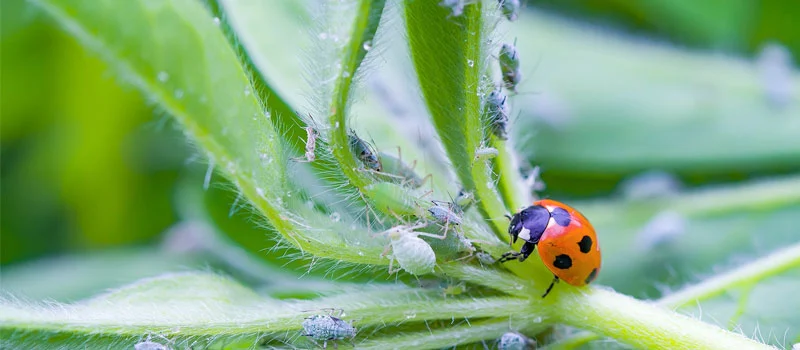
Understanding Acephate 75% SP: Composition, Mode of Action, and Usage
Acephate 75% SP is an off-white to white powder that is easy to work with. There is ≥75.0% active ingredient by weight, and the moisture level is kept at ≤2.0% to keep the product from clumping. It takes less than 60 seconds to wet the product. Sprayer tubes don't get plugged because water-insolubles stay below 0.5%. The material stays stable while being stored in the pH range of 4.0 to 7.0.
How It Works Inside the Plant?
Acephate stops acetylcholinesterase from working, which is an enzyme that breaks down acetylcholine at nerve connections and controls bugs throughout the body. It gets to insects on the plant no matter where they are because it goes through the circulatory system after being taken up by the leaves or roots. There are species like leaf miners and stem borers that are hidden and can't be reached by contact sprays. The active ingredient is also waterproof against rain because it has already entered plant tissue and isn't washed away by the rain right after it was applied.
Crop Coverage and Residual Activity
There are a lot of different ways to use it. This plant can be used for many things, like hops, olives, cotton, soybeans, peanuts, macadamia nuts, beetroots, celery, beans, potatoes, rice, tobacco, ornamentals, crops, and forests. It works for 10–21 days after application in the field, which makes it a good choice for integrated pest management plans that need to keep lowering the pressure between sprays. A lot of trees should be carefully evaluated when used with Red Delicious apple varieties because application performance may vary. Instead, it is best to test the spray on a few sensitive types first.
Safety, Environmental Impact, and Compatibility Considerations
Handler Safety and PPE Requirements
Acephate is commonly used in agricultural pest management programmes involving pesticide acephate 75% SP. People who handle the concentrate should use appropriate protective equipment when they make it or spread it. The application interval should be based on what the local government says. PHIs are usually between 14 and 21 days, but they can vary based on the crop and the maximum residue limits of the market where the food is going. Before it can be sent to the EU or Japan, export-grade food can be checked for residue levels according to market requirements.
Acephate 75% SP breaks down more quickly in alkaline soils. Knowing the pH of the soil before applying it helps you correctly evaluate the expected application performance. Application should follow the label requirements for areas near open water or sewage canals. It's important to plan application timing according to the target pest and crop conditions, especially during periods of active pollination. Using insecticides in the early morning or late evening can help optimise application timing.
Compatibility in the Spray Tank
Acephate can be used with most mixtures that are neutral to slightly acidic. If the pH level is above 8.0, it breaks down quickly, so it's not a good idea to mix it in the tank with alkaline products like lime, sulphur, or Bordeaux mixture. A jar test with the right amount of each chemical is done to confirm their compatibility before they are mixed on a big scale in the field.
Comparative Analysis: Acephate 75% SP vs Alternatives
A lot of the time, people who buy Acephate 75% SP also buy imidacloprid, chlorpyrifos, and Acephate 75% WG. It doesn't matter which one you choose if you want to control resistance or save money.
If you want to know how these options compare to the most important factors for buying treatments, here they are:
- Acephate 75% SP vs. 75% WP: The SP version mixes completely with water and doesn't leave any rough residue. WP holds things in place and may affect sprayer pump performance over time. In places that use it, the SP mixture makes expensive spray tools last longer.
- Acephate 75% SP vs. Imidacloprid: Imidacloprid is a neonicotinoid that has been widely used for aphid and whitefly management in South-east Asian and Sub-Saharan African producing zones. Some places use different insecticide modes of action for neonicotinoid-based pest management programmes, and pesticide acephate 75% SP can be included as another mode of action where appropriate. A lot of the time, Acephate is also less expensive per treatment area.
- Acephate 75% SP vs. Chlorpyrifos: Acephate 75% SP is not the same as chlorpyrifos because chlorpyrifos is limited or banned in the EU, the US, and some other places. Acephate's registration status is more stable around the world. This makes it a better long-term choice for exporters and distributors who work with more than one market and need to keep track of a lot of registrations.
Based on these tests, Acephate 75% SP is the best choice because it is the least expensive, most commonly used, and breaks down resistance. There aren't many other drugs that can fully compare. When buying teams make multi-year supply contracts, it helps if the company has a good reputation with the law and good data on how well it is doing.
Procurement Guide: How to Buy Acephate 75% SP for Your Business?
If you buy Acephate 75% SP from recognised manufacturers instead of trade agents, you can maintain more consistent product quality and documentation. To be sure of a product's quality, you should ask the seller to show you the active ingredient content that has been confirmed by HPLC, the moisture percentage that is less than 2.0%, and wet sieve test results that meet CIPAC MT 185 standards. Methamidophos impurity levels, which can be monitored during quality control, should meet the limits set by regulators. These limits are typically less than 1.0%.
How well the goods are packed has a direct effect on how long they last. Aluminium foil-laminated bags can keep out water for up to two years when kept in a normal warehouse. It is important to make sure that the inner box is vacuum-sealed and that the right amount of desiccant is included when buying in bulk.
Acephate 75% SP is shipped as a dangerous solid powder because that's how the rules are written. Shipping routes take between 15 and 30 days from a GMP-certified plant in China. This paperwork needs to include a Certificate of Analysis, a Material Safety Data Sheet, information on how stable the product is, and bioefficacy trial results that meet the needs of the registration body in the target country.
Conclusion
A good pesticide acephate 75% SP, controls a lot of different kinds of bugs and pests. It works in a very well-known way and has a residual window that makes IPM timing simple. This is a good anchor product for wholesalers, OEM brand owners, and large farming operations that deal with a lot of different pests in a lot of different places because it dissolves fully in water, goes through the body's systems, and has a stable registration profile. When you buy something, the best way to make sure it works well in the long run is to make sure the manufacturer is verified, follows GMPs, and keeps consistent batch documentation.
FAQ
1. Can acephate 75% SP be mixed with fungicides?
There are times when yes. Acephate 75% SP can be mixed with most fungicides that range from neutral to acidic. If you mix with alkaline products, the pH of the tank may rise above 8.0, which can speed up hydrolysis and reduce the active ingredient available for use. Before putting a lot of things in one jar at once, you should always make sure they will work together.
2. How long does residual activity last?
The insecticide works for 10 to 21 days after it is applied in normal field conditions. It depends on the temperature, how much rain there is, and the pH of the soil or leaf surface. If you are in a warm, wet place, you should repeat after less time.
3. What storage conditions does acephate require?
Keep it out of direct sunlight and somewhere cool and dry. Since Acephate soaks up water, bags that have been opened should be closed right away. Packaging made of AL/PE laminate that hasn't been opened can keep its contents safe for up to 24 months in a regular warehouse.
4. Can Acephate 75% SP Be Used Near Livestock or Aquatic Environments?
Acephate 75% SP application near livestock should follow the applicable product and local requirements. Application areas should be managed according to applicable product requirements during use. For application near sources of water, irrigation canals, and ponds, follow the applicable product requirements. Follow all of your city or town's rules about application zones and re-entry requirements.
Partner With Hontai for Reliable Acephate 75% SP Supply
You can trust Hontai to make and sell the pesticide acephate 75% SP herbicide to people in South-east Asia, Latin America, Africa, and other places. A flexible MOQ that runs from samples to 20-tonne business orders, full paperwork packages, and OEM label solutions that are made just for you are some of the things we offer. Feel free to email our technical team at admin@hontai-biotech.com right away to get a quote.
References
1. Tomlin, C. D. S. (Ed.). The Pesticide Manual: A World Compendium (17th ed.). British Crop Production Council, 2015.
2. FAO/WHO. Pesticide Residues in Food — Acephate: Toxicological Evaluations. Joint FAO/WHO Meeting on Pesticide Residues (JMPR), 2002.
3. Ware, G. W., & Whitacre, D. M. The Pesticide Book (6th ed.). MeisterPro Information Resources, 2004.
4. Casida, J. E., & Quistad, G. B. "Organophosphate Toxicology: Safety Aspects of Nonstandard Organophosphate Targets. "Chemical Research in Toxicology, 2004.
5. CIPAC (Collaborative International Pesticides Analytical Council). CIPAC Handbook: Methods for the Analysis of Pesticide Formulations. CIPAC, 2003.
6. Isman, M. B. "Pesticide Resistance and the Future of Insect Pest Management." Annual Review of Entomology, 2006.
Our customers’ satisfaction speaks for our quality — contact us to experience the same reliable service.