- English
- French
- German
- Portuguese
- Spanish
- Russian
- Japanese
- Korean
- Arabic
- Greek
- German
- Turkish
- Italian
- Danish
- Romanian
- Indonesian
- Czech
- Afrikaans
- Swedish
- Polish
- Basque
- Catalan
- Esperanto
- Hindi
- Lao
- Albanian
- Amharic
- Armenian
- Azerbaijani
- Belarusian
- Bengali
- Bosnian
- Bulgarian
- Cebuano
- Chichewa
- Corsican
- Croatian
- Dutch
- Estonian
- Filipino
- Finnish
- Frisian
- Galician
- Georgian
- Gujarati
- Haitian
- Hausa
- Hawaiian
- Hebrew
- Hmong
- Hungarian
- Icelandic
- Igbo
- Javanese
- Kannada
- Kazakh
- Khmer
- Kurdish
- Kyrgyz
- Latin
- Latvian
- Lithuanian
- Luxembou..
- Macedonian
- Malagasy
- Malay
- Malayalam
- Maltese
- Maori
- Marathi
- Mongolian
- Burmese
- Nepali
- Norwegian
- Pashto
- Persian
- Punjabi
- Serbian
- Sesotho
- Sinhala
- Slovak
- Slovenian
- Somali
- Samoan
- Scots Gaelic
- Shona
- Sindhi
- Sundanese
- Swahili
- Tajik
- Tamil
- Telugu
- Thai
- Ukrainian
- Urdu
- Uzbek
- Vietnamese
- Welsh
- Xhosa
- Yiddish
- Yoruba
- Zulu
Emamectin benzoate 5 sg vs Other Insecticides: Which Works Best?
share:
When choosing between emamectin benzoate 5 SG and other insecticides, the SG formulation consistently delivers superior performance for controlling lepidopteran pests across vegetable, cotton, and plantation crops. Unlike emulsifiable concentrates or wettable powders, the water-dispersible granule dissolves in under 90 seconds, leaves no solvent residue, and maintains activity inside leaf tissue through translaminar movement. Studies confirm efficacy against diamondback moth, cotton bollworm, and fall armyworm at 0.5–1.0 kg/ha. For B2B procurement teams balancing efficacy, formulation performance, and shelf stability, this formulation stands out as a compelling choice.
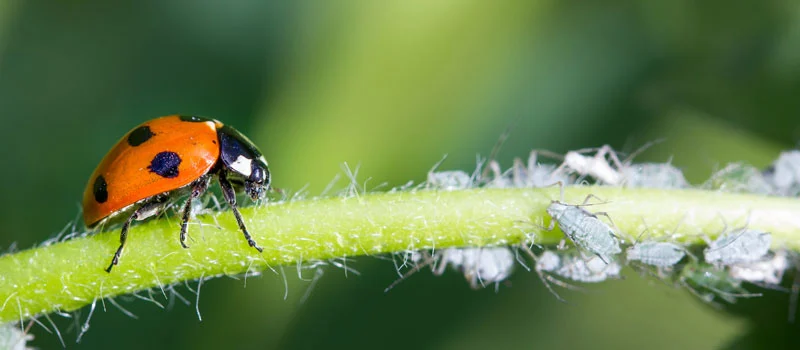
Understanding Emamectin Benzoate 5 SG — Mode of Action and Uses
Emamectin benzoate 5 SG is in IRAC Group 6, which is made up of avermectin and milbemycin. Pests usually die within hours of eating it because it binds to glutamate- and GABA-gated chloride channels in their nerve cells. This stops chloride ions from flowing out, paralyzes them, and kills them permanently. Importantly, it is a gut poison that works across layers of leaf tissue, which means that the active molecule can get through waxy leaf surfaces and create a reserve inside plant tissue. Spray droplets rarely reach the underside of cabbage or kale where larvae feed, but they still get enough to kill them.
Target Crops and Pest Spectrum
A lot of people use the 5% SG grade to get rid of the diamondback moth on brassicas, the cotton bollworm, the onion leaf folder, the fruit tree leafminer, the tomato pinworm, and the soybean caterpillar complex. Application rates range from 0.5 to 1 kg/ha as a spray on the leaves, timed to hit early juvenile stages when they are most vulnerable.
Why the SG Formulation Matters?
The dry-flowable granule shape is easier to work with than liquid EC or SC products. The susceptibility level is at least 90%, the wetting time is less than 60 seconds, and the pH stability ranges from 5.0 to 8.0. Low-temperature drying during production protects the integrity of the active ingredients. 24-month shelf stability data at 54 °C supports suitability for tropical transhipment and long-term warehouse storage, which is a real practical benefit for companies that buy a lot of products.
Comparative Analysis: Emamectin Benzoate 5 SG vs Other Leading Insecticides
There isn't a single best poison for every case, so it's important to know what the trade-offs are before you buy. Here are the main things that make emamectin benzoate 5 SG different from the best options in the field, as seen by B2B buyers.
- vs. Emamectin Benzoate 1.9% EC: The 1.9% EC works in the same way as IRAC Group 6, but it contains a petroleum-based liquid, requires careful handling when mixed, and only lasts a shorter time in humid conditions. For containerised orders, the 5% SG concentrates more active ingredient per kilogram shipped, which lowers the cost of freight per treated hectare by a large amount.
- vs. Chlorantraniliprole: Chlorantraniliprole is a great diamide pesticide that works well throughout the body. But since 2014, it has been known that some groups of diamondback moths are resistant, especially in areas with lots of plants in South-east Asia. It is recommended by both IPM and IRAC guidelines to rotate to emamectin benzoate 5 SG during diamide-resistance pressure cycles.
- vs. Spinosad: Spinosad is good for the environment, but it only stays active for about 5–7 days in areas that are exposed to light. Emamectin benzoate's translaminar storage effect keeps working for 7–14 days inside leaf tissue. This makes it more cost-effective to spray more often when there are a lot of pests.
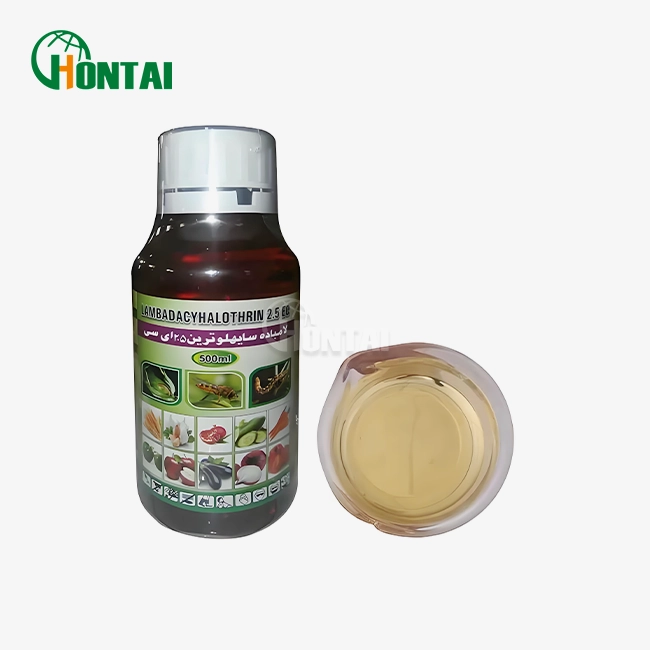
- vs. Lambda-cyhalothrin: Lambda-cyhalothrin is a pyrethroid contact pesticide that kills a wide range of insects. It has a broad effect on pollinators, marine life, and helpful arthropods, and the fact that many bollworm and fall armyworm populations are resistant to pyrethroids has made it less reliable. Emamectin benzoate has lower activity towards bees when it is dried on leaf surfaces, but it still works against strains that are resistant to pyrethroids.
By comparing these two drugs, we can see that emamectin benzoate 5 SG is not just another choice; it stands out because it manages resistance, offers convenient handling, and makes logistics easier.
Procurement Insights for Global B2B Buyers
There's more to finding the right product than just looking at a datasheet and comparing the active ingredients. Procurement managers need quality that has been checked, flexible packaging, and a steady supply of goods.
What to Verify Before Placing an Order?
Suppliers of emamectin benzoate 5 SG that you can trust should give you a stability certificate that covers rapid ageing at 54 °C and suspensibility/wetting data that meets CIPAC standards. The active ingredient amount should be HPLC-verified and be between 5% and 0.28% w/w. Labelling that is read in two languages and manufacturing paperwork that is halal-friendly are extra checks that are made for government tender programmes in the SAARC and ASEAN markets.
Packaging and Volume Options
Standard sizes for businesses range from 100 g and 500 g sale packs to 1 kg, 10 kg, and 25 kg fibre drums of emamectin benzoate 5 SG. 14–17 MT of full containerised orders are usually grouped together per 20-foot FCL. Price-per-kilogram discounts go up as the number of kilograms ordered goes up. Before negotiating tier pricing, procurement teams working with vegetable co-ops, plantation managers, or government tender departments should make a map of how much they use each year.
Practical Guidance: How to Use Emamectin Benzoate 5 SG Effectively?
Application Timing and Mixing Protocol
The best results depend on when you spray in relation to the stage of life of the pest. Aim for early larval stages, ideally L1 to L2, before the larvae eat through the bolls or roll the leaves. Mix the measured amount of granules with a small amount of clean water. Stir the mixture for a short time, and then fill the tank up to its full size. Covering the canopy evenly is important; choose the right nozzle to get through thick brassica foliage.
IPM Integration and Resistance Management
Emamectin benzoate 5 SG shouldn't be a season-long show that stands alone. Resistance selection pressure is controlled by spraying it with diamides or Bt-based biopesticides at different times. In greenhouses and polytunnels, the dust-free SG format supports cleaner application conditions inside and lets predatory mites come back 24 to 48 hours after application, once the spray remains dry on the surfaces.
Decision Support: Which Insecticide Fits Your Business Needs?
To find the right poison for your needs, you need to be honest about a lot of different factors. Evidence-based selection is based on the following:
- Pest pressure and history of resistance: If pyrethroids or diamides have been shown to not work in your area, using a Group 6 product is now a must, not just an option.
- Type of crop and structure of the canopy: Translaminar activity works best on densely populated plants with a canopy, like brassicas or tea, where spray entry is limited by the way the canopy is built.
- Handling and storage environment: Solvent-free SG grains simplify mixing and storage operations and stay stable in hot, muggy storage conditions that are common in tropical supply chains.
- Logistics and economics: Solid formulations with a high concentration are lighter to ship and don't leak like liquid goods do, which is a big cost factor for long-haul FCL exports.
When everything is taken into account, emamectin benzoate 5 SG has the same performance profile in high-value vegetable, cotton, and plantation settings. This is especially true when it comes to managing resistance, simplifying product handling, and making sure the supply chain works reliably.
Conclusion
Emamectin benzoate 5 SG is the best because it works across layers, is convenient for people who work with it, and has been tested to stay stable on tropical shelves for longer than liquid alternatives. It has been shown to be effective against diamondback moth, bollworm, and Spodoptera species, which are pests that regularly threaten the edges of veggie, cotton, and plantation activities. If procurement teams are looking at their options, this formulation stands out as a solid, flexible option that fits with current IPM models and the needs of the long-term supply chain.
FAQ
1. Does emamectin benzoate 5 SG harm honeybees?
Emamectin benzoate 5 SG has a stronger effect on bees when it's wet, but its activity towards bees becomes much lower after it dries on leaf surfaces. Applying in the early morning or late evening, outside of times when pollinators are actively looking for food, and letting it dry for at least four hours helps reduce pollinator contact with treated surfaces.
2. What is the pre-harvest interval (PHI) for vegetable crops?
PHI is different for each crop and registration country, but for brassica veggies, the usual range is from 3 to 7 days. Always check the local authorised label to see what the market needs, especially for export-grade food intended for markets with specific residue requirements.
3. Can emamectin benzoate 5 SG be tank-mixed with fungicides?
The mixture can be mixed physically with most common fungicides when the pH is normal to slightly acidic. Before mixing on a large scale, make sure the jars are compatible. This is especially important for copper-based goods that are highly alkaline and could affect the stability of the formulation.
4. How should the product be stored?
Keep away from direct sunlight and in a cool, dry place. After 24 months of accelerated ageing at 54 °C, the formulation stays stable. This makes it suitable for tropical warehouses and transhipment routes where temperatures change.
Partner With Hontai for Reliable Emamectin Benzoate 5 SG Supply
Hontai is a confirmed producer of emamectin benzoate 5 SG with 24-month stability data, the ability to make wet-extrusion SG at -80 mesh, and the ability to offer variable OEM packing ranging from retail sachets to bulk fibre drums. At Hebei Hontai Biotech Co., Ltd., our professional team helps buyers from all over the world with unique formulation versions, bilingual marking, and FCL shipping. You can email our team at admin@hontai-biotech.com to ask for a sample or talk about prices.
References
1. Insecticide Resistance Action Committee (IRAC). IRAC Mode of Action Classification Scheme. IRAC International MoA Working Group, 2023.
2. Shelton, A.M., et al. "Resistance of Diamondback Moth to Bt and Chemical Insecticides." Journal of Economic Entomology, 2014.
3. Zhao, J.Z., et al. "Monitoring and Characterisation of Diamide Resistance in Plutella xylostella." Pest Management Science, 2015.
4. Sarfraz, M., et al. "Emamectin Benzoate: A Novel Insecticide for Resistance Management in Lepidoptera. "Crop Protection, 2009.
5. Dripps, J.E., et al. "Spinosad." Naturally Occurring Bioinsecticides: ACS Symposium Series, American Chemical Society, 2008.
6. Dhaliwal, G.S., and Koul, O. Biopesticides and Pest Management: Botanical and Microbial Products. Kalyani Publishers, 2010.
Our customers’ satisfaction speaks for our quality — contact us to experience the same reliable service.