- English
- French
- German
- Portuguese
- Spanish
- Russian
- Japanese
- Korean
- Arabic
- Greek
- German
- Turkish
- Italian
- Danish
- Romanian
- Indonesian
- Czech
- Afrikaans
- Swedish
- Polish
- Basque
- Catalan
- Esperanto
- Hindi
- Lao
- Albanian
- Amharic
- Armenian
- Azerbaijani
- Belarusian
- Bengali
- Bosnian
- Bulgarian
- Cebuano
- Chichewa
- Corsican
- Croatian
- Dutch
- Estonian
- Filipino
- Finnish
- Frisian
- Galician
- Georgian
- Gujarati
- Haitian
- Hausa
- Hawaiian
- Hebrew
- Hmong
- Hungarian
- Icelandic
- Igbo
- Javanese
- Kannada
- Kazakh
- Khmer
- Kurdish
- Kyrgyz
- Latin
- Latvian
- Lithuanian
- Luxembou..
- Macedonian
- Malagasy
- Malay
- Malayalam
- Maltese
- Maori
- Marathi
- Mongolian
- Burmese
- Nepali
- Norwegian
- Pashto
- Persian
- Punjabi
- Serbian
- Sesotho
- Sinhala
- Slovak
- Slovenian
- Somali
- Samoan
- Scots Gaelic
- Shona
- Sindhi
- Sundanese
- Swahili
- Tajik
- Tamil
- Telugu
- Thai
- Ukrainian
- Urdu
- Uzbek
- Vietnamese
- Welsh
- Xhosa
- Yiddish
- Yoruba
- Zulu
How to Apply Mancozeb 64% + Cymoxanil 8 Safely
share:
Applying mancozeb 64% + cymoxanil 8 correctly makes the difference between a healthy crop and a costly disease outbreak. This dual-mode fungicide combines mancozeb, a multi-site contact protectant, with cymoxanil, a translaminar curative active. Together, they deliver both surface barrier protection and post-infection kickback activity against downy mildew and late blight. Whether you manage potato programs in Turkey, vineyards in Chile, or tomato operations in Egypt, this guide walks you through safe handling, precise application, and smart procurement—step by step.
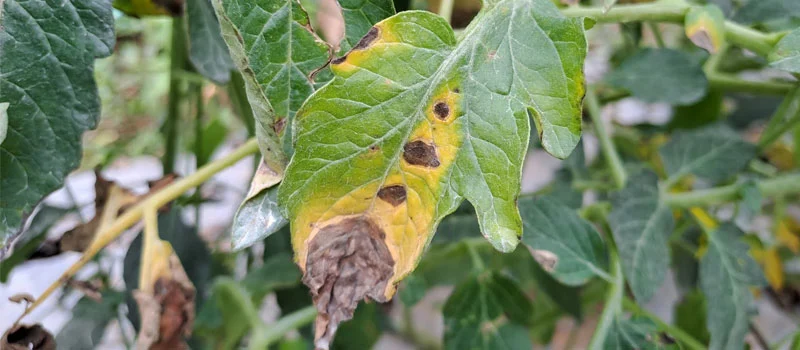
Understanding Mancozeb 64% + Cymoxanil 8: Mode of Action and Safety Fundamentals
How the Two Actives Work Together?
Mancozeb works by preventing fungus from breathing and metabolizing lipids in a lot of different places in cells at the same time. This alone makes the development of resistance practically difficult. Cymoxanil inhibits RNA synthesis in fungal cells and travels inside the leaf tissue, ending infections that are already established within 24-48 hours. When you combine them, the mancozeb on top keeps new germs from spreading, while the cymoxanil attacks infections existing in the tissue. Field trials in Mediterranean grape programs reveal that this combination of mancozeb 64% + cymoxanil 8 is more effective than single-active alternatives in reducing Plasmopara viticola sporulation by over 85% per 7 days.
Essential PPE and Safe Handling Requirements
Safety should always come first when dealing with any dithiocarbamate-based product. Here are the most critical safety regulations everyone has to follow:
- When mixing and loading, use a chemical-resistant coverall, nitrile gloves, shield, and half-face mask. This is because mancozeb dust may cause skin sensitivity and should be handled appropriately while mixing and loading.
- Store in a closed, dry, well-ventilated warehouse, free from feed, food, and oxidizing agents. WG and WP packs are hygroscopic and may get cakey if the humidity level is above 70%.
- During transportation, 20–25 kilogram bulk bags should be stored upright on boxes and away from combustible items as per the IATA/IMDG Class 9 requirements.
- If you come into contact with anything, wash any exposed flesh immediately with soap and water and wash filthy garments before wearing them again.
They are required because they back up the right-hand handling procedures of your operators and assist you in remaining compliant with EPA worker protection guidelines and EU Regulation 1107/2009 requirements. By practicing these habits, you help ensure consistent practices in the workplace and clear handling rules for everyone in your supply chain.
Optimizing Application Rate and Usage Instructions for Maximum Effectiveness
Dosage by Crop and Disease Pressure
Dosing correctly is the first step to effectiveness. This mancozeb 64% + cymoxanil 8 combination fungicide is usually applied at a rate of 1.5 to 2.5 kg per hectare, but this can change depending on the crop's yield and the disease load. Here is a useful breakdown by crop:
- Potato and tomato: spread 2.0–2.5 kg/ha every 7 days when the humidity is above 90%, and the temperature is between 15°C and 25°C. These conditions make the blight spread much faster.
- Grapevine: use 1.5–2.0 kg/ha before and after blooming, focusing on the underside of the leaves where the sporangia grow.
- Cucurbits and onion downy mildew: Use 1.5 to 2 kg/ha of mancozeb 64% + cymoxanil 8, and drop the amount if the canopy is open and the disease load is low.
Keeping these ranges in check will protect your crop without going over the MRL limits for residue levels. Being careful with dosing also makes your spray program last longer.
Resistance Management and Timing
Cymoxanil only works at one site, which means that using it too much leads to groups that are immune. Every two to three applications, this product should be mixed with CAA fungicides, QiI inhibitors, or carboxylic acid amides to keep resistance from building up. The mancozeb part naturally reduces resistance because it works on multiple sites, getting rid of resistant cells that cymoxanil might miss. When you spray, it also matters—do it at the start of times when you are most likely to get an infection, not after the signs are widely apparent.
Comparing Mancozeb 64% + Cymoxanil 8 with Other Fungicides: Value and Performance Insights
Performance Against Copper-Based and Single-Active Alternatives
Copper-based fungicides kill a lot of different kinds of fungi, but they build up in the soil over time and are getting more and more attention from EU regulators. Phytophthora infestans populations in several European potato regions have shown tolerance to formulations that only use metalaxyl or cymoxanil. The combination of mancozeb 64% + cymoxanil 8 fixes both problems. It heals just as well as systemic products, and the mancozeb part gives leftover contact protection that lasts for 7–10 days in mild rain, which is a big help when planning work in the field.
In trials in Italian vineyards, agronomists found that downy mildew was less common in areas treated with mancozeb 64% + cymoxanil 8 than in areas treated with copper hydroxide at the same spray intervals. The cost-per-hectare analysis also supports this WG/WP formulation, especially for programs that buy in bulk and manage hundreds of hectares. One balanced point of view is that this product is not registered for certified organic production, and its pre-harvest interval varies from 7 to 21 days depending on where it is registered and the type of crop. This is something that procurement teams must check against local rules before finalizing orders.
Procuring Mancozeb 64% + Cymoxanil 8: Best Practices for Global B2B Buyers
Sourcing Criteria and Quality Verification
Product integrity is what informs you which suppliers you can trust and which you can’t when purchasing in huge quantities. You should request the following expert quality control methods from any vendor of mancozeb 64% + cymoxanil 8:
- Active ingredient content verification: The ratios of cymoxanil assessed by HPLC and mancozeb evaluated by CS2 evolution titration were verified to be within the FAO/WHO tolerance limits.
- Suspensibility test: The chemical should be suspended at least 70–80% after 30 minutes; excellent suspensibility ensures uniform dispersion in the spray tank and uniform application throughout the field.
- Wet sieve test (CIPAC MT 185): Ensures uniformity in particle size and prevents clogging of the nozzle during field application.
- ETU impurity monitoring: Content of ethylene thiourea should be < 0.1%. Typically, Hontai’s manufacturing line takes care of the usual product testing to make sure this is the case.
Buyers should additionally ask for a comprehensive Certificate of Analysis, EU MRL compliance letters, and a batch-level sieve analysis for each shipment. This is particularly critical when you are shipping products to EU-controlled marketplaces or state purchasing programs.
Case Studies and Practical Tips for Safe and Effective Use
Lessons from the Field
An Egyptian Delta potato cooperative using an 8-week late blight treatment reported a 30% reduction in fungicide costs by switching from a more costly systemic-only product to a mancozeb 64% + cymoxanil 8 WP formulation at 2.0 kg/ha every 7 days. Spraying at regular intervals was necessary, and the boom sprayer nozzles were adjusted to 250–350 L/ha water volume to reach the complete canopy.
Don’t make the typical error of mixing mancozeb with Bordeaux mixture or other alkaline insecticides. Mancozeb degrades rapidly at pH >9.0 and hence loses its activity before contacting the crop. It is also vital to minimize calibration errors in the equipment that may cause under-dosing, since they may also contribute to resistance development in disease populations. Prior to adding product, check that the pH of the tank is between 5.5 and 7.5. Apply in the early morning or late afternoon so that the cymoxanil component is not degraded by sunshine and to prolong its action on the leaf surface.
Conclusion
To safely and effectively use mancozeb 64% + cymoxanil 8, you need to do more than just read the label. You also need to be careful with the dose, plan your rotations, wear the right safety gear, and be sure that the product is of good quality. This mix of fungicides is still one of the most cost-effective ways to control downy mildew and late blight in crop systems, potato belts, and wineries around the world. This product gives you a measurable return on investment and keeps your resistance management program strong if you work with the right provider and follow regular field practices.
FAQ
1. Can this product be tank-mixed with alkaline pesticides?
No, mancozeb 64% + cymoxanil 8 breaks down quickly in acidic environments. Don't mix the tank with Bordeaux mixture or anything else that makes the pH of the spray solution higher than 9.0. Stick to formulas that are neutral or slightly acidic.
2. What is the typical pre-harvest interval?
Based on the crop and the country of registration, the PHI can be anywhere from 7 to 21 days. Before planning the last spray before harvest, always check the area label.
3. How does this formulation help with managing resistance?
If cymoxanil is used by itself, resistance management becomes more important because it only attacks one spot in the fungus cell. The mancozeb part works as a multi-site partner to support broader disease management. This supports a balanced resistance management program and helps maintain cymoxanil's effectiveness over many seasons.
4. Is this product suitable for organic farming?
No, EU Regulation 834/2007 and USDA NOP standards say that mancozeb-based formulations can't be used in certified organic production systems.
Partner with Hontai for Certified Mancozeb 64% + Cymoxanil 8 Supply
Hontai is a reliable company that makes verified mancozeb 64% + cymoxanil 8. They have wet-milling WG lines and in-house ETU monitoring below 0.1%, and they can customize OEM labels for markets around the world. Hontai can get your products to you quickly and with all the necessary paperwork, whether you need normal 25 kg WG packs or special ratio WP formulations. You can email our expert sales team at admin@hontai-biotech.com to get samples or a fast price on buying in bulk right now.
References
1. Gisi, U., & Cohen, Y. — Resistance to Phenylamide Fungicides: A Case Study with Phytophthora infestans, Annual Review of Phytopathology, 1996.
2. FRAC (Fungicide Resistance Action Committee) — FRAC Code List: Fungicides Sorted by Mode of Action, FRAC Monograph, 2023.
3. FAO/WHO — Specifications and Evaluations for Agricultural Pesticides: Mancozeb, FAO Joint Meeting on Pesticide Specifications, 2009.
4. Leroux, P. — Chemical Control of Botrytis and Its Resistance to Chemical Fungicides, Canadian Journal of Plant Pathology, 2004.
5. European Commission—Regulation (EC) No 1107/2009 Concerning the Placing of Plant Protection Products on the Market, Official Journal of the European Union, 2009.
6. Thomidis, T., & Filotheou, A. — Evaluation of Fungicides for the Control of Plasmopara viticola on Grapevine, Crop Protection, 2016.

Our customers’ satisfaction speaks for our quality — contact us to experience the same reliable service.