- English
- French
- German
- Portuguese
- Spanish
- Russian
- Japanese
- Korean
- Arabic
- Greek
- German
- Turkish
- Italian
- Danish
- Romanian
- Indonesian
- Czech
- Afrikaans
- Swedish
- Polish
- Basque
- Catalan
- Esperanto
- Hindi
- Lao
- Albanian
- Amharic
- Armenian
- Azerbaijani
- Belarusian
- Bengali
- Bosnian
- Bulgarian
- Cebuano
- Chichewa
- Corsican
- Croatian
- Dutch
- Estonian
- Filipino
- Finnish
- Frisian
- Galician
- Georgian
- Gujarati
- Haitian
- Hausa
- Hawaiian
- Hebrew
- Hmong
- Hungarian
- Icelandic
- Igbo
- Javanese
- Kannada
- Kazakh
- Khmer
- Kurdish
- Kyrgyz
- Latin
- Latvian
- Lithuanian
- Luxembou..
- Macedonian
- Malagasy
- Malay
- Malayalam
- Maltese
- Maori
- Marathi
- Mongolian
- Burmese
- Nepali
- Norwegian
- Pashto
- Persian
- Punjabi
- Serbian
- Sesotho
- Sinhala
- Slovak
- Slovenian
- Somali
- Samoan
- Scots Gaelic
- Shona
- Sindhi
- Sundanese
- Swahili
- Tajik
- Tamil
- Telugu
- Thai
- Ukrainian
- Urdu
- Uzbek
- Vietnamese
- Welsh
- Xhosa
- Yiddish
- Yoruba
- Zulu
How Does emamectin benzoate 5 sg Control Crop Pests?
share:
Emamectin benzoate 5 SG is a water-dispersible granule formulation engineered to deliver fast, targeted control of economically damaging crop pests. It belongs to IRAC Group 6 and works by binding to glutamate-gated and GABA-gated chloride channels in insect nerve cells, triggering irreversible paralysis and feeding cessation within hours of ingestion. Unlike emulsifiable concentrates, the SG format dissolves in tank water without solvent dust, offers a 24-month shelf life, and provides a convenient formulation format for application—making it a practical choice for vegetable co-ops, cotton growers, and plantation operators worldwide.
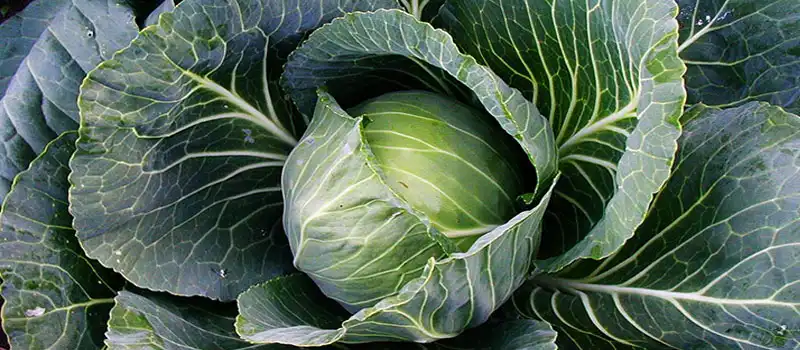
Understanding Emamectin Benzoate 5 SG and Its Pest Control Mechanism
What Makes the SG Formulation Different?
The 5% water-dispersible powder format has a suspensibility of ≥ 90%, which means that the active ingredient spreads out evenly in the spray tank without settling to the bottom. The wetting time is less than 60 seconds, which makes it faster to get the tank ready for a busy spray day. Because the benzoate salt structure makes it much easier for water to dissolve than the parent compound abamectin, it becomes much more effective against target pests. According to published data, it is about 1,500 times more effective than abamectin at the same dose rates.
Translaminar Action and Residual Protection
After being put on, the molecule moves through the leaf tissue and builds up as a reserve below the surface. Larvae that eat on the underside of broccoli or cabbage leaves, where direct spray doesn't usually reach, still take in enough to kill them. After being exposed, they stop eating within two to four hours, and most of them die within 48 to 72 hours in the field. Protection lasts for 7–14 days longer because of residual activity in leaf tissue. This makes large-scale operations much more cost-effective and reduces the need for frequent spraying.
This chemistry works on a wide range of pests. This active ingredient has been shown to be effective against the diamondback moth, the cotton bollworm, the beet armyworm, the fall armyworm, the rice leaf folder, the fruit-tree leafminer, and the tomato pinworm.
Proper Usage and Application Guidelines for Emamectin Benzoate 5 SG
Recommended Rates and Timing
Label data and field tests support an aerial spray rate of 0.5 to 1 kg of product per hectare for most cash and veggie crops. When applied early in the larval stage, before the second instar, it always kills the most. This is because younger larvae have thinner coats and feed more actively. Waiting until late-instar groups show up makes it much less effective.
Agronomists and procurement teams should keep these basic application parameters on file:
- Brassica vegetables: 0.5 to 0.75 kg/ha when larvae are first found; repeat in 10 to 14 days if pest pressure stays high.
- Cotton bollworm management: Use emamectin benzoate 5 SG at 0.75 to 1 kg/ha at the start of egg hatching to catch early larvae before they enter the boll.
- Greenhouse crops and covered cultivation: The dust-free SG granule format is very useful here because workers are more likely to be exposed to airborne particles in enclosed spaces that use powder or EC products.
- Resistance rotation: Every two to three spray cycles, switch between IRAC Group 28 and Group 5 chemistry to slow down the growth of resistance.
When spray windows are managed correctly, these parameters can cut down on unnecessary re-sprays and protect beneficial insect populations. Predatory mites and parasitoid wasps can usually return to treated fields 24–48 hours after spraying because the active ingredient breaks down quickly on leaf surfaces but stays in the tissue. This is an important thing for growers who use integrated pest management programs to keep in mind.
Comparing Emamectin Benzoate 5 SG with Other Insecticides on the Market
SG vs. EC and SC Formulations
Business leaders who buy things often want to know how the new SG format compares to the older 1.9% EC or 2.15% SC formats. The EC has flammable organic solvents that make it more expensive to move and classify, shorten the shelf life in humid storage, and can affect formulation performance in high-temperature conditions. The SG version doesn't have any flammable solvents and ships as a solid. Its thermal stability data show that it breaks down below 5% after 14 days at 54 °C, which is a huge benefit for routes that go through Southeast Asia, the Middle East, and sub-Saharan Africa.
Compared to abamectin, emamectin benzoate 5 SG gives Lepidopterans much better control because the methylamino group modification makes binding much stronger at chloride channels. Spinosad is effective against a similar group of pests but has a different resistance profile. This means that it should be used in exchange with other chemicals rather than as a straight replacement.
In terms of value, the higher active concentration in the 5% SG means lower use rates per hectare and lower transport weight. Both of these factors lower the landed cost per treated hectare when moving large amounts in containers.
Procurement Guide for Emamectin Benzoate 5 SG: Sourcing and Supply Chain Insights
Packaging, MOQ, and Logistics
For retail accounts, standard commercial packaging for emamectin benzoate 5 SG ranges from 100 g and 500 g sachets to 1 kg pouches and up to 10 kg or 25 kg fiber drums. Full container loads are usually consolidated at 14–17 metric tons per 20-foot FCL, and stable certificates are given for tropical transshipment paperwork.
Before placing an order, buyers who are looking at different providers should make sure of the following:
- Assay method for the active ingredient and allowed variation.
- Data on susceptibility and wetting time based on CIPAC methods.
- Tropical climate compliance data for 24 months at 54 °C.
- OEM/ODM choices are available, such as unique concentrations of 1%, 2%, 5%, or 10% SG, mesh size control down to -80 mesh, disintegration time less than 90 seconds, and writing on a foil bag with your company's logo.
By checking these technical details ahead of time, you can avoid expensive arguments at the destination port and protect both the buyer and the seller in long-term supply agreements.
Trusted Brands and Manufacturers of Emamectin Benzoate 5 SG
It is important to buy from an ISO-certified, factory-direct maker because the success of the SG formulation depends a lot on how precisely the grains are ground. Wet-extrusion lines with limited mesh output and low-temperature drying tubes below 50 °C help maintain active ingredient quality while the product is being made, which is something that not all contract manufacturers can promise. Buyers who register their products in more than one market can get real regulatory benefits from suppliers who offer in-house bee-toxicity dossiers and bilingual label services.
Hebei Hontai Biotech Co., Ltd. has a special wet-extrusion SG production line and keeps records on the safety of all of its Emamectin benzoate 5 SG products at 54 °C for 24 months. Customers can have their names printed on foil bags, packing can be color-coded, and the concentration can be changed. These are all options that meet the OEM needs of regional wholesalers and government award programs in the SAARC and ASEAN markets. You can find out more at hontaibiotech.com.
Conclusion
Emamectin benzoate 5 SG is one of the few insecticides in this price range that has translaminar action, a broad Lepidopteran spectrum, and a dry granule formulation that is convenient for handling. Its solid, stable form travels reliably through tropical supply chains. Its mode of action breaks down pest resistance, which extends its useful life in high-pressure pest environments. Its compatibility with IPM programs makes it a good choice for procurement managers who need a product that meets both performance and regulatory requirements.
FAQ
1. Is Emamectin Benzoate 5 SG Suitable for Beneficial Insects?
UV light quickly breaks down dry remains on leaf surfaces, making residues less persistent on treated surfaces. Most of the time, predatory mites and parasitoid wasps can get back into places that have been treated within 24 to 48 hours. The best thing to do is still to follow the registered application timing during flowering times.
2. How Does This Product Fit Into an IPM Program?
Emamectin benzoate 5 SG works by targeting specific ion channels in susceptible insect pests. This makes it easy to add to IPM cycles. Most national extension services say that the best way to deal with resistance is to switch between it and diamide or spinosyn chemicals every two to three applications.
3. What Concentration Variants Are Available for OEM Orders?
Hontai and other manufacturers give 1%, 2%, 5%, and 10% SG options with mesh size and breakdown time that can be changed. You can also get anti-caking masterbatch and synergist addition under an NDA if you ask for them. For approved buyers, the minimum sample amounts can be negotiated.
4. What Is the Pre-Harvest Interval?
PHI is different for each crop and country. Registrations for brassica vegetables usually come with a 3–7 day PHI, which helps with export-grade crop plans. Always make sure that the PHI is registered in the country where the application is going before planning to send it.
Partner with Hontai—Your Reliable Emamectin Benzoate 5 SG Supplier
Hontai is a factory-direct emamectin benzoate 5 SG manufacturer that can do wet-extrusion granulation, provide 24-month tropical stability data, print OEM labels, and offer flexible MOQs for wholesalers and distributors all over the world. Today, ask for a detailed data sheet or price for a lot of items. You can contact our sales team at admin@hontai-biotech.com to learn more about our products and container-load prices.
References
1. Jansson, R. K., & Dybas, R. A. (1998). Avermectins: Biochemical Mode of Action, Biological Activity, and Agricultural Importance. Pesticide Outlook, Royal Society of Chemistry.
2. Zhao, J. Z., et al. (2006). Resistance to diamide insecticides in diamondback moth. Journal of Economic Entomology, 99(5), 1725–1730.
3. Sparks, T. C., & Nauen, R. (2015). IRAC: Mode of action classification and insecticide resistance management. Pesticide Biochemistry and Physiology, 121, 122–128.
4. Ishaaya, I., Kontsedalov, S., & Horowitz, A. R. (2002). Emamectin, a novel insecticide for controlling field crop pests. Pest Management Science, 58(11), 1091–1095.
5. Shelton, A. M., et al. (2000). Resistance of diamondback moth to Bt and other insecticides. Journal of Economic Entomology, 93(6), 1686–1693.
6. FAO & WHO. (2019). Pesticide Residues in Food: Emamectin Benzoate Monograph. Joint FAO/WHO Meeting on Pesticide Residues (JMPR).
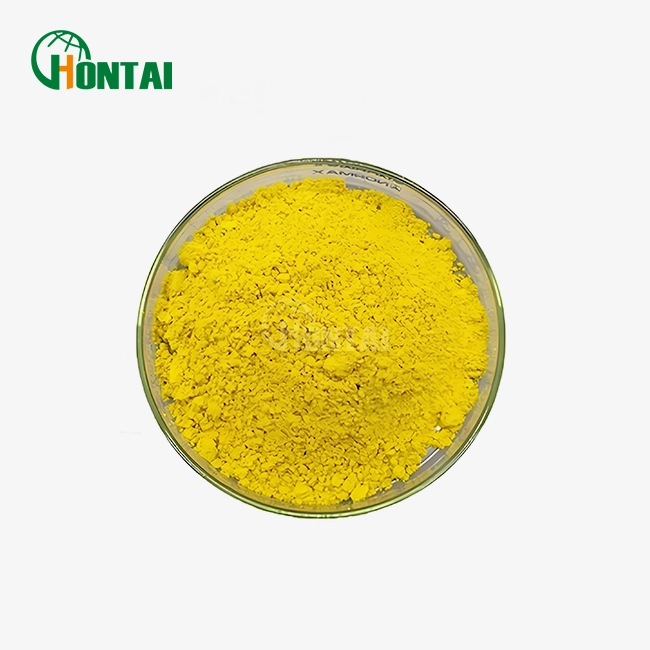
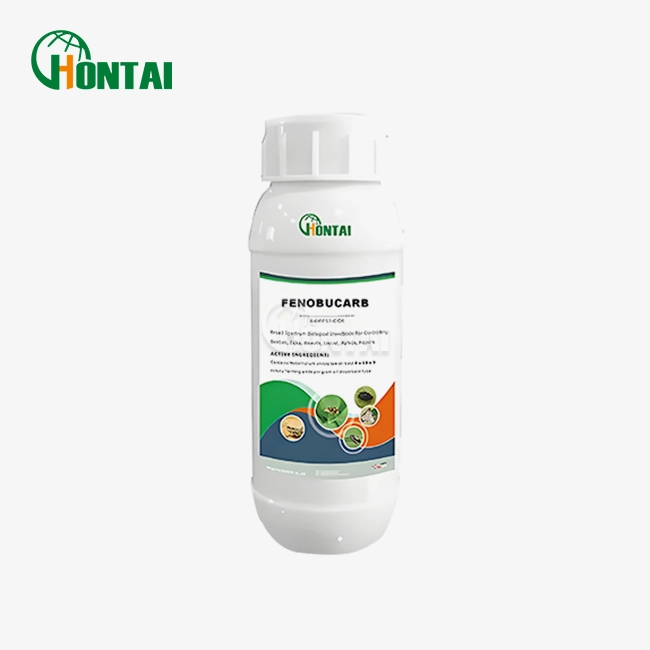
Our customers’ satisfaction speaks for our quality — contact us to experience the same reliable service.