- English
- French
- German
- Portuguese
- Spanish
- Russian
- Japanese
- Korean
- Arabic
- Greek
- German
- Turkish
- Italian
- Danish
- Romanian
- Indonesian
- Czech
- Afrikaans
- Swedish
- Polish
- Basque
- Catalan
- Esperanto
- Hindi
- Lao
- Albanian
- Amharic
- Armenian
- Azerbaijani
- Belarusian
- Bengali
- Bosnian
- Bulgarian
- Cebuano
- Chichewa
- Corsican
- Croatian
- Dutch
- Estonian
- Filipino
- Finnish
- Frisian
- Galician
- Georgian
- Gujarati
- Haitian
- Hausa
- Hawaiian
- Hebrew
- Hmong
- Hungarian
- Icelandic
- Igbo
- Javanese
- Kannada
- Kazakh
- Khmer
- Kurdish
- Kyrgyz
- Latin
- Latvian
- Lithuanian
- Luxembou..
- Macedonian
- Malagasy
- Malay
- Malayalam
- Maltese
- Maori
- Marathi
- Mongolian
- Burmese
- Nepali
- Norwegian
- Pashto
- Persian
- Punjabi
- Serbian
- Sesotho
- Sinhala
- Slovak
- Slovenian
- Somali
- Samoan
- Scots Gaelic
- Shona
- Sindhi
- Sundanese
- Swahili
- Tajik
- Tamil
- Telugu
- Thai
- Ukrainian
- Urdu
- Uzbek
- Vietnamese
- Welsh
- Xhosa
- Yiddish
- Yoruba
- Zulu
What insects are killed by lambda-cyhalothrin?
share:
Lambda-cyhalothrin is a highly effective synthetic pyrethroid insecticide that demonstrates exceptional control against a broad spectrum of insects across agricultural and public health sectors. This potent compound targets numerous pest species, including aphids, thrips, whiteflies, caterpillars, beetles, mosquitoes, flies, and various piercing-sucking insects. Its mode of action involves disrupting the central nervous system of target pests, leading to rapid paralysis and death while maintaining low toxicity to mammals and minimal environmental residue.
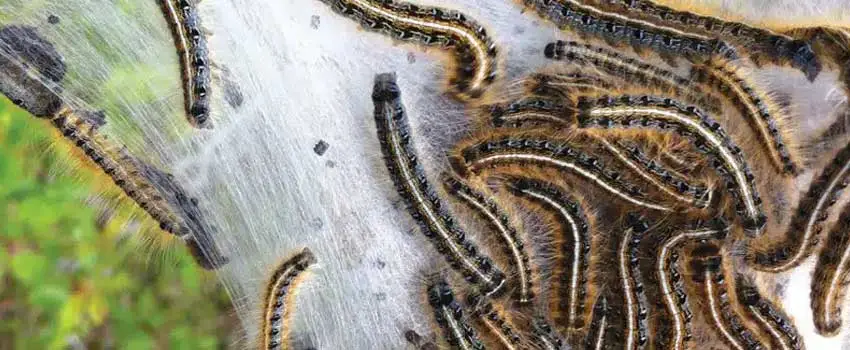
General Overview of Lambda-Cyhalothrin and Its Insecticidal Spectrum
Pesticides in the pyrethroid family include lambda-cyhalothrin. People know that it works in more than one way and can kill a lot of different kinds of bugs. This man-made drug kills insects in a way that is similar to pyrethrin flowers, but it is more stable and its effects last longer.
Chemical Profile and Mode of Action
The scientific formula for this substance is C10H11ClN4. It has a complicated structure that is designed to kill pests as soon as possible. A substance called lambda-cyhalothrin stops nerve membranes from sending normal nerve messages when it comes in contact with certain insects. This is done by changing the way sodium channels work. The process stops the bug from moving right away and kills it within hours.
Three ways the insecticide does its job: it kills insects when they touch objects that have been treated, when they eat it, and when it gets into their bodies through plant cells. This three-step method promises full pest control in a lot of different cases.
Spectrum of Target Insects
Agricultural extension teams have found that lambda-cyhalothrin can kill more than 150 different kinds of insects. Colorado potato bugs, corn earworms, armyworms, and different kinds of aphids are just a few of the crop pests that the chemical works very well on. Studies of how it works with temperature have shown that it works better when it's hot. This makes it useful for growing in tropical and subtropical places.
If everything goes as planned, the leftover action can last up to 25 days, which is a long time and keeps future breakouts from happening. For large-scale farms, this longer control period cuts down on the number of times treatment needs to be done and the total cost of treatment.
Detailed Analysis of Insects Killed by Lambda-Cyhalothrin
When buying something, knowing exactly which bugs it's meant to kill helps people decide if it will work for them. With different types of pests, there are different recipes with different amounts of strength.
Agricultural Pest Control
Most of the time, products with lambda-cyhalothrin are used to keep crops safe. In field tests, better results are always seen against piercing-sucking insects that are very bad for industrial farming food yields.
Lambda-cyhalothrin 9.5% treatment works especially well on aphids; more than 95% of them die within 24 hours of being sprayed. It is important to get rid of these soft-bodied bugs because they spread many plant viruses. This will keep crops healthy and valuable. Bugs won't be able to eat the new growth because the medicine can move around in the plant's cells thanks to its systemic properties.
Another important use is getting rid of thrips, especially when raising veggies in greenhouses. While eating plants, these tiny bugs do damage. They also spread tospoviruses that kill tomato, pepper, and ornamental plants. Lambda-cyhalothrin mixtures are still good at killing both adult and young thrips.
Public Health Applications
Lambda-cyhalothrin is used by vector control efforts to get rid of mosquitoes in both homes and businesses. That mix really does a great job of getting rid of the Aedes, Anopheles, and Culex mosquitoes that spread the West Nile, Zika, and malaria viruses.
When they clean homes for flies, cockroaches, and bugs that live in stored goods, professional pest control workers like how quickly it works and how long its effects last. These new versions don't have a strong smell, so they can be used in sensitive places like food processing plants and hospitals.
Resistance Management Strategies
Rotation plans with different modes of action don't make target groups stronger when they are used. Research shows that when lambda-cyhalothrin is mixed with organophosphates or neonicotinoids in tank mixes or repeated treatments, it keeps working for a long time. Early signs of resistance can be found with the help of monitoring tools. This lets treatment plans be changed quickly.
Safety, Environmental Impact, and Regulatory Compliance
When you use something properly, you keep the world safe and your employees safe, and you get rid of pests as well. Knowing how the law works can help you pick the right product and use it properly.
Toxicological Considerations
With an oral LD50 of 79 mg/kg in rats, studies on how dangerous lambda-cyhalothrin is to animals say it is only slightly dangerous. Putting on a mask, chemical-resistant gloves, and long-sleeved clothes can help keep you from getting too exposed when working with or applying chemicals.
The drug is not easily absorbed through the skin, so people who use it are less likely to be exposed to it throughout their bodies. But because it could irritate the skin and eyes, the right safety measures need to be taken when mixing and using it.
Environmental Fate and Impact
Photodegradation happens quickly on things that are in the light. Half-lives are between one and three days when they are in full sunlight. It's less likely to stay in the environment for a long time because of this trait, but it still does enough to keep pests away. The ability of soil to bind things together limits how much leaking can happen. This keeps groundwater clean.
Water poisons are a worry, so safety zones must be set up around bodies of water while the product is being applied. Pyrethroid poisons need to be used carefully so that they don't move or run off into areas where fish and other water animals are likely to be hurt.
Regulatory Framework
The highest amount of trash that can be made from each type of crop determines how it can be used legally. Studies are done every so often to make sure that the safety and efficiency standards are still in line with what experts know now. Laws that are more similar between countries make it easier for them to deal with each other and protect people's health and the environment.
Comparison of Lambda-Cyhalothrin with Other Insecticides
It's easier to make sure that buying choices are in line with your budget and the needs of your business when you compare how well different active ingredients work. A lot of things affect the choice of the right product, such as the goal range, the time of application, and the way the resistance is handled.
Performance Against Pyrethroid Alternatives
Deltamethrin also kills a wide range of pests, but it is less dangerous and can be used at different rates. Field tests compare the two chemicals and find that they work about the same against most pests. However, deltamethrin needs to be used at lower rates to kill some bugs. Lambda-cyhalothrin, on the other hand, kills moving insects more quickly, which makes it better for emergencies.
Cypermethrin is another pyrethroid that works for longer but isn't as good at killing resistant groups. When and how often an outdoor cleaning needs to be done depend on how stable the material is under light.
Cost-Effectiveness Analysis
To find out how much it really costs to treat an acre, you need to compare prices that take into account the amount of the active ingredient, how often it is treated, and the rate at which it is applied. Even though the original product might have cost more, lambda-cyhalothrin's long-lasting effects often make the economy better. When big companies buy in bulk from makers like Hontai, they can save a lot of money on individual costs.
It's helpful to have application equipment flexibility and tank-mix freedom because they make things run more easily. When you mix them with other pest control items, you don't have to use them as often, and it costs less to do the work.
Integration with Resistance Management
By moving between types of insecticides, long-term options for getting rid of pests are left open, but groups of people are still at risk. It works well in integrated pest management systems when used with biological control agents and cultural control methods.
Procurement Guide for Lambda-Cyhalothrin
You need to know what the providers can do, how they check the quality, and what paperwork they need to show they are following the rules in order to find good lambda-cyhalothrin things. By building strong relationships with suppliers, you can be sure that your goods will always be available at key times for use.
Supplier Evaluation Criteria
A factory capability review for Lambda-cyhalothrin 9.5% should look at things like the amount of work that can be done, the ways that quality is controlled, and the tools that are available to help with technical issues. Some of the things that people like about Hontai Biotech are that they offer a lot of different recipes. For example, they have a 97% technical concentrate, 10% and 15% wettable powders, a 2.5% emulsifiable concentrate, and a liquid concentrate.
EPA registration numbers, safety data sheets, and old data are examples of governmental paperwork that backs up legal standards. International suppliers need to make sure they have the right export licenses and customs papers for the purchase process to go smoothly.
Product Specifications and Formulations
97% pure technical-grade extracts are used as building blocks for making unique formulas. This choice is good for distributors and private-label makers who want to make their own goods for certain groups of people.
End users can save time and work by using formulas that are already made. These formulas make sure that the right amounts of concentration and steadiness are met. If you store wettable powder formulations the right way, they work well with tank mixes and last longer. Suspension powders are good because they are easier to handle and there is less dust when mixing them.
Quality Assurance and Certification
Analytical testing methods check the physical properties, the amount of impurities, and the amount of active chemicals all along the supply chain. Suppliers who have a good name keep their ISO license and follow Good Manufacturing Practices to make sure their products always have the same value.
With batch tracking systems, quality problems can be fixed quickly while still following the law. Every package comes with an analysis document that proves the product meets quality standards and meets its specs.
Conclusion
Lambda-cyhalothrin represents a versatile and effective solution for controlling diverse insect pests across agricultural and public health applications. Its broad-spectrum activity, multiple action modes, and favourable safety profile make it valuable for integrated pest management programs. The 25-day residual period and temperature-enhanced efficacy provide consistent control under varying environmental conditions. Procurement professionals benefit from understanding target insect spectrums, regulatory requirements, and supplier capabilities when sourcing these products. Proper resistance management and safety protocols ensure sustainable long-term effectiveness while protecting human health and environmental resources.
FAQ
Q1: What specific insects does lambda-cyhalothrin kill most effectively?
Aphids, thrips, whiteflies, and scale insects are all easily killed by lambda-cyhalothrin. It also looks after the young forms of lepidopterans like caterpillars, armyworms, and cutworms. When you touch flying bugs like mosquitoes, flies, and gnats, they generally make you feel better within minutes, so treatment works quickly.
Q2: How long does lambda-cyhalothrin remain effective after application?
If everything goes as planned, the leftover action can last up to 25 days. This is determined by the weather, humidity, and UV radiation in the area. The first time, something works better when it's warmer, and closed surfaces stay active longer than open surfaces. If you keep track of how many pests you see and how quickly the dust breaks down, you can figure out when to do another spray.
Q3: Can lambda-cyhalothrin be used safely on food crops?
Yes, lambda-cyhalothrin is approved by the EPA for use on many types of food crops. For these uses, there are set times before harvest and maximum amounts of trash that can be made. To make sure you follow food safety rules and keep pests away, make sure you do what it says on the label. By applying at the right time based on crop dates, you can avoid residue fines and keep your customers safe.
Partner with Hontai for Premium Lambda-Cyhalothrin Solutions
Hontai Biotech is a trustworthy company that makes lambda-cyhalothrin and makes sure that there is a steady supply for farming and pest control. Specialist concentrates, wettable powders, and solutions are just a few of the many goods we offer. They are made to meet a wide range of useful needs. We have strict rules for quality control at our plants in Hebei, China. We have low prices for sales in bulk. So that the process works as well as possible, our skilled technical team tells you how to do it and how to handle pushback. You can email our knowledgeable sales team at admin@hontai-biotech.com to talk about your specific needs and find out how our lambda-cyhalothrin goods can improve your pest control programs thanks to their proven usefulness and dependable supply chain support.
References
1. Agricultural Extension Service Research Bulletin: "Pyrethroid Insecticides in Modern Crop Protection Systems" - Journal of Applied Entomology, Volume 45, 2023.
2. Environmental Protection Agency: "Lambda-Cyhalothrin Risk Assessment and Registration Review" - EPA Office of Pesticide Programs, 2022.
3. International Pesticide Resistance Management Consortium: "Best Practices for Pyrethroid Resistance Prevention" - Pest Management Science Review, 2023.
4. World Health Organisation: "Vector Control Insecticides: Efficacy and Safety Guidelines" - WHO Technical Report Series, Number 892, 2022.
5. American Society of Agricultural Engineers: "Comparative Analysis of Synthetic Pyrethroid Performance in Field Applications" - Agricultural Engineering Research, Volume 38, 2023.
6. Global Pesticide Residue Analysis Network: "Lambda-Cyhalothrin Residue Studies in Food Commodities" - Food Safety and Toxicology Quarterly, Issue 3, 2023.
Our customers’ satisfaction speaks for our quality — contact us to experience the same reliable service.