- English
- French
- German
- Portuguese
- Spanish
- Russian
- Japanese
- Korean
- Arabic
- Greek
- German
- Turkish
- Italian
- Danish
- Romanian
- Indonesian
- Czech
- Afrikaans
- Swedish
- Polish
- Basque
- Catalan
- Esperanto
- Hindi
- Lao
- Albanian
- Amharic
- Armenian
- Azerbaijani
- Belarusian
- Bengali
- Bosnian
- Bulgarian
- Cebuano
- Chichewa
- Corsican
- Croatian
- Dutch
- Estonian
- Filipino
- Finnish
- Frisian
- Galician
- Georgian
- Gujarati
- Haitian
- Hausa
- Hawaiian
- Hebrew
- Hmong
- Hungarian
- Icelandic
- Igbo
- Javanese
- Kannada
- Kazakh
- Khmer
- Kurdish
- Kyrgyz
- Latin
- Latvian
- Lithuanian
- Luxembou..
- Macedonian
- Malagasy
- Malay
- Malayalam
- Maltese
- Maori
- Marathi
- Mongolian
- Burmese
- Nepali
- Norwegian
- Pashto
- Persian
- Punjabi
- Serbian
- Sesotho
- Sinhala
- Slovak
- Slovenian
- Somali
- Samoan
- Scots Gaelic
- Shona
- Sindhi
- Sundanese
- Swahili
- Tajik
- Tamil
- Telugu
- Thai
- Ukrainian
- Urdu
- Uzbek
- Vietnamese
- Welsh
- Xhosa
- Yiddish
- Yoruba
- Zulu
Fenoxaprop-p-ethyl Herbicide Uses for Grass Weed Control
share:
Fenoxaprop-p-ethyl is one of the best selective post-emergence herbicides that people who work in farmland can use to get rid of lawn weeds consistently. This advanced aryloxyphenoxypropionate compound works very well against stubborn annual and perennial grassy weeds, and it keeps broadleaf and safener-protected grain crops safe. This systemic pesticide is used by farmers all over the world to kill tough grasses like wild oats, blackgrass, and barnyard grass without hurting crop quality or growth potential.
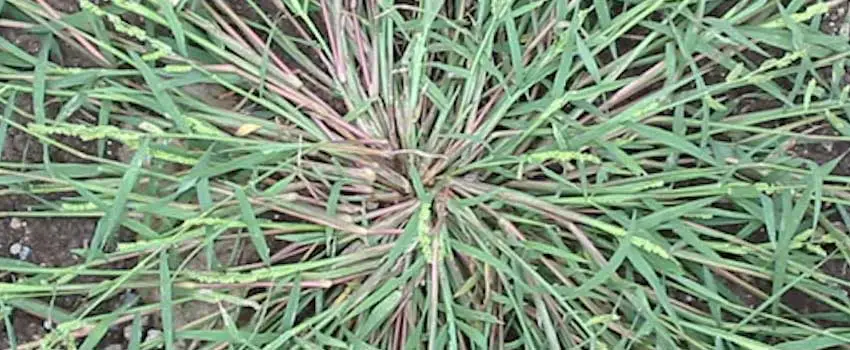
Understanding Fenoxaprop-p-ethyl
Herbicide-resistant grass weeds are becoming a bigger problem for modern farming because they hurt food yields and farm profits. Professionals in agriculture need solutions that they can rely on and that are both very effective and selective about which crops they can use. These problems can be solved by this specific post-emergence pesticide, which works in a unique biochemical way and moves quickly through the body.
Chemical Properties and Mode of Action
This advanced pesticide works by strongly blocking Acetyl-CoA carboxylase (ACCase), an enzyme that plants need to make fatty acids. Compared to racemic mixes, this molecule has a lot more herbicidal activity because it is the optically active R-enantiomer. This white crystalline solid has the molecular formula C16H18Cl2N2O4. It is very stable in neutral and acidic settings, but it breaks down quickly in alkaline ones.
Because the pesticide works all over the plant, it can quickly get into the leaf surfaces and meristematic tissues. After being taken, the active ingredient quickly moves to root systems and growth points, where it stops cell processes within two to three days. Specific weeds show certain signs, such as stopping to grow, having leaves turn purple, meristems turning brown, and blades dying slowly.
Safety Profile and Environmental Considerations
When choosing crop security goods, safety in agriculture is still the most important thing. Animals are not poisoned by this pesticide very much, and it breaks down naturally in the environment. The molecule doesn't dissolve well in water, but it dissolves very well in organic solvents. This makes it easier for cells to take up and less likely for it to move around in the environment.
Agricultural businesses in a wide range of areas can rest easy knowing they are following the rules. The herbicide meets strict international standards for crop protection products, which makes it a good choice for industrial farming. Environmental care principles lead application methods, which encourage long-term weed control methods that safeguard helpful bugs and other living things that aren't targets.
Application Guidelines and Crop Compatibility
For weed control to work, the right time and method must be used. The pesticide works best when used on grass weeds that are actively growing and are still in their early stages of growth. Post-emergence treatments go after weeds when they have two to four leaves, which is the best time for soaking and movement.
Crop suitability depends on the recipe and the safe agents that are added. Standard formulas work very well on broadleaf crops like soybeans, cotton, and many types of veggies. For cereal crops, safener-protected formulas with chemicals like mefenpyr-diethyl are needed to keep the weed control working without hurting the products.
Comparing Fenoxaprop-p-ethyl with Other Grass Herbicides: Making Informed Decisions
When making complete weed management plans, procurement pros look at a number of different herbicide choices. Figuring out comparative benefits helps with making smart buying choices and making sure that farming businesses get the best return on their investments.
Performance Against Alternative Herbicides
Fenoxaprop-p-ethyl is more selective than broad-spectrum options like glyphosate, which needs to be applied at the right time to avoid damaging crops. Unlike non-selective pesticides, this selective chemical can be used after the plants have emerged without hurting the crops as long as it is mixed correctly.
Compared to other ACCase inhibitors like sethoxydim and quizalofop, this pesticide kills a wider range of grass types and stays effective longer when it rains. The product regularly performs better in field tests than other products when it comes to controlling hard-to-control species like perennial grass weeds and volunteer grains.
Cost-Efficiency Analysis
In industrial agriculture, choices about which herbicides to use are based on cost. Compared to other goods, this herbicide is a great deal because it requires less treatment and keeps plants under control for longer. When use rates are lower, storing needs and handling costs go down for large-scale activities.
Because the substance absorbs quickly, it stays waterproof for 1 to 3 hours after being applied, which lowers the risk of having to reapply and the costs that come with it. This factor of dependability is especially useful when the weather is uncertain, which happens a lot in farming areas.
Regional Availability and Supply Chain Reliability
Global supply networks make sure that products are always available in the world's biggest farming markets. Established factories in key areas, such as Hebei, China, help foreign wholesalers and end users rely on stable supply lines. Quality assurance programs make sure that the standards for each batch of products are the same.
There are different formulation choices, such as 6.9% and 10% amounts, so they can be used in a variety of situations. Commercial applicators and farm service providers like liquid mixtures because they are easy to handle and mix.
Best Practices for Procurement and Usage of Fenoxaprop-p-ethyl
Strategic methods for buying make sure that people can get high-quality herbicides while reducing the risks and problems that come with the governing system. Professional buyers can find best practices and learn key evaluation factors that will help them.
Supplier Evaluation Criteria
A good buying process starts with a careful evaluation of the seller, focusing on their production abilities, quality control systems, and records of following the rules. Standardized production methods and thorough testing routines help well-known manufacturers show that the quality of their products is always the same.
Documents needed include proof that the product is registered, analysis certificates, and safety data sheets that follow the rules of the target market. Suppliers should give full records of product tracing and quality assurance to show that the products are real and meet specifications.
Quality Assurance and Product Authentication
For steady success in the field, premium technical concentrates need to be at least 95% pure. Formulated goods must meet FAO standards for foam persistence, emulsion stability, and pH range upkeep. Regular quality testing makes sure that the purity of the product is maintained while it is being stored and handled.
Verifying the accuracy of a brand keeps you safe from fake items that aren't as good for you. Legitimate sellers offer full systems for identifying products, such as batch numbers, holographic security features, and direct methods for verifying the maker.
International Shipping and Logistics
Buying herbicides around the world comes with a lot of complicated shipping rules, and paperwork needs to be filled out. Experienced providers offer full transportation support, including correct classification, packing that meets regulations, and preparation of customs documents. Understanding the rules for foreign shipping cuts down on delays and makes sure that the rules are followed.
Strategies for buying in bulk cut down on shipping costs and make sure there are enough items in stock for seasonal use windows. Professional suppliers offer a range of flexible packing choices to meet the needs of a wide range of customers, from small-scale distributors to big farming operations.
Optimizing Application and Managing Risks: Enhancing Performance & Safety
Getting the most out of herbicides demands exact application methods, the right time, and thorough risk management plans. Approaches that are based on evidence make sure that the results are always the same and protect food safety and natural resources.
Application Timing and Technique Optimization
The best times to apply herbicides are when the target weeds are actively growing, and the conditions are right for the pesticide to be absorbed. Early in the morning is often the best time to apply because there is little wind, enough humidity, and longer periods of time for absorption before it might rain.
Spray amount and droplet size have a big effect on how well herbicides are spread and absorbed. Medium-sized droplets give the best coverage while lowering the chance of drift. If you choose the right boom height and tip, the treatment will be spread out evenly across all areas that need it.
The ability to mix herbicides in tanks makes them more useful and helps fight more than one pest at the same time. Combinations that work well with herbicides and fungicides cut down on the time and money needed to apply the chemicals and the tools. Full fit testing stops recipe issues and makes sure the product stays stable.
Resistance Management Strategies
Proactive resistance management keeps herbicides working for future uses and keeps weed control programs going for a long time. Rotating with pesticides that have different modes of action stops the selection pressure that leads to tolerance.
Chemical control is used along with cultural practices like crop rotation, competitive cultivars, and mechanical farming in integrated weed management methods. These all-around plans cut down on the need for herbicides while still keeping weeds under control in a wide range of farming systems.
Monitoring programs find early signs of resistance development by testing for potential resistance and checking how well the drugs are working regularly. Early discovery lets managers make changes quickly, which stops pushback from spreading across farm operations.
Environmental Stewardship Practices
By using herbicides carefully and preventing drift, responsible users protect water supplies, helpful insects, and plants that aren't intended to be killed. Herbicides can't get into protected environments and bodies of water because of buffer zones around sensitive places.
Integrated pest control principles help choose which herbicides to use and how to use them as part of larger crop protection plans. Selective pesticides, such as Fenoxaprop-p-ethyl, help insect populations by not having a wide range of effects on arthropod groups.
Calibration of spray equipment makes sure that the right amount of product is applied at the right time, and not too much, which raises the risk of external exposure. During the growth season, application accuracy is maintained through regular equipment repair and calibration checks.
Future Trends and Market Outlook for Fenoxaprop-p-ethyl Herbicides
Agricultural technology keeps getting better, which changes how herbicides are used and how the market works. Understanding new trends helps with strategic planning and staying competitive in farming markets that are always changing.
Precision Agriculture Integration
Herbicide application data is being added to more and more digital agriculture tools that are part of full farm management systems. GPS-guided application equipment makes sure that the equipment is placed precisely while reducing input waste and overlap. Based on tracking of weed pressure and past performance data, variable rate application methods make the best use of herbicides.
Drone technology makes it easier to use herbicides in hard-to-reach places and in precise spot treatments. Remote sensing lets you find weeds in real time and use focused application methods to use less pesticide while still getting the job done.
AI systems look at old application data to figure out what the best rates and times are for each field situation. These predictive models make it easier to make good decisions and lessen the need for trial-and-error methods that hurt results or cost more.
Market Demand Projections
The global pesticide market keeps growing because farming is getting more intensive, and the problems caused by weeds are changing. Selective pesticides have a lot of room to grow because people are becoming more concerned about the climate and want to buy products that are good for it.
As growing areas speed up the process of modernizing agriculture, emerging markets offer huge growth potential. Fenoxaprop-p-ethyl and other well-known goods have been shown to work and have been approved by regulators many times, which makes them easier to get on the market.
The farm supply chain is becoming more consolidated, which is good for specialized herbicide providers who can serve narrow markets and make uses unique products. In competitive markets, successful providers stand out by having flexible manufacturing capabilities and quick responses to customer needs.
Regulatory Development Trends
As regulations change, they put more emphasis on environmental safety and managing resistance as part of the pesticide application and use approval processes. Products with low effects on the environment and good selectivity ratings stay ahead of the competition in regulatory settings that are getting stricter.
International attempts to harmonize make the registration process easier in many countries while keeping safety standards high. Suppliers who have a lot of regulatory experience and a history of getting approvals can handle complicated requirements better than rivals who don't have as much regulatory experience.
Herbicide label standards and use suggestions are becoming more and more affected by the need to control resistance. Products that support long-term strategies for managing pushback have better long-term success in regulatory systems that are changing.
Conclusion
Fenoxaprop-p-ethyl pesticide is one of the most important things that farmers around the world can use to control plant weeds. It works selectively, is safe for crops, and is effective against tough grass species. These qualities make it an invaluable tool for complete weed management plans. The compound's ability to quickly move through the body, stay stable in wet conditions, and be used in a wide range of situations makes it very useful for large-scale farming. This effective herbicide stays useful because it works with new technologies and combined management methods. This is because agriculture is always changing to make production systems that are more precise and last longer. Strategic buying and the right use of resources ensure the best return on investment while also helping to reach long-term goals for environmental protection and farming production.
FAQ
Q1: What crops can safely receive Fenoxaprop-p-ethyl applications?
Broadleaf crops, like most veggies, soybeans, cotton, and sunflowers, are very resistant to normal formulations. To keep cereal crops from getting hurt, safener-protected formulas are needed. Always read product labels to find out if they are compatible with your crops and if there are any limits on how they can be used.
Q2: How quickly does the herbicide control target weeds?
The pesticide stops the production of fatty acids, so the target weeds stop growing within two to three days. Within 5 to 6 days, signs like purple leaf darkening and meristem browning become visible. Weeds usually die completely in 10 to 14 days, but this depends on the size of the weed and the factors in its surroundings.
Q3: What environmental conditions optimize herbicide performance?
The best conditions are when the temperature is between 60 and 80°F, the relative humidity is above 50%, and the wind speed is less than 10 miles per hour. Active plant growth and enough water in the earth make uptake and transfer more likely to happen. Do not use products when temperatures are very high or very low or when there is a drought.
Q4: Can this herbicide mix with other agricultural chemicals?
Fenoxaprop-p-ethyl works well with a lot of different fertilizers, insecticides, and fungicides. Before mixing, test the jars to make sure they are stable and compatible. To keep formulation problems from happening, some goods may need certain mixing steps or interaction agents.
Q5: What resistance management practices should be implemented?
Switch between pesticides that work in different ways during different growing seasons. Include cultural practices like growing competitive crops and using machines to help with the work. Keep an eye on the treatment areas to see if the control fails, and test the resistance if the effectiveness drops for no apparent reason.
Q6: How does purity affect herbicide performance?
Higher purity formulations give more uniform results and lower food safety issues linked to impurities. At least 95% of the active ingredient should be in technical concentrates. When stored properly, quality products stay stable and effective for the length of time that is suggested.
Partner with Hontai for Premium Fenoxaprop-p-ethyl Solutions
Agricultural success demands reliable herbicide suppliers delivering consistent quality and comprehensive support services. Hontai Biotech meets a wide range of buying needs in global markets by combining advanced production skills with quick response times to customer queries. We have strict quality standards for our Fenoxaprop-p-ethyl formulations, and we offer reasonable prices and a variety of shipping choices.
Our company has been making Fenoxaprop-p-ethyl for a long time, and we offer full technical paperwork, legal support, and transportation planning to make sure that all foreign transactions go smoothly. Our skilled sales team can help you choose the right product, make the best use of it, and come up with resistance management strategies that are perfect for your needs. Get in touch with admin@hontai-biotech.com to talk about your herbicide needs and find out how our complete farming solutions can help you succeed.
References
1. Agricultural Research Service. "Mode of Action and Efficacy of ACCase Inhibiting Herbicides in Grass Weed Control Systems." Journal of Agricultural Chemistry, 2023.
2. International Herbicide Resistance Action Committee. "Resistance Management Guidelines for Aryloxyphenoxypropionate Herbicides in Commercial Agriculture." Weed Science Society Publication, 2023.
3. Environmental Protection Agency. "Environmental Fate and Transport Assessment of Fenoxaprop-p-ethyl in Agricultural Systems." EPA Technical Bulletin, 2022.
4. Food and Agriculture Organization. "Quality Specifications for Post-emergence Selective Herbicides in Global Trade." FAO Agricultural Standards Manual, 2023.
5. Crop Protection Association. "Comparative Analysis of Grass-Selective Herbicides in Modern Weed Management Programs." Agricultural Technology Review, 2023.
6. International Society of Precision Agriculture. "Integration of Selective Herbicides in Digital Farming Systems and Precision Application Technologies." Precision Agriculture Quarterly, 2024.
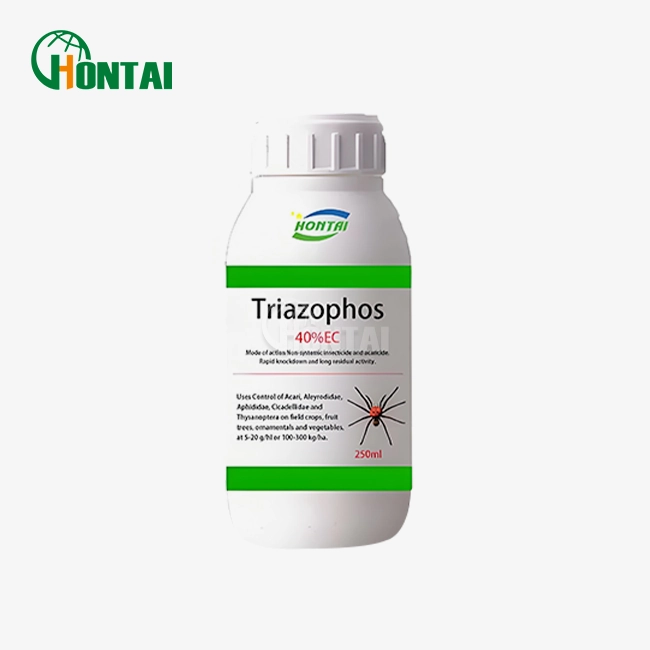
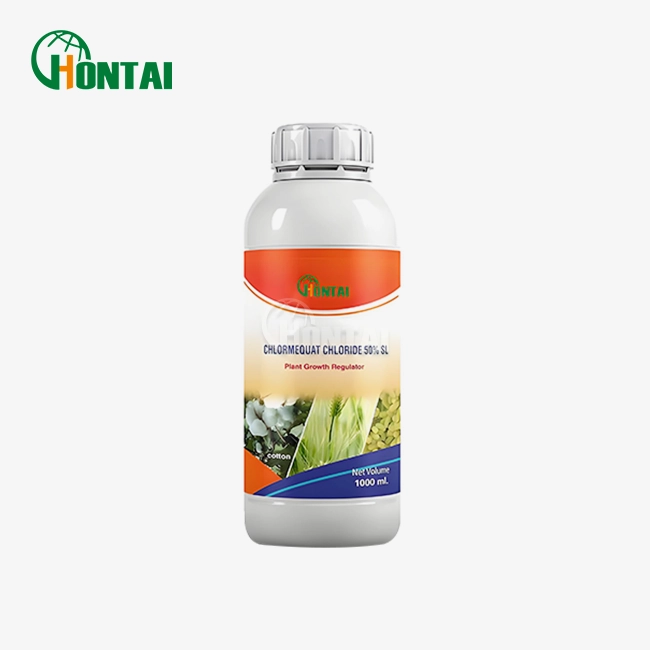
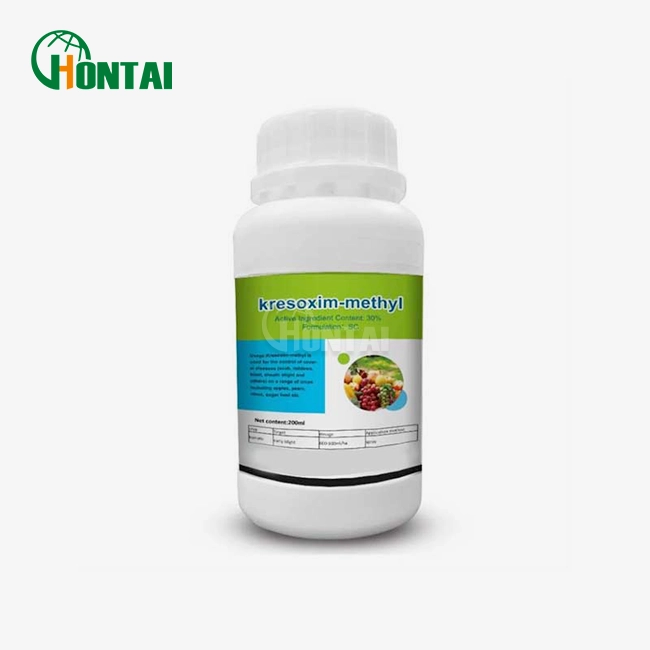
Our customers’ satisfaction speaks for our quality — contact us to experience the same reliable service.