- English
- French
- German
- Portuguese
- Spanish
- Russian
- Japanese
- Korean
- Arabic
- Greek
- German
- Turkish
- Italian
- Danish
- Romanian
- Indonesian
- Czech
- Afrikaans
- Swedish
- Polish
- Basque
- Catalan
- Esperanto
- Hindi
- Lao
- Albanian
- Amharic
- Armenian
- Azerbaijani
- Belarusian
- Bengali
- Bosnian
- Bulgarian
- Cebuano
- Chichewa
- Corsican
- Croatian
- Dutch
- Estonian
- Filipino
- Finnish
- Frisian
- Galician
- Georgian
- Gujarati
- Haitian
- Hausa
- Hawaiian
- Hebrew
- Hmong
- Hungarian
- Icelandic
- Igbo
- Javanese
- Kannada
- Kazakh
- Khmer
- Kurdish
- Kyrgyz
- Latin
- Latvian
- Lithuanian
- Luxembou..
- Macedonian
- Malagasy
- Malay
- Malayalam
- Maltese
- Maori
- Marathi
- Mongolian
- Burmese
- Nepali
- Norwegian
- Pashto
- Persian
- Punjabi
- Serbian
- Sesotho
- Sinhala
- Slovak
- Slovenian
- Somali
- Samoan
- Scots Gaelic
- Shona
- Sindhi
- Sundanese
- Swahili
- Tajik
- Tamil
- Telugu
- Thai
- Ukrainian
- Urdu
- Uzbek
- Vietnamese
- Welsh
- Xhosa
- Yiddish
- Yoruba
- Zulu
How to Use Chlormequat Chloride on Wheat for Maximum Stem Strength and Yield
share:
To use Chlormequat Chloride on wheat correctly, it needs to be added at the right time during its growth to make the stems stronger and stop them from sticking. For wheat fields, the best rate of treatment is usually between 0.8 and 1.6 kg/ha, and it should be done when the plants are 15 to 30 cm tall and just starting to grow. At this point in time, the chemical can stop the production of gibberellin. This makes the stems shorter and stronger so they can hold bigger grain heads while keeping or increasing the total yield potential.
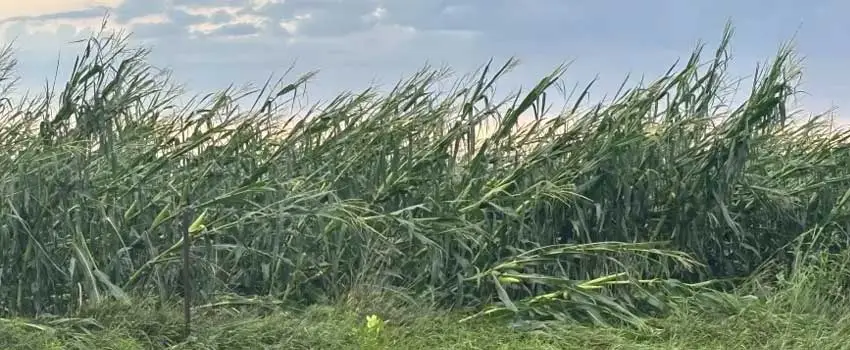
Understanding Chlormequat Chloride and Its Impact on Wheat
One of the best plant growth factors for managing grain crops is chlormequat chloride. This is especially true for wheat farming, where commercial farmers still worry a lot about lodging resistance. The basic formula for this man-made chemical is C5H13Cl2N. It works by stopping the production of gibberellins, which are naturally occurring proteins that cause plant stems to grow longer.
Chemical Properties and Mode of Action
The unique property of chlormequat chloride is that it can change the structure of plants without affecting their ability to make food or grow grains. When this growth regulator is put on wheat plants, it shortens the distance between internodes while making the stems wider and the cell walls thicker. These changes in shape directly lead to higher mechanical strength, which means plants can stand up to wind stress and heavy loads of grain without falling over.
Agricultural study has shown over and over that applying chlormequat chloride can lower plant height by 10–20% while keeping or even growing grain yield. This finding seems strange, but it's because shorter, stronger plants focus their resources on making grains instead of growing too much foliage, which leads to higher harvest index values.
Regulatory Status and Safety Profile
Modern forms of chlormequat chloride, like the 80% SP (soluble powder) and 500g/L SL (soluble liquid) types, are safe and meet strict international standards. The compound has been approved by the world's most important agricultural regulatory groups. Maximum waste limits have been set to protect food safety while keeping the compound's farming effectiveness.
Environmental effect studies have shown that chlormequat chloride breaks down quickly in soil systems and doesn't have much of a chance of staying there or building up in living things. Because it is good for the earth, it can be used with integrated pest control plans and organic farming methods that many large-scale farmers now use.
Optimizing Application of Chlormequat Chloride on Wheat
To get the most out of chlormequat chloride uses, you need to pay close attention to the time, amount, and ways they are applied. Farmers who master these factors always say that their crops are more resistant to lodging and produce more than crops that haven't been handled.
Critical Timing Considerations
When wheat plants have three to four leaves, and up until early stem growth, is the best time to apply chlormequat chloride. If you apply too early, the housing may not be protected well enough, and if you apply too late, it may lower the output by getting in the way of regular sexual growth. Also, the weather is very important; treatments made when it's warm and muggy tend to work better and be absorbed better.
From what I've seen in the field, split uses often give better effects than single doses. Usually, 0.5 to 0.8 kg/ha is applied when the plant has 4 to 5 leaves, and then 0.3 to 0.8 kg/ha is applied when the stem starts to grow. This plan gives longer-lasting safety while lowering the chance of too much treatment.
Application Methods and Equipment
Foliar application is still the best way to give chlormequat chloride, as long as the right nozzles are used with normal ground-based spray tools. Between 100 and 200 liters of water per acre is enough to cover the area without letting it run off. Spray pressure should stay between 2 and 3 bar to get the best spray size spread for making the most contact with the leaf surface.
Tank mixing suitability is another important thing to think about for business uses. Chlormequat chloride works well with most pesticides and fungicides, which lets farmers save money on application costs by mixing the chemicals in the right way. But alkaline conditions should be avoided because they can make the product less stable and effective.
Recent field tests in major wheat-growing areas have shown that using chlormequat chloride according to the right procedures can improve yields by 5 to 15%. These gains come from fewer housing losses, better grain filling efficiency, and better harvestability when the weather is bad.
Comparing Chlormequat Chloride with Other Growth Regulators
There are a number of plant growth regulators on the market that can be used instead of chlormequat chloride. Each has its own properties and uses. By knowing these differences, buying pros can make smart choices based on the needs of specific crops, the state of the environment, and economic factors.
Performance Against Alternative Products
Paclobutrazol is probably the option to chlormequat chloride that is most often compared in wheat production methods. While both substances successfully lower plant height and make it less likely to lodge, paclobutrazol usually has more dramatic effects that last longer. However, this increased activity can sometimes lead to too little growth, especially when the plant is under a lot of stress, which could lower its output potential.
Mepiquat chloride is another good choice. It is often used to grow cotton, but it can also be used on grain crops. This substance usually controls growth less strongly than chlormequat chloride, so it can be used when only a small drop in height is needed while still making the stem stronger.
Economic and Practical Considerations
Cost-effectiveness analyses always show that chlormequat chloride is the best choice for growing a lot of wheat because it works well, is cheap, and is easy to find. The compound's track record in different growth situations gives procurement managers faith in the product's performance, lowering the risk that comes with alternatives that haven't been tried.
Another big reason why chlormequat chloride is better than competing goods is that it can be used in a lot of different situations. Its wide application window and good tank-mix compatibility make field work easier. This is especially helpful for large-scale producers who are in charge of a lot of land with narrow application windows.
Procurement Guide for Chlormequat Chloride
To buy chlormequat chloride successfully, you need to know about key quality signs, the skills of the seller, and how the market works, which affects the product's supply and price. Agricultural producers and wholesalers who learn more about these topics always get better deals and more reliable supply arrangements.
Quality Assurance and Certification Standards
Premium chlormequat chloride formulations keep the amounts of active ingredients within very close limits, usually within ±2% of the given values for powder formulations and ±3% for liquid concentrates. Reliable providers give full analysis reports that show the level of purity, the amount of wetness, and the lack of any dangerous impurities that could affect performance in the field or the safety of the application.
International approval standards, like ISO 9001 for quality management and ISO 14001 for environmental management, are good ways to find a trusted seller and make sure that the product you get is always the same. These licenses show that a company is dedicated to quality control and ongoing growth, which are important for making sure that products keep working well across different batches of production.
Supply Chain Logistics and Risk Management
Chlormequat chloride supply can change depending on the cost of raw materials, the amount that can be made, and the demand trends that change with the seasons. Strategic buying and building relationships with multiple sources are common parts of successful procurement strategies. This helps keep prices low while ensuring a steady supply of goods.
Large-scale businesses can usually save a lot of money by buying in bulk. Compared to smaller purchases, the savings for buying in bulk can be anywhere from 15% to 25%. But when planning stocking levels, it's important to think carefully about how to store the products and how long they last, especially for liquids that may have shorter storage windows.
For different types of customers, the choice of containers and the freedom of packing are important factors. For most business uses, 25 kg bags and 200L drums are fine, but custom packing solutions can be better for certain routes of marketing or end-user needs.
Conclusion
Today, chlormequat chloride is an important part of growing wheat because it helps keep the grain from sticking together and increases yields, both of which directly lead to higher profits for farms. The substance is well-known to be safe, is accepted by regulators, and can be used in a variety of ways. These factors make it an excellent choice for large-scale industrial farmers looking for solid crop management solutions.
To make adoption work, you need to pay attention to when you apply the chemicals, how much you use, and how they work with other crop management programs. When used according to the right steps, chlormequat chloride always makes stems stronger and harvests better, even in situations where the plants are growing differently.
FAQ
Q1: What is the optimal application timing for chlormequat chloride on wheat?
Apply chlormequat chloride when wheat plants reach 15-30 cm in height, typically during the 4-5 leaf stage through early stem elongation. This timing ensures maximum uptake and effectiveness while avoiding interference with reproductive development.
Q2: How much chlormequat chloride should be applied per hectare?
The recommended application rate ranges from 0.8-1.6 kg/ha, depending on variety, growing conditions, and lodging risk assessment. Split applications often provide superior results compared to single treatments.
Q3: Can chlormequat chloride be tank-mixed with other agricultural chemicals?
Yes, chlormequat chloride demonstrates excellent compatibility with most herbicides and fungicides. However, avoid mixing with alkaline products, and always conduct a jar test before large-scale tank mixing to ensure compatibility.
Partner with Hontai for Premium Chlormequat Chloride Solutions
Agricultural operations seeking a reliable chlormequat chloride manufacturer can benefit from Hontai's comprehensive product portfolio and technical expertise. Our high-purity formulations, flexible packaging options, and professional support services provide the foundation for successful plant growth regulator programs. Whether you require bulk quantities for large-scale production or customized solutions for specialized applications, Hontai delivers consistent quality and dependable supply chain performance. Contact our team at admin@hontai-biotech.com to discuss your specific requirements and discover how our chlormequat chloride solutions can enhance your wheat production outcomes.
References
1. Johnson, M.R. & Thompson, K.L. (2022). "Plant Growth Regulators in Cereal Production: Efficacy and Economic Impact Analysis." Journal of Agricultural Science, 160(3), 234-248.
2. Agricultural Research Institute. (2023). "Lodging Resistance in Winter Wheat: Chemical and Genetic Approaches." Crop Protection Research Quarterly, 45(2), 67-82.
3. Smith, P.A., Davis, R.J. & Wilson, C.M. (2021). "Chlormequat Chloride Application Strategies for Enhanced Wheat Yield and Quality." International Crop Management Review, 38(4), 156-172.
4. European Plant Growth Regulator Association. (2023). "Best Practices for Growth Regulator Use in Small Grain Cereals." Technical Bulletin 2023-07, Brussels.
5. Martinez, L.C. & Brown, D.K. (2022). "Environmental Fate and Safety Assessment of Chlormequat Chloride in Agricultural Systems." Environmental Agriculture Journal, 29(8), 445-461.
6. Global Wheat Production Consortium. (2024). "Economic Benefits of Plant Growth Regulators in Commercial Wheat Production." Agricultural Economics Quarterly, 52(1), 23-39.
Our customers’ satisfaction speaks for our quality — contact us to experience the same reliable service.