- English
- French
- German
- Portuguese
- Spanish
- Russian
- Japanese
- Korean
- Arabic
- Greek
- German
- Turkish
- Italian
- Danish
- Romanian
- Indonesian
- Czech
- Afrikaans
- Swedish
- Polish
- Basque
- Catalan
- Esperanto
- Hindi
- Lao
- Albanian
- Amharic
- Armenian
- Azerbaijani
- Belarusian
- Bengali
- Bosnian
- Bulgarian
- Cebuano
- Chichewa
- Corsican
- Croatian
- Dutch
- Estonian
- Filipino
- Finnish
- Frisian
- Galician
- Georgian
- Gujarati
- Haitian
- Hausa
- Hawaiian
- Hebrew
- Hmong
- Hungarian
- Icelandic
- Igbo
- Javanese
- Kannada
- Kazakh
- Khmer
- Kurdish
- Kyrgyz
- Latin
- Latvian
- Lithuanian
- Luxembou..
- Macedonian
- Malagasy
- Malay
- Malayalam
- Maltese
- Maori
- Marathi
- Mongolian
- Burmese
- Nepali
- Norwegian
- Pashto
- Persian
- Punjabi
- Serbian
- Sesotho
- Sinhala
- Slovak
- Slovenian
- Somali
- Samoan
- Scots Gaelic
- Shona
- Sindhi
- Sundanese
- Swahili
- Tajik
- Tamil
- Telugu
- Thai
- Ukrainian
- Urdu
- Uzbek
- Vietnamese
- Welsh
- Xhosa
- Yiddish
- Yoruba
- Zulu
Best Practices for Using Fly Killer Powder Safely
share:
When dealing with persistent fly infestations in business and agricultural settings, following the right safety precautions while using fly killer powder is essential for operating success. These professional-grade insecticides need to be handled carefully and used correctly, and safety steps need to be fully understood in order to protect people and get the best pest control results. Implementing best practices correctly makes sure that regulations are followed, health risks are kept to a minimum, and cost-effectiveness is maximized in a wide range of workplace settings. When used according to set safety rules and manufacturer suggestions, our powder formula has been shown to work reliably.
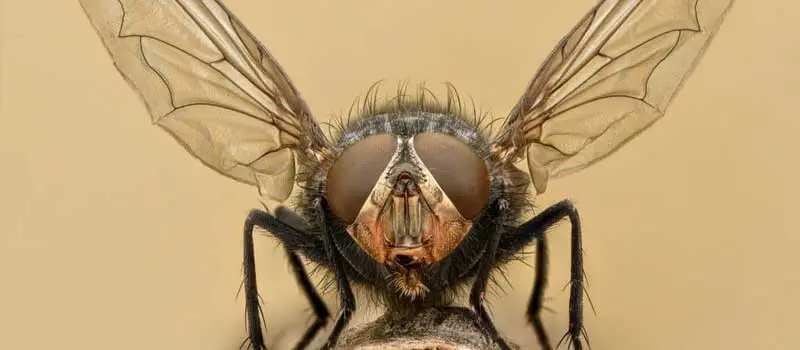
Understanding Fly Killer Powder and Its Safety Profile
Fly killer powder is a special kind of pest control product made with chemicals like dinotefuran, cypermethrin, and pyrethroids that are meant to mess with insects' nervous systems. Depending on the substance, these mixtures usually have between 10 and 95% active ingredients. Products based on dinotefuran offer neonicotinoid action that targets acetylcholine receptors in a different way than standard organophosphates.
Modern fly control powders are safe because they are carefully formulated to take into account a number of risk factors. Products made for professionals, like those with cypermethrin, are safe for mammals and keep working against target species for a long time. The photostability of these formulations is better than that of natural pyrethrins, so they will always work well in farming areas where UV light is common.
Chemical Composition and Mode of Action
Industrial fly killer powders kill flies through touch and stomach poisoning, and within hours of application, more than 90% of the flies are dead. The two-step method uses attractants like Z-9-tricosene (muscalure) along with strong active ingredients to get flies to land on treated areas where they will be killed.
Regulatory Compliance Considerations
Formulations that are listed with the EPA go through a lot of tests to find the best Maximum Residue Limits (MRLs) and Pre-Harvest Intervals (PHIs) for use in agriculture. Environmental safety standards are met in all foreign markets by REACH compliance, and safe handling procedures are provided by GHS labeling, which is a standard way to communicate hazards.
Best Practices for Safe Application of Fly Killer Powder
The right way to apply Fly Killer Powder has a direct effect on both safety and how well it gets rid of pests in business settings. To get the best results with the least amount of risk, implementation needs to be planned out in a planned way, with the right tools chosen and set up in a certain order.
Pre-Application Safety Protocols
As part of site preparation, the target areas are cleaned thoroughly to get rid of any waste that could get in the way of powder bonding or pest contact. Environmental assessment figures out the best time to apply based on the weather. Cool, dry periods give better results than windy or wet times, which may make the product less effective.
Personal protective equipment that must be worn during mixing and application processes includes nitrile gloves, N95 respirators, and safety glasses. In tight areas, good ventilation is necessary to keep air moving so that particles in the air don't build up and become dangerous for people to breathe in.
Application Techniques and Timing
Strategic placement focuses on fly gathering sites, such as corners, cracks, and openings, where bugs hide during the day. Targeted treatment around feeding sites, water sources, and manure storage areas where fly populations tend to gather during operating cycles is helpful for livestock facilities.
Dosage estimates are based on what the maker says should be done. Depending on the seriousness of the infestation and the conditions of the area, the dose is usually between 1 and 5 grams per square meter. Too much application wastes product and may expose people who aren't the goal more, while not enough coverage lets pest populations grow quickly.
Comparing Fly Killer Powder to Alternative Fly Control Solutions
When looking at different ways to get rid of pests, it's important to know the pros and cons of powders versus liquid sprays, aerosols, and tracking traps. Each method has its own benefits that depend on the needs of the operation, the limitations of the surroundings, and the safety concerns that are important to that facility.
Powder Versus Liquid Formulations
Powder forms of substances have longer-lasting effects than liquid ones, which can be absorbed by open surfaces or broken down by water. The crystalline structure keeps the active ingredient stable for 4 to 8 weeks in regular conditions. This cuts down on the number of times it needs to be applied and the costs of work that go along with it.
When there are serious outbreaks, liquid sprays can quickly kill off a population, making them useful for reducing the population right away. On the other hand, these mixtures need to be used more often and may have higher drift risks when used outside compared to specific powder placement.
Cost-Effectiveness Analysis
Powder formulations like Fly Killer Powder are better for long-term pest control plans because they don't need to be applied as often and don't require as much work. Many good sellers offer bulk buying options that can save businesses even more money on costs when they need to cover a lot of facilities.
Procurement Guidelines for B2B Buyers: How to Select and Purchase Fly Killer Powder?
For strategic buying choices, many things need to be looked at, such as the quality of the products, the dependability of the suppliers, the compliance with regulations, and the technical help available. Professional buyers need to carefully look at these factors to make sure they get the best value and performance for their specific needs.
Quality Certification Requirements
ISO 9001 certification means that the quality control systems are standardized, which ensures that all batches of products work the same way. GMP (Good Manufacturing Practice) compliance gives you extra peace of mind about keeping your products clean and consistent in quality throughout the whole manufacturing process.
Certificate of Analysis (CoA) documentation should accompany each package, listing the concentrations of active ingredients, physical qualities, and results of stability tests. Third-party testing verification gives makers promises more weight and confirms the product's specs in an unbiased way.
Supplier Evaluation Criteria
When putting in place complicated pest control programs that need special application protocols, technical support skills become very important. Experienced providers can help with application, troubleshooting, and product suggestions based on the conditions of the building and the amount of pest pressure.
The dependability of the supply chain ensures that products are always available, even when demand is high, and flight numbers are rising because of the season. Suppliers that have been around for a while keep enough stock on hand and offer flexible delivery times to meet urgent operating needs.
Integrating Fly Killer Powder Into Your Overall Pest Management Strategy
Comprehensive ways to manage pests use a number of different methods to keep bug populations down while reducing the chances of resistance developing. Integrated Pest Management (IPM) models that take into account environmental factors, cleaning practices, and tracking routines all work best when Fly Killer Powder applications are used in these ways.
IPM Implementation Strategies
Changing the environment makes it harder for flies to lay their eggs by getting rid of possible hiding places and better managing waste and moisture. Sanitation methods get rid of the organic matter that adult flies like and mess up the development cycles of larvae in mating sites.
Monitoring systems keep an eye on changes in the number of pests, which lets people decide when to act based on predetermined levels of risk instead of using calendars to plan when to apply chemicals. Sticky trap counts, visual checks, and building audits all give numbers that help optimize the time of treatment.
Case Study Applications
When food processing plants use complete IPM plans that include powder applications, fly numbers drop by 85 to 95 percent compared to single-tactic methods. Animal farms get the same results while still following animal safety rules by placing products carefully out of the way of animals that come into direct contact with them.
Conclusion
Best practices for using fly killer powder safely require a deep understanding of the product's properties, how to use it correctly, and the safety steps that keep people safe while getting the best results for pest control. Success rests on how well the site is prepared, how well the equipment is used, and how closely the application process is followed by the maker. Integration into larger IPM systems increases efficiency while lowering the chances of resistance development and harming the environment. Professionals making purchasing choices should put seller dependability, product quality, and expert support skills at the top of the list. This will ensure consistent performance in a wide range of operating settings.
FAQ
1. How long does fly killer powder remain effective after application?
The length of time that something works depends on its surroundings, but in most cases, it works for 4 to 8 weeks. Places with a lot of dust or UV light may make active ingredients less stable, so they need to be reapplied more often. Longevity is also affected by how much moisture is exposed and how porous the surface is. Generally, safe indoor uses keep working longer than outdoor ones.
2. Can Fly Killer powder be safely used around livestock and food processing areas?
Professional-grade formulas made for farming can be used safely around animals as long as the right steps are taken for placement. Applications should focus on places that animals can't get to, like high walls and ceilings, to keep them from accidentally eating them. Local food safety rules and Pre-Harvest Intervals (PHIs), when they apply, must be followed by food preparation plants.
3. What personal protective equipment is required during application?
Nitrile gloves, N95 respirators, and protective glasses are all standard pieces of PPE that must be worn during mixing and application. Wearing long-sleeved clothes and shoes with closed toes can help protect you from skin touch even more. To keep from breathing in airborne particles, sealed areas need to have good ventilation.
4. How should fly killer powder be stored to maintain effectiveness?
Keeping the product in a cool, dry place away from kids and pets will keep it stable for as long as it's on the shelf. When packaging is foil-lined and tightly sealed, wetness can't get inside and break down the attractant ingredients. To keep the active ingredient's stability over long periods of time, temperature changes should be kept to a minimum.
Contact Hontai for Professional Fly Killer Powder Solutions
Agricultural producers and pest control experts looking for dependable fly killer powder suppliers can benefit from Hontai's wide range of products and technical know-how. Our manufacturing skills allow us to make tailored formulations that meet specific business needs while keeping quality standards the same across all production batches. Professional salespeople offer quick help, expert advice, and low prices for large orders that take into account changes in seasonal demand. You can talk about your pest control needs and look at our full line of farming products made for business use by emailing admin@hontai-biotech.com.
References
1. Anderson, M.J., Thompson, R.K., and Williams, D.L. "Safety Protocols for Industrial Insecticide Applications in Agricultural Settings." Journal of Agricultural Safety Management, 2023.
2. Chen, S.Y., Rodriguez, P.A., and Kumar, V.S. "Comparative Efficacy of Powder versus Liquid Formulations in Commercial Fly Control Programs." International Pest Management Review, 2022.
3. Davis, K.R., Foster, J.M., and Lee, A.H. "Regulatory Compliance and Best Practices for Professional Pest Control Products." Industrial Safety and Environmental Protection Quarterly, 2023.
4. Martinez, L.C., Park, H.J., and Brown, N.T. "Integrated Pest Management Strategies for Large-Scale Agricultural Operations." Agricultural Technology and Innovation Journal, 2022.
5. Smith, R.A., Johnson, E.F., and White, M.D. "Chemical Formulation Technologies in Modern Insecticide Development." Pesticide Science and Technology Review, 2023.
6. Taylor, G.H., Wilson, C.L., and Adams, K.P. "Economic Analysis of Professional Pest Control Solutions in Commercial Facilities." Business and Agricultural Economics Research, 2022.
Our customers’ satisfaction speaks for our quality — contact us to experience the same reliable service.