- English
- French
- German
- Portuguese
- Spanish
- Russian
- Japanese
- Korean
- Arabic
- Greek
- German
- Turkish
- Italian
- Danish
- Romanian
- Indonesian
- Czech
- Afrikaans
- Swedish
- Polish
- Basque
- Catalan
- Esperanto
- Hindi
- Lao
- Albanian
- Amharic
- Armenian
- Azerbaijani
- Belarusian
- Bengali
- Bosnian
- Bulgarian
- Cebuano
- Chichewa
- Corsican
- Croatian
- Dutch
- Estonian
- Filipino
- Finnish
- Frisian
- Galician
- Georgian
- Gujarati
- Haitian
- Hausa
- Hawaiian
- Hebrew
- Hmong
- Hungarian
- Icelandic
- Igbo
- Javanese
- Kannada
- Kazakh
- Khmer
- Kurdish
- Kyrgyz
- Latin
- Latvian
- Lithuanian
- Luxembou..
- Macedonian
- Malagasy
- Malay
- Malayalam
- Maltese
- Maori
- Marathi
- Mongolian
- Burmese
- Nepali
- Norwegian
- Pashto
- Persian
- Punjabi
- Serbian
- Sesotho
- Sinhala
- Slovak
- Slovenian
- Somali
- Samoan
- Scots Gaelic
- Shona
- Sindhi
- Sundanese
- Swahili
- Tajik
- Tamil
- Telugu
- Thai
- Ukrainian
- Urdu
- Uzbek
- Vietnamese
- Welsh
- Xhosa
- Yiddish
- Yoruba
- Zulu
What is the target pest of lambda-cyhalothrin?
share:
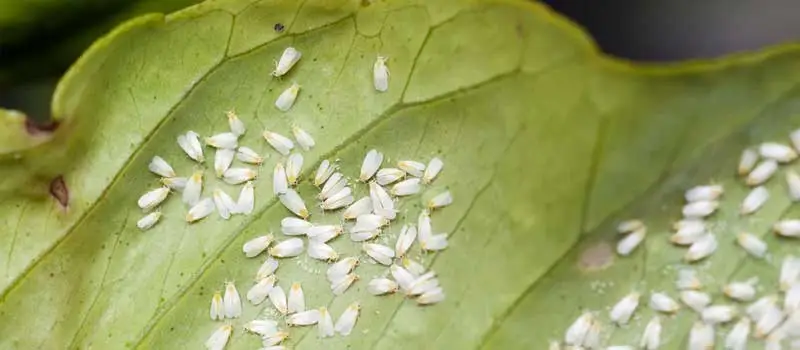
Aphids, thrips, whiteflies, caterpillars, bugs, and mosquitoes are just a few of the many pests that lambda-cyhalothrin successfully kills. This synthetic pyrethroid poison works very well against piercing-sucking mouthpart insects and other eating pests that are bad for crops and people's health. Because it works on a wide range of pests, it is an important tool for large farms, pest control businesses, and public health programs that need to find safe ways to deal with pests.
Understanding Lambda-Cyhalothrin and Its Mechanism of Action
Lambda-cyhalothrin is a complex improvement in synthetic pyrethroid technology. It gives farmers and people who work in pest management a strong tool for complete pest control. This Type II pyrethroid is made up of an exact 1:1 mixture of biologically active enantiomeric pairs. This makes sure that it works the same way on all types of pests and in all kinds of environments.
The chemical structure of this substance is based on the molecular formula C10H11ClN4, which makes it very stable and bioavailable. When applied to specific areas, the active ingredient quickly breaks through the skin of insects, starting to damage their nerves within minutes.
Neurological Disruption Mechanism
Interfering with voltage-gated sodium channels in bug nerve systems is the main way it works. When lambda-cyhalothrin comes into contact with pests, it attaches to these important nerve routes and stops nerve impulses from traveling normally. This chaos paralyzes people right away and kills them within hours of contact.
The effects on the nervous system happen in three different ways: contact toxicity happens when insects walk on treated surfaces, stomach toxicity happens when pests eat treated plant material, and internal absorption protects the plant's whole system. This three-step method guarantees complete pest elimination, no matter how they feed or where they come into contact with the product.
Temperature-Enhanced Efficacy
Researchers have found a link between the temperature of the area and how well Lambda-cyhalothrin 9.5% insecticides work. Higher temperatures speed up the biological processes that get the active ingredient into the nervous systems of pests faster, killing them more quickly. Because it reacts differently to different temperatures, the chemical works best in warm farming areas and greenhouses.
When conditions are just right, the leftover action lasts for up to 25 days, protecting against future pest infestations. This longer-lasting effectiveness means that it doesn't have to be applied as often, which lowers the costs of running industrial farms while still protecting crops effectively.
Target Pests of Lambda-Cyhalothrin in Agriculture and Public Health
Lambda-cyhalothrin is very good at getting rid of a wide range of pests, including ones that are very bad for agriculture and for public health. This makes it very useful for many business-to-business uses. Commercial farmers depend on its ability to kill insects that hurt crops economically and lower food quality and growth potential.
Agricultural Pest Control Applications
Aphids, thrips, whiteflies, and different kinds of caterpillars are the main pests that farmers want to get rid of because they hurt valuable crops like corn, soybeans, cotton, and vegetables. These piercing-sucking bugs take nutrients from plants and spread viruses that can wipe out whole fields. The compound's quick knockdown effect stops more damage and gets rid of existing pests.
Armyworms, bollworms, and cutworms are just a few of the lepidopteran larvae that are very bad for wheat and fiber crops. These insects that chew on plants directly eat plant tissues, which lowers food quality and output potential. The gut toxin part makes sure that the larvae are thrown out even if they only eat small amounts of treated plant material.
Lambda-cyhalothrin treatments work well on coleopteran pests like Colorado potato beetles, flea beetles, and weevils. Because these bugs are so tough, they often become resistant to other types of insecticides. This is why the pyrethroid cycle is so important for long-term pest control plans.
Public Health Vector Management
Mosquito species, especially Aedes and Anopheles carriers, are important public health candidates for lambda-cyhalothrin use. Malaria, dengue fever, the Zika virus, and other diseases spread by vectors that threaten people all over the world are spread by these insects.
Professional pest control companies use specially made items to get rid of pests in homes and businesses. Common home bugs like flies, ants, cockroaches, and insects that live in stored goods die quickly when treatments are used correctly.
Because the compound kills adult flying insects, it can be used to treat the areas around food processing plants, stores, and farm storage areas to keep pests out. This is important for keeping product quality high and following the rules.
Comparison of Lambda-Cyhalothrin With Other Insecticides
To choose the right pesticide chemistry, you need to carefully look at how well it works, how it affects the environment, and how to deal with tolerance. Compared to other pyrethroid chemicals and non-pyrethroid pesticide classes, lambda-cyhalothrin has unique benefits.
Pyrethroid Comparisons
Compared to permethrin and deltamethrin, lambda-cyhalothrin is better at staying stable in sunlight and staying strong in rain. This better environmental persistence means that the leftover control lasts longer, and there is less need to reapply for outdoor farming uses.
Lambda-cyhalothrin is better for cases where there are a lot of pests right away because it kills them quickly, but bifenthrin doesn't have the same long-lasting effect. The excito-repellent features of lambda-cyhalothrin also change behavior in ways that are helpful in addition to their direct effects on death.
Alternative Chemistry Considerations
Organophosphate and carbamate insecticides work in different ways than pyrethroids to help control bug resistance. But compared to synthetic pyrethroids, these substances usually have higher toxicity levels for mammals and stricter safety standards for their use.
Neonicotinoid insecticides work throughout the body and have long-lasting effects, but they are facing more and more limits from regulators in many countries. Lambda-cyhalothrin works reliably and doesn't stay in the environment for a long time, as neonicotinoid chemicals do.
The low application rates and long control periods of lambda-cyhalothrin make it a better choice for many business uses, according to the cost-performance study. Even though the initial cost of the product may be higher than some options, the lower number of times it needs to be applied and the wider range of pests it kills often lead to lower total program costs.
Application Methods and Safety Precautions for Lambda-Cyhalothrin
To be successful while having the least amount of damage on the environment, bug control programs need to use precise application methods and strict safety rules. For safe product distribution, professional applicators need to know how to handle products properly and follow regulatory rules.
Application Technique Optimization
Spray equipment that is mounted on the ground gives the best coverage for most farming tasks, and boom sprayers can evenly spread chemicals over big fields. For crops, the recommended spray amount is usually between 10 and 20 gallons per acre. Higher volumes work better in settings with a dense canopy.
Aerial uses can be more efficient for large-scale operations, but they need special formulas and drift reduction additives to keep things from moving off target. The speed of the wind, the temperature, and the humidity all have a direct effect on the success of an application and the safety of the surroundings.
Tank mixing compatibility lets you mix lambda-cyhalothrin with other pest control products, but you need to be careful with the pH because it breaks down quickly in alkaline circumstances. For best safety and effectiveness, water pH should stay between 5.0 and 7.0.
Safety Protocol Implementation
Wearing chemical-resistant gloves, long-sleeved shirts, long pants, and eye protection while handling and applying chemicals is required safety gear. When working in small areas or with strong substances, you need to wear respiratory protection.
Possible contact situations must be covered by emergency reaction plans that include washing the skin, rinsing the eyes, and getting medical advice right away. Material safety data sheets give specific instructions on how to treat exposure and who to call in case of an emergency.
Protecting the environment involves putting up safety zones around sensitive areas, limiting application times during times when pollinators are active, and properly throwing away containers. These safety measures protect useful organisms and natural resources while making sure that rules are followed.
Resistance Management Strategies
Integrated pest management programs use lambda-cyhalothrin as one part of a larger plan to get rid of pests. This plan also includes biological controls, cultural practices, and switching between different types of chemicals. This method slows down the growth of resistance while keeping the long-term effectiveness.
Monitoring bug populations for signs of resistance lets you find drops in effectiveness early, before they cause economic losses. Resistance control rules say that pyrethroid applications should only happen at certain times during the life cycles of pests, not on a calendar-based plan.
How to Procure Lambda-Cyhalothrin for B2B Use?
To make sure that the products work well and follow the rules, the process of buying farm chemicals includes carefully evaluating suppliers and following quality control rules. When buying something for a business, the buyer has to weigh the cost against the dependability, which affects the business's success.
Supplier Evaluation Criteria
Standards for manufacturer approval, such as ISO 9001 quality management and EPA register compliance, set the minimum standards for suppliers to meet. International suppliers should show that they use GLP production practices and have third-party analysts check the specs of their products.
Supply chain reliability includes having enough inventory, getting orders right, and sticking to the shipping plan. Agricultural operations depend on having products available at the right time during key application windows. For pest control programs to work, suppliers must be reliable.
In addition to providing products, technical support services like application advice, resistance management consultation, and regulation update services add a lot of value. Experienced providers help with troubleshooting and make suggestions for improvement based on the area's conditions and trends of bug activity.
Procurement Process Optimization
When you buy in bulk, you can often save money and make sure you have enough product for changing application needs. Annual contracts with changeable delivery plans allow for changing levels of pest pressure while getting good price terms.
Protocols for quality assurance for Lambda-cyhalothrin 9.5% should include checking the certificate of analysis, doing physical inspections, and having group tracking tools that let you respond quickly to any quality issues. Product registration numbers, label standards, and use limit rules are some of the documents that are needed to comply with regulations.
Logistics planning includes things like figuring out the right size containers, the right temperature for shipping, and getting storage facilities ready. To keep their safety throughout the distribution chain, lambda-cyhalothrin formulations need to be shielded from sunlight and high temperatures.
Instead of just comparing unit prices, the process of evaluating a purchase should include estimates of the total cost of ownership that take into account things like application rates, coverage needs, and the expected length of control.
Conclusion
Lambda-cyhalothrin is an important part of current pest control systems because it works well on a wide range of pests and diseases that spread to people. Its special way of working on neurons lets it knock down quickly and keep working for a long time, which makes it useful for commercial farming, pest control businesses, and public health programs. The substance is very good at killing piercing-sucking insects and other chewing pests, and it is also safe and good for the environment. This makes it an important part of integrated pest control methods. For something to work, it needs to be applied correctly, follow all safety rules, and have strategic ties with suppliers that make sure the product is always available and there is expert support.
FAQ
Q1: What specific pest groups does lambda-cyhalothrin control most effectively?
Lambda-cyhalothrin is very good at killing piercing-sucking bugs like aphids, thrips, whiteflies, and different kinds of scale bugs. It also gets rid of many eating bugs, like fly larvae, caterpillars, and beetles. The compound's broad-spectrum action makes it very useful for getting rid of bug groups that include more than one type of insect at the same time.
Q2: How does temperature affect lambda-cyhalothrin performance?
Higher temperatures make lambda-cyhalothrin more effective by speeding up the compound's movement through bug membranes and speeding up metabolic processes that spread the active ingredient throughout the nervous systems of pests. The best performance happens when the temperature is above 60°F, and the knockdown speed is much faster when the temperature is above 75°F.
Q3: What formulations are available for commercial applications?
For commercial use, there are emulsifiable concentrates (2.5% EC), wettable powders (10% WP, 15% WP), suspension concentrates (2.5% SC), and technical concentrate (97% TC) that can be mixed to make a specific mixture. Each mixture has its own benefits that make it better for different ways of applying it and different types of pests.
Q4: How long does residual control typically last?
Under ideal conditions, residual activity periods can last up to 25 days. However, the real length of time depends on temperature, rainfall, UV exposure, and surface features. When applied indoors, residue control usually lasts longer than when applied outdoors and exposed to weather.
Q5: Is lambda-cyhalothrin compatible with integrated pest management programs?
When used correctly, lambda-cyhalothrin can be used in conjunction with IPM methods due to its compatibility with biological control agents, resistance management cycles, and selective application timing. It quickly gets rid of pests, so you can start using it right away during an infestation. In between treatments, it lets helpful insect populations heal.
Q6: What safety considerations apply to commercial applications?
For commercial uses, the right personal safety tools, buffer zones around the environment, and compliance with pre-harvest intervals are needed. The substance is not very dangerous to mammals, but it needs to be handled carefully to prevent exposure. Application time limits protect pollinators and other creatures that aren't targets while keeping the pesticides effective against their targets.
Partner with Hontai for Premium Lambda-Cyhalothrin Solutions
Hontai Biotech delivers reliable lambda-cyhalothrin formulations backed by comprehensive technical support and global logistics capabilities. Our manufacturing facility in Hebei, China, produces consistent, high-quality products meeting international standards while providing flexible customization options for diverse commercial applications. As an established lambda-cyhalothrin supplier, we offer competitive pricing, dependable supply chain management, and expert consultation services that optimize your pest management programs. Our professional team provides rapid response times and technical guidance to address complex agricultural challenges across global markets. Contact admin@hontai-biotech.com to discuss your specific requirements and discover how our proven formulations can enhance your operational efficiency and pest control success.
References
1. Nauen, R. & Bretschneider, T. "New modes of action of insecticides and their selectivity toward beneficial arthropods." Progress in Plant Protection Research, Vol. 42, 2002.
2. Davies, T.G.E., Field, L.M., Usherwood, P.N.R., Williamson, M.S. "DDT, pyrethrins, pyrethroids and insect sodium channels." IUBMB Life, Vol. 59, No. 3, 2007.
3. Sparks, T.C. & Nauen, R. "IRAC: Mode of action classification and insecticide resistance management." Pesticide Biochemistry and Physiology, Vol. 121, 2015.
4. Rehman, J.U., Jilani, G., Khan, M.A., Masih, R., Kanvil, S. "Efficacy of different insecticides against sucking insect pests of cotton." Pakistan Journal of Agricultural Research, Vol. 27, No. 2, 2014.
5. Zhao, G., Rose, R.L., Hodgson, E., Roe, R.M. "Biochemical mechanisms and diagnostic microassays for pyrethroid, carbamate, and organophosphate insecticide resistance/cross-resistance in the tobacco budworm." Pesticide Biochemistry and Physiology, Vol. 56, No. 3, 1996.
6. Liu, N. & Yue, X. "Insecticide resistance and cross-resistance in the house fly (Diptera: Muscidae)." Journal of Economic Entomology, Vol. 93, No. 4, 2000.
Our customers’ satisfaction speaks for our quality — contact us to experience the same reliable service.