- English
- French
- German
- Portuguese
- Spanish
- Russian
- Japanese
- Korean
- Arabic
- Greek
- German
- Turkish
- Italian
- Danish
- Romanian
- Indonesian
- Czech
- Afrikaans
- Swedish
- Polish
- Basque
- Catalan
- Esperanto
- Hindi
- Lao
- Albanian
- Amharic
- Armenian
- Azerbaijani
- Belarusian
- Bengali
- Bosnian
- Bulgarian
- Cebuano
- Chichewa
- Corsican
- Croatian
- Dutch
- Estonian
- Filipino
- Finnish
- Frisian
- Galician
- Georgian
- Gujarati
- Haitian
- Hausa
- Hawaiian
- Hebrew
- Hmong
- Hungarian
- Icelandic
- Igbo
- Javanese
- Kannada
- Kazakh
- Khmer
- Kurdish
- Kyrgyz
- Latin
- Latvian
- Lithuanian
- Luxembou..
- Macedonian
- Malagasy
- Malay
- Malayalam
- Maltese
- Maori
- Marathi
- Mongolian
- Burmese
- Nepali
- Norwegian
- Pashto
- Persian
- Punjabi
- Serbian
- Sesotho
- Sinhala
- Slovak
- Slovenian
- Somali
- Samoan
- Scots Gaelic
- Shona
- Sindhi
- Sundanese
- Swahili
- Tajik
- Tamil
- Telugu
- Thai
- Ukrainian
- Urdu
- Uzbek
- Vietnamese
- Welsh
- Xhosa
- Yiddish
- Yoruba
- Zulu
What Crops Can Acetamiprid 20% SP Protect?
share:
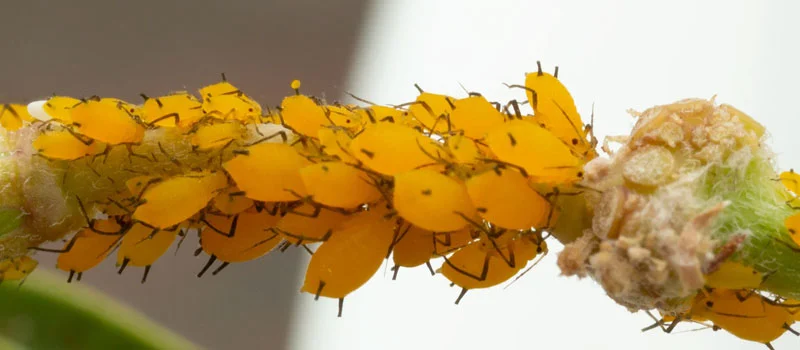
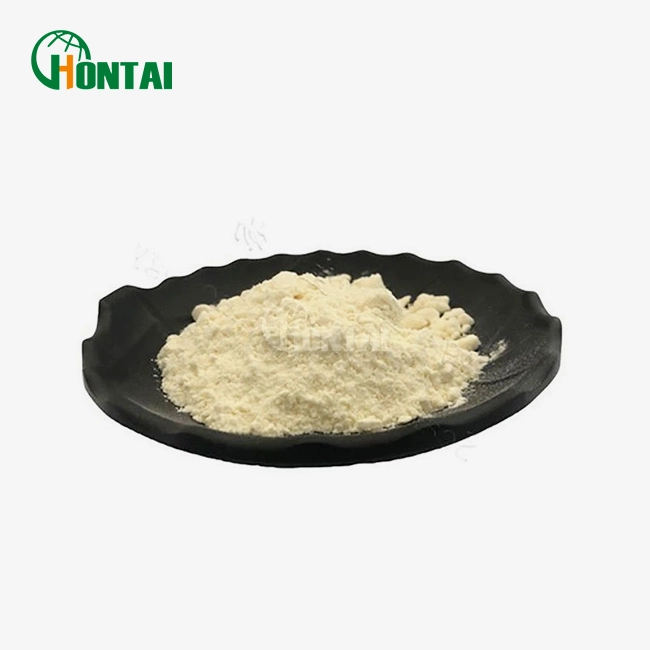
Acetamiprid 20% SP is a soluble powder kind of pesticide. Acetamiprid 20% SP is a wide-spectrum insecticide for a wide range of sap-sucking pests on a number of crops. It is a second-generation neonicotinoid from IRAC Group 4A. It is an agonist of the nicotinic acetylcholine receptor. It blocks transmission of nerve impulses in the target insect. Growers use it to protect fruit orchards and greenhouses for vegetable crops and field crops against aphids, whiteflies, leafhoppers, thrips, and the Colorado potato beetle. Applied as foliar spray or under drip irrigation at 200-400 g/ha, it provides quick knockdown and systemic residual action for 14-21 days.
Understanding Acetamiprid 20% SP and Its Mode of Action
How It Works at the Molecular Level?
How it works on the level of molecules. Acetamiprid 20% SP is scientifically known as (E)-N1-[(6-chloro-3-pyridyl)methyl]-N2-cyano-N1-methylacetamidine. It binds with extremely high affinity to insect nAChRs. It is structurally distinct from imidacloprid and kills bugs resistant to organophosphates and pyrethroids.
That is different when it is going through the leaftissue. Most contact sprays won't work on bugs feeding on the underside of leaves or within bent leaves. This chemical will go into the cuticle and kill them. This is why it is very effective against woolly apple aphids and greenhouse white flies that conceal themselves to feed.
Short-term IMI has a different activity profile toward Apis mellifera, but acetamiprid 20% SP has a more favorable profile for bee management. In 2016 EFSA evaluated Acetamiprid 20% SP and concluded that it has a different exposure profile for beekeepers when used according to the label guidelines. And treatments made at twilight when bees are not foraging provide more suitable application conditions.
Key Crops Protected by Acetamiprid 20% SP and Application Methods
Fruit Orchards: Apple, Pear, Peach, and Citrus
Acetamiprid 20% SP has been beneficial for the plants for their growth in cold and subtropical climates for a long time. It is used for the control of rose apple aphid and woolly apple aphid on apple and pear plants. Both aphid species feed on shoots and can contribute to reduced commercial fruit yields. Next are the Asian citrus psyllid and the brown citrus aphid, the primary insect vector of the citrus tristeza virus. In the Mediterranean, the rate of spraying trees was 200 g/ha. It works within 7 days in more than 85% of cases.
Greenhouse Vegetables: Tomato, Cucumber, and Eggplant
The greenhouses increase the pressure from insect pests because there are fewer natural enemies, and the whitefly and aphid species may grow fast. Even when the spraying is not uniform, acetamiprid 20% SP penetrates into the cells of plants and reaches feeding sites in dense woodlands. According to the standards for crop protection, in cucumber experiments, one treatment at 300 g/ha reduced the number of whitefly nymphs by almost 80% in 10 days.
It gives a brief description of the major crops, the pests they are supposed to kill, and the amount to be used.
- Apple and Pear Orchards—Aerial treatment at 200-300 g/ha at the first appearance of rose apple aphid, woolly apple aphid, and plum curculio. This will protect the plants for 14 to 21 days and reduce the need to re-spray and the expenditure of man labor.
- Citrus orchards—Asian citrus psyllid, brown citrus aphid, leafminer 250-400 g/ha. Systemic absorption controls the carrier insects before they can bite new plants, so the virus is less likely to be propagated.
- Tomato and cucumber: For control of silverleaf whitefly, green peach aphid, and thrips on tomato and cucumber plants in greenhouse spray 200-350 g/ha You may use this as a drip or on the leaves. Harvest 3-7 days later. Makes it simple to prepare and not worry about leftovers.
- Cotton and vegetable co-op farms Leafhoppers, jassids, and aphids 200-300 g/ha. Cotton and vegetable co-op fields Translaminar activity kills pests concealed on the underside of leaves, beyond the reach of normal covering.
- Brown planthopper in rice fields—Control using drip or powder in rice paddies. This is helpful in the early nymph stages to avoid populations reaching threshold levels before canopy closure.
The profiles center on the world’s biggest tract of industrial land where sap-feeding bugs are continually damaging companies. “By knowing what crop-pest combination is most appropriate for their firm, purchasing teams can select the appropriate formula and quantity before making a bulk order.
Comparing Acetamiprid 20% SP with Other Insecticides—Rational Choice for Buyers
Acetamiprid vs. Imidacloprid and Thiamethoxam
When people purchase neonicotinoids, they always think of Acetamiprid 20% SP, Imidacloprid, and Thiamethoxam. Each has a place in the market depending on how it performs, how it is controlled, and how much it costs.
Imidacloprid has a different toxicity profile toward bees than acetamiprid 20% SP. This is a major contrast between agricultural operations recognized under the EU and garden sites that are ideal for pollinators. Regulation 2018/783 sets specific conditions for the use of imidacloprid outdoors in several EU member states. In rare cases, Acetamiprid 20% SP may still be used on leaves.
Thiamethoxam is excellent if you are using drip chemigation since the ground absorbs it quicker. But the pollen and nectar accumulate a byproduct of thiamethoxam and clothianidin. This medicine degrades more rapidly in soil; therefore, it may remain in the environment for a shorter period of time. This is something that buying teams looking for IPM-compliant applications should really consider.
Acetamiprid 20% SP is somewhat more expensive per unit than the organophosphates previously employed; however, it is effective for 14–21 days after application and does not need as many applications, which compensates for this. That implies saving valuable fruit harvests is worth the expense.
Procurement Insights — How to Source High-Quality Acetamiprid 20% SP?
Quality Standards and Supplier Verification
Professionals use checked technical specs to decide what kind of Acetamiprid 20% SP product to buy. The active ingredient level must be within 1.2% of the stated 20% by HPLC analysis. The suspensibility level must be above 80% according to CIPAC MT 15, the wettability level must be below 60 seconds according to CIPAC MT 53, and the moisture content must be below 1.5% for solid recipes. These rules make sure that the shelves stay level all the way through the supply chain, that the nozzles don't get clogged, and that everyone gets the same amount.
Before you choose a source for Acetamiprid 20% SP, make sure they have third-party HPLC certificates of analysis, ISO-certified manufacturing paperwork, and compatibility data for EU PPP registration standards. This is because your market may need these things. You can get bulk packaging in 100 g, 500 g, 1 kg foil packs, and 25 kg drums. These sizes should work with how you send your goods out. Monthly container loads are kept on hand by sellers you can trust to make sure that bids are always filled.
Optimizing Application and Usage for Best Results
Mixing, Timing, and Resistance Management
Acetamiprid 20% SP dissolves quickly in neutral or slightly acidic water. It breaks down quickly above pH 8, which is a big problem. This means that mixing it with alkaline things like Bordeaux mixture makes it not work. You should always test the spray solution in a jar before adding anything else. The pH level should stay between 5.5 and 7.0.
Applying when nymphs are still young makes it more likely that effective pest control will be achieved. Once it has dried for 4 to 6 hours, it will stay waterproof in the rain. Since the substance works all through the system, rain that happens after it has been absorbed does not weaken the residual activity that is still there. Spray Acetamiprid 20% SP with drugs that work in a different way, like spinosad or abamectin, to keep thrips from becoming resistant. This is especially important in thrips populations that are already used to pyrethroids.
Operators should use appropriate protective equipment when they mix and apply. When you apply at dusk instead of during peak bee foraging hours, the timing is more suitable for pollinator management.
Conclusion
Citrus and apple farms, as well as tomato, cucumber, cotton, rice, and cotton grown in greenhouses, all benefit from acetamiprid 20% SP protection. It can remain active for 14–21 days, move through plant tissues, and provide a different activity profile from older neonicotinoids. These qualities make it a good choice for IPM-based projects. Checking the purity with HPLC, making sure the pH is right while mixing, and moving between different modes of action in a planned way all help to make sure that the usefulness stays the same all year long and in all climates.
FAQ
1. Can acetamiprid 20% SP be tank-mixed with the Bordeaux mixture?
Not at all. Acetamiprid 20% SP breaks down very quickly in alkaline conditions above pH 8, which makes it not work as well. Do a jar test every time you want to mix any alkaline pesticide or additive.
2. What is the pre-harvest interval for vegetable crops?
Depending on the crop and the rules in the area, the PHI lasts anywhere from 3 to 7 days. Studies on the breakdown of residues confirm the fast decline, which supports the plan for crop scheduling after treatment.
3. Is it safe to apply near beehives?
In the short term, Acetamiprid 20% SP has a different activity profile for beekeepers than Imidacloprid, but they should still stay away from treated areas when they are looking for food. Do not use when the plant is fully grown or when bees are actively looking for food. Instead, apply at dusk.
4. How does it keep thrips populations from getting stronger?
Because of the way it binds to nAChR, it is often still useful against groups that show resistance to pyrethroids and organophosphates. You can stop it from building up new resistance by spraying it with spinosad or abamectin at different times.
Partner with Hontai for Certified Acetamiprid 20% SP Supply
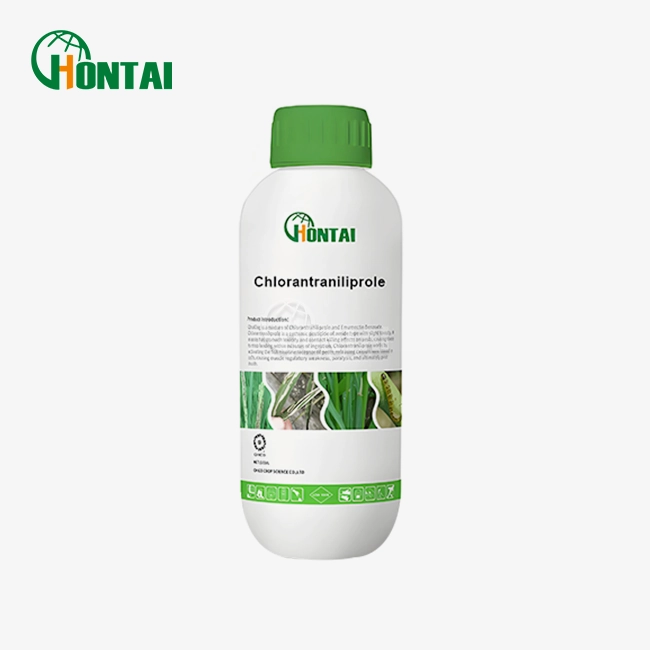
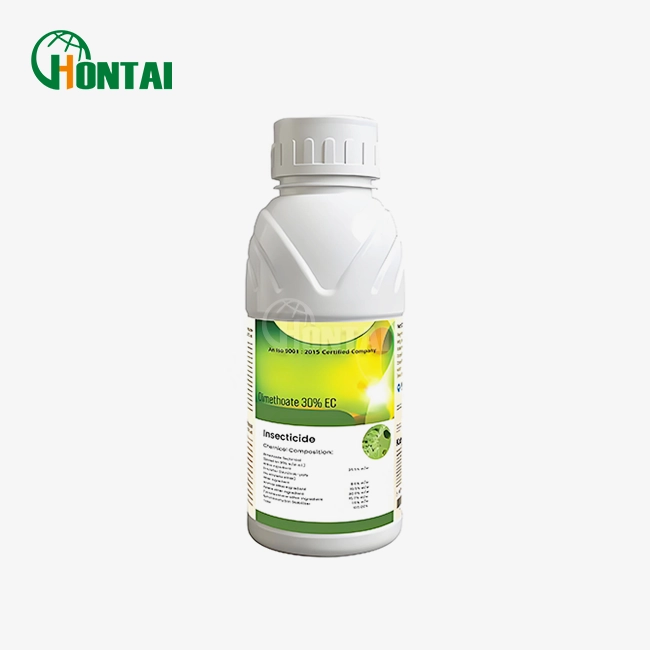
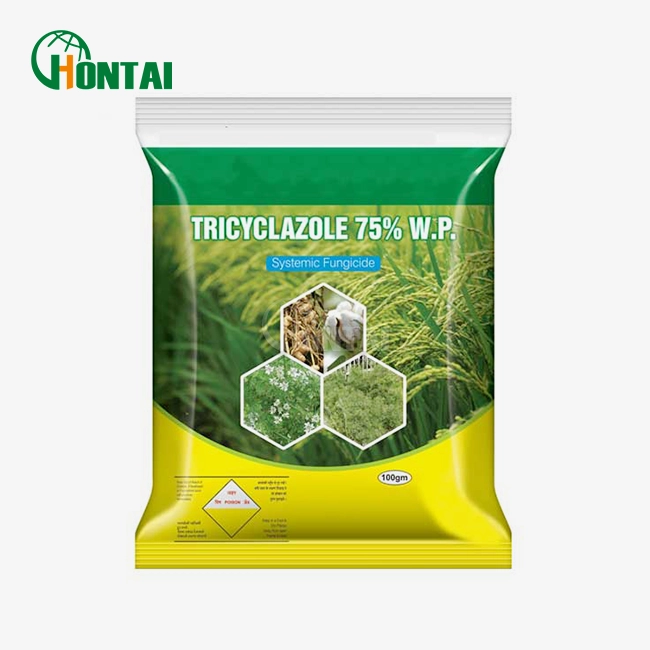
Hontai offers pure acetamiprid 20% SP that has been tested using HPLC. It comes in a variety of OEM packaging options, ranging from 100 g foil packs to 25 kg drums, and is sold by the container load every month to orchard owners and wholesalers around the world. When it comes to EU PPP dossiers, MRL advice, and making unique labels in a number of languages, our team of experts can help. Feel free to email us at admin@hontai-biotech.com right away to get a sample or bulk price.
References
1. European Food Safety Authority (EFSA). Conclusion on the peer review of the pesticide risk assessment for bees for the active substance acetamiprid. EFSA Journal, 2016.
2. Elbert, A., Haas, M., Springer, B., Thielert, W., & Nauen, R. Applied aspects of neonicotinoid uses in crop protection. Pest Management Science, 2008.
3. Nauen, R., & Denholm, I. Resistance of insect pests to neonicotinoid insecticides: current status and future prospects. Archives of Insect Biochemistry and Physiology, 2005.
4. Tomizawa, M., & Casida, J. E. Neonicotinoid insecticide toxicology: mechanisms of selective action. Annual Review of Pharmacology and Toxicology, 2005.
5. European Commission. Commission Implementing Regulation (EU) 2018/783 amending Implementing Regulation (EU) No. 540/2011 as regards the conditions of approval of the active substance imidacloprid. Official Journal of the European Union, 2018.
6. Horowitz, A. R., Kontsedalov, S., Khasdan, V., & Ishaaya, I. Biotypes B and Q of Bemisia tabaci and their relevance to neonicotinoid and pyriproxyfen resistance. Archives of Insect Biochemistry and Physiology, 2005.
Our customers’ satisfaction speaks for our quality — contact us to experience the same reliable service.