- English
- French
- German
- Portuguese
- Spanish
- Russian
- Japanese
- Korean
- Arabic
- Greek
- German
- Turkish
- Italian
- Danish
- Romanian
- Indonesian
- Czech
- Afrikaans
- Swedish
- Polish
- Basque
- Catalan
- Esperanto
- Hindi
- Lao
- Albanian
- Amharic
- Armenian
- Azerbaijani
- Belarusian
- Bengali
- Bosnian
- Bulgarian
- Cebuano
- Chichewa
- Corsican
- Croatian
- Dutch
- Estonian
- Filipino
- Finnish
- Frisian
- Galician
- Georgian
- Gujarati
- Haitian
- Hausa
- Hawaiian
- Hebrew
- Hmong
- Hungarian
- Icelandic
- Igbo
- Javanese
- Kannada
- Kazakh
- Khmer
- Kurdish
- Kyrgyz
- Latin
- Latvian
- Lithuanian
- Luxembou..
- Macedonian
- Malagasy
- Malay
- Malayalam
- Maltese
- Maori
- Marathi
- Mongolian
- Burmese
- Nepali
- Norwegian
- Pashto
- Persian
- Punjabi
- Serbian
- Sesotho
- Sinhala
- Slovak
- Slovenian
- Somali
- Samoan
- Scots Gaelic
- Shona
- Sindhi
- Sundanese
- Swahili
- Tajik
- Tamil
- Telugu
- Thai
- Ukrainian
- Urdu
- Uzbek
- Vietnamese
- Welsh
- Xhosa
- Yiddish
- Yoruba
- Zulu
Fosthiazate Nematicide: Benefits, Dosage, and Safety Guide
share:
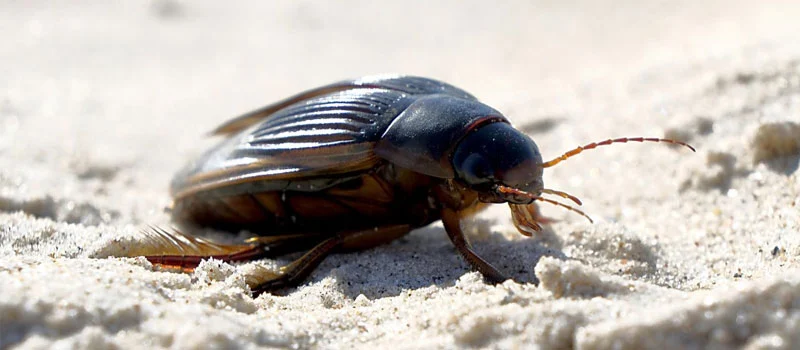
If you grow big crops and have problems with chronic nematode pressure, the fosthiazate nematicide is worth a careful look. The active element of this organophosphate suppresses root-knot nematodes (Meloidogyne spp.) by blocking acetylcholinesterase, which shuts down the transmission of nerve signals in the pest. It also inhibits soil-dwelling pests of the Thysanoptera, Lepidoptera, Coleoptera, and Diptera orders, mites, and other subterranean root feeders in addition to nematodes. The systemic action means it’s effective against insect populations that have gained resistance to traditional chemicals, a rising concern in intensive production locations globally.
Understanding Fosthiazate: Mode of Action and Crop Uses
How It Disrupts Pest Nervous Systems
Fosthiazate acts on an enzyme called acetylcholinesterase, which breaks down the neurotransmitter acetylcholine at nerve synapses. It irreversibly binds to the enzyme. This enzyme prevents nerve impulses from firing indiscriminately, which would paralyze and kill the pests it is designed to kill. As a consequence of this method, fosthiazate is in IRAC Group 1B (same group as other organophosphates). But it leaves a distinct profile since it binds to soil differently than other choices that are applied to the leaves.”
Crops and Target Pests
It is useful to add fosthiazate to the soil for potatoes, tomatoes, cucumbers, peppers, and many varieties of ornamentals. It always eradicates Meloidogyne incognita and M. javanica, which are two of the most commercially important species in the world. Research published in Pest Management Science shows that root-knot nematodes are responsible for over $100 billion in crop losses each year worldwide. This is a direct approach to protecting agricultural production by investing in effective soil nematicide initiatives.
Application Methods and Soil Persistence
There are three primary techniques to administer the liquid: soil drench (application to the root zone), granular integration (mixing into the soil during planting), and in-furrow liquid banding. Fosthiazate is somewhat persistent in soil with a half-life of 20 to 40 days depending on temperature and soil type. This is long enough to prevent seedling establishment but does not have the long-term accumulation concerns that are associated with earlier nematicide compounds like aldicarb.
Benefits and Advantages of Using Fosthiazate in Commercial Programs
One of the key questions for producers and purchasers of agricultural goods is: why should they use fosthiazate nematicide instead of programs that employ oxamyl, abamectin, or fluopyram? The solution is a combination of spectrum, systemic activity, and cost-to-performance ratio.
The key advantages of fostering are that it’s a fantastic method to acquire stuff:
- Broad pest spectrum with one active ingredient: Fosthiazate Controls nematodes and ground-level pests from Thysanoptera and Diptera, minimizing the need for several soil treatments. In big estates of more than 500 hectares, where logistics of inputs are important, this allows the management of the program.
- Resistance-breaking systemic action: Systemic activity efficacious against pest populations resistant to carbamates and pyrethroids. This Group 1B organophosphate is efficacious against pest populations resistant to carbamates and pyrethroids. Field testing has proved its reliability in situations when conventional treatments showed significant effectiveness reduction, giving it a valuable rotation option for integrated pest management (IPM) programs.
- Competitive cost-effectiveness vs branded equivalents: Generic fosthiazate technical concentrate, purchased at competitive FOB, is typically 10-15% less than equivalent multinational-branded nematicide programs, with comparable active ingredient concentration and field performance.
These perks provide business purchasers a greater return on investment (ROI) for safeguarding yield and finding the best bargain. FosterZate has a lengthy history of registrations in the EU, USA, and Asian countries, which has made it simpler for distributors and OEM brand owners to reach new markets.
Dosage Guidelines and Best Practices for Optimal Results
Recommended Application Rates by Crop
Recommended field treatment rates of fosthiazate 10% GR (granules) are 30 to 60 kg/ha, depending on soil type and nematode pressure. For liquids, rates are 5 to 10 liters per acre. Heavy clay soils hold the active ingredient longer; therefore, lower rates may be used. However, sandy soils with heavy nematode populations may need rates at the upper end.
Timing: Pre-Plant Versus At-Plant
For long-season crops like potatoes, it is better to blend it into the top 15 to 20 cm of soil before planting. For transplant vegetables such as peppers and tomatoes, at-plant banding or in-furrow treatment lets you place the active component where the roots are actively developing. Once roots have formed, do not use post-emergence treatments anymore since they are less effective, as the active ingredient has less opportunity to interact with newly born juveniles.
Storage and Handling for Bulk Buyers
Technical concentration Fosthiazate: Store in a cool, dry, well-ventilated place away from direct sunlight and water between 5°C and 35°C. Prior to shipment to tropical regions, big products should be tested for short-term stability at 54°C for 14 days (CIPAC MT 46 procedure). This will ensure the items remain in excellent condition. To ensure defective batches do not reach the end user, purchasers should always ask for a legitimate Certificate of Analysis (COA). The COA should certify the concentration of the active ingredient and the stability of the pH.
Safety Measures and Regulatory Compliance for Global Trade
Personal Protective Equipment and Worker Safety
Fosthiazate nematicide is designated as a WHO Class II toxin and should be treated in a certain manner. Users of this product should wear long-sleeved clothing, chemical-resistant gloves, and safety eyewear. In hot climates, like Africa and Southeast Asia, the risk of skin contact may be reduced by wearing sunscreen early in the morning. All personnel need to have received basic training on how to handle organophosphate poisoning before being deployed in the field.
Regulatory Status in Key Markets
Fosthiazate is registered in the EU (Regulation (EC) No. 1107/2009) and is listed on the U.S. EPA pesticide registry. CIB&RC (India) and local MRL systems are well-established routes to register this active ingredient throughout South and Southeast Asia. GMP-compliant manufacturing paperwork, MSDS, and COA package is a regular requirement for government contract purchasers. All of these should be examined before signing a supply agreement.
Environmental Considerations
Fosthiazate has a decent persistence in soil and does not leach quickly in regular agricultural soils. This is consistent with European and North American criteria for sustainable usage. It is mildly toxic to earthworms at high rates; therefore, application rates should be just what the label states to be below environmental risk criteria. For buyers striving to establish sustainable buying strategies, evaluating the environmental compliance documentation from suppliers is just as critical as assessing the quality of the items they purchase.
Procurement Guide: Sourcing Fosthiazate for B2B Buyers
Evaluating Supplier Credentials
If you are looking for a manufacturer of fosthiazate nematicide, look for those who can supply verified active ingredient purity (≥95% for technical concentrate), GMP-certified manufacturing facilities, full COA and MSDS per batch, and accelerated storage stability data for compliance in hot climates. One of the most important indicators of a supplier’s reliability for long-term supply agreements is how ready they are for a factory audit.
MOQ, Pricing, and Logistics Structure
Each regular wholesale shipment contains five to twenty metric tons of designed product and one to five tons of technical concentrate. For regular purchasers, the payment period is often T/T 30% deposit and 70% before shipping. The payment conditions for the government tender contracts is L/C at sight. With a reputable firm with stock, 15 to 30 days lead times are typical.
Building a Long-Term Supply Partnership
“Buying in bulk from one stable source reduces your risk of price changes and avoids the gaps in your registration paperwork that occur when you switch sellers in the middle of the cycle. It is normal for OEM brand owners entering new markets to request 100–500g TC samples for registration trials before committing to commercial quantities. This displays a professionally well-maintained connection with the provider.
Conclusion
Fosthiazate nematicide is still among the most helpful soil nematicides available today for commercial producers and buying experts. It’s not only an easy-to-register option, but it works on both worms and soil insects, and on resistant pest populations across the system. B2B customers are looking for a vendor that has consistent quality, transparent documentation, and dependable logistics throughout several shipment cycles.
FAQ
1. What pests does fosthiazate control beyond nematodes?
Fosthiazate also kills ground-level pests from the Thysanoptera (thrips), Lepidoptera (caterpillars), Coleoptera (beetles), and Diptera (flies). It also stops mites and other root-boring pests, so it can be used as a multi-purpose soil treatment in large-scale potato and veggie farming.
2. Can fosthiazate be tank-mixed with fungicides?
It usually works well with fungicides that have a neutral pH. It is best not to mix strongly alkaline compounds with organophosphates because the alkaline conditions will speed up the breakdown of the molecules and make the product much less effective.
3. What is the typical pre-harvest interval (PHI)?
PHI usually lasts between 21 and 30 days, but this depends on the crop and the country's MRL rules. Always check the label's local requirements before putting it on.
4. Is fosthiazate safe for tropical storage conditions?
When stored in a sealed container, properly made fosthiazate stays stable at temperatures up to 35°C. Before buying in bulk, buyers in tropical areas should ask their source for rapid stability test results (54°C/14-day CIPAC MT 46).
5. Does fosthiazate work on resistant nematode populations?
Yes. It works against pests that are resistant to carbamates and newer systemic chemicals (Group 1B). This makes it a useful rotation partner in programs for managing resistance.
Get Reliable Fosthiazate Supply from Hontai — Request Your Sample Today
Hontai is a verified provider of fosthiazate nematicides. They offer GMP-compliant production, full COA and stability data packages, and a flexible MOQ that can be set from samples to commercial amounts. Our technical team helps with OEM label programs, custom formulation development, and registration paperwork all over the world, including in Africa, Southeast Asia, Latin America, and more. We are ready to talk about your program's needs, whether you need bulk TC or a product made just for you with your own label. To get samples and prices, email us at admin@hontai-biotech.com.
References
1. Chitwood, D.J. (2003). Nematicides. Encyclopedia of Agrochemicals, Wiley-Interscience.
2. Oka, Y., Shuker, S., & Tkachi, N. (2009). Nematicidal efficacy of fosthiazate against the root-knot nematode Meloidogyne javanica. Pest Management Science, 65(10).
3. Sasser, J.N., & Freckman, D.W. (1987). A world perspective on nematology: The role of the society. Society of Nematologists, Hyattsville, MD.
4. European Food Safety Authority (EFSA). (2010). Conclusion on the peer review of the pesticide risk assessment of the active substance fosthiazate. EFSA Journal, 8(10).
5. U.S. Environmental Protection Agency (EPA). (2006). Reregistration Eligibility Decision (RED) for Fosthiazate. Office of Pesticide Programs, Washington, D.C.
6. Stirling, G.R. (2014). Biological Control of Plant-Parasitic Nematodes: Soil Ecosystem Management in Sustainable Agriculture. 2nd ed. CAB International.
Our customers’ satisfaction speaks for our quality — contact us to experience the same reliable service.