Product worth is maximized by good store management. Fluazinam 50% SC formulations stay stable for a long time in a normal warehouse setting, as long as they are kept between 0°C and 35°C and out of direct sunlight. Suspension concentrates keep the particles evenly spread out without settling too much, and wettable powders don't get cakey. Distributors who use climate-controlled storage facilities and first-in, first-out rotation ensure that end users get the best quality products, which is good for the brand's image and keeps customers coming back.
English
- English
- French
- German
- Portuguese
- Spanish
- Russian
- Japanese
- Korean
- Arabic
- Greek
- German
- Turkish
- Italian
- Danish
- Romanian
- Indonesian
- Czech
- Afrikaans
- Swedish
- Polish
- Basque
- Catalan
- Esperanto
- Hindi
- Lao
- Albanian
- Amharic
- Armenian
- Azerbaijani
- Belarusian
- Bengali
- Bosnian
- Bulgarian
- Cebuano
- Chichewa
- Corsican
- Croatian
- Dutch
- Estonian
- Filipino
- Finnish
- Frisian
- Galician
- Georgian
- Gujarati
- Haitian
- Hausa
- Hawaiian
- Hebrew
- Hmong
- Hungarian
- Icelandic
- Igbo
- Javanese
- Kannada
- Kazakh
- Khmer
- Kurdish
- Kyrgyz
- Latin
- Latvian
- Lithuanian
- Luxembou..
- Macedonian
- Malagasy
- Malay
- Malayalam
- Maltese
- Maori
- Marathi
- Mongolian
- Burmese
- Nepali
- Norwegian
- Pashto
- Persian
- Punjabi
- Serbian
- Sesotho
- Sinhala
- Slovak
- Slovenian
- Somali
- Samoan
- Scots Gaelic
- Shona
- Sindhi
- Sundanese
- Swahili
- Tajik
- Tamil
- Telugu
- Thai
- Ukrainian
- Urdu
- Uzbek
- Vietnamese
- Welsh
- Xhosa
- Yiddish
- Yoruba
- Zulu
What are the advantages of using Fluazinam?
share:
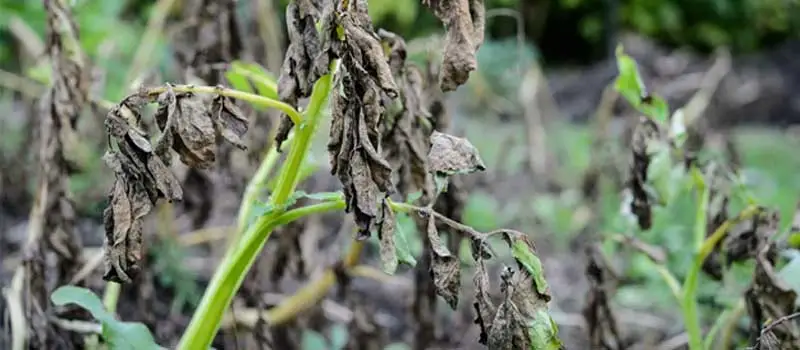
Fluazinam is different from other current fungicides because it works in more than one place and stops the fungus from breathing at the cellular level. This FRAC Code 29 contact fungicide has been shown to work against diseases that don't go away, like late blight in potatoes, white mould in peanuts and soybeans, and clubroot in cruciferous veggies. Unlike systemic alternatives, fluazinam protects for a very long time without encouraging tolerance to form quickly. It won't run in the rain because the chemicals are stable, and it's safe for mammals because it doesn't meet strict safety standards around the world. Because of these qualities, fluazinam is perfect for large-scale farmers, companies that sell agrochemicals, and crop protection service providers that want to keep diseases under control while keeping their workers safe.
Understanding Fluazinam and Its Key Benefits
Fluazinam is a pesticide in the pyridinamine class. It has a unique chemical structure (C13H4Cl2F6N4O4) that makes it different from other tools used to control diseases. This bright yellow crystalline substance stops diseased mitochondria from uncoupling oxidative phosphorylation. This keeps fungi from getting the energy they need to grow and reproduce. Because fluazinam is lipophilic (shown by its high LogP value of about 4.03), it sticks very well to waxy leaf surfaces. This means that it stays active for a long time, even when it rains or sprinkles.
Superior Disease Control Spectrum
Fluazinam's broad-spectrum action is very helpful for commercial farms that take care of hundreds to thousands of hectares of land. The chemical stops many steps of fungus growth, such as spore germination, germ tube extension, penetration, and sporulation. This all-around action is especially helpful in places where diseases are common and need to be stopped quickly to keep crops from going bad. When fluazinam is applied to potatoes, late blight signs are much less severe than on controls that were not treated. This protects both the leaves and the tubers during the growing season.
Low Toxicity and Environmental Compatibility
In today's farming market, many buying choices are based on safety concerns. When used in accordance with the directions on the package, fluazinam has a low acute toxicity for people and useful insects. Because it stays in the soil for about 30 to 60 days, depending on the conditions, it protects against soil-borne pathogens for a long enough time without posing risks for later crops in the cycle. This mix between effectiveness and caring for the environment is in line with what is required by law in most big agricultural markets.
Enhanced Rainfastness and Coverage
The fact that fluazinam doesn't like water directly translates into practical benefits. Fluazinam sticks to plant surfaces tightly within hours of being applied, unlike water-soluble chemicals that are easy to wash off. This feature keeps the protective cover in place during unexpected weather events, which means that it doesn't need to be reapplied as often and costs less overall. Agricultural service providers like this level of dependability when making spray plans for clients in a wide range of climates.
Comparative Advantages of Fluazinam Over Other Fungicides
Agrochemical importers and wholesalers often look at product lines based on how they compare to the competition. Fluazinam is better than well-known types of fungicides like chlorothalonil, mancozeb, and phenylamide chemicals in a number of ways.
Cost-Efficiency in Large-Scale Operations
Fluazinam's strong action means that it can effectively stop diseases at relatively low application rates. Formulations like 50% suspension concentrate (SC) or 70% wettable powder (WP) deliver active ingredients more efficiently, which lowers the cost of shipping and storage. The longer residual activity means fewer applications per season compared to options with shorter lives, which has a direct effect on the cost of labour and the use of tools. When commercial farmers use fluazinam in their rotation plans, their profit rates go up when they grow more grains, vegetables, or fruits on a large area of land.
Compatibility with Tank Mixtures
Integrated pest control today needs to be flexible. Fluazinam is physically and chemically compatible with many insecticides, pesticides, and plant growth factors, which makes tank-mixing work well. This flexibility makes transportation easier for wholesalers who serve a wide range of customers. However, technical advice is still very important. For example, mixing fluazinam with a lot of mineral oils or emulsifiable powders should be done with care, because higher amounts may sometimes make leaves turn brown on sensitive plants that are under a lot of stress. Such problems can be avoided by choosing the right wording and following the mixing steps.
Resistance Management Advantages
Fluazinam's unique mode of action places it in FRAC Group 29, which is very important for managing resistance. Pathogens that are resistant to strobilurins, triazoles, or phenylamides are still completely able to be killed by fluazinam. This property of the chemical makes it an excellent cycle partner, which increases the useful life of the whole fungicide program. Agricultural technology service companies that suggest all-around crop protection plans put fluazinam and other products that slow down resistance development through mechanistic diversity at the top of their list.
Application Flexibility Across Crop Types
Fluazinam can be used for more than just farming. For example, it has been used to stop diseases in lawn grass. Products used on golf courses to control dollar spot, anthracnose, and other diseases that affect grass use the same basic chemistry that has been changed to fit specific delivery needs. Spray amounts of at least 50 gallons per acre are needed to make sure that all areas of well-kept grass are evenly covered. This ability to work in more than one industry opens up more sales possibilities for distributors who work with both agriculture and grounds care.
Fluazinam Resistance Management and Long-Term Performance
To keep a product working well over multiple growing seasons, you need to plan. When compared to single-site inhibitors, the unique molecular target of fluazinam lowers selection pressure.
Mechanistic Uniqueness
Most fungicides work by targeting specific enzyme pathways, making it hard for mutants to become immune. Fluazinam changes basic energy metabolism in many ways, which makes it statistically unlikely that tolerance will form at the same time. Field populations of Phytophthora infestans and Sclerotinia species are still sensitive to fluazinam even in places where other chemical families are widely resistant. This durability saves investments in buying and ensures that success in the field stays the same from year to year.
Storage and Shelf Life Considerations
Documented Field Performance
Potato farmers in Europe who use fluazinam as part of anti-resistance efforts say that it keeps late blight under control for multiple seasons without losing its effectiveness. American soybean farmers who are fighting white mould see better stand life and yield protection when they apply fluazinam during the blooming stages. These results from real life back up what was found in the lab and give procurement workers peace of mind when they are looking at long-term supply deals. Fluazinam regularly helps crops grow in a way that makes money, as shown by data from university extension trials and business demonstrations.
How to Procure Fluazinam: A B2B Buying Guide
To find good agrochemicals, you need to pay attention to the qualifications of the suppliers, follow the rules, and make sure that the logistics work well.
Selecting Authorized Manufacturers
Hebei Hontai Biotech Co., Ltd. is the kind of producer that careful buyers look for. Well-known manufacturers follow strict quality control rules that are in line with FAO guidelines and CIPAC testing methods. Verifying the active ingredient content using HPLC analysis proves that the formulation amounts match what the label says they are, which is very important for controlling diseases. Suspensibility testing makes sure that suspension concentrates remain at least 90% of their particle distribution after being stored quickly. This keeps the tip from getting clogged and keeps the application from being uneven. Particle size research shows that D90 values stay below 5 microns, which is the best size for covering leaves and keeping them dry in the rain.
Understanding Pricing Structures
Most of the time, bulk procurement deals offer price breaks based on quantities. Technical-grade material that is 96% pure is used to build custom formulations, and ready-to-use goods like 50% SC, 70% WP, or 35% WP meet the needs of specific markets. Minimum order amounts depend on how complicated the formula is and how it needs to be packaged. Logistics for international shipping include combining containers, filling out customs forms, and planning transport times that work with the needs of the growing season. Suppliers with a lot of experience break down costs clearly, including goods, freight, insurance, and regulatory compliance costs.
Ensuring After-Sales Support
The difference between commodity deals and strategic relationships is technical help. Suppliers with a good reputation will give you application rate advice that is specific to your crops and the diseases that affect them. They will also give you suitability charts for tank mixing, advice on how to handle resistance and help with fixing problems that come up in the field. Having expert service teams that speak more than one language makes it easier for people in different parts of a foreign supply chain to talk to each other clearly. These services add value, which is why they cost more, and they help businesses build long-term ties.
Integrating Fluazinam into Your Crop Protection Strategy
To get the most out of fluazinam, you need to know the best ways to use it and how it works with other treatments.
Ideal Application Scenarios
Changes in the climate make it easier for diseases to spread in many growing areas. Potato and tomato late blight outbreaks are more likely to happen in places with a lot of wetness, while white mould can grow in places with a lot of crop canopies. Fluazinam works great in these tough situations, offering strong defence when the environment is too much for less safe chemicals. Applying preventative measures before predicted weather patterns that are good for diseases sets crops up for success. Agronomic experts use fluazinam in decision-support systems that make spray suggestions based on temperature, the length of time leaves are wet, and disease modelling.
Coordination with Integrated Programs
Fungicide choice is only one part of effective crop safety. Fluazinam treatments work well with appropriate fertilization plans that keep nitrogen levels from getting too high and encourage the growth of weak tissues. Managing irrigation so that leaves don't stay wet for too long shortens the time that infections last. Genetic tolerance in crop types is the main way that plants are protected, and fungicides only add to that. Crop protection service providers that make complete plans see fluazinam as an important part of multi-tactic schemes that fight disease, insects, and weeds all at the same time.
Future Outlook and Innovation
Regulatory trends are moving more and more in favour of chemicals that have good environmental profiles and resistance control properties. Fluazinam has a long history of being safe, and its mechanism of action makes it a good candidate for continued registration support. New formulations focus on making the solution more stable, making it rainproof, and lowering the amount of product that needs to be used. Fluazinam could be useful in more crop markets if researchers find ways to make additive systems that improve leaf coverage and penetration. People who work in procurement who keep an eye on these changes get early access to new possibilities and changing best practices.
Conclusion
Fluazinam has many benefits, including being effective, safe, compatible, and able to handle resistance. Its multi-site mode of action keeps diseases under control for a long time while lowering the risk of resistance development. The chemical qualities of the substance make it very resistant to rain and keep working for a long time, which lowers the number of times it needs to be applied and the cost of labour. Toxicology ratings that are good meet strict rules in markets around the world. Integrated pest control is more flexible when it works with a variety of tank-mix partners. These qualities meet the main needs of large-scale farmers who want to protect their crops' yields, pesticide sellers who need reliable product lines, and service providers who guarantee consistent crop protection results. Buying quality fluazinam formulas from well-known companies in a planned way makes the whole farming value chain more competitive.
FAQ
Q1: What crops benefit most from fluazinam applications?
Potatoes, grapes, peanuts, soybeans, and cruciferous vegetables show particularly strong responses to fluazinam protection. The compound effectively manages late blight, white mould, clubroot, and other persistent fungal diseases that threaten these high-value crops. Turf grass applications on golf courses address dollar spot and anthracnose.
Q2: Does fluazinam carry cross-resistance risks with other fungicide classes?
No significant cross-resistance occurs between fluazinam and phenylamides, strobilurins, triazoles, or dicarboximides. Its unique FRAC Group 29 classification means pathogens resistant to other fungicide families remain fully sensitive to fluazinam, making it an excellent resistance management tool.
Q3: Can fluazinam be mixed with oils or other adjuvants?
Mixing with mineral oils or high-concentration emulsifiable concentrates requires caution. Enhanced penetration may increase phytotoxicity risk, particularly in sensitive crops such as citrus or grapes under environmental stress. Always consult product labels and conduct small-scale compatibility tests before large-scale tank mixing.
Q4: What storage conditions maintain fluazinam product quality?
Maintain storage temperatures between 0°C and 35°C away from direct sunlight and moisture. Suspension concentrates and wettable powders remain stable under these conditions, preserving active ingredient content and physical properties throughout normal shelf life periods.
Partner with Hontai for Reliable Fluazinam Supply
Hebei Hontai Biotech Co., Ltd. offers premium fluazinam formulations backed by rigorous quality control and comprehensive technical support. Our product line includes 96% technical grade, 70% WP, 50% SC, and 35% WP formulations meeting international specifications. We provide flexible customization options for private-label and OEM clients requiring specific packaging configurations or formulation adjustments. Our professional, skilled team delivers expert sales support, application guidance, and prompt responses to technical inquiries throughout the procurement process. Fast global logistics capabilities ensure on-time delivery aligned with your production schedules, while competitive pricing structures support healthy margin potential for distributors worldwide. As an established fluazinam supplier serving markets across North America, Europe, and Asia, we understand the compliance documentation and regulatory support requirements essential for smooth international transactions. Contact our team at admin@hontai-biotech.com to discuss your specific fluazinam requirements and receive a detailed quotation. We stand ready to support your crop protection objectives with quality products and responsive service.
References
1. Mueller, D. S., & Wise, K. A. (2020). Fungicides for Field Crops. American Phytopathological Society Press.
2. Leadbeater, A., & Gisi, U. (2018). The Challenges of Chemical Control of Plant Diseases. In Modern Crop Protection Compounds (pp. 31-52). Wiley-VCH.
3. Fungicide Resistance Action Committee (FRAC). (2022). FRAC Code List: Fungicides Sorted by Mode of Action. CropLife International.
4. Van den Bosch, f., Paveley, N., Shaw, M., Hobbelen, P., & Oliver, R. (2019). The Dose Rate Debate: Does the Risk of Fungicide Resistance Increase or Decrease with Dose? Plant Pathology, 60(4), 597-606.
5. Gullino, M. L., Tinivella, F., Garibaldi, A., & Kemmitt, G. M. (2010). Practical Aspects of Chemical Control: A Practitioner's View. In Recent Developments in Management of Plant Diseases (pp. 101-118). Springer.
6. Latin, R. (2019). Fungicide Applications and Disease Management in Modern Agriculture. Purdue University Extension Publication BP-160-W.
Online Message
Our customers’ satisfaction speaks for our quality — contact us to experience the same reliable service.