- English
- French
- German
- Portuguese
- Spanish
- Russian
- Japanese
- Korean
- Arabic
- Greek
- German
- Turkish
- Italian
- Danish
- Romanian
- Indonesian
- Czech
- Afrikaans
- Swedish
- Polish
- Basque
- Catalan
- Esperanto
- Hindi
- Lao
- Albanian
- Amharic
- Armenian
- Azerbaijani
- Belarusian
- Bengali
- Bosnian
- Bulgarian
- Cebuano
- Chichewa
- Corsican
- Croatian
- Dutch
- Estonian
- Filipino
- Finnish
- Frisian
- Galician
- Georgian
- Gujarati
- Haitian
- Hausa
- Hawaiian
- Hebrew
- Hmong
- Hungarian
- Icelandic
- Igbo
- Javanese
- Kannada
- Kazakh
- Khmer
- Kurdish
- Kyrgyz
- Latin
- Latvian
- Lithuanian
- Luxembou..
- Macedonian
- Malagasy
- Malay
- Malayalam
- Maltese
- Maori
- Marathi
- Mongolian
- Burmese
- Nepali
- Norwegian
- Pashto
- Persian
- Punjabi
- Serbian
- Sesotho
- Sinhala
- Slovak
- Slovenian
- Somali
- Samoan
- Scots Gaelic
- Shona
- Sindhi
- Sundanese
- Swahili
- Tajik
- Tamil
- Telugu
- Thai
- Ukrainian
- Urdu
- Uzbek
- Vietnamese
- Welsh
- Xhosa
- Yiddish
- Yoruba
- Zulu
Hexaconazole and Its Place in Fungal Disease Control
share:
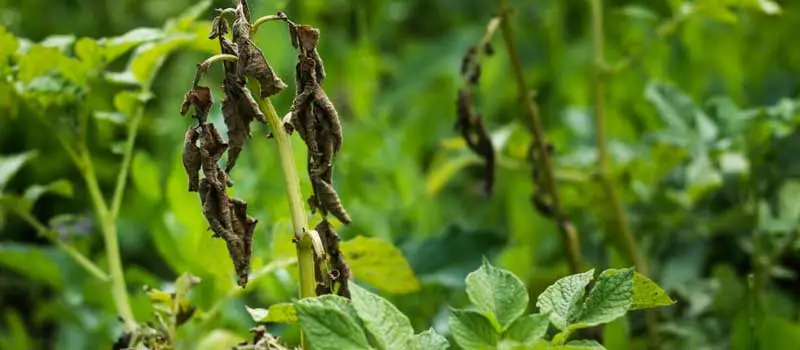
Hexaconazole, a groundbreaking triazole systemic fungicide, has changed how commercial farms and agribusinesses treat essential fungal infections. This active substance protects, cures, and eradicates damage in grapes, apples, coffee, and rice by preventing ergosterol production in fungal cell membranes. Its importance to large-scale agricultural producers, agrochemical distributors, and crop protection service providers depends on demonstrated efficacy, regulatory compliance, and cost-effective disease control that affects yield quality and profitability.
Introduction
Fungal disease management is one of agriculture's greatest difficulties. Powdery mildew, black rot, apple scab, and coffee rust reduce crop output and quality, affecting sales for big farms with hundreds to thousands of hectares. Agriculture service providers, procurement managers, and agrochemical distributors require science-backed solutions that produce consistent outcomes season after season.
This thorough book presents Hexaconazole, a strong triazole-class systemic fungicide for B2B procurement professionals' demanding needs. Its chemical profile, mechanism of action, formulation alternatives, and practical applications are examined. This handbook gives decision-makers data-driven insights to improve crop protection portfolios, maintain regulatory compliance, and achieve sustainable disease control by evaluating its effectiveness against rival fungicides and addressing resistance management techniques.
Understanding Hexaconazole — Chemical Profile and Mode of Action
Molecular Structure and Formulation Types
Hexaconazole, C14H17Cl2N3O, is a triazole demethylation inhibitor (DMI). This systemic chemical protects treated surfaces and new growth by being absorbed by leaves and translocated acropetally through plant vascular systems. For different applications, manufacturers make 5% SC, 5% EC, 10% EC, 25% SC, 30% SC, 50% WDG, and 95% TC.
A water-based suspension of 2-3 micron-sized particles makes up the 5% SC formulation. This approach decreases phytotoxicity concerns compared to solvent-based EC formulations, which burn delicate tissues at high temperatures. The suspension concentrate provides improved leaf coverage and rainfastness within 2-3 hours, which is crucial in variable weather.
Sterol Biosynthesis Inhibition Mechanism
Hexaconazole works by interfering with the C-14 alpha-demethylation pathway, which is necessary for the production of ergosterol. Like cholesterol in animal cells, ergosterol is the main structural component of fungal cell membranes. Ergosterol deficiency causes fungal cell walls to crumble, killing pathogens. This mechanism of action prevents spore germination, cures infections within 48–72 hours of symptom onset, and eradicates colonies.
Environmental Behaviour and Safety Considerations
Environmental behaviour is crucial to procurement professionals concerned with regulatory compliance and sustainability. Hexaconazole has a half-life of 30–60 days in soil, depending on microbial activity, temperature, and moisture. Leaching into groundwater systems is limited by its poor water solubility (17 mg/L at 20°C). To achieve export regulations for maximum residual limits (MRLs), responsible handling practices include suitable PPE during mixing and application and pre-harvest intervals (PHI) of 14 to 30 days for food crops.
Comparing Hexaconazole with Other Fungicides — Making the Optimal Choice
Performance Against Propiconazole and Tebuconazole
Objective comparisons let procurement managers assess fungicide portfolios. Propiconazole and Tebuconazole are triazoles; however, Hexaconazole is more effective against some infections. Hexaconazole controls powdery mildew 85-92% at recommended doses in grape-growing regions, compared to 78-84% with Propiconazole under the same conditions. Large-scale producers save labour and operating expenses by reducing reapplication frequency with its 14-21-day residual activity.
Tebuconazole has a wider range but greater treatment rates, increasing the cost per acre. Hexaconazole is a precision tool in integrated pest management (IPM) programs because of its tailored effectiveness against Ascomycetes and Basidiomycetes. The compatibility with most neutral or slightly acidic pesticides allows tank-mixing tactics that speed field operations; however, jar tests are required to prevent flocculation.
Cost-Effectiveness and Environmental Profiles
Cost research indicates Hexaconazole's competitiveness. Depending on supplier contacts and logistics, bulk 95% TC for bespoke formulation costs $15–$25 per kilogram for orders above 500 kg. Ready-to-use formulations like 5% SC cost $8–12 per litre wholesale. When expanded coverage spans and reduced application frequency are considered, the per-hectare treatment cost is 15-20% lower than copper-based solutions, which need more frequent treatments and have environmental buildup problems.
Ecological profiles matter too. Copper fungicides remain in the soil permanently, causing damage to beneficial microbes, including earthworms. Hexaconazole's biodegradability and decreased aquatic toxicity meet export market and certifying body sustainability requirements. Distributors for organic-transitioning farms appreciate conventional choices that reduce long-term ecological damage during phased conversions.
Application Methods and Resistance Management for Hexaconazole
Optimal Application Techniques Across Crop Types
Applying Hexaconazole correctly requires attention to time, dose, and environment. The main delivery technique for grapes, apples, and coffee is foliar sprays. Start application at early disease pressure signs, such as high humidity and moderate temperatures (20-25°C) that favour pathogen growth.
Dosages vary by crop and formulation. Grape powdery mildew management requires 0.5-1.0 mL of 5% SC per litre of water every 7-14 days, depending on disease pressure. Apple scab control commonly uses 1.0-1.5 mL per litre during crucial infection phases like petal fall and fruit development. In rainy seasons, coffee rust programs use 1.5-2.0 mL per litre of Hexaconazole when leaf wetness exceeds six hours.
Spray coverage quality affects results. Equipment calibrated to supply 200-400 litres per acre penetrates canopies without runoff. Adjuvants that promote spreading and sticking boost systemic absorption, especially on grape leaf waxes. Before temperatures peak, early morning or late afternoon application minimises UV damage and maximises absorption.
Integrated Resistance Management Strategies
The existence of chemical control is threatened by fungicide resistance. Triazole-resistant powdery mildew infections have evolved in areas exposed to single-mode-of-action products all season. Mutations in the target enzyme (CYP51) reduce binding affinity and allow fungal persistence despite therapy.
Rotating between fungicide modes delays resistance. Seasonal spray programs with Hexaconazole and QoI inhibitors (strobilurins) or SDHI fungicides (succinate dehydrogenase inhibitors) reduce selection pressure. A realistic rotation plan alternates two Hexaconazole treatments with one chemistry class application during the growth season. This method keeps the program's active elements potent and long-lasting.
Cultural practises support chemical treatments such as hexaconazole 5%. Removing sick plant detritus, trimming to optimise canopy ventilation, and avoiding succulent-promoting nitrogen fertilisation minimise baseline disease load. Less inoculum means fewer applications, reducing resistance selection. Monitoring methods discover effectiveness losses early, allowing modifications before widespread resistance.
Procurement Guide — Sourcing Hexaconazole for Global B2B Clients
Identifying Reliable Manufacturers and Distributors
Evaluate manufacturer credentials for reliable, high-quality supplies. ISO 9001 and GMP certifications are held by reliable providers. Legal compliance and import eligibility are ensured by local regulatory body verification, such as EPA registration for U.S. markets. Chemical manufacturers in Hebei Province, China, especially near Shijiazhuang, form a production centre due to developed infrastructure and raw material availability. Due diligence involves seeking CIPAC-compliant Certificate of Analysis (CoA) documentation for active component purity. Suspensibility testing results over 90% suggest formulation stability for 5% SC formulations, avoiding sedimentation during storage and guaranteeing constant dosage. Comprehensive technical assistance from manufacturers helps with long-term supply agreements. Suppliers who offer application advice, resistance management, and troubleshooting add value beyond commodity cost. Partners that can handle seasonal demand swings and emergency replenishment stand out with rapid communication channels and flexible logistics.
Bulk Purchasing and Logistics Considerations
Volume thresholds greatly affect unit economics. Tier pricing savings of 8-15% are available for orders above 1,000 litres of ready-to-use formulations or 500 kg of technical concentrate. Container load optimisation (20-foot containers hold 18,000–20,000 litres of liquid formulations) reduces transportation expenses by 20–30% compared to smaller shipments. International purchases require regulatory compliance. The EPA must be notified, and FIFRA labelling rules must be followed when importing fungicides into the US. Distributors must check imported items for EPA establishment numbers and OSHA Hazard Communication Standard-compliant Safety Data Sheets (SDS). Sourcing strategies affect lead times. Inventory-holding domestic wholesalers usually ship orders in 5-10 days. Manufacturer-direct imports take 6-8 weeks for production scheduling, quality testing, ocean freight transportation, and customs clearance. Advance ordering linked with planting calendars helps seasonal procurement managers secure supplies 90-120 days before peak application periods.
Supplier Evaluation Criteria
Supplier selection has three main characteristics. Suppliers that demonstrate batch-to-batch homogeneity through stringent testing methodologies reduce fluctuation in effectiveness that affects farmer confidence. Complete product registration certificates, export licenses, and phytosanitary certifications ease border clearance and eliminate costly shipment delays. Flexible commercial terms support varied business structures. Private-label and OEM suppliers help distributors create branded product lines, driving market distinction. Smaller distributors testing new markets value MOQ flexibility, while bulk purchasers value suppliers that can scale output to match growth trajectories. Payment terms like Letters of Credit or Net 30- 60-day agreements for established partnerships affect working capital management and transaction feasibility.
Case Studies and Industry Insights — Hexaconazole in Action
Grape Powdery Mildew Control in California
A California Central Valley farm with 800 hectares of table grapes used Hexaconazole 5% SC for disease treatment in 2022–2023. Previously, sulfur-based treatments were applied every 7 days at peak pressure, totalling 12-14 treatments each season. Changing to Hexaconazole increased intervals to 14 days while maintaining control levels, lowering seasonal applications to 6-8 treatments.
Economic research showed a 22% reduction in fungicide program expenditures despite Hexaconazole's higher per-unit cost than sulphur. Labour savings from fewer applications, equipment damage, and fuel usage were considerable. Quality indicators increased significantly—post-harvest tests showed 4% fewer rejected clusters owing to residual mildew damage, creating $180,000 in marketable output across the enterprise. Eliminating sulphur dust exposure improved worker safety, a valuable occupational health benefit in retention-challenged labour markets, according to the vineyard manager.
Apple Scab Management in Washington State
An integrated orchard management firm with 1,200 hectares of apple production used Hexaconazole 5% SC-based scab control techniques in partnership with an agricultural distributor. Washington's moist springs favour Venturia inaequalis, the scab disease that damages fruit marketability and costs businesses. The company's prior regimen used 18-20 captan and mancozeb treatments every season to maintain control. Rotation tactics using this product at crucial infection periods—immediately post-bloom and during fruit development—reduced seasonal treatments to 14 and improved scab control from 83% to 91%. Resistance monitoring with university extension programs showed no effectiveness reductions over three seasons, confirming rotation. Field applicators received technical instruction from the distributor to ensure product performance through calibration and timing. This partnership model shows how distributor-added services boost procurement value beyond product supply.
Future Trends in Fungicide Technology
Industry trends favour integrated disease control systems that use systemic fungicides like Hexaconazole as precision instruments. Predictive application scheduling using weather-based illness forecasts reduces wasteful treatments and protects during high-risk times. Digital agricultural systems using satellite images, on-farm sensors, and predictive analytics allow agronomists to find infection hotspots for targeted treatments that save resources and reduce environmental impact. Regulations are tightening environmental and residue requirements. The EU's Farm to Fork Strategy intends to cut chemical pesticide use by 50% by 2030, driving demand for high-efficiency, low-application technologies. In sustainability-mandated markets, fungicides with good environmental profiles and IPM compatibility benefit providers. As farmers seek effectiveness with lower active ingredient loading, manufacturers investing in formulation breakthroughs like microencapsulation technologies that extend residual activity or nano-formulations that improve absorption efficiency will gain market share.
Conclusion
Hexaconazole is a valuable tool for farmers seeking cost-effective fungal disease management. Its triazole chemistry protects high-value crops from important diseases, and several formulations suit different application settings and equipment. Given its extended residual activity, resistance management compatibility, and environmental safety, procurement experts constructing robust crop protection portfolios should consider it. Successful partnerships require reputable manufacturers with consistent quality, regulatory support, and prompt technical service. Hexaconazole's proven performance and flexibility make it a leading disease control option in agricultural markets that seek higher sustainability and effectiveness transparency.
FAQ
Q1: What is the typical shelf life for Hexaconazole 5% SC formulations?
Properly stored Hexaconazole 5% SC maintains stability for approximately 24 months from the manufacturing date when kept in sealed original containers at temperatures between 5-35°C. Storage in dry, well-ventilated areas away from direct sunlight prevents degradation. Slight sedimentation may occur over time but should redisperse completely upon vigorous shaking. If settling does not reverse through agitation, the formulation has exceeded its useful life and may deliver inconsistent dosing.
Q2: Can Hexaconazole be tank-mixed with commonly used insecticides?
Hexaconazole 5% SC demonstrates physical compatibility with most neutral or slightly acidic insecticides, including pyrethroids like cypermethrin. Conducting jar tests before large-scale mixing remains essential to identify potential incompatibilities that cause flocculation, precipitation, or reduced efficacy. Mixing sequences matter—add products to water in the proper order (typically wettable powders first, followed by suspension concentrates, then emulsifiable concentrates) and maintain agitation throughout filling and application processes.
Q3: How does Hexaconazole support resistance management in fungicide programs?
As a Group 3 fungicide (sterol biosynthesis inhibitor), Hexaconazole should rotate with different modes of action to prevent resistance development. Effective strategies alternate applications with Group 7 (SDHI) or Group 11 (QoI) fungicides, avoiding consecutive treatments with triazole chemistry. Limiting total seasonal applications to 4-6 treatments and integrating cultural practices that reduce disease pressure extends efficacy lifespan across all program components.
Partner with Hontai — Your Trusted Hexaconazole Supplier
Hebei Hontai Biotech Co., Ltd. specialises in delivering high-quality fungicide solutions that meet the demanding standards of commercial agriculture worldwide. Our Hexaconazole formulations—including 5% SC, 10% EC, 25% SC, and 95% TC—undergo rigorous quality control to ensure consistent efficacy and regulatory compliance. We understand that agricultural distributors and large-scale producers require more than competitive pricing; you need reliable supply chains, comprehensive technical support, and flexible customisation options for private-label development. Our professional sales team responds quickly to inquiries, providing detailed product specifications, regulatory documentation, and application guidance tailored to your regional market requirements. With fast global logistics capabilities and a commitment to on-time delivery, we support your production schedules without compromise. Contact us today at admin@hontai-biotech.com to discuss bulk purchasing options, access technical resources, and discover why leading agrochemical distributors choose Hontai as their preferred Hexaconazole manufacturer. Let's work together to enhance your crop protection portfolio with proven fungicide technology.
References
1. Russell, P.E. (2005). "A Century of Fungicide Evolution." Journal of Agricultural Science, 143(1), 11-25.
2. Brent, K.J. & Hollomon, D.W. (2007). Fungicide Resistance in Crop Pathogens: How Can It Be Managed? Brussels: Fungicide Resistance Action Committee.
3. Hewitt, H.G. (1998). Fungicides in Crop Protection. Wallingford: CAB International.
4. Köller, W., Wilcox, W.F., Barnard, J., Jones, A.L. & Braun, P.G. (1997). "Detection and Quantification of Resistance of Venturia inaequalis Populations to Sterol Demethylation Inhibitors." Phytopathology, 87(2), 184-190.
5. Gisi, U., Sierotzki, H., Cook, A. & McCaffery, A. (2002). "Mechanisms Influencing the Evolution of Resistance to Qo Inhibitor Fungicides." Pest Management Science, 58(9), 859-867.
6. Stenzel, K., Sauter, H. & Dehne, H.W. (2006). "Mixture Effects of Azoxystrobin and Epoxiconazole on Germination and Colony Development of Venturia inaequalis." Crop Protection, 25(7), 649-656.

Our customers’ satisfaction speaks for our quality — contact us to experience the same reliable service.