- English
- French
- German
- Portuguese
- Spanish
- Russian
- Japanese
- Korean
- Arabic
- Greek
- German
- Turkish
- Italian
- Danish
- Romanian
- Indonesian
- Czech
- Afrikaans
- Swedish
- Polish
- Basque
- Catalan
- Esperanto
- Hindi
- Lao
- Albanian
- Amharic
- Armenian
- Azerbaijani
- Belarusian
- Bengali
- Bosnian
- Bulgarian
- Cebuano
- Chichewa
- Corsican
- Croatian
- Dutch
- Estonian
- Filipino
- Finnish
- Frisian
- Galician
- Georgian
- Gujarati
- Haitian
- Hausa
- Hawaiian
- Hebrew
- Hmong
- Hungarian
- Icelandic
- Igbo
- Javanese
- Kannada
- Kazakh
- Khmer
- Kurdish
- Kyrgyz
- Latin
- Latvian
- Lithuanian
- Luxembou..
- Macedonian
- Malagasy
- Malay
- Malayalam
- Maltese
- Maori
- Marathi
- Mongolian
- Burmese
- Nepali
- Norwegian
- Pashto
- Persian
- Punjabi
- Serbian
- Sesotho
- Sinhala
- Slovak
- Slovenian
- Somali
- Samoan
- Scots Gaelic
- Shona
- Sindhi
- Sundanese
- Swahili
- Tajik
- Tamil
- Telugu
- Thai
- Ukrainian
- Urdu
- Uzbek
- Vietnamese
- Welsh
- Xhosa
- Yiddish
- Yoruba
- Zulu
Top 10 Uses of Tebuconazole Fungicide
share:
Tebuconazole stands as one of the most reliable systemic fungicides available for commercial agriculture today. This triazole-based compound effectively controls a wide range of fungal diseases across cereals, fruits, vegetables, and specialty crops. Its broad-spectrum activity against ascomycetes, basidiomycetes, and even oomycetes makes it indispensable for large-scale producers seeking consistent disease suppression. Available in formulations like suspension concentrates and seed treatments, this fungicide delivers dependable protection through foliar application, seed coating, and soil incorporation methods.
Understanding Tebuconazole: Chemical Properties and Mode of Action
What Makes Tebuconazole Effective Against Fungi
Tebuconazole works by stopping the C14-demethylase enzyme in fungus cells. This enzyme is necessary for making ergosterol. Without ergosterol, the walls of fungi cells lose their shape and fall apart. This demethylation inhibitor (DMI) works to both stop and cure infections, so growers can use it before they happen or right after they start showing signs. Because it moves through plant cells all the time, it protects new growth and hard-to-reach spots.
Its triazole structure, which is shown by the chemical formula C16H22ClN3O, makes it very stable in a wide range of weather conditions. Formulations usually have 25% to 43% of the active ingredient in the form of a solution concentrate, which looks like a milk-white liquid and dissolves easily in water. This physical shape makes it easy to mix and evens out the spray spread across a wide range of cropping systems.
Safety and Environmental Profile
Environmental studies show that it stays in the soil for a middling amount of time before breaking down over a few weeks due to bacterial activity. Its low volatility cuts down on air drift, which keeps it from moving off-target. Modern formulations are less harmful to labeled crops like rice, grapes, potatoes, veggies, and fruit trees when used at the suggested rates compared to older chemicals.
It has an acceptable risk profile for human health and the environment, as shown by regulatory approvals in major agriculture markets. Using the right personal safety equipment when handling and keeping to the pre-harvest intervals ensures that the goods that are gathered have safe residue levels. Environmental care activities, such as buffer zones next to bodies of water, make responsible use even better.
Top 10 Agricultural Uses of Tebuconazole Fungicide
This main ingredient can be used in a lot of different ways, which makes it useful in a lot of different business situations. These are the main ways that business farmers and crop experts use this chemistry to control diseases.
Wheat Disease Control: Fusarium and Septoria Management
Fusarium head rot and Septoria leaf blotch cost wheat farmers a lot of money in lost yields. Applying chemicals to the leaves during the flowering stages successfully kills these pathogens, which lowers the amount of mycotoxin poisoning in grain. Rates of application are usually between 125 and 250 grams of active ingredient per hectare, but this can change based on the level of disease and the stage of growth. Systemic action protects flag leaves and growing seeds, which has a direct effect on both yield and grain quality.
Barley and Cereal Protection
Protection against net blotch, powdery mildew, and rust diseases is also good for growing barley. Mixing contact fungicides in a tank produces action at multiple sites, which slows the development of resistance. If you time your applications for early stem elongation or flag leaf appearance, you can get the best economic results by saving important photosynthesis tissues during grain fill periods.
Soybean Rust Suppression
Asian soybean rust is a very big problem in places where it grows in wet conditions. The most reliable control comes from applying preventative measures before the sickness starts to spread. Using a yearly scheme to switch between triazole-based and strobilurin-based products keeps the effectiveness high while lowering the chance of resistance. Coverage quality is very important, and you need to use the right spray volume and tip to get to the lower layers of the canopy, which is where the first diseases happen.
Grape and Vineyard Disease Management
Vineyard managers use Tebuconazole 96%TC to protect table and wine grapes from powdery mildew and black rot. Its systemic movement safeguards new shoots and forms fruit clusters. Applications typically begin at bloom and continue until veraison (10–14 days later). Residue management protocols ensure compliance with international export standards for fresh fruit and wine.
Potato Late Blight and Early Blight Control
Tank mixes with this active ingredient and fungicides that protect plants are good for potato crops. While combination products are mostly used to kill early blight and white mildew, they also help kill late blight. Soaking the soil when planting can kill pathogens that are carried by seeds, and applying chemicals to the leaves can protect growing leaves and roots from infections that are carried by the air.
Vegetable Crop Protection
It keeps anthracnose, leaf spots, and powdery mildew away from tomatoes, cucumbers, peppers, and other valuable veggies. The low phytotoxicity rating is especially useful for greenhouse businesses that grow sensitive plants. Using a variety of fungicides on a regular basis keeps bacteria from becoming resistant in places where they reproduce more than once a season.
Rice Blast Disease Management
Magnaporthe oryzae causes rice blast, which needs heavy pesticide programs on types that are vulnerable. Seed treatments protect plants early in the season, and foliar doses stop panicle blast at crucial times of reproduction. The ability to dissolve in water makes it useful for both field and upland rice farming, giving you a choice of how to use it.
Fruit Tree Disease Control
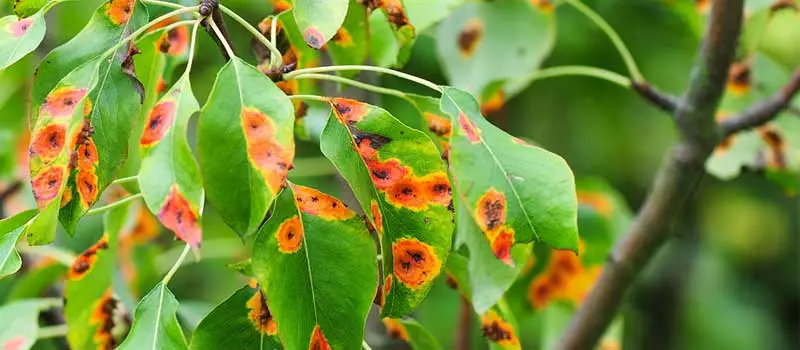
When used at the right time, apple scab, pear scab, and stone fruit brown rot are all easily controlled. Treatments for the dormant season stop overwintering inoculum, and sprays for the growth season protect flowers and fruit that are starting to form. Adding orchard cleaning techniques improves the general results of disease control.
Seed Treatment Applications
Seed coating technology sends the active ingredient straight to plants that are starting to grow, killing germs that are in the seeds or in the soil. When compared to broadcast applications, this method lowers environmental exposure while offering cost-effective disease control during sensitive startup stages. Comprehensive seed health programs are made easier when seed flow chemicals and other seed treatments work with each other.
Integrated Pest Management Programs
This chemistry is used in modern IPM methods as part of models that predict diseases and treatments based on thresholds. It can be used in integrated production systems because it doesn't harm useful insects and works well with biological pesticides. Resistance management rules say that you should limit the number of times you apply something at once and switch between different ways of working.
These various uses show why buying professionals look for dependable sources for large amounts. Consistent formulation quality and on-time delivery support crop protection plans that don't stop across large areas of farm land.
Tebuconazole Compared: Choosing the Best Fungicide Solution
Performance Against Competing Chemistries
Agrochemical buyers evaluate fungicides based on efficacy, cost, and resistance management. Azoxystrobin and tebuconazole combinations are often compared with other options in the market. Azoxystrobin is highly effective at blocking strobilurin-sensitive fungi, though resistance has developed in some populations. Propiconazole, a triazole like tebuconazole, offers certain crop safety advantages but has limitations in other areas. Mancozeb provides multi-site contact protection but lacks systemic movement, requiring more frequent applications. Trifloxystrobin works by disrupting fungal respiration but comes with higher per-acre costs.
The competitive edge comes from being able to kill a wide range of fungus types without being affected by older demethylation inhibitors. Field tests regularly show that longer-lasting chemicals don't have as much residual activity, which means that they don't have to be applied as often and cost less in work. Tank-mix flexibility lets you combine types of action that work well together, which improves the general performance of the program.
Synergistic Combinations
When you mix this triazole with strobilurin or SDHI fungicides, they work better together than when they are used alone. These mixes also lower the selection pressure on any one mode of action, which makes the product last longer. Pre-mixed formulas make it easier to get what you need and cut down on making mistakes during use. In grain production methods, disease control and crop conditioning can happen at the same time because they are compatible with plant growth regulators.
Procuring Tebuconazole: What Global B2B Clients Need to Know
Formulation Types and Technical Specifications
For commercial buyers, different formulations of azoxystrobin tebuconazole work best with different tools and crops. The most common liquid type is a suspension concentrate with an active ingredient of 250 g/L, which is easy to handle and dose accurately. Higher-concentration products at 430 g/L reduce shipping and packaging costs for large-volume users. Emulsifiable concentrates provide alternative liquid systems for specialized mixing requirements.
Technical grade material at 96% purity serves as the raw material for formulation plants, and special blending processes are of the technical grade and are 96% pure. Assays for purity, pH stable ranges, and particle size distribution for suspension goods are all part of the quality requirements. Before signing a purchase deal, buyers should make sure that it meets FAO requirements and area registration standards.
Supplier Verification and Quality Assurance
Product variability risks are kept to a minimum by buying from well-known companies with well-documented quality systems. ISO certification, GMP compliance, and third-party testing methods all show that a company is committed to making sure that its production standards are always met. Ask for batch analysis papers that show the amount of active ingredients, impurity profiles, and physical property test results. Long-term supply deals with qualified makers make sure that supplies don't run out during times of high demand.
Hebei Hontai Biotech Co., Ltd. has modern chemistry and preparation facilities at its production facilities in Shijiazhuang. To meet the needs of a wide range of customers, the company lets you change the style of the labels, the way the bottles are arranged, and the strength levels. Their expert team helps with product registration paperwork, such as toxicology studies and data from effectiveness trials.
Logistics and Documentation Requirements
For international exports, you need all the necessary paperwork, like phytosanitary certificates, Material Safety Data Sheets, and customs reports. Transporting risky things in a way that follows IMDG, ADR, and other rules is only possible if the risks are correctly classified. When it comes to ocean freight, packaging standards must be able to survive long shipping times and changes in weather.
Lead times are usually between 15 and 30 days for standard formulas, and longer for special specs that need formulation development. The minimum order quantity, which is usually 1000 liters for liquids, strikes a balance between how efficiently the product is made and how much the customer needs to stock. Volume-based price takes into account the savings of scale when buying raw materials and making things.
Best Practices and Safety Guidelines for Using Tebuconazole Fungicide
Application Techniques and Equipment
To get the best disease control, spray equipment needs to be properly calibrated, and the right types of nozzles need to be chosen. Fine to medium spray sizes work best for leaf treatments because they cover the leaves completely without running off too much. Spray amounts should meet the density of the crop cover. Depending on the growth stage and density of the leaves, spray amounts should range from 100 to 400 liters per hectare.
Seed washing equipment needs to make sure that all the seeds in a lot get the same coating. Checks for accuracy make sure that dosing rates are correct based on seed weight instead of volume. Standard chemigation tools or in-furrow applicators are used for soil incorporation methods during planting activities.
Personal Protection and Handling Procedures
Applicators must wear the right safety gear, like gloves that can handle chemicals, long arms, and eye protection, when they are mixing and filling. When working with concentrated goods, closed transfer methods lower the risk of getting them on your skin. The temperature in storage areas should stay reasonable, and they should be kept out of direct sunlight and away from food, feed, and drinkable water sources.
As part of the reaction to a spill, absorbent materials are used to limit the mess, and it is thrown away according to the local rules for toxic waste. Cross-contamination can happen when moving between crop protection items, but there are ways to keep equipment clean. Getting rid of rinsate the right way keeps water sources clean while spray equipment is being serviced.
Resistance Management Strategies
Fungicide resistance is becoming a bigger problem for many major crop pests. Using an application no more than twice in a row per season lowers the decision pressure. Changing between triazole, strobilurin, and multi-site fungicides keeps yearly plans active in a number of different ways. Diagnostic labs that keep an eye on how sensitive pathogens are can spot the development of resistance early on.
Chemical treatments are backed up by cultural practices like crop rotation, choosing hardy varieties, and managing residues. Integrated methods slow down the development of resistance while keeping disease control levels at an affordable level. Extension tools and professional service providers can help you figure out how to deal with resistance in your area.
Conclusion
Tebuconazole continues to be an essential tool for protecting crops in a wide range of farming methods today. Its broad-spectrum activity, systemic movement, and good safety profile meet the most important needs of industrial farmers and crop consultants around the world. To get the most out of this science, you need to know the right selection criteria, application methods, and resistance management principles. As sustainability and stewardship become more important in buying choices, goods that balance effectiveness with environmental responsibility gain a competitive edge. Working with dependable suppliers guarantees access to regular high-quality formulations backed by a wealth of technical resources and legal paperwork.
Frequently Asked Questions
1. Which crops benefit most from tebuconazole applications?
This fungicide works very well on cereal crops like wheat, barley, and rice to prevent major leaf and head diseases. Specialty crops like grapes, potatoes, and many types of veggies also do a good job of keeping diseases away with few phytotoxicity worries. Pathogens that cause scab and brown rot are kept away from fruit trees like apples and stone fruits. Managing rust and leaf spots is good for growing soybeans in wet places. It's useful for farmers who grow a variety of crops and pesticide wholesalers who serve a wide range of customers because it can be used on a wide range of crops.
2. How does resistance risk compare with other triazole fungicides?
All demethylation inhibitors have similar ways of being resistant, so they need to be handled carefully. Some wheat pathogens and grape powdery mildew populations have been shown to be resistant in places where selection pressure was high. Rotation with different modes of action and reducing the number of uses in a row slows down the development of resistance. There is no cross-resistance between strobilurin, SDHI, or multi-site fungicides, so tank-mix mixtures can be used to make products last longer.
3. What storage conditions maintain product stability?
Keep liquid ingredients between 5°C and 35°C in their original, covered containers, away from temperatures that are too high or too low. Do not freeze suspension concentrates because it could cause them to physically separate in a way that can't be fixed. To keep the labeled shelf life of 24 months, keep packages tightly closed so that wetness doesn't get inside. To keep from breaking down and clumping, technical-grade material needs to be kept cool and dry in packaging that keeps wetness out.
Partner with Hontai for Reliable Tebuconazole Supply
The fungicides that Hebei Hontai Biotech Co., Ltd. sells are the best and are made to work with large-scale farming operations and pesticide delivery networks. Our Tebuconazole 250g/L SC has been shown to work against major crop pests and meets world quality standards. As a well-known company that makes tebuconazole, we offer a variety of package choices, custom labeling services, and a lot of legal support materials. Our skilled scientific team answers questions about applications and formulation needs quickly. Email admin@hontai-biotech.com to talk about prices for large orders, delivery times, and technical details that are unique to your business. With global logistics, you can be sure that your deliveries will arrive on time to support your yearly production plans.
References
1. Mueller, D.S. and Wise, K.A. (2020). Fungicide Efficacy for Control of Wheat Diseases. Purdue University Extension Publication BP-160-W.
2. Latin, R. (2019). Triazole Fungicides: Mode of Action and Resistance Management in Agricultural Systems. Plant Disease Management Reports, Volume 13.
3. Thomas, A. and Scott, M. (2021). Cereal Disease Management: Integrated Approaches for Sustainable Production. CAB International Publishing.
4. International Fungicide Resistance Action Committee (FRAC). (2022). FRAC Code List: Fungicides Sorted by Mode of Action. FRAC Publications.
5. Zhang, W. and Henderson, C. (2020). Systemic Fungicides in Modern Crop Protection: Chemistry and Application Technology. Journal of Agricultural Chemistry, 68(4):145-162.
6. Phillips, D.V. (2018). Seed Treatment Fungicides: Technology and Disease Management Benefits. Seed Science and Technology Annual Review, 46:89-112.
Our customers’ satisfaction speaks for our quality — contact us to experience the same reliable service.