- English
- French
- German
- Portuguese
- Spanish
- Russian
- Japanese
- Korean
- Arabic
- Greek
- German
- Turkish
- Italian
- Danish
- Romanian
- Indonesian
- Czech
- Afrikaans
- Swedish
- Polish
- Basque
- Catalan
- Esperanto
- Hindi
- Lao
- Albanian
- Amharic
- Armenian
- Azerbaijani
- Belarusian
- Bengali
- Bosnian
- Bulgarian
- Cebuano
- Chichewa
- Corsican
- Croatian
- Dutch
- Estonian
- Filipino
- Finnish
- Frisian
- Galician
- Georgian
- Gujarati
- Haitian
- Hausa
- Hawaiian
- Hebrew
- Hmong
- Hungarian
- Icelandic
- Igbo
- Javanese
- Kannada
- Kazakh
- Khmer
- Kurdish
- Kyrgyz
- Latin
- Latvian
- Lithuanian
- Luxembou..
- Macedonian
- Malagasy
- Malay
- Malayalam
- Maltese
- Maori
- Marathi
- Mongolian
- Burmese
- Nepali
- Norwegian
- Pashto
- Persian
- Punjabi
- Serbian
- Sesotho
- Sinhala
- Slovak
- Slovenian
- Somali
- Samoan
- Scots Gaelic
- Shona
- Sindhi
- Sundanese
- Swahili
- Tajik
- Tamil
- Telugu
- Thai
- Ukrainian
- Urdu
- Uzbek
- Vietnamese
- Welsh
- Xhosa
- Yiddish
- Yoruba
- Zulu
How does Prochloraz work on rust diseases?
share:
Rust infections plague industrial food production worldwide. When rust germs enter wheat, grain, or fruit fields, quality and yield drop fast. The metabolic pathway of prochloraz prevents fungal cell membrane development, making it an excellent choice. The imidazole fungicide prevents C14-demethylation during ergosterol production. This hinders the rust bacterium's cell wall formation. Fungal cells can't exchange resources or maintain shape without full membranes, killing pathogens. This active element prevents infections and eliminates rust colonies, making it highly valuable. This affords large-scale farms several disease management choices.
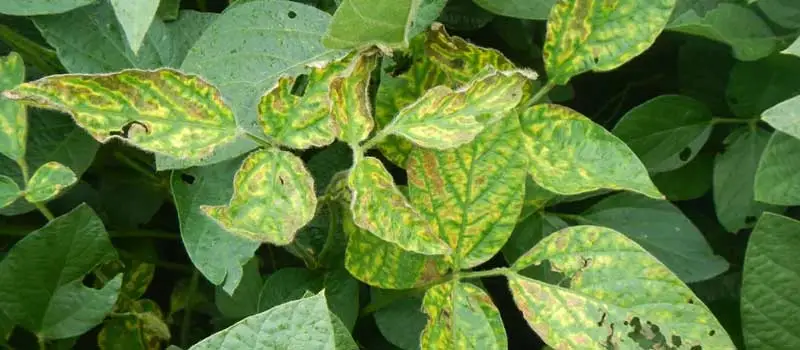
Understanding Prochloraz and Its Role in Controlling Rust Diseases
Rust infections, caused by Pucciniales obligate fungal parasites, appear as orange, yellow, or red pustules on plants. These infections steal nutrients from living plant tissues, weakening crops and reducing sales. If left unchecked, rust infections may spread swiftly in warm, moist environments, inflicting 30% losses in vulnerable crops.
Chemical Classification and Mechanism
Imidazole pesticide Prochloraz inhibits demethylation. The structure of C15H16Cl3N3O2 (CAS No. 67747-09-5) was intended to disrupt fungal biology while being safe for agricultural applications. Unlike previous fungicides, this active chemical exclusively targets one key enzyme system in fungal metabolism.
Ergosterol synthesis is crucial for all fungi. Ergosterol, like cholesterol in mammalian cells, maintains membrane structure and flexibility. This herbicide works with cytochrome P450 enzymes to remove a methyl group at the C14 position during ergosterol formation on rust-infected plants. This barrier prevents ergosterol production and allows dangerous precursors to accumulate. Because fungal cells can't grow or repair their walls, the illness stops spreading.
Formulation Options and Agricultural Versatility
We create this insecticide in many forms for various uses. Hontai's 25% EC and 45% EC (Emulsifiable Concentrate) transparent, light yellow liquids combine readily with water to form stable field spray solutions. These EC formulations employ carefully selected solvents and emulsifiers to equally distribute the active ingredient in the spray combination. This ensures equal protection for all treated leaves.
Rust pathogens enter plant cells through stomata or skin. Translaminarity allows this fungicide to reach the mycelium underneath leaf cells. This characteristic is notably useful against recognised rust infections, since surface contact may miss fungal structures underneath. Plant sellers welcome this practice since it does more than guard against harm.
Performance Comparison with Alternative Fungicides
Growers want to know how imidazole compares to other rust-prevention methods. DMI and triazole fungicides like tebuconazole operate similarly, although their chemical structure and ranges are different. Chlorothalonil, a multi-site protectant, may fight many illnesses but not rust assaults. Strobilurins prevent rust; certain rust groups are becoming resistant.
This active component works against benzimidazole-resistant rust species that are less susceptible to other fungicides. It consistently fights grain, legume, and fruit tree rusts in research tests. Because longer-lasting protectants last 14 to 21 days, depending on the environment, they need to be applied less regularly.
Optimal Application and Safety Guidelines for Prochloraz Use
Managing the rust disease well requires careful planning of when and how to apply the medicine. Years of work in the field have taught us that the most important thing that decides how well a treatment works is how well the application plans are matched to the disease pressure and crop growth stages.
Crop-Specific Application Strategies
Different crops and rusts need different treatments. Cereal grains benefit from treatment when rust infections are at their worst, from flag leaf emergence to flower bloom. Plants may require protective treatments when transplanted or just beginning to sprout leaves. These treatments should be repeated every 10–14 days during disease-prone periods.
For EC formulations such as Prochloraz 45% EC 98%, apply 0.5–1 litre per hectare, using sufficient water to thoroughly cover the canopy. Ground sprayers should provide 200–400 litres of finished spray per hectare, while aerial sprayers require smaller quantities to maintain proper droplet size and coverage. Selecting the correct nozzle is critical—medium-sized droplets achieve good coverage without drift, protecting non-target areas.
Integration with Resistance Management Programs
Increasing fungal resistance concerns all pesticides. Rust-causing pathogens multiply each season swiftly. Immune persons may proliferate if the selective pressure remains constant. Instead of employing the same fungicides, smart resistance management alters their effects.
SDHI fungicides like fluxapyroxad, QoI (strobilurin) products without resistance, and multi-site protectants perform well with it. Mixing tank types with compatible modes of action is another technique to overcome resistance, although compatibility testing should be done beforehand. Mixing with alkaline materials like the Bordeaux combination will break down the active ingredient and reduce its efficacy.
Safety Protocols and Environmental Considerations
Long-sleeved clothing, chemical-resistant gloves, and eye protection are essential for operator safety during mixing, packaging, and application. Handling the light yellow liquid carefully avoids skin contact; it is not dangerous. Commercial applicators should review Safety Data Sheets (SDS) and train workers on spill response and first aid.
Environmental destiny studies demonstrate that soil breaks down slowly, with half-lives ranging from 30 to 90 days depending on type, temperature, and microbial activity. This durability enables you to fight infections without polluting the environment. As with other agricultural chemicals, buffer zones surrounding streams protect fragile ecosystems. Monitoring harvested food residues ensures they don't exceed the US and international market authorities' MRLs.
Pre-harvest intervals (PHI) vary with crop and mix. Cereals need 35–40 days from final treatment to harvest, although residue and digestion studies suggest shorter durations for veggies. A common approach to preserving fruit is to dip it after harvest; surface residue limitations apply instead of PHI.
Managing Resistance and Ensuring Long-Term Effectiveness
Disease management that is sustainable combines the need to control diseases right away with the need to keep effective chemicals around for a long time. Over the last few decades, we've seen resistance emerge, which makes many fungicide classes less useful. To protect present tools, we need to be proactive.
Recognizing Resistance Development
Resistance frequently begins with poor field performance. Resistance may be present if the specified rates don't remove readily treatable rust instances. Pathogen isolates are grown in the lab with varied doses of fungicides to show tolerance. Individuals may gradually need bigger dosages until they have no control over their sensitivity.
Cross-resistance tendencies in the DMI fungicide class suggest that fungi resistant to one imidazole or triazole may be less susceptible to comparable drugs. This emphasises the need for non-DMI partners in rotation and mixing programs. Growers may detect resistance tendencies before they reduce control activities by monitoring rust populations via university extension services or commercial testing laboratories.
Integrated Disease Management Approaches
The technique of chemically controlling rust is not complete. Cultural techniques that reduce disease prevalence improve fungicide efficacy and avoid resistance. Crop rotation kills host plants to prevent disease transmission. This is particularly useful if rusts winter on crop leftovers or other hosts.
Genetically protected crop kinds reduce fungicide usage. A combination of minor genetic resistance and selective fungicide usage provides stronger defence than either alone. Cleaning up weeds, suppressing disease-spreading plants, and removing highly contaminated food waste helps prevent new disease cycles.
Scouting initiatives that detect infections early allow individuals to control rust populations. Late-season therapies strive to heal diseases, whereas early-season medicines manage infections better and require lower rates. Weather-based illness prediction models help physicians plan effective therapies by forecasting when individuals will become sick.
Together, these strategies maintain fungicide efficacy and crop yields. Integrating chemical and cultural methods allows large-scale producers to extend the useful life of prochloraz 45 while reducing total fungicide usage compared with chemical-only programs.
Procurement Insights: Buying Prochloraz for Global B2B Clients
To find reliable pesticide supplies, you need to carefully look at the makers, the quality of the products, and their shipping options. We know that procurement managers have to balance the need for effectiveness with the need to stay within budget, follow regulations, and make sure that the supply chain is reliable.
Supplier Qualification and Product Verification
Manufacturers with a good reputation have quality control methods that cover everything from getting the raw materials to testing the finished products. Each package should come with a Certificate of Analysis (CoA) that lists the concentration of the active ingredient, its physical qualities, and a list of any impurities that were found. Checking that goods meet FAO (Food and Agriculture Organisation) standards makes sure that they meet basic quality standards that can be used for foreign trade.
Documentation showing that you follow the rules is very important for importing and using things legally. Products that come into the United States need to be registered with the EPA or meet certain entry limits. Export-focused providers should easily be able to give information on the state of registration, toxicology reports, and residue evidence that supports use on certain crops. Hontai keeps detailed regulatory files that help products get registered in many markets. This makes the importing process easier for clients from other countries.
If goods work reliably in all seasons and places, it depends on how consistently they are made. Well-known companies spend money on quality control labs, regular production methods, and stable testing programs that check how long a product will last in different storage conditions. You can have more faith in a supplier's skills by visiting production facilities or asking for third-party quality checks.
Formulation Selection and Pricing Structures
To find reliable pesticide supplies, you need to carefully look at the makers, the quality of the products, and their shipping options. We know that procurement managers have to balance the need for effectiveness with the need to stay within budget, follow regulations, and make sure that the supply chain is reliable. Choosing between 25% EC and 45% EC formulas, you have to weigh the benefits of higher concentration against the difficulties of handling and using them. Higher concentration goods use less packing, storage, and delivery space per treated hectare, which could help big buyers save money on handling costs. Some companies may find it easier to handle and mix diluted formulations when they don't have the most advanced application tools.
When you buy in bulk through annual contracts, you usually get better prices than when you buy one item at a time, especially for businesses that know their yearly demand. Manufacturers can better plan their production and get raw materials when they commit to a certain volume. They often share these savings with customers by lowering the cost of each unit. Flexible delivery plans that work with application windows help buyers keep inventory costs as low as possible while still making sure that products are available during important treatment times.
With private marking and OEM agreements, wholesalers can get branded goods that are made to fit the needs of local markets. In competitive markets, distributors can set their products apart by customising formulas by changing concentrations, packaging forms, or additive packages. These agreements have higher minimum order amounts, but they also offer chances to place a business in a market and increase margins.
Logistics and Supply Chain Management
Shipping fungicides across international borders is a complicated process that requires careful attention to regulations, product safety, and delivery times. The liquid form of this pesticide needs to be shipped in temperature-controlled environments in harsh areas to keep it from crystallising or breaking down. Putting dangerous materials in crates that have been approved by the UN is the safest way to move them while also following international shipping rules.
Different places where goods are imported have very different customs processing processes. When you work with freight forwarders who know about agrochemical logistics, it's easier to handle paperwork, price classification, and regulatory checks. For ocean freight, the time it takes to send an order is usually between 45 and 90 days. This means that you need to plan ahead to make sure you have products before diseases spread.
Our global logistics network regularly sends goods to farming markets on all seven continents. We work with shipping partners who are experts in moving chemicals, so we can be sure that goods get to delivery centers or farms in great shape. Customers who are dealing with sudden disease outbreaks or supply problems can rely on fast global operations. If standard shipping times aren't enough, customers can choose expedited shipping choices.
Conclusion
Managing rust diseases is still important for business agriculture to protect food yields and quality. Prochloraz is a fungicide that effectively controls rust bacteria by stopping them from making ergosterol. It can also heal rust infections that have already happened. To be successful, the treatment must happen at the right time, at the right rate for the crop and the disease, and it must be a part of larger plans for managing resistance. Field performance data for grains, vegetables, and specialty crops shows that they consistently offer value for large-scale farming operations. When buying these goods, procurement teams should give priority to sellers who offer quality assurance, help with regulatory compliance, and reliable global logistics. This active ingredient helps growers protect yields and improve crop quality, which are both important for making commercial agriculture profitable. It can be used as part of integrated disease control methods.
Frequently Asked Questions
1. What crops benefit most from this fungicide for rust control?
Wheat, barley, oats, and other cereal grains are the main use crops, especially for controlling leaf rust, stripe rust, and crown rust. Bean rust and other bugs that affect legume crops, like peas and beans, can be killed with treatments. Fruit trees, like stone fruits and some tropical fruits, use this chemical to protect themselves from rust disease when they are in a vulnerable growth stage. Turf treatments treat rust diseases in cool-season plants, but this is a smaller part of the market. Different crops need different advice on when and how much to use based on the disease's life cycle and how sensitive the crop is to it.
2. Can this fungicide be tank-mixed with other crop protection products?
Mixing compatible fungicides in a tank makes the range of diseases more effective and helps with managing resistance. Triazole fungicides, SDHI products, and some multi-site protectants are all good partners. Physical compatibility testing is still needed before mixing on a large scale, because the stability of an emulsion can change depending on the water quality and the order in which it is mixed. When you mix highly alkaline materials like lime sulphur or Bordeaux blend, the chemicals will break down. It might be possible to mix with some pesticides or foliar fertilisers, but the safety needs to be checked in a jar first. Always follow the directions on the label, and if you need help making a complicated tank mix, talk to technical support.
3. How does residue management work for export markets?
Maximum Residue Limits (MRLs) are different for each crop and target country, so it's important to pay close attention to the time between applications and the rates used. The European Union and Asian countries, which are big export markets, keep their MRL files completely up to date all the time. Before applying, growers who want to sell their crops in other countries should check the current standards, since these can change based on new toxicity data and regulatory reviews. For approval, you might need proof like records of how the product was used in the field and tests of any residues that were left over before shipping. Working with sellers who keep up with changes to regulations is a good way to make sure that all of your exports are legal.
Partner with Hontai for Reliable Rust Disease Solutions
To effectively control rust diseases, you need both proven chemicals and dependable supply relationships. Hontai has a long history of producing high-quality fungicides, and our modern production facilities in Hebei, China, ensure consistent quality. Our technical team provides detailed application guidance tailored to your crops and the specific diseases affecting them, helping you achieve reliable results across diverse farming conditions.
We offer products including Prochloraz, a highly effective fungicide widely used for rust and other fungal disease management. All necessary regulatory documentation is maintained, simplifying importation and compliance for international buyers.
Bulk purchases reduce the price per unit, and our flexible operations guarantee timely delivery during critical seasonal application windows. Our professional team responds quickly to technical questions and procurement needs, whether you require standard formulas or OEM solutions customised for local markets. Hontai’s global approach combines reliable products with full after-sales support, benefiting distributors and large-scale farmers alike.
For guidance on managing rust diseases, email our sales team at admin@hontai-biotech.com. We provide complete product specifications, bulk order pricing, and technical datasheets to support informed purchasing decisions. Discover why farming operations worldwide rely on Hontai and Prochloraz to protect crop health and yield.
References
1. Mueller, D.S., et al. (2020). "Efficacy of Demethylation Inhibitor Fungicides Against Cereal Rust Diseases in the North Central United States." Plant Disease Management Reports, Volume 14, American Phytopathological Society.
2. Brent, K.J. and Hollomon, D.W. (2007). "Fungicide Resistance in Crop Pathogens: How Can It Be Managed?" Second Edition, Fungicide Resistance Action Committee, Brussels, Belgium.
3. Russell, P.E. (2005). "A Century of Fungicide Evolution." Journal of Agricultural Science, Cambridge University Press, Volume 143, Issue 1, pp. 11-25.
4. Hewitt, H.G. (1998). "Fungicides in Crop Protection." CAB International, Wallingford, United Kingdom, Chapter 7: Sterol Biosynthesis Inhibitors.
5. Schwabe, W.F.S., et al. (2015). "Integrated Management Strategies for Rust Diseases in Field Crops." Crop Protection Journal, Elsevier, Volume 67, pp. 45-58.
6. Latin, R. (2011). "A Practical Guide to Turfgrass Fungicides." American Phytopathological Society Press, St. Paul, Minnesota, pp. 89-102.
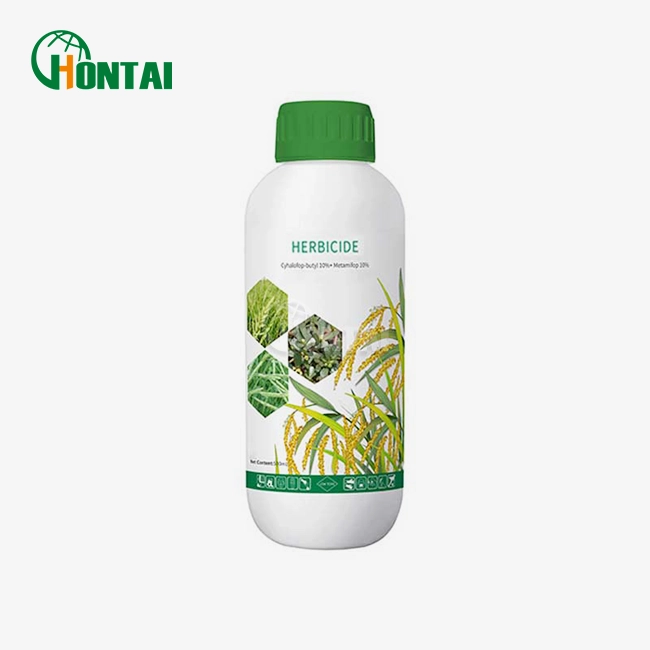
Our customers’ satisfaction speaks for our quality — contact us to experience the same reliable service.