- English
- French
- German
- Portuguese
- Spanish
- Russian
- Japanese
- Korean
- Arabic
- Greek
- German
- Turkish
- Italian
- Danish
- Romanian
- Indonesian
- Czech
- Afrikaans
- Swedish
- Polish
- Basque
- Catalan
- Esperanto
- Hindi
- Lao
- Albanian
- Amharic
- Armenian
- Azerbaijani
- Belarusian
- Bengali
- Bosnian
- Bulgarian
- Cebuano
- Chichewa
- Corsican
- Croatian
- Dutch
- Estonian
- Filipino
- Finnish
- Frisian
- Galician
- Georgian
- Gujarati
- Haitian
- Hausa
- Hawaiian
- Hebrew
- Hmong
- Hungarian
- Icelandic
- Igbo
- Javanese
- Kannada
- Kazakh
- Khmer
- Kurdish
- Kyrgyz
- Latin
- Latvian
- Lithuanian
- Luxembou..
- Macedonian
- Malagasy
- Malay
- Malayalam
- Maltese
- Maori
- Marathi
- Mongolian
- Burmese
- Nepali
- Norwegian
- Pashto
- Persian
- Punjabi
- Serbian
- Sesotho
- Sinhala
- Slovak
- Slovenian
- Somali
- Samoan
- Scots Gaelic
- Shona
- Sindhi
- Sundanese
- Swahili
- Tajik
- Tamil
- Telugu
- Thai
- Ukrainian
- Urdu
- Uzbek
- Vietnamese
- Welsh
- Xhosa
- Yiddish
- Yoruba
- Zulu
What is iprodione?
share:
Iprodione is a dicarboximide drug that works against a wide range of fungi. It stops disease-causing bacteria from making DNA and RNA and stops fungus cells from dividing. Iprodione stays on the plant's surface, unlike systemic fungicides that move through the plant. It forms a shield that stops spores from germinating and mycelium from growing. Farmers use it to control necrotrophic fungi like Botrytis cinerea, Sclerotinia sclerotiorum, Monilinia species, and Alternaria, which are organisms that kill plant tissue and feed on dead cells. When used before or soon after an illness starts, the pesticide works to both protect against and cure it.
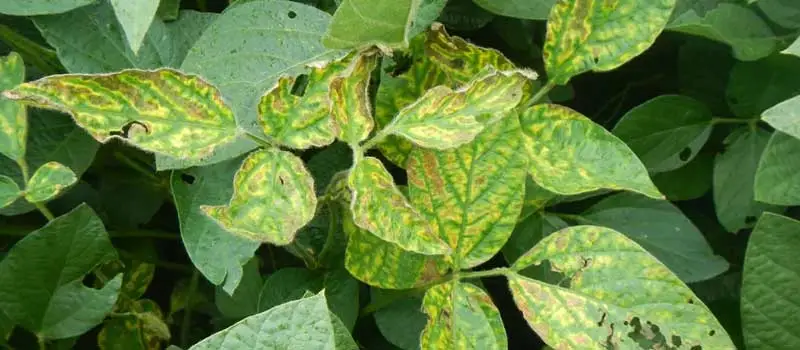
The Agricultural Problem Iprodione Solves
Fungal diseases hurt crops and lower their quality, which costs the farming business billions of dollars every year. Dark mould can ruin 30 to 50 per cent of grape crops in wet places. Sclerotinia attacks sunflowers, wheat, and lettuce, leaving behind sclerotia that stay in the ground for years. Blossom rot destroys stone fruit trees right before harvest, when the fruit is at its most valuable.
Pathogens often become resistant to single-mode fungicides, so traditional ways of control don't work very well. By the 1980s, benzimidazole fungicides were no longer working well in many places. For growers, they needed other options that worked through different biological processes. Iprodione filled this gap by having a unique way of working that is called FRAC Group 2. Because of this, it is useful for programs that deal with resistance because switching chemical groups keeps them working for a long time.
Commercial farmers are always under pressure to give flawless goods that meet buyers' needs. Post-harvest rot that happens during transport and storage costs more money. Diseases that are spread by seeds make it harder for seeds to germinate and for seedlings to grow well. Iprodione solves these problems by being applied in a number of different ways, including as a spray on the leaves, a dip before planting, a treatment after harvest, and as a seed treatment. This gives farmers a choice in how they choose to control diseases.
How Iprodione Works in Crop Protection
Figuring out how it works helps explain why iprodione works so well against some diseases. The active ingredient gets in the way of several processes in fungus cells. It stops the production of fats and phospholipids, which are important parts of the membranes of fungal cells. Fungal cells can't control osmotic pressure if their membranes don't work right, which causes the cells to break down.
Iprodione stops the formation of germ tubes that fungi use to get into plant tissue while spores are germinating. This protective effect works best before an attack or in the early stages of a disease. The pesticide can also heal infections within 24 to 48 hours by stopping the growth of lesions and stopping the production of spores that infect healthy tissue.
Each kilogram of a formula like Iprodione 50% WP (wettable powder) has 500 grams of active material. The powder makes a solution that sticks to leaf surfaces, fruit skins, and stems when mixed with water. The small particles—about 98% of them can fit through a 45-micron mesh—make sure that the material flows easily through spray equipment and covers the whole area evenly. This keeps the opening from getting clogged, which happens a lot with bad formulas.
The fungicide has a suspensibility grade of 80% or higher, which means that particles stay spread out evenly in the spray tank and don't settle, which would make the application less even. If the wettability is less than 60 seconds, you can mix it quickly without it sticking. For large-scale businesses where steady performance over hundreds of areas is key to making money, these technical specs are important.
Core Advantages for Commercial Agriculture
Iprodione has a number of useful properties for skilled growers and marketers. Because it works against a wide range of germs, you don't have to keep and use separate items for each disease. This makes it easier to keep track of supplies and schedule applications.
The residual protection lasts between 7 and 14 days, based on the weather and the number of diseases in the area. This time frame works well with most spray programs and saves money on fuel and labour compared to goods that need to be applied more often. Within two to four hours of application, rainfast qualities form, allowing for quick return to normal field activities.
Iprodione can be used with fungicides that work in different ways because it works with integrated pest control systems. Switching between dicarboximides, triazoles, and strobilurin fungicides slows down the growth of tolerance, which makes all of the goods in the program last longer.
This fungicide is safer for workers because it is less harmful to mammals than previous organophosphate and carbamate fungicides. Applicators like shorter time limits for re-entry and less strict rules about personal safety equipment (PPE), but proper handling is still very important.
The pesticide works well on many types of plants, including ornamentals, veggies, grains, oilseed rape, sunflowers, rice, grapes and stone fruits. Diversified farming operations and wholesalers that work with a lot of different crop areas like this feature.
Important Limitations and Usage Considerations
Fungicides don't always work, and it's important to know the limits of iprodione. As a contact fungicide, it needs to be spread out evenly to protect all the areas of the plant. The results are greatly affected by how the spray equipment is calibrated, how much water is used, and how it is applied. Missed spots are still open to getting infections.
Resistance management requires care. Dicarboximides, like Iprodione 96% TC 255g/L, have a moderate to high risk of resistance. Using the same fungicide more than twice consecutively increases the likelihood of resistant pathogen populations. Once resistance develops, it often persists even after the product is no longer applied. Proper crop protection involves rotating between fungicides from different FRAC groups.
Iprodione breaks down quickly in alkaline hydrolysis. If the pH of the water or tank mix partners is above 7, the active ingredient is broken down before it can reach the target surfaces. It is important to check the pH of the water and stay away from mixing it with copper-based fungicides, lime sulphur, or high-pH liquid fertilisers to avoid costly treatment failures.
Environmental factors change choices about how to use something. Iprodione is very dangerous to marine life. Non-target ecosystems are kept safe by buffer zones near bodies of water, careful spread control, and not letting waste go into streams. Some regulatory areas limit use near ecosystems that are sensitive.
Iprodione is priced in the middle range when compared to high-end SDHI or multisite fungicides. Budget-conscious businesses weigh the benefits and costs of using iprodione, saving it for key stages of growth or valuable crops where the cost of disease loss supports the spend.
Comparing Iprodione to Alternative Fungicides
A lot of growers want to know how iprodione compares to other ways to stop diseases. A multisite fungicide called chlorothalonil has great resistance control features and is cheaper, but it needs to be used more often and mostly protects against infections rather than curing them. Because it can stop infections that are already going on, iprodione is useful when the weather is uncertain.
Azoxystrobin and other strobilurin fungicides work throughout the body and have longer-lasting effects. However, Botrytis and other bacteria are often resistant to them, which makes them less useful as a single therapy. When strobilurins and iprodione are used together or alternately, both of them work better.
Another dicarboximide, fludioxonil, works in the same way as iprodione but is better at killing some bacteria. The product that growers choose is often based on cost and supply. Cross-resistance can happen within the same chemical family, so using both in a cycle might not be required.
Organic farms and integrated programs, such as biological fungicides like Bacillus subtilis strains. They lower the amount of chemicals that are needed, but manufactured fungicides are usually faster and more reliable when there are a lot of diseases. When quick control is necessary, iprodione is the drug to use.
Who Benefits Most from Using Iprodione
Iprodione is useful for protecting cash crops, veggies, fruits, and grain crops for large-scale farmers who are in charge of hundreds to thousands of hectares of land. Proven effectiveness, regular quality, and reasonable prices meet their need for dependable outcomes that don't cost too much.
Agrochemical wholesalers and importers like it that their products are in high demand across a wide range of crop types. Their business plans are supported by stable long-term supplies, legal paperwork, and a variety of packing choices. Iprodione 96% TC (technical concentrate) can be mixed in any way to make private-label goods, which opens up possibilities for making money.
Agricultural service providers and crop security experts suggest iprodione because it works the same way in all kinds of field situations. Manufacturers' technical support helps fix problems with applications and make spray programs work better. The pesticide works with a wide range of tools and tank-mix partners, which makes work easier in the field.
Iprodione is used to control Sclerotinia and Botrytis on tomatoes, cucumbers, lettuce, and brassicas by vegetable farmers in greenhouses and open fields. Post-harvest treatments on kept goods cut down on losses during marketing, which is important for crops that go bad quickly because they protect small profit margins.
Iprodione is used by people who raise grapes and stone fruits at key points in their growth, like bloom, before the bunch closes, and before harvest, when the risk of infection is highest. Because the product stops the storage rots, the quality of the food is kept high while it is being shipped long distances to export markets.
Conclusion
Iprodione remains a cornerstone fungicide for managing difficult diseases that threaten crop quality and yield. Its dual protective and curative activity, broad-spectrum performance, and compatibility with resistance management programs make it valuable for commercial agriculture. While responsible use requires attention to coverage, rotation, and environmental considerations, the fungicide continues delivering reliable results when applied correctly. Understanding its strengths and limitations helps growers and distributors make informed decisions that protect both crops and long-term disease control effectiveness.
Frequently Asked Questions
Q1: Can I tank-mix iprodione with copper fungicides or liquid fertilisers?
A: Avoid mixing iprodione with alkaline substances, including copper-based products or fertilisers that raise spray solution pH above 7. Alkaline conditions rapidly break down the active ingredient, eliminating disease control. Always check water pH and use buffering agents if needed. Conduct jar tests before mixing full spray tanks with unfamiliar products.
Q2: How do I prevent resistance development when using iprodione?
A: Limit consecutive applications to two sprays maximum per season. Rotate to fungicides from different FRAC groups, such as triazoles (Group 3) or strobilurins (Group 11) for subsequent applications. Combine iprodione with multisite fungicides like chlorothalonil when disease pressure is high. Monitor field performance closely and investigate any control failures promptly.
Q3: What spray additives improve iprodione performance?
A: Non-ionic surfactants enhance coverage on waxy leaf surfaces common in brassicas and grapes. Sticker-spreaders improve rainfast properties during wet weather. Avoid organosilicone surfactants on sensitive crops unless specifically labelled for that use. Match water volume and spray pressure to crop canopy density—dense foliage requires higher volumes for thorough penetration.
Q4: Does iprodione work for soil-borne diseases?
A: While iprodione controls some soil pathogens like Rhizoctonia and certain Fusarium species when applied as a drench or pre-planting dip, soil applications are less common than foliar sprays. Soil organic matter binds the active ingredient, reducing mobility and effectiveness. For persistent soil-borne diseases, other treatment strategies often prove more economical and reliable.
Partner with Hontai for Reliable Iprodione Supply
Sourcing dependable fungicide supply from an established iprodione manufacturer makes the difference between protecting your crops and watching diseases erase profit margins. Hebei Hontai Biotech Co., Ltd. provides consistent-quality formulations, including Iprodione 50% WP and Iprodione 96% TC, with full regulatory documentation for international markets. Our professional team responds quickly to technical questions, customises packaging to match your distribution needs, and ensures on-time delivery through efficient global logistics. Contact us at admin@hontai-biotech.com to discuss how our products support your crop protection programs.
References
1. Agricultural Fungicides: Chemistry, Diseases, and Environmental Impact. Edited by R.L. Ritter and T.M. Wolf. Society of Chemical Industry Monograph Series, 2018.
2. Fungicide Resistance Action Committee. FRAC Code List: Fungal Pathogens Resistance Risk Assessment. Published by CropLife International, 2022 Edition.
3. Pest Management Science Journal. "Mode of Action and Efficacy of Dicarboximide Fungicides in Botrytis Control." Volume 76, Issue 4, April 2020.
4. United States Environmental Protection Agency. Reregistration Eligibility Decision for Iprodione. Office of Pesticide Programs, Prevention and Toxic Substances Division, 2004.
5. Crop Protection Compendium. "Iprodione: Properties, Applications, and Resistance Management Strategies." CAB International Digital Publication, 2021.
6. The Pesticide Manual: A World Compendium, 18th Edition. Edited by C.D.S. Tomlin. British Crop Protection Council Publications, 2018.
Our customers’ satisfaction speaks for our quality — contact us to experience the same reliable service.