- English
- French
- German
- Portuguese
- Spanish
- Russian
- Japanese
- Korean
- Arabic
- Greek
- German
- Turkish
- Italian
- Danish
- Romanian
- Indonesian
- Czech
- Afrikaans
- Swedish
- Polish
- Basque
- Catalan
- Esperanto
- Hindi
- Lao
- Albanian
- Amharic
- Armenian
- Azerbaijani
- Belarusian
- Bengali
- Bosnian
- Bulgarian
- Cebuano
- Chichewa
- Corsican
- Croatian
- Dutch
- Estonian
- Filipino
- Finnish
- Frisian
- Galician
- Georgian
- Gujarati
- Haitian
- Hausa
- Hawaiian
- Hebrew
- Hmong
- Hungarian
- Icelandic
- Igbo
- Javanese
- Kannada
- Kazakh
- Khmer
- Kurdish
- Kyrgyz
- Latin
- Latvian
- Lithuanian
- Luxembou..
- Macedonian
- Malagasy
- Malay
- Malayalam
- Maltese
- Maori
- Marathi
- Mongolian
- Burmese
- Nepali
- Norwegian
- Pashto
- Persian
- Punjabi
- Serbian
- Sesotho
- Sinhala
- Slovak
- Slovenian
- Somali
- Samoan
- Scots Gaelic
- Shona
- Sindhi
- Sundanese
- Swahili
- Tajik
- Tamil
- Telugu
- Thai
- Ukrainian
- Urdu
- Uzbek
- Vietnamese
- Welsh
- Xhosa
- Yiddish
- Yoruba
- Zulu
Safety Guidelines and Best Practices for Using Chlormequat Chloride in Agriculture
share:
Choline chloride and chlormequat chloride are among the most effective ways to help plants grow in farming. You have to be very careful to follow the safety rules because it works on all kinds of plants. This all-around growth control keeps stems from getting too long and stops them from sticking. It also helps the crop work better all around. Every farmer needs to use the right tools, do the right amount of work at the right time, and follow the rules to get the most out of their work and protect themselves, their crops, and the environment. Don't forget to follow these safety rules. They will help big events go smoothly and keep the farm in good shape.
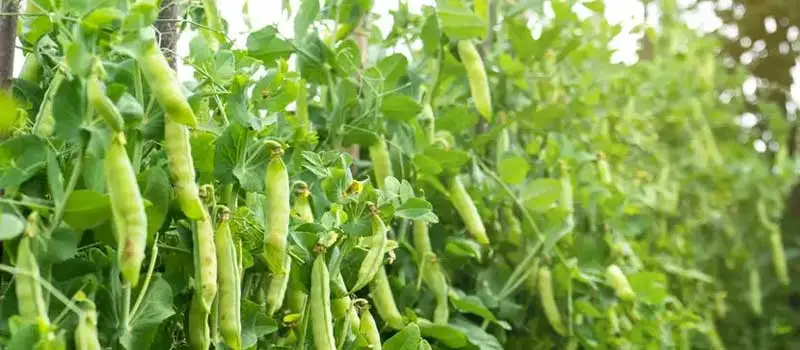
Understanding Chlormequat Chloride: Properties, Mode of Action, and Benefits
Because chlormequat chloride is made up of chemicals like C₅H₁₃Cl₂N, you can exactly control the pathways that plant hormones take. It aims to control the production of gibberellins to manage how plants grow up. This process is especially helpful for wheat fields because too much stem growth can cause lodging, which makes the yield less good and less efficient.
Chemical Properties and Mode of Action
Chlormequat chloride controls plant growth by stopping the production of gibberellic acid, which shortens internodes and makes stem structure stronger. This biological process improves root growth while keeping photosynthetic capacity. This makes plants stronger so they can handle bigger loads of grain without breaking.
Most of the market kinds have either 80% SP (soluble powder) or 500 g/L SL (soluble liquid). This means they can be used in different ways and on different crops. Because it dissolves in water, plants can use it quickly, and it doesn't stay around in the soil for long, which supports environmentally friendly farming methods.
Crop Applications and Benefits
Using chlormequat chloride is very good for wheat, rye, oats, and triticale. During important growth stages, European wheat farmers usually use 0.8 to 1.6 kg per hectare. This focused method raises lodging resistance by 60–80% and raises grain yields by better allocating nutrients and letting more light into the field cover.
Chlormequat chloride is used in ornamental plant production to help azaleas, fuchsias, begonias, poinsettias, and pelargoniums grow side branches. Flower growth gets a lot better, making plants that are more compact and desirable and have longer bloom times and better looks.
Fruit plants like pears, grapes, vines, olives, and tomatoes do better with growth regulator treatments, which means they set more fruit and have lower rates of dropping fruit too soon. Chlormequat chloride is also used in the production of cotton, veggies, tobacco, sugarcane, and mangoes to control growth in certain ways.
Safety Guidelines for Handling and Application
Protecting the operator is very important when using any plant growth regulator, including chlormequat chloride, and there must be strict safety rules during the storage, mixing, and application stages. These rules make sure that workers are healthy, that products work well, and that the earth is cared for.
Personal Protective Equipment Requirements
Long pants, long shirts, gloves that can handle chemicals, and safety glasses are all important for any job. People who work with strong chemicals or in small spaces where gases might be present need to protect their lungs.
Chemicals shouldn't be soaked up by clothes, and there should be enough airflow to keep the person cool. People don't get sick again after washing their clothes. The office is safe now.
Storage and Transport Protocols
Holding areas must be out of direct sunlight, keep the temperature between 32°F and 95°F, and stay away from food, feed, and other farming chemicals to stay safe. Labels that are still on the original packages keep the product pure and give important safety information in case of an accident.
Rules for transporting dangerous goods are followed, making sure that the right signs, paperwork, and preparation of the cars are done. Shipments should include things to clean up spills in case the packages get broken while they're being sent.
Application Safety Measures
As part of getting ready for an application, the weather is checked to make sure it doesn't get too hot (85°F) or have winds of more than 10 mph. The rate of volatilization might go up if these things happen. Around water sources, sensitive crops, and places where people live, buffer zones help animals that aren't being targeted and keep community ties strong.
Spray equipment needs to be adjusted so that exact application rates of chlormequat chloride can be reached with less waste and harm to the environment. Service should be done on tanks, pumps, and nozzles on a regular basis so that they don't break down and leak badly or put workers in danger.
Best Practices to Maximize Effectiveness and Minimize Risks
Programs that use chlormequat chloride need to be timed correctly, take place in the right location, and be closely watched while they are being carried out. In these ways, plants can respond better while being less likely to get hurt.
Optimal Application Timing
At certain points in their growth, cereal crops need to be handled. Usually, this is between when the stems start to get longer and when the flag leaves show up. In the first applications, the roots are cut off the most. In later applications, the attention is on making grains grow without hurting the plant's health.
A lot of what makes a treatment work or not work is the setting. When it's between 60°F and 75°F, there's enough water on the ground, and the winds are calm, it's the best time to give. A lot of the time, treatments done in the morning work best because plants are less likely to be hurt by bad weather around that time.
Dosage and Concentration Management
You can keep plants from getting hurt by not fixing them enough or too much as long as you do the math right. Most of the time, 0.8 kg to 1.6 kg of wheat per field is enough, but this can change based on the type, growth stage, and weather.
When you split the amount, you get less of it all at once. This makes it safer for people who get hurt easily or are stressed out. This is a better way to keep plants from growing too big while putting less stress on their systems. Pretty things that are worth a lot of money can be made this way.
Monitoring and Response Protocols
Regular field inspections after application find early signs of phytotoxicity so that steps can be taken to fix the problem before it causes major damage. Visual signs could include leaves turning too yellow, not growing as much as wanted, or growing in strange ways.
Recording the times of chlormequat chloride applications, the weather, and how the crops responded helps with future treatment choices and meeting legal requirements. This information is very helpful for making future programs better and answering any questions from customers or governmental bodies.
Procurement Insights: Purchasing, Compliance, and Supplier Selection
To properly find chlormequat chloride, you should carefully think about the skills of the seller, how well they follow the rules, and whether you can work with them for a long time. When B2B buyers look for something, price is important, but they also need to make sure the quality is good and the supply line works.
Supplier Evaluation Criteria
Suppliers with a good reputation keep full quality management systems and give each product lot an analysis certificate and a safety data sheet. Good Manufacturing Practices (GMP) clearance and governmental approval in target markets should be part of the manufacturing skills.
Technical support services set better providers apart by providing application advice, technical help, and support for regulatory compliance. These services that add value lower the risks of buying things and improve how well they work in a variety of farming settings.
Regulatory Compliance Considerations
This is called a safety data sheet (SDS). It tells you how to handle, store, and act in an emergency. Making sure the license is still valid is a good way to make sure the product can be used correctly in certain areas and places. This keeps you from breaking the law, which could cost you a lot of money.
Different countries have different rules about what kind of knowledge is needed to bring things into their country. Parts of these rules that are used often are certificates of analysis, phytosanitary certificates, and customs records. It takes less time and work for people from other countries to buy when people who have sold things before do these steps faster.
Quality Assurance and Testing
Specifications for a product should ensure a certain amount of active ingredients, usually 80% for soluble powders or 500 g/L for mixes of liquids. Tests done by outside groups back up these claims and also look for possible contaminants that could hurt performance or safety.
The results of stability tests for chlormequat chloride show how long something should be stored and what the best storing conditions are for keeping the quality of the product throughout the supply chain. This knowledge helps warehouse managers make choices and cuts down on waste caused by products going bad.
Conclusion
Proper implementation of safety guidelines and best practices for chlormequat chloride applications protects agricultural workers, optimizes crop performance, and ensures regulatory compliance across diverse production systems. Understanding the chemical's mode of action, appropriate application timing, and essential safety protocols enables confident use while maximizing agricultural benefits. Strategic procurement decisions based on supplier reliability, product quality, and comprehensive support services create sustainable partnerships that support long-term agricultural success. These practices collectively contribute to responsible agricultural intensification while maintaining environmental stewardship and worker safety standards.
FAQ
1. What safety measures are paramount when handling chlormequat chloride?
Essential safety measures include wearing chemical-resistant gloves, protective clothing, and eye protection during all handling operations. Proper storage in cool, dry locations away from food and feed prevents contamination. Application should occur during calm weather conditions to minimize drift and operator exposure.
2. How does chlormequat chloride compare with other plant growth regulators?
Chlormequat chloride offers excellent crop safety margins compared to paclobutrazol or mepiquat chloride, with shorter persistence in plant tissues and soil systems. Its water solubility provides rapid uptake and predictable responses, making it suitable for precise growth management in diverse crops and environmental conditions.
3. What considerations are important for bulk purchasing decisions?
Verify supplier certifications, analytical certificates, and regulatory compliance documentation before committing to large orders. Evaluate storage capabilities, shelf life, and seasonal demand patterns to optimize inventory management. Long-term supply agreements with reputable manufacturers ensure consistent quality and pricing stability.
Partner with Hontai for Premium Chlormequat Chloride Solutions
Agricultural professionals seeking reliable chlormequat chloride supplier partnerships can benefit from Hontai's comprehensive product portfolio and technical expertise. Our experienced team provides customized application recommendations, regulatory compliance support, and competitive pricing for bulk procurement requirements. Contact us at admin@hontai-biotech.com to discuss your specific needs and discover how our high-quality formulations can enhance your agricultural operations while maintaining the highest safety standards.
References
1. Agricultural Growth Regulators: Principles and Applications in Modern Crop Production Systems, Journal of Agricultural Science, 2023.
2. Safety Guidelines for Plant Growth Regulator Applications in Commercial Agriculture, International Pesticide Safety Manual, 2023.
3. Chlormequat Chloride: Mode of Action and Best Management Practices for Cereal Crop Production, Crop Protection Research Quarterly, 2022.
4. Regulatory Compliance and Safety Protocols for Agricultural Chemical Applications, Agricultural Safety Standards Review, 2023.
5. Plant Growth Regulation in Modern Agriculture: Efficacy, Safety, and Environmental Considerations, Sustainable Agriculture Practices Journal, 2023.
6. Commercial Procurement Strategies for Agricultural Input Supply Chain Management, B2B Agricultural Market Analysis, 2022.
Our customers’ satisfaction speaks for our quality — contact us to experience the same reliable service.