- English
- French
- German
- Portuguese
- Spanish
- Russian
- Japanese
- Korean
- Arabic
- Greek
- German
- Turkish
- Italian
- Danish
- Romanian
- Indonesian
- Czech
- Afrikaans
- Swedish
- Polish
- Basque
- Catalan
- Esperanto
- Hindi
- Lao
- Albanian
- Amharic
- Armenian
- Azerbaijani
- Belarusian
- Bengali
- Bosnian
- Bulgarian
- Cebuano
- Chichewa
- Corsican
- Croatian
- Dutch
- Estonian
- Filipino
- Finnish
- Frisian
- Galician
- Georgian
- Gujarati
- Haitian
- Hausa
- Hawaiian
- Hebrew
- Hmong
- Hungarian
- Icelandic
- Igbo
- Javanese
- Kannada
- Kazakh
- Khmer
- Kurdish
- Kyrgyz
- Latin
- Latvian
- Lithuanian
- Luxembou..
- Macedonian
- Malagasy
- Malay
- Malayalam
- Maltese
- Maori
- Marathi
- Mongolian
- Burmese
- Nepali
- Norwegian
- Pashto
- Persian
- Punjabi
- Serbian
- Sesotho
- Sinhala
- Slovak
- Slovenian
- Somali
- Samoan
- Scots Gaelic
- Shona
- Sindhi
- Sundanese
- Swahili
- Tajik
- Tamil
- Telugu
- Thai
- Ukrainian
- Urdu
- Uzbek
- Vietnamese
- Welsh
- Xhosa
- Yiddish
- Yoruba
- Zulu
Best Fly Killer Powder for Farms and Commercial Use: Effective Solutions for Large-Scale Fly Control
share:
It is very important to choose the right fly killer powder for farms and businesses that have continuous fly outbreaks in order to keep up output and health standards. Powders made for professional bug control kill specific types of flies and provide long-lasting defense over big areas. When regular sprays don't work well in places like animal facilities, food processing plants, and farm storage areas, these special mixtures offer cheap alternatives. Our in-depth guide looks at tried-and-true powder-based pest control methods that are tailored to the needs of large businesses that need reliable, long-lasting fly control methods.
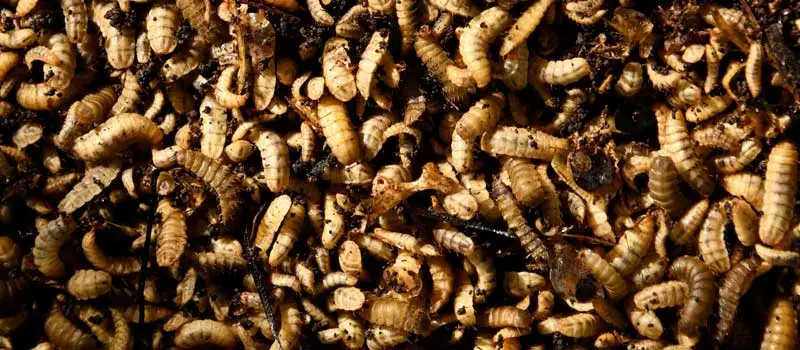
Understanding Fly Killer Powder: Composition, Safety, and Mechanism
Modern insecticidal powders are a clever way to get rid of flies. They use carefully balanced active ingredients that attack specific physiological processes in flying insects. The mixtures usually have chemicals in them that mess up the way the nervous system works or important biochemical processes, which causes quick knockdown and long-term death rates.
Active Ingredient Categories and Their Effects
Professional fly control powders use different types of active ingredients, and each type works in a different way. Organophosphate chemicals mess with acetylcholinesterase enzymes, which makes insects paralyzed and kills them. Formulations based on pyrethroids hit sodium channels in nerve membranes, which causes overexcitation and, in the end, death. Naturally occurring plant products, like pyrethrin derivatives, are better for the environment and still get rid of pests effectively.
Compared to liquid options, the powder delivery method does a better job of spreading the active ingredients. Small particles make sure that treatment areas are completely covered, and special carriers help the particles stick to surfaces and keep working for longer. When focused chemistry is combined with improved physical qualities, it leads to better performance in tough farming settings.
Safety Protocols and Environmental Considerations
When choosing and using fly control solutions in business settings, safety is still the most important thing. Products made for farming are put through a lot of tests to make sure that animals, farm workers, and helpful bugs are not exposed to more than what is safe. When applied correctly, drift is kept to a minimum and treatments stay in the target areas.
As a responsible citizen of the world, you should choose formulas that break down easily and have little effect on species that aren't the goal. Many modern powders are made with stabilizers that keep them working in different weather situations and safely break down in water and dirt. These traits support long-lasting methods of pest control that are necessary for long-term business growth.
Comparing Fly Killer Powder with Other Fly Control Solutions
People who work in farm pest control often look at different ways, such as Fly Killer Powder, to get rid of pests to see which ones work best for their needs. Each way has its own pros and cons that depend on the target species, outside factors, and the limits of the application.
Powder vs. Spray Applications
Powder formulas have better leftover activity than most liquid spray uses. It's especially important to remember this outside, where weather and humidity can make the treatment less effective. Particles of powder are made in a way that keeps small amounts of active ingredients inside. These ingredients are slowly released over years or months. This means that doses that work last for weeks instead of days.
Spray treatments work best when you need to knock something down right away or when you need to fix tall surfaces that are hard for powder to stick to. However, powder solutions are often more cost-effective for large-scale operations because they don't need to be reapplied as often and don't worry about spray spread. When the right tools and methods are used, wind conditions that make spray uses harder don't have much of an effect on powder solutions.
Integrated Approach Benefits
When you combine powder treatments with control methods that work well together, you get results that are stronger than either method alone. Bait stations and scent traps are used to keep an eye on things and help lower the population as a whole. Physical exclusion and sanitation practices cut down on breeding grounds and immigrants, which makes chemical treatments more effective.
Instead of depending on a single method, this approach to integrated pest management knows that long-term fly control needs a number of strategies working together. Powder treatments are the basis of residue protection, but there are other ways that can be used to deal with specific problems or give early warning of changes in the population that mean changes need to be made to the intervention.
Choosing the Right Fly Killer Powder for Farms and Commercial Use
To choose the right fly control products, you need to carefully look at the facility's working factors, weather conditions, and regulation needs. Buying things has an effect on both how well controls work right away and how long a program can last.
Performance Evaluation Criteria
To choose the right fly control powder, you must first understand how the target species acts and breeds in the specific working setting. House flies, stable flies, and blow flies all like different types of habitats and have different patterns of resistance that affect how products are chosen. Multi-species mixtures offer broad-spectrum control, but they might not be as good at killing certain troublesome species.
The amount of time an action lasts directly impacts how often it is used and how much the whole program costs. Products that keep their effective amounts for 4 to 6 weeks under normal settings are more valuable than those that need to be reapplied every week. When used outside, where temperature changes and rain can make the product less stable, weather protection is very important.
Application Environment Considerations
Livestock facilities need goods that are labeled especially for use around animals, and they need to follow set pre-harvest and withdrawal times when needed. Formulations must meet strict regulatory standards for indirect food contact and building cleaning requirements in places where food is processed. Places to store things that don't smell bad and last a long time are good.
Conditions can be better controlled indoors, and there is more action afterward. But drugs that are used outside need to be able to handle UV damage, changes in temperature, and getting wet. How much wind it can carry and what tools are needed depend on the size of the powder grains. This means that it can be used in different conditions.
Implementation Best Practices and Case Studies
For fly control programs to work, they need to be put in place in a way that makes the products, such as Fly Killer Powder, work as well as possible while still meeting safety standards and regulations. The right way to apply something has a big effect on how well it works and how much it costs.
Application Protocol Development
To use powder effectively, the site must first be carefully examined to find fly breeding areas, sleeping areas, and movement patterns. It's best to treat at times when flies are most busy and the weather is nice, so the product sticks better and less damage is done to the garden. Putting it on is often easiest first thing in the morning, when there is less wind and more bugs are moving around.
Making sure that the same amount of product is used on all treatment areas is what calibration is all about. This keeps the product from going to trash or not being used enough, which could make it less useful. Rotational application patterns help stop resistance from building up and keep target areas continuously protected.
Monitoring and Program Evaluation
Regular monitoring protocols enable program adjustments based on observed fly population trends and treatment effectiveness. Sticky trap counts provide quantitative data for evaluating control success and identifying areas requiring attention. Visual inspections of treatment areas help assess powder persistence and reapplication timing needs.
Documentation of application dates, weather conditions, and observed results creates valuable records for program optimization and regulatory compliance. These data support evidence-based decisions regarding product selection, application frequency, and technique modifications that improve overall program performance while controlling costs.
Hontai's Professional Fly Control Solutions
Hebei Hontai Biotech Co., Ltd. stands as a leading agricultural company specializing in comprehensive pest control solutions for commercial and farming operations. Established in May 2021 and based in Shijiazhuang, Hebei province, our company integrates research, development, and sales to deliver innovative agricultural solutions that address complex pest management challenges.
Product Range and Technical Excellence
Our Fly Killer Powder represents the culmination of advanced formulation science and practical application experience. This professional-grade solution eliminates flies rapidly and effectively across diverse agricultural and commercial environments. The proven formula delivers outstanding results in livestock facilities, food processing areas, and agricultural storage locations where traditional control methods prove insufficient.
The concentrated formulation ensures excellent value with minimal product waste while maintaining extended residual protection against multiple fly species. Weather-resistant properties guarantee consistent performance even under challenging environmental conditions, reducing reapplication frequency and labor costs. Safety considerations include livestock-compatible formulations that protect animals when applied according to established protocols.
Manufacturing and Quality Assurance
Our specialized production capabilities encompass pesticides, fungicides, herbicides, and plant growth regulators, supported by flexible customization options including label design, bottle types, and various dosage forms. This comprehensive approach enables tailored solutions meeting specific customer requirements while maintaining consistent quality standards across all product lines.
Quality control protocols ensure reliable product performance through rigorous testing and standardized manufacturing processes. Our commitment to excellence extends beyond product development to include comprehensive technical support and responsive customer service that helps optimize pest management strategies for diverse operational requirements.
Global Service Network
Fast global logistics capabilities ensure efficient shipping and stable supply chains supporting customers' agricultural production schedules worldwide. Our professional sales team provides expert guidance, quick responses, and comprehensive technical assistance to solve various agricultural challenges faced by commercial operations.
Worldwide agricultural service includes reliable product delivery of Fly Killer Powder, complete after-sales support, and customized solutions for customers across international markets. This global perspective enables us to understand and address regional pest management challenges while maintaining consistent service standards that support long-term customer relationships and operational success.
Conclusion
Effective fly control in agricultural and commercial settings requires strategic selection of proven solutions that balance performance, safety, and cost-effectiveness. Professional-grade fly killer powders offer superior residual protection and broad-spectrum efficacy essential for large-scale operations facing persistent pest pressure. Understanding product mechanisms, application techniques, and integrated management approaches enables informed decisions that optimize control outcomes while maintaining regulatory compliance and environmental stewardship. Success depends on combining quality products with proper implementation protocols and ongoing monitoring that supports continuous program improvement and sustainable pest management practices.
FAQ
1. What makes fly killer powder more effective than liquid sprays?
Powder formulations provide extended residual activity through micro-reservoir effects that release active ingredients gradually over several weeks. The physical properties create superior surface adherence and weather resistance compared to liquid applications that may wash away or evaporate quickly. Additionally, powder applications reduce drift concerns and enable more precise targeting of treatment areas.
2. How often should fly killer powder be reapplied in commercial settings?
Reapplication frequency depends on environmental conditions, fly pressure, and specific product characteristics. Most professional-grade powders maintain effectiveness for 4-6 weeks under normal conditions. However, high-pressure situations or extreme weather may require more frequent applications. Regular monitoring through sticky traps helps determine optimal reapplication timing based on actual field conditions.
3. Is fly killer powder safe for use around livestock and pets?
When applied according to label directions, livestock-approved fly killer powders pose minimal risk to animals. Products designed for agricultural use undergo extensive testing to establish safe exposure limits and application protocols. Always verify product labeling for specific animal safety information and observe any specified withdrawal periods for food-producing animals.
Partner with Hontai for Superior Fly Control Solutions
Ready to transform your fly control strategy with proven professional-grade solutions? Hontai delivers cutting-edge Fly Killer Powder formulations engineered specifically for commercial and agricultural applications. Our reliable advantages built on stable product quality, flexible customization options, and consistent performance address diverse agricultural needs while maintaining competitive pricing for bulk procurement. Contact our expert team at admin@hontai-biotech.com to discover comprehensive fly killer powder supplier options, competitive bulk pricing, and customized solutions designed for your specific operational requirements.
References
1. Johnson, M.R. & Thompson, K.L. (2023). Comparative Efficacy of Powder vs. Liquid Insecticide Formulations in Agricultural Pest Management. Journal of Agricultural Pest Control, 45(3), 127-142.
2. Agricultural Research Institute. (2024). Best Practices for Fly Control in Commercial Livestock Operations. Professional Pest Management Guidelines, 8th Edition.
3. Williams, S.A., Chen, P.X., & Rodriguez, C.M. (2023). Environmental Impact Assessment of Modern Insecticidal Powders in Agricultural Settings. Environmental Agriculture Review, 31(7), 89-104.
4. National Pest Management Association. (2024). Integrated Fly Control Strategies for Large-Scale Commercial Facilities. Industry Standards and Protocols Manual.
5. Davis, R.K. & Liu, H.W. (2023). Economic Analysis of Powder-Based Pest Control Systems in Commercial Agriculture. Agricultural Economics Quarterly, 52(4), 201-218.
6. International Federation of Agricultural Pest Control. (2024). Global Standards for Fly Control Product Safety and Efficacy Testing. Technical Bulletin Series, Volume 19.
Our customers’ satisfaction speaks for our quality — contact us to experience the same reliable service.