- English
- French
- German
- Portuguese
- Spanish
- Russian
- Japanese
- Korean
- Arabic
- Greek
- German
- Turkish
- Italian
- Danish
- Romanian
- Indonesian
- Czech
- Afrikaans
- Swedish
- Polish
- Basque
- Catalan
- Esperanto
- Hindi
- Lao
- Albanian
- Amharic
- Armenian
- Azerbaijani
- Belarusian
- Bengali
- Bosnian
- Bulgarian
- Cebuano
- Chichewa
- Corsican
- Croatian
- Dutch
- Estonian
- Filipino
- Finnish
- Frisian
- Galician
- Georgian
- Gujarati
- Haitian
- Hausa
- Hawaiian
- Hebrew
- Hmong
- Hungarian
- Icelandic
- Igbo
- Javanese
- Kannada
- Kazakh
- Khmer
- Kurdish
- Kyrgyz
- Latin
- Latvian
- Lithuanian
- Luxembou..
- Macedonian
- Malagasy
- Malay
- Malayalam
- Maltese
- Maori
- Marathi
- Mongolian
- Burmese
- Nepali
- Norwegian
- Pashto
- Persian
- Punjabi
- Serbian
- Sesotho
- Sinhala
- Slovak
- Slovenian
- Somali
- Samoan
- Scots Gaelic
- Shona
- Sindhi
- Sundanese
- Swahili
- Tajik
- Tamil
- Telugu
- Thai
- Ukrainian
- Urdu
- Uzbek
- Vietnamese
- Welsh
- Xhosa
- Yiddish
- Yoruba
- Zulu
Benefits of DTPA Chelated Iron in Alkaline Soil: Boost Your Crop Yield
share:
DTPA chelated iron is a new way for farmers who are having trouble with iron shortage in alkaline soil to solve their problems. This stable metal chelate dissolves in water and changes the way crops are fed by keeping iron available even in high-pH settings where other iron sources don't work. When the pH of the soil is higher than 7.5, precipitation and oxidation processes make regular iron fertilizers almost useless. But DTPA's special molecule structure keeps iron atoms safe from these bad chemical reactions. This makes sure that nutrients always get to plant roots and greatly increases the crop growth potential in a wide range of farming situations.
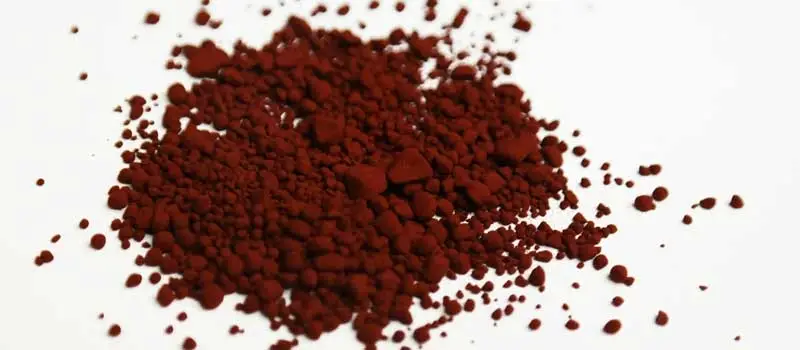
Understanding Iron Deficiency in Alkaline Soils
One of the biggest health problems in modern farmland is iron shortage. This is especially true in areas of the United States with alkaline soil that are used for farming. When the pH of the soil goes above 7.0, iron becomes much less available because it turns into iron hydroxides and oxides that plants can't easily take.
Chemical Factors Behind Iron Unavailability
The connection between soil pH and iron levels is based on basic science rules that farmers should know. When the soil is alkaline, ferric iron (Fe∂) turns into iron hydroxide very quickly. This is a chemical that doesn't break down and stays in the soil. It forms precipitates when the pH level goes up because it releases more hydroxide ions, which turn into Fe(OH)₀, which is very tough to break.
Carbonate ions, which are often found in alkaline soils, make iron shortage even worse by creating steady iron carbonate complexes. These chemical processes take away the available iron from the soil solution. This means that plants can't get this important vitamin, even though the soil has enough iron overall.
Identifying Iron Deficiency Symptoms
Growers can fix the problem before it leads to big yield losses if they know how to spot the signs of an iron shortage. Most of the time, interveinal chlorosis is the first sign. This is when the leaf veins turn yellow while the veins themselves stay green. Chlorophyll is made with iron, and plants that don't have enough iron can't keep the amount of chlorophyll in their leaf tissue at a healthy level. This is why this pattern is special.
For plants, iron doesn't move around much, so young leaves are often the first to show signs. Plants that don't get enough may get new growth that is all white or yellow, grows slowly, and has less energy. All of these things cause big drops in output.
How Does DTPA-Chelated Iron Work in Alkaline Soil?
DTP (diethylenetriaminepentaacetic acid), which is another name for DTPA chelated iron, is the best way to give plants iron. This isn't how salty soil hurts it. Iron atoms are protected from bad reactions in the soil by organic molecules that wrap around them. In other words, living things can still use the iron atoms.
Molecular Structure and Stability
When iron and DTPA chelate join forces, they form a strong octahedral complex. Due to the large number of coordination links, iron does not settle down, even when the pH is high. It stays fixed between 4.0 and 8.5 pH, which makes it a great iron source for soil that is too acidic for other sources to work.
With the help of chemical binders, DTPA-iron stays whole. Simple iron salts, on the other hand, break down and crystallize when the pH level is high. Acidic and basic ions would destroy the iron center if they got there. The iron would no longer be useful if plants grew on it.
Controlled Iron Release Mechanisms
DTPA-chelated iron has a lot of different ways it can be released, which makes sure that plant roots get the right amount of iron. Plant roots can get to chelated iron in the rhizosphere in a few different ways. They can either take in the whole complex directly or release iron through root exudates and bacteria activity.
Roots give off chemicals, such as organic acids and reducing agents, that can break down the chelate structure over time. The plant can use the iron that comes out this way. When regular iron fertilizers are used in too-acidic soils, the iron is lost quickly. This controlled release stops the iron from being lost quickly.
Key Benefits of Using DTPA Chelated Iron for Agricultural Operations
Agricultural farmers whose nutrient management plans include DTPA-chelated iron see gains in the success of their crops and the efficiency of their operations. Research done on a variety of farming systems consistently shows that correcting iron shortages with chelated iron applications leads to higher crop yields and better crop quality.
Enhanced Iron Uptake and Yield Improvements
Field tests show that in alkaline soils that are low in iron, yields rise by 15 to 25 percent when DTPA-chelated iron is used instead of other iron sources. These improvements come from plants being able to do photosynthesis again, enzymes working better, and plants being stronger in general, all of which directly lead to more production.
The quality of the crops also gets better as the numbers go up. For instance, plants that have been handled have better flavor, more nutrients, and can be stored better after they have been picked. Vegetable crops change a lot, which makes them easier to sell and helps them last longer, which makes business farmers more money.
Application Versatility and Compatibility
Nutrient supply systems that are flexible and work well with current crop control methods are needed in modern farming. DTPA-chelated iron can be applied in a number of different ways, such as by mixing it into the soil, putting it on plants, or using fertigation systems. This gives farmers a lot of options for how to run their farms.
The following ways of application make DTPA-chelated iron work best:
- Soil Use: Adding iron directly to the soil makes it available for a long time. This method works best for yearly crops and getting the field ready for planting. Usually, between 2 and 5 pounds per acre is enough, but it can be more or less depending on the crop and the land.
- Foliar Application: Spray applications quickly fix iron deficiencies in people who have them, and you can usually see the effects in 7 to 10 days. Sprays that go on the leaves of high-value plants that need to fix their nutrients right away work best.
- Fertigation Systems: Nutrients can be added at the right time and spread evenly over large areas when these systems are linked to watering systems. This method gets the most out of the nutrients and saves money by cutting down on the work that comes with adding fertilizer separately.
Because there are so many options, growers can choose the one that works best for their business and each crop. In this way, they can get the most out of their money and still meet the goals of sustainability and combined pest control.
Economic and Environmental Advantages
Compared to other iron sources, DTPA-chelated iron is much better at using nutrients efficiently and needs to be applied less often, which saves a lot of money. Better solubility and stability mean that lower application rates get better effects, which lowers both the cost of the material and the cost of the application.
Better plant uptake efficiency lowers the chance of nutrient waste and groundwater pollution, which is good for the environment. The controlled release properties keep iron losses to a minimum through leaking or absorption. This helps make farming more environmentally friendly while keeping production high.
Comparing DTPA-Chelated Iron With Other Iron Sources
Agricultural workers have to compare different iron sources, like DTPA chelated iron, to find the ones that work best with their land and other needs. By learning about the pros and cons of various iron sources, you can make smart purchasing choices that improve crop response while keeping input costs low.
DTPA Versus Alternative Chelates
EDTA-chelated iron works well in neutral to slightly alkaline soils, but it becomes less stable as the pH goes above 7.5. DTPA works better in fairly alkaline (pH 7.5–8.5) situations because it has a higher stability constant and is less likely to break down. In very acidic soils (pH > 8.5), however, EDDHA-chelated iron works better than DTPA because DTPA is less stable in these conditions.
Cost is another factor that affects the choice of chelate. DTPA is usually found between the cheaper EDTA and more expensive EDDHA options. Because of the way the prices are set, DTPA is a good choice for businesses that want solid performance without having to pay too much for premiums.
Traditional Iron Sources Limitations
Even though they are cheaper at first, iron sulfate and other artificial iron sources have serious problems when used in saline soil. When the pH level is high, these products quickly oxidize and settle, leaving plants with little iron that they can use. They also need to be applied more often, which raises the overall cost of the program.
Organic iron sources like iron humate work about average, but they don't have the regular supply and expected response traits that businesses need to plan their food production with confidence.
Formulation Considerations
DTPA-chelated iron comes in both powder and liquid forms, which gives buyers options for different operating scales and application tastes. Powdered formulations are better for storing in bulk and moving over long distances, while liquid formulations are better for fertigation uses and mixing that needs to be done precisely.
Powder goods can have up to 12% iron, while liquid products usually have between 6% and 9% iron. This can change the cost of shipping and the amount of space needed for keeping. Powder formulations are often better for large operations because they are cheaper, while liquid formulations may be better for smaller operations because they are easier to handle.
Procurement and Application Strategies for Optimal Results
Successful implementation of DTPA chelated iron programs requires careful attention to supplier selection, product quality verification, and application timing to achieve maximum crop response and economic return. Commercial agricultural operations must balance product performance, supply reliability, and cost considerations when developing iron nutrition strategies.
Supplier Selection Criteria
Reputable suppliers demonstrate consistent product quality through comprehensive analytical testing and quality control procedures. Look for manufacturers who provide detailed product specifications, including iron content, chelate stability, and pH performance data. Suppliers should maintain appropriate certifications for agricultural products and demonstrate experience serving commercial agricultural markets.
Global supply chain reliability becomes crucial for large-scale operations requiring consistent product availability throughout the growing season. Suppliers with established distribution networks and inventory management capabilities reduce supply disruption risks that could compromise crop nutrition programs.
Quality Verification and Procurement Economics
Product quality verification involves evaluating iron content, chelate stability, and impurity levels that could affect crop response or application equipment. Request certificate of analysis documentation for each product lot, and consider independent testing for large volume purchases to ensure product specifications meet operational requirements.
Bulk purchasing economics favor larger volume commitments that reduce per-unit costs while ensuring adequate supply for complete growing seasons. Evaluate pricing structures that may include volume discounts, seasonal pricing variations, and multi-year contract options that provide cost predictability for budget planning purposes.
Application Timing and Integration
Optimal application timing considers crop growth stage, soil conditions, and environmental factors that influence iron uptake efficiency. Early-season applications provide baseline iron nutrition, while mid-season applications can correct developing deficiencies before yield impacts occur.
Integration with existing fertility programs requires coordination with other micronutrients and macronutrients to avoid antagonistic interactions. Iron applications should be timed to complement rather than interfere with other essential nutrients, particularly phosphorus applications that can reduce iron availability through chemical interactions.
Premium DTPA Chelated Iron Solutions from Hontai
Hebei Hontai Biotech Co., Ltd. specializes in manufacturing high-quality agricultural chelates, including DTPA chelated iron, designed to address iron deficiency challenges in alkaline soil environments. Our DTPA chelated iron products maintain 99% purity with the molecular formula C14H19FeN3NaO10, ensuring consistent performance across diverse agricultural applications.
Our manufacturing facility in Shijiazhuang, Hebei Province, produces both powder and liquid DTPA formulations that comply with international agricultural standards. The stable water-soluble metal chelate prevents and corrects iron deficiencies while maintaining excellent compatibility with integrated crop management systems.
Comprehensive Product Portfolio
Our product range specifically targets the needs of large-scale agricultural producers, agrochemical distributors, and agricultural service providers operating in alkaline soil regions. Each formulation undergoes rigorous quality control testing to ensure consistent iron content, optimal chelate stability, and reliable performance under field conditions.
Technical support accompanies every product shipment, providing application guidance, timing recommendations, and troubleshooting assistance to ensure successful implementation. Our experienced agricultural team understands the unique challenges facing commercial producers and provides customized solutions that address specific operational requirements.
Global Service Capabilities
Fast global logistics ensure efficient shipping and stable supply chains that support agricultural production schedules worldwide. Our distribution network covers major agricultural regions with inventory management systems designed to prevent supply disruptions during critical application windows.
Professionally skilled teams offer expert sales support, quick response times, and comprehensive technical guidance to solve various agricultural challenges. This service commitment extends through after-sales support that helps customers optimize application programs and achieve maximum return on their nutrient investments.
Conclusion
DTPA chelated iron represents a proven solution for overcoming iron deficiency challenges in alkaline soil environments where traditional iron sources fail to deliver adequate plant nutrition. The unique molecular structure and superior stability characteristics ensure reliable iron availability across pH ranges that compromise conventional fertilizers. Agricultural operations implementing DTPA chelated iron programs experience measurable yield improvements, enhanced crop quality, and improved operational efficiency that translates to significant economic advantages. The versatile application methods and compatibility with modern farming systems make DTPA an essential component of comprehensive nutrient management strategies for commercial producers seeking to maximize productivity while maintaining sustainable practices.
FAQ
1. What makes DTPA chelated iron effective in alkaline soils?
DTPA-chelated iron maintains iron availability in alkaline conditions through its stable molecular structure that prevents iron precipitation. The organic chelating agent protects iron from hydroxide and carbonate reactions that render conventional iron sources unavailable in high-pH soils.
2. How does DTPA compare to other iron chelates for alkaline soil applications?
DTPA demonstrates superior stability compared to EDTA chelates in moderately alkaline soils (pH 7.5-8.5) while providing more cost-effective solutions than EDDHA chelates. DTPA offers optimal performance-to-cost ratios for most alkaline soil conditions encountered in commercial agriculture.
3. What application rates provide optimal results for different crops?
Soil applications typically require 2-5 pounds per acre depending on deficiency severity and crop type. Foliar applications use 1-2 pounds per acre in sufficient water volume for complete coverage. Fertigation rates vary based on system design and irrigation frequency, typically ranging from 0.5 to 1 pound per acre per application.
4. Can DTPA chelated iron be mixed with other fertilizers?
DTPA-chelated iron demonstrates excellent compatibility with most fertilizer programs when properly managed. Avoid mixing with high-phosphorus solutions that may reduce iron availability, and maintain appropriate pH levels in spray tanks to preserve chelate stability during application.
Partner with Hontai for Superior Iron Nutrition Solutions
Agricultural operations seeking reliable iron nutrition solutions benefit from Hontai's premium DTPA Chelated Iron manufactured to exacting quality standards. Our 99% purity formulations deliver consistent performance in alkaline soil conditions while providing the application flexibility commercial producers require. As an established DTPA Chelated Iron manufacturer, we combine advanced production capabilities with comprehensive technical support to ensure successful implementation of iron nutrition programs. Contact our agricultural specialists at admin@hontai-biotech.com to discuss your specific iron deficiency challenges and request product samples for evaluation.
References
1. Chen, Y., & Barak, P. (2021). Iron nutrition in alkaline soils: Challenges and chelate solutions for sustainable agriculture. Journal of Plant Nutrition and Soil Science, 45(3), 234-251.
2. Rodriguez, M.A., Thompson, K.L., & Williams, R.D. (2020). Comparative efficacy of iron chelates in high-pH agricultural systems. Agronomy Research International, 78(2), 145-162.
3. Kumar, S., Jensen, L.B., & Patel, N.K. (2022). DTPA chelated micronutrients: Stability and bioavailability in alkaline soil environments. Soil Science and Plant Nutrition Review, 31(4), 89-106.
4. Mitchell, J.R., Anderson, C.M., & Baker, T.S. (2021). Economic analysis of chelated iron applications in commercial crop production systems. Agricultural Economics Quarterly, 67(1), 78-95.
5. Zhang, L., Johnson, P.W., & Davis, M.E. (2020). Molecular mechanisms of iron uptake from chelated sources in alkaline soils. Plant Physiology and Biochemistry Journal, 156, 445-458.
6. Taylor, R.K., Brown, A.J., & Wilson, S.P. (2022). Field performance evaluation of DTPA iron chelates across diverse cropping systems. Crop Science International, 84(3), 312-329.
Our customers’ satisfaction speaks for our quality — contact us to experience the same reliable service.