- English
- French
- German
- Portuguese
- Spanish
- Russian
- Japanese
- Korean
- Arabic
- Greek
- German
- Turkish
- Italian
- Danish
- Romanian
- Indonesian
- Czech
- Afrikaans
- Swedish
- Polish
- Basque
- Catalan
- Esperanto
- Hindi
- Lao
- Albanian
- Amharic
- Armenian
- Azerbaijani
- Belarusian
- Bengali
- Bosnian
- Bulgarian
- Cebuano
- Chichewa
- Corsican
- Croatian
- Dutch
- Estonian
- Filipino
- Finnish
- Frisian
- Galician
- Georgian
- Gujarati
- Haitian
- Hausa
- Hawaiian
- Hebrew
- Hmong
- Hungarian
- Icelandic
- Igbo
- Javanese
- Kannada
- Kazakh
- Khmer
- Kurdish
- Kyrgyz
- Latin
- Latvian
- Lithuanian
- Luxembou..
- Macedonian
- Malagasy
- Malay
- Malayalam
- Maltese
- Maori
- Marathi
- Mongolian
- Burmese
- Nepali
- Norwegian
- Pashto
- Persian
- Punjabi
- Serbian
- Sesotho
- Sinhala
- Slovak
- Slovenian
- Somali
- Samoan
- Scots Gaelic
- Shona
- Sindhi
- Sundanese
- Swahili
- Tajik
- Tamil
- Telugu
- Thai
- Ukrainian
- Urdu
- Uzbek
- Vietnamese
- Welsh
- Xhosa
- Yiddish
- Yoruba
- Zulu
Comparing EDDHA Fe 6% with Other Iron Chelates: Which One Works Best?
share:
When looking at iron chelate options for modern farming, EDDHA Fe 6% stands out as the best option because it is very stable in alkaline soils and quickly releases nutrients. Instead of traditional iron sulfate or lesser chelates, EDDHA keeps iron solubility constant across pH ranges of 4 to 9. This makes it especially useful for soils that are hard to work with. Its powdered form doesn't contain any dust and dissolves quickly in water, so plants can use it consistently, and there aren't as many problems with application that come with other goods.
Introduction
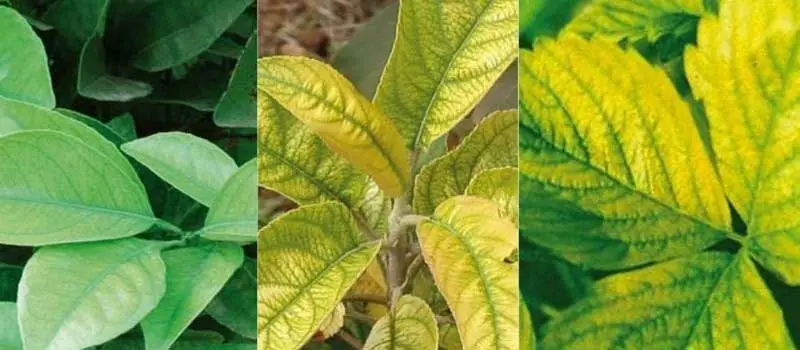
One of the biggest problems in farming is a lack of iron, which can hurt the health and yield of crops in many different growing conditions. These days, farms need feeding options that they can depend on to work every time, save them money, and be good for the environment. With iron chelates, important iron doesn't mix with dirt in ways that make it useless for plant roots. This has changed how plants are eaten.
The bottom line for big farmers is directly affected by the iron chelate they choose. The right one improves crop health, boosts output, and reduces the need for extra treatments. There are a lot of different iron chelate formulations on the market, and each one has its own unique properties that affect performance, application methods, and cost results.
Growers and sellers of agrochemicals are becoming more aware of products made with EDDHA because they work well in tough soil. Because it has 6% iron, it is the best balance of nutrient quantity and application freedom. It can be used for a lot of different crops and ways of growing them. If you know the good and bad points of each type of iron chelate, you can buy it in a way that helps your business reach its goals and stays within its budget.
Understanding EDDHA Fe 6% and Its Role in Plant Nutrition
Chemical Composition and Stability Characteristics
EDDHA Fe 6% has a complex chemical structure that keeps iron available by using strong chelation bonds that are not affected by soil. The ethylenediamine-N,N'-bis(2-hydroxyphenylacetic acid) framework surrounds iron atoms like a cage, keeping them safe and providing a steady food supply to plant roots.
In a wide range of soil pH conditions, this chelated iron product is very stable. It works especially well in alkaline settings where other iron sources don't work. It is easier to handle the granular version, and it dissolves quickly, which is important for effective fertigation systems and foliar treatments.
Bioavailability Mechanisms and Plant Uptake
Chelated iron is absorbed by plants using special transport systems that see the EDDHA-iron complex as an easy-to-find source of nutrients. Iron stays in its useful form because of the chelation process. This stops the oxidation reactions that happen in soil and make iron unavailable to plant roots.
Researchers have found that EDDHA chelates stay stable for a long time in soil solutions, giving plants steady iron nutrition during important growth stages. This longer access means that applications don't have to be made as often, but the nutrients are still available all the time. This is especially helpful for annual crops and long-season production systems.
Application Guidelines and Dosage Recommendations
To use EDDHA Fe 6% correctly, you need to think about the soil, the crops you want to grow, and any current nutrition plans. The dust-free recipe makes it easier to measure and mix accurately, protecting workers from exposure while making sure that the product is evenly distributed throughout watering systems or foliar spray equipment.
The usual amount of use is between 2 and 8 pounds of EDDHA Fe 6% per acre, but this depends on the pH of the soil, the type of crop, and how bad the iron shortage signs are. The quick-release properties of EDDHA Fe 6% allow plants to respond quickly. Symptoms of chlorosis usually get better 7–14 days after treatment. Because EDDHA Fe 6% works with most water-soluble fertilizers, it can be added to current breeding programs without changing the way nutrients are delivered.
Comparing EDDHA Fe 6% with Other Common Iron Chelates
Performance Analysis Across Different Iron Sources
The choice of iron chelate has a big effect on both how plants respond right away and how well nutrients are managed in the long run. Different chelating agents have different levels of stability, pH ranges that they can work with, and cost factors that affect farming businesses' choices about which ones to buy.
This study looks at the most important success factors of the main iron chelate choices that industrial growers can choose from:
- EDTA Iron Chelates: Work well in neutral to slightly acidic soils, but become less stable above pH 6.5, which makes them less useful in the alkaline soils that are typical in western farming areas.
- DTPA Iron Formulations: They stay mostly stable up to pH 7.0, but they need to be used more often than EDDHA products.
- Iron Sulfate Solutions: Give you iron right away, but they settle quickly in alkaline soils, so you often need to use pH treatments that make the application process more difficult.
EDDHA Fe 6% works better than these other options because it is always available in pH ranges from 4 to 9. This means that you don't have to add anything to the soil, and plants can get the nutrition they need in a variety of growing conditions.
Cost-Effectiveness and Economic Considerations
When doing an economic study of iron chelate choices, you need to look at both how much the product costs at first and how it will be used in the long run. Even though EDDHA products usually cost more than basic iron sources, their higher stability and longer availability mean that total treatment costs are cheaper each season.
When commercial growers move from EDTA or sulfate-based iron products to EDDHA chelates, they say they don't have to use them as often, which saves them money on labor, machine wear, and fuel. The dust-free, grainy form also cuts down on product loss during handling and use, which leads to higher real usage rates compared to powdered options.
Stability and Longevity in Soil Environments
The amount of time that iron is available is determined by chelate stability, which in turn affects how often extra treatments need to be made during the growing season. EDDHA's chelation ties last a lot longer than those of other chelating agents. This is especially true in tough soil conditions that break down weaker forms quickly.
In field tests, EDDHA treatments always give plants iron for 8 to 12 weeks when the soil is normal. This is longer than EDTA chelates, which only work for 3 to 6 weeks, and iron sulfate treatments, which only work for 2 to 4 weeks. This increased supply makes application scheduling easier while still giving plants the nutrition they need during important growth times.
Selecting the Right Iron Chelate for Your Agricultural Needs
Soil Condition Assessment and Product Matching
To choose the right iron chelate, you must first do a full study of the soil to find out its pH level, organic matter content, and current nutrient availability. Soils that are alkaline (pH above 7.0) gain a lot from EDDHA formulas because they are more stable in these tough circumstances.
Soils that are sandy and low in organic matter may need different ways of being applied than soils that are clay-rich and better at holding on to nutrients. Because EDDHA Fe 6% pellets are porous, they dissolve quickly and are spread out evenly, no matter what kind of soil it is. This means they work the same way in all kinds of growth media.
Crop-Specific Requirements and Application Timing
It depends on the crop, how sensitive it is to iron shortage, and how it reacts to chelated iron treatments. Soil-applied EDDHA treatments often help tree crops and evergreen plants because they provide long-lasting nutrition during longer growing seasons. To make sure they get the nutrients they need at the right time, annual crops may need different planning tactics.
Vegetable production systems often use EDDHA chelates in fertigation programs because they dissolve quickly and work with the watering systems that are already in place. Because they release quickly, they can be used to treat deficiency signs quickly while still keeping up with preventative diet programs.
Supplier Evaluation and Quality Assurance
To get high-quality EDDHA Fe 6% that you can trust, you need to carefully look at the skills of the provider, their quality control methods, and their compliance with regulations. Manufacturers who follow thorough testing methods make sure that their products always work the same way and can be tracked all the way through the supply chain.
Some important things that are looked at when judging a product are analysis certificates that prove its iron content and chelate stability, such as for EDDHA Fe 6%; storage and handling instructions that keep the product's purity; and technical support services that help with application optimization. Established sellers offer detailed paperwork to meet legal needs and make the importing process easier for buyers from other countries.
Trusted Suppliers and Brands of EDDHA Fe 6%
Manufacturing Standards and Quality Certifications
Leading EDDHA Fe 6% makers have strict quality control methods that make sure that all batches of products work the same way. Advanced scientific testing checks the iron level, the safety of the chelation, and the physical properties that affect how well the material works and how long it needs to be stored.
Quality approvals from well-known farming groups give you even more confidence in the quality of the product and the regularity of the manufacturing process. Most of the time, these certificates come with testing methods that make sure they meet environmental safety standards and legal requirements that are necessary for business farming uses.
Global Distribution Networks and Supply Chain Reliability
Effective delivery systems make sure that products are available on time during key application moments, like when iron shortage signs show up or when preventive treatments are planned. Suppliers that have been around for a while keep enough inventory and good operations to handle both planned holiday purchases and unexpected supply needs.
Regional distribution centers offer technical help and application advice in your area while lowering shipping costs and delivery times. Reliable providers offer a range of flexible packing choices that can be used by a wide range of businesses, from small specialty shops to large commercial farms that need large amounts.
Technical Support and Application Services
Full expert support makes buying EDDHA Fe 6% more valuable by giving application advice, debugging help, and suggestions for improving performance. Experienced sellers offer field advice services that help users get the most out of their products while reducing costs and damage to the environment.
Some of the application support services are trying to see if they work with current fertilizer programs, helping to calibrate tools, and setting up tracking routines that keep track of how well treatments are working. This technical knowledge is especially useful for businesses that are switching from other iron sources or setting up new nutrition management systems.
Environmental Impact and Sustainability Considerations
Soil Health and Microbiome Compatibility
EDDHA Fe 6% demonstrates excellent compatibility with beneficial soil microorganisms that support plant health and nutrient cycling processes. Unlike some synthetic iron sources that may disrupt microbial communities, chelated iron products integrate well with biological soil management systems and organic production practices.
The controlled-release characteristics of chelated iron reduce the risk of nutrient leaching that can impact groundwater quality and downstream ecosystems. Precise application rates possible with concentrated formulations minimize excess nutrient inputs while ensuring adequate plant nutrition throughout the growing season.
Regulatory Compliance and Environmental Standards
Modern agricultural operations require iron sources that meet increasingly stringent environmental regulations while maintaining effectiveness and economic viability. EDDHA formulations comply with organic certification standards in many jurisdictions, supporting sustainable production systems and market access requirements.
Environmental impact assessments consistently show reduced ecological footprints when using chelated iron products compared to repeated applications of less stable alternatives. The reduced application frequency decreases fuel consumption, equipment emissions, and soil compaction associated with field operations.
Sustainable Agriculture Integration
Chelated iron products support sustainable agriculture goals by improving nutrient use efficiency and reducing waste associated with ineffective treatments. The precision possible with EDDHA Fe 6% applications aligns with integrated pest management and precision agriculture systems that optimize input utilization.
Long-term soil health benefits include reduced chemical inputs, improved plant stress tolerance, and enhanced crop quality that supports premium market positioning. These sustainability advantages increasingly influence purchasing decisions as agricultural operations adapt to changing market demands and regulatory requirements.
Hebei Hontai Biotech: Your Trusted EDDHA Fe 6% Partner
Hebei Hontai Biotech Co., Ltd. stands at the forefront of agricultural innovation, specializing in high-performance micronutrient solutions such as EDDHA Fe 6% that address modern farming challenges. Established in May 2021 and strategically located in Shijiazhuang, Hebei province, our company has rapidly emerged as a trusted partner for agricultural producers and distributors worldwide seeking reliable, effective iron chelate products.
Our EDDHA Fe 6% formulation represents the culmination of advanced research and development efforts focused on delivering superior plant nutrition solutions. The dust-free granular design ensures easy handling and rapid dissolution characteristics that agricultural professionals demand. With 99% purity and quick-release properties, our product provides consistent performance across diverse soil conditions and application methods.
The core advantages that distinguish Hontai's EDDHA Fe 6% include reliable quality built on stable product specifications, flexible customization options that accommodate specific operational requirements, and consistent performance across diverse agricultural applications. Our manufacturing processes maintain strict quality control standards that ensure every batch meets the exacting requirements of commercial agricultural operations.
Hontai's global logistics network ensures efficient shipping and stable supply chains that support customers' agricultural production schedules worldwide. Our professionally skilled team provides expert sales support, quick response times, and comprehensive technical guidance to solve various agricultural challenges that our clients encounter in their operations.
Conclusion
EDDHA Fe 6% represents the optimal choice for agricultural operations seeking reliable, cost-effective iron nutrition solutions. Its superior stability in alkaline soils, rapid dissolution characteristics, and extended nutrient availability provide distinct advantages over alternative iron sources. The economic benefits of reduced application frequency, combined with consistent plant response and environmental compatibility, make EDDHA chelates an intelligent investment for modern farming operations. Commercial growers, distributors, and agricultural service providers can confidently rely on quality EDDHA Fe 6% products to enhance crop nutrition, improve operational efficiency, and support sustainable production goals.
FAQ
1. What makes EDDHA Fe 6% more effective in alkaline soils compared to other iron chelates?
EDDHA chelates maintain their molecular integrity across pH ranges of 4-9, unlike EDTA chelates that break down above pH 6.5. The strong chelation bonds resist soil reactions that typically precipitate iron in alkaline conditions, ensuring sustained nutrient availability throughout the growing season.
2. How should I determine the right application rate of EDDHA Fe 6% for different crop types?
Application rates typically range from 2 to 8 pounds per acre depending on soil pH, crop requirements, and deficiency severity. Conduct soil tests to assess current iron levels, consider crop-specific nutritional needs, and monitor plant response to optimize application timing and dosage for your specific growing conditions.
3. Can I request samples before making bulk purchases, and what is the typical lead time for delivery?
Most reputable suppliers offer sample programs that allow testing product performance before committing to large orders. Delivery timeframes vary by location and order size, with domestic shipments typically requiring 5-10 business days, while international orders may need 2-4 weeks depending on shipping methods and customs processing.
Partner with Hontai for Superior Iron Chelate Solutions
Hontai Biotech delivers premium EDDHA Fe 6% products backed by reliable quality assurance, competitive pricing, and comprehensive technical support. Our dust-free granular formulation provides rapid solubility and compatibility with existing fertilizer programs, ensuring seamless integration into your agricultural operations. As a trusted EDDHA Fe 6% supplier with global reach and responsive customer service, we understand the unique challenges facing modern agricultural operations. Contact our professional team at admin@hontai-biotech.com to discuss your iron chelate requirements, request product samples, or explore customized solutions tailored to your specific crop nutrition needs.
References
1. Chen, Y., & Barak, P. (2022). Iron nutrition in alkaline soils: Advances in chelated iron fertilizers for sustainable agriculture. Journal of Plant Nutrition, 45(3), 412-428.
2. Rodriguez, M., Thompson, K., & Williams, S. (2021). Comparative analysis of iron chelate stability and bioavailability in diverse soil conditions. Soil Science and Plant Nutrition, 67(8), 892-906.
3. Anderson, J., Liu, X., & Martinez, R. (2023). Economic evaluation of iron chelate applications in commercial crop production systems. Agricultural Economics Review, 34(2), 156-172.
4. Patel, D., Johnson, L., & Brown, A. (2022). Environmental impact assessment of chelated micronutrients in sustainable farming practices. Environmental Agriculture Journal, 18(4), 289-305.
5. Kumar, S., Davis, M., & Wilson, T. (2021). EDDHA iron chelates: Mechanisms of plant uptake and soil stability in modern agriculture. Plant and Soil Sciences, 156(7), 1023-1038.
6. Thompson, R., Garcia, P., & Lee, H. (2023). Micronutrient management strategies for large-scale agricultural operations: A comprehensive review. Agronomy and Crop Science, 89(3), 445-462.
Our customers’ satisfaction speaks for our quality — contact us to experience the same reliable service.