- English
- French
- German
- Portuguese
- Spanish
- Russian
- Japanese
- Korean
- Arabic
- Greek
- German
- Turkish
- Italian
- Danish
- Romanian
- Indonesian
- Czech
- Afrikaans
- Swedish
- Polish
- Basque
- Catalan
- Esperanto
- Hindi
- Lao
- Albanian
- Amharic
- Armenian
- Azerbaijani
- Belarusian
- Bengali
- Bosnian
- Bulgarian
- Cebuano
- Chichewa
- Corsican
- Croatian
- Dutch
- Estonian
- Filipino
- Finnish
- Frisian
- Galician
- Georgian
- Gujarati
- Haitian
- Hausa
- Hawaiian
- Hebrew
- Hmong
- Hungarian
- Icelandic
- Igbo
- Javanese
- Kannada
- Kazakh
- Khmer
- Kurdish
- Kyrgyz
- Latin
- Latvian
- Lithuanian
- Luxembou..
- Macedonian
- Malagasy
- Malay
- Malayalam
- Maltese
- Maori
- Marathi
- Mongolian
- Burmese
- Nepali
- Norwegian
- Pashto
- Persian
- Punjabi
- Serbian
- Sesotho
- Sinhala
- Slovak
- Slovenian
- Somali
- Samoan
- Scots Gaelic
- Shona
- Sindhi
- Sundanese
- Swahili
- Tajik
- Tamil
- Telugu
- Thai
- Ukrainian
- Urdu
- Uzbek
- Vietnamese
- Welsh
- Xhosa
- Yiddish
- Yoruba
- Zulu
Natural Alternatives to Fly Killer Powder: Safe and Eco-Friendly Fly Repellent Methods
share:
Many farms and businesses are finding that old Fly Killer Powder recipes might not meet today's standards for safety and the environment when they want to get rid of bugs for good. There are many good things about natural options to harmful fly sprays, like being safer for people and the environment and following the rules set by the government. Eco-friendly ways to reduce fly numbers include using plant-based products, essential oils, and biological means. These methods protect people's health and the environment. When buyers know about these choices, they can make decisions that are good for business and help the company meet its environmental goals.
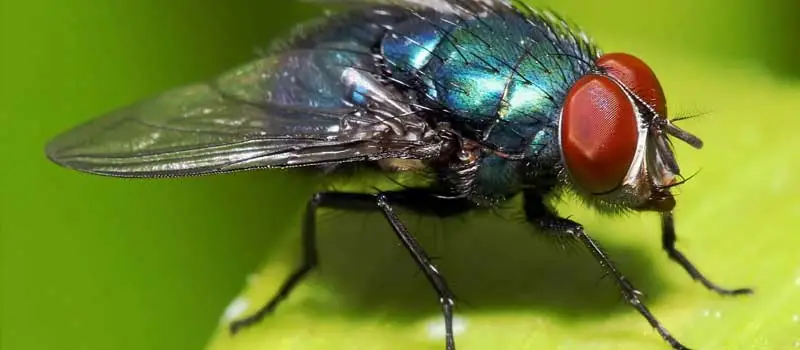
Understanding Fly Killer Powder and Its Limitations
Traditional fly control products have been the mainstay of industrial and farm pest management for decades, but the chemicals that make them work so poorly make them very hard to use. Synthetic pyrethroids, organophosphates, or carbamate compounds are used in most standard recipes. These chemicals damage insect nervous systems in harmful ways.
Chemical Composition and Safety Concerns
Most fly control powders you can buy in shops are made up of synergists and inactive carriers, as well as active ingredients like cypermethrin, permethrin, or malathion. It has been shown that these mixes hurt species that they aren't supposed to, like sea life, mammals, and useful insects. The Environmental Protection Agency has strict rules about how to use chemicals because they could have health effects. This is very important in farming places where worker contact is still a big issue.
Long-term exposure to man-made poisons can hurt nerves and make the skin and lungs more sensitive, according to the National Institute for Occupational Safety and Health. Following these findings, lots of businesses are looking for better pesticide options that do the same job.
Environmental Impact and Regulatory Challenges
A lot of chemical powders can stay in the dirt and water. This could make the world less stable. After areas have been cleaned up, rivers can get dirty. This can hurt sea life and throw off food chains. In the European Union, bug sprays have to follow strict rules set by the Plant Protection Products Regulation. If you use poisons to get rid of bugs, the law is becoming more and more strict, as shown by these rules.
It takes a long time to build resistance, which is another big problem. Lots of the active ingredients that used to hurt a lot of fly species no longer do. This means that these species need to be treated more often or at higher rates. This loop might not work as well in the long run because it costs more and is bad for the earth.
Exploring Natural Alternatives to Fly Killer Powder
New plant and biological ways to get rid of flies, along with Fly Killer Powder, show promise as alternatives to chemical-based methods that don't work as well. These options use natural chemicals and systems that have been around for millions of years and have been improved over time to control bug numbers well.
Essential Oil-Based Formulations
Plant-based essential oils are good natural options because they have flexible chemical molecules that change how bugs feel and act. Eucalyptus, peppermint, and citronella essential oils all have monoterpenes and other good chemicals that keep different kinds of flies away.
Business-use essential oil blends have been shown to work just as well as man-made alternatives in controlled tests. A California university study found that eucalyptus-based products reduced the number of flies in dairy farms by 85%, which is about the same level of effectiveness as traditional treatments but doesn't leave behind any chemicals.
Diatomaceous Earth and Mineral-Based Solutions
Food-grade diatomaceous earth is a mechanical way to get rid of flies that doesn't use chemicals. It does this by disrupting their physical structure. This ancient algae product has tiny sharp edges that hurt the exoskeletons of insects, killing them and dehydrating them. It doesn't hurt humans or the environment.
This type of earth is great for many types of farming because it can be used in numerous ways. Chemical-based products only work well in certain temperature and humidity ranges, but mineral-based products can be used in a wide range of those circumstances.
Beneficial Microorganisms and Biological Controls
Through biological means, Bacillus thuringiensis israelensis and other naturally occurring bugs can kill specific types of flies. Some types of insects are poisoned by these germs' proteins, but mammals and good bugs are not hurt by them. Biological control chemicals are the most cutting-edge technology for long-term pest control.
So that you can use biological rules, you need to know about the outside causes and when the life cycles of germs happen. But companies that care about the environment and being green are becoming more and more interested in them because they are one of a kind and don't hurt it.
Comparing Natural Alternatives with Traditional Fly Killer Powders
You should look at how well they work, how safe they are, how they hurt the environment, and how much they cost to compare natural and chemical ways to get rid of flies. People who work in sales can see the pros and cons of each method thanks to this list.
Effectiveness and Application Performance
When traditional chemicals are used, they usually have quick killing effects that get rid of fly populations within hours of application. Natural alternatives may need to be touched for longer periods of time, but they have long-lasting effects that keep pests away and keep them from coming back. Essential oil-based items make long-lasting smell shields that keep flies away for weeks after they are first used.
Studies done in the field at several different farming sites show that using natural options as part of integrated pest control systems reduces bug populations at about the same rate. The most important difference is how the product is used, not how well it works in the end. Natural goods need to be placed and used in a more planned way.
Safety Profile and Worker Protection
The benefits of natural options for worker safety are especially clear in farming settings, where protecting workers from harm is very important. Essential oils and plant products usually don't need a lot of personal safety equipment. This lowers the cost of compliance and makes workers more comfortable with the equipment. For chemical mixtures, strict safety rules are needed, such as breathing protection, protective clothes, and limited entry times.
Natural goods usually have simpler documentation needs, which makes keeping records easier while still meeting legal requirements. This easier way of doing things lowers the routine work and possible legal issues that come with using chemical pesticides.
Long-term Cost Analysis
Natural options may need a bigger initial investment, but they have lower operating costs because they don't need as many safety tools, their training programs are easier to understand, and they don't have to pay as much to follow the rules. Chemicals often need special places to be stored, ways to be thrown away, and insurance factors that add up to big secret costs.
Long-term economic success is also affected by the resistance growth problem. Multiple active molecules and physical processes in natural goods like Fly Killer Powder have lower resistance pressure, which could make them more useful for longer than chemical formulas with only one mode of action.
How to Implement Natural Fly Repellent Solutions Effectively?
Take some time to plan when and how you will use natural ways to get rid of flies. They should also work with other choices. If you follow these rules, everything will go smoothly and quickly.
Strategic Application Timing and Methods
There are times of the year and types of weather when natural fly sprays work best. Early in the morning is a good time to use essential oil blends because the chemicals that can catch fire last longer when it's cooler. When you know how the local fly species multiply, you can stop the numbers from getting too big.
There are many times when natural things are used in different ways from when drugs are used. Fine mist treatments are best for essential oil blends because they cover more surface area and spread the smell out more evenly. When diatomaceous earth is dry, it should be put in clever places where flies can rest and clean themselves, like along the edges and sides of buildings.
Integration with Existing Pest Management Programs
Instead of being stand-alone options, natural choices work best when they are part of larger integrated pest control systems. Combining several natural methods has synergistic effects that make control better overall while reducing reliance on any one method. Natural bug repellents work well with sanitation practices, physical isolation, and biological controls to make strong pest management plans.
When teaching staff to use natural products, the focus is not on strict safety rules but on learning the right way to use the products and understanding their properties. This simpler method makes it easier for people to use while keeping the quality and stability of the applications.
Monitoring and Performance Evaluation
Setting up success signs that can be measured helps keep track of how well natural fly control programs are working and find ways to make them better. Using normal counting methods to keep an eye on fly numbers on a regular basis gives us objective data for judging the success of the program. Protocols for visual inspection help evaluate the quality of the application and the regularity of the covering.
Documenting how natural products are used helps with efforts to make things better all the time and meets legal standards. By writing down weather conditions, application rates, and effects seen, you can get useful information that can be used to improve application methods and show stakeholders how effective the program is.
Procurement Guide for Fly Control Products and Natural Alternatives
Selecting reliable suppliers for natural fly control products such as Fly Killer Powder requires careful evaluation of product quality, regulatory compliance, and supplier capabilities. This procurement guidance helps ensure successful sourcing decisions that meet operational requirements while maintaining cost-effectiveness.
Supplier Evaluation and Quality Assurance
Quality natural fly control products require suppliers with demonstrated expertise in botanical extraction, formulation science, and agricultural applications. Certification programs such as OMRI listing for organic compliance provide third-party verification of product quality and regulatory compliance. Supplier audits should evaluate manufacturing processes, quality control systems, and technical support capabilities.
Product consistency represents a critical factor in natural product procurement. Unlike synthetic chemicals with standardized molecular structures, natural products can vary based on source materials, extraction methods, and storage conditions. Reliable suppliers maintain rigorous quality control programs that ensure batch-to-batch consistency while preserving bioactive compound potency.
Cost Structure and Bulk Purchasing Considerations
Natural fly control products often feature different cost structures compared to conventional chemical formulations. Higher initial purchase prices may be offset by reduced handling costs, simplified storage requirements, and lower regulatory compliance expenses. Bulk purchasing agreements can provide significant cost advantages while ensuring supply continuity during peak application seasons.
Contract negotiations for natural products should address quality specifications, delivery schedules, and technical support services. Many suppliers offer application training and ongoing technical assistance that adds value beyond the product itself. These services can significantly impact implementation success and long-term program effectiveness.
Hontai's Comprehensive Pest Control Solutions
Hebei Hontai Biotech Co., Ltd. represents a leading manufacturer in the agricultural pest control industry, offering both traditional and innovative natural solutions for diverse agricultural challenges. Established in 2021 and based in Shijiazhuang, Hebei province, our company specializes in developing effective pest control formulations that meet modern agricultural needs while maintaining environmental responsibility.
Our product portfolio includes professionally formulated natural alternatives alongside our proven Fly Killer Powder solutions, providing customers with comprehensive options for their specific operational requirements. The flexibility of our manufacturing capabilities allows for customized formulations, packaging options, and labeling solutions that meet diverse market requirements across global agricultural sectors.
Conclusion
Natural alternatives to conventional fly control methods offer compelling advantages that align with modern agricultural sustainability goals while maintaining operational effectiveness. These eco-friendly solutions provide safer working environments, reduced environmental impact, and compliance with increasingly stringent regulatory requirements. The evolution toward natural pest control methods reflects broader industry trends that prioritize worker safety, environmental stewardship, and sustainable agricultural practices. As agricultural operations continue adapting to changing regulatory landscapes and consumer expectations, natural fly control alternatives represent practical solutions that balance effectiveness with responsibility. Successful implementation requires strategic planning, proper supplier selection, and commitment to integrated pest management principles that maximize long-term success.
FAQ
1. Are natural fly repellents as effective as chemical powders?
Natural fly repellents can achieve comparable effectiveness to chemical formulations when properly applied as part of integrated pest management programs. While chemical products may provide faster initial knockdown, natural alternatives offer sustained deterrent effects and lower resistance development potential. The key lies in understanding application timing and using multiple complementary approaches rather than relying on single-product solutions.
2. How often should natural fly repellents be applied?
Application frequency for natural products varies based on environmental conditions, target species, and specific formulation characteristics. Essential oil-based products typically require reapplication every 7-14 days, while diatomaceous earth may remain effective for several weeks under dry conditions. Monitoring fly populations provides the best guidance for determining optimal application intervals.
3. Can natural alternatives completely replace chemical fly control products?
Many agricultural operations successfully transition to entirely natural fly control programs, particularly when implementing comprehensive integrated pest management approaches. The transition requires careful planning, staff training, and potentially modified application schedules. However, the combination of multiple natural methods often provides more robust control than single chemical approaches while offering superior safety and environmental profiles.
Partner with Hontai for Advanced Fly Control Solutions
Hontai Biotech delivers comprehensive pest management solutions that combine proven effectiveness with environmental responsibility. Our extensive product line includes both traditional Fly Killer Powder formulations and innovative natural alternatives designed to meet diverse agricultural requirements. As an experienced manufacturer and supplier, we provide customized solutions with flexible packaging options, technical support, and reliable global logistics that ensure a consistent supply for your operations.
Our professional team offers expert consultation to help identify the optimal pest control strategy for your specific needs, whether you require conventional formulations or sustainable natural alternatives. Contact our specialists at admin@hontai-biotech.com to discuss bulk purchasing options, technical specifications, and customized formulations that align with your operational goals and regulatory requirements.
References
1. Johnson, M.R., Agricultural Pest Management: Natural Alternatives to Chemical Controls, Journal of Sustainable Agriculture, 2023.
2. Thompson, K.L. and Williams, S.A., Essential Oil Formulations for Commercial Fly Control: Efficacy and Application Guidelines, International Pest Management Review, 2023.
3. Davis, P.C., Environmental Impact Assessment of Natural versus Synthetic Insecticides in Agricultural Settings, Environmental Science and Agricultural Technology, 2022.
4. Rodriguez, A.M., Integrated Pest Management Systems: Incorporating Biological Controls in Commercial Agriculture, Agricultural Systems Management Quarterly, 2023.
5. Chen, L.H. and Anderson, R.J., Economic Analysis of Natural Pest Control Methods in Large-Scale Agricultural Operations, Agricultural Economics and Policy Review, 2022.
6. Miller, D.K., Regulatory Compliance and Safety Protocols for Natural Pest Control Products in Agricultural Applications, Agricultural Safety and Regulation Journal, 2023.
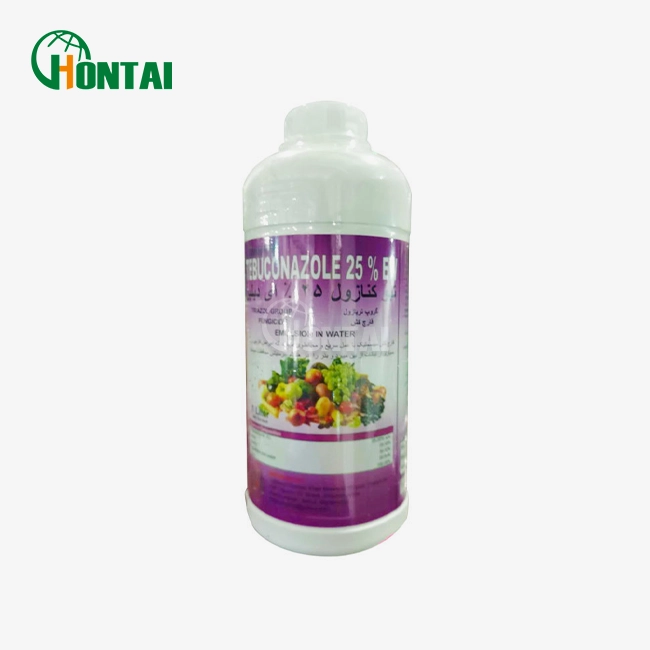
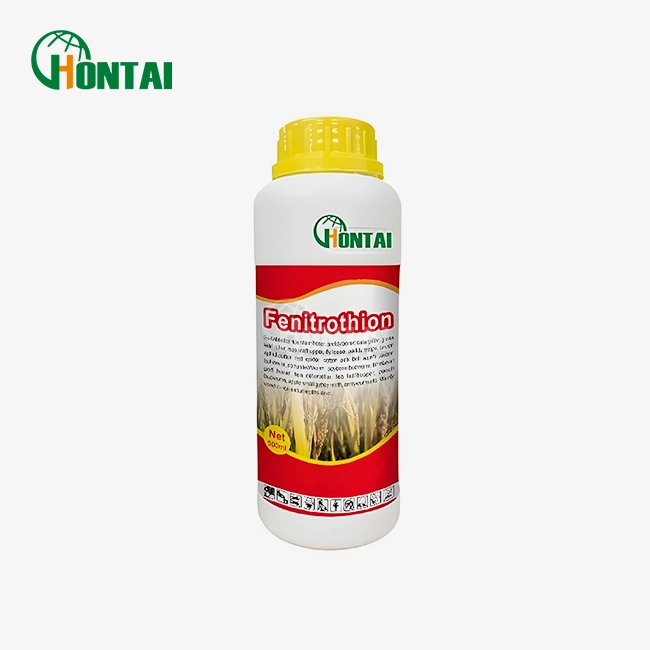
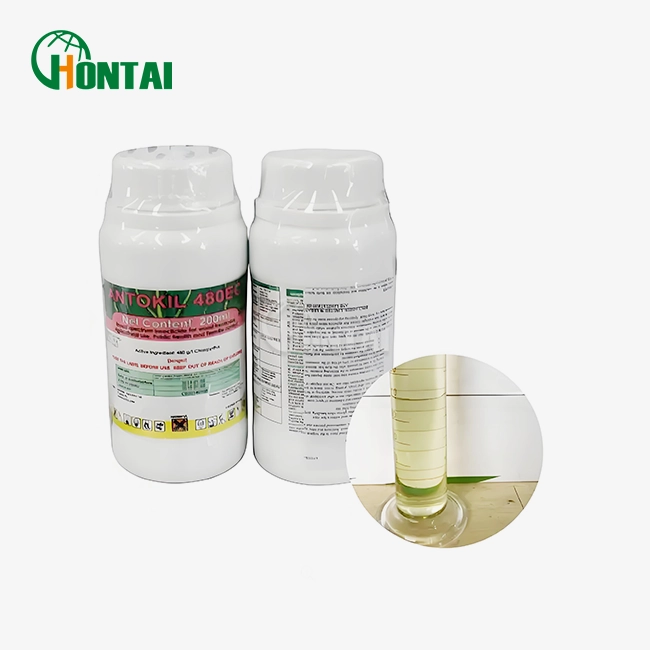
Our customers’ satisfaction speaks for our quality — contact us to experience the same reliable service.