- English
- French
- German
- Portuguese
- Spanish
- Russian
- Japanese
- Korean
- Arabic
- Greek
- German
- Turkish
- Italian
- Danish
- Romanian
- Indonesian
- Czech
- Afrikaans
- Swedish
- Polish
- Basque
- Catalan
- Esperanto
- Hindi
- Lao
- Albanian
- Amharic
- Armenian
- Azerbaijani
- Belarusian
- Bengali
- Bosnian
- Bulgarian
- Cebuano
- Chichewa
- Corsican
- Croatian
- Dutch
- Estonian
- Filipino
- Finnish
- Frisian
- Galician
- Georgian
- Gujarati
- Haitian
- Hausa
- Hawaiian
- Hebrew
- Hmong
- Hungarian
- Icelandic
- Igbo
- Javanese
- Kannada
- Kazakh
- Khmer
- Kurdish
- Kyrgyz
- Latin
- Latvian
- Lithuanian
- Luxembou..
- Macedonian
- Malagasy
- Malay
- Malayalam
- Maltese
- Maori
- Marathi
- Mongolian
- Burmese
- Nepali
- Norwegian
- Pashto
- Persian
- Punjabi
- Serbian
- Sesotho
- Sinhala
- Slovak
- Slovenian
- Somali
- Samoan
- Scots Gaelic
- Shona
- Sindhi
- Sundanese
- Swahili
- Tajik
- Tamil
- Telugu
- Thai
- Ukrainian
- Urdu
- Uzbek
- Vietnamese
- Welsh
- Xhosa
- Yiddish
- Yoruba
- Zulu
Prochloraz Fungicide: Broad-Spectrum, Systemic—Why Choose?
share:
When disease threatens your crop, picking the right pesticide is important. Prochloraz is a unique broad-spectrum systemic answer that is trusted by farmers all over the world for its ability to both protect and eradicate. This imidazole-based fungicide gets into plant tissue, breaks down fungus cell walls by stopping sterol biosynthesis, and works well on turf, fruits, veggies, and field crops. Because it works across layers, it can get to germs inside the body that surface sprays miss. This makes it an important tool for dealing with complex disease stresses. This pesticide comes in a variety of forms, such as 25% EC and 45% EC, so it can be used in a wide range of situations and still meet the strict residue standards for foreign markets.
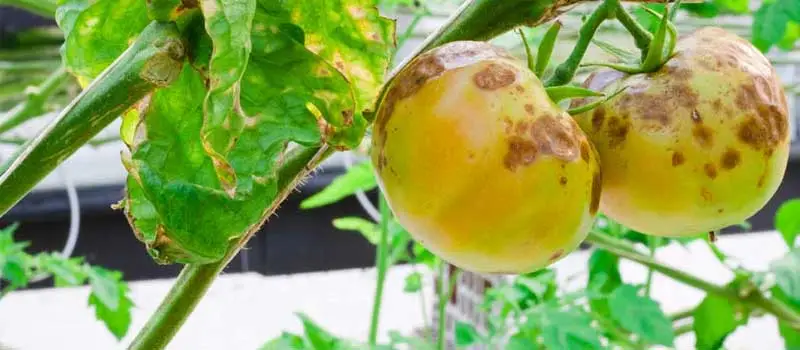
Understanding Prochloraz Fungicide: Mode of Action and Chemical Properties
How does Prochloraz Fungicide work? What are its chemical properties?
Getting rid of crop diseases needs answers that come from inside. Prochloraz (CAS No. 67747-09-5) works differently from many other common fungicides, which is important for industrial growers who have to deal with chronic pathogen problems.
How Prochloraz Works Inside Plants
This imidazole substance moves across the leaf layers, unlike contact fungicides that stay on the leaf surfaces. It gets through the leaf cuticles and plant flesh to get to fungal diseases that are growing inside. The active ingredient stops C14-demethylation in ergosterol biosynthesis, which is a key step in making the cell wall of fungi. Fungal cells can't keep their structure when this process stops, so they die. With this system, growers can choose when to apply the medicine during disease attacks because it works both to protect against infections and to cure them once they've started.
Chemical Stability and Formulation Options
The chemical safety of the molecular formula C15H16Cl3N3O2 means that it will last a long time when stored. Hontai sells this pesticide as a light yellow liquid that can be mixed with other substances to make emulsifiers. With the 25% EC and 45% EC options, you can choose a percentage that fits your tank mixing needs and application amounts. When kept properly, these water-dispersible formulations stay homogeneous. However, after long-term keeping, some stratification may happen in emulsion-in-water versions. Before using, gently stirring the product back into its original form makes sure that the active ingredients are spread out evenly during field application.
Safety Profile and Handling Requirements
When mixing and applying something with a moderate hazard rating, you need to wear standard safety gear. To avoid touching the skin, applicators should wear the right gloves, eye protection, and clothes. The product's EINECS number 266-994-5 shows that it is registered in European chemical stockpiles, which helps with export compliance. Studies of residue behavior show that when applied according to the directions on the label, treated crops meet the Maximum Residue Limits (MRLs) set by countries that receive goods. Pre-harvest intervals depend on the type of crop. Cereals usually need 35 to 40 days, while post-harvest fruit dipping doesn't need PHI because the treatments happen after the harvest. This adaptability lets both field security and post-harvest decay control methods work.
Comparing Prochloraz with Other Fungicides: Performance and Cost-efficiency
Knowing how different active ingredients work in the real world helps you make smart decisions about what to buy. The total cost of ownership for disease prevention is affected by more than just the price per liter. Efficacy, range, and resistance management are also important factors.
Spectrum and Efficacy Against Target Pathogens
Prochloraz works very well against Ascomycete and Deuteromycete fungi that cause a lot of damage to crops. Its ability to kill eyespot (Pseudocercosporella herpotrichoides) in wheat and barley fills a very important gap, especially in places where benzimidazole resistance has grown. It's the usual choice for fruit growers to protect their crops from anthracnose (Colletotrichum spp.) and stem-end rot (Alternaria and Diplodia species) in citrus, mangoes, and bananas. This focused effectiveness against post-harvest pathogens has a direct effect on how marketable the food is while it is being shipped long distances to export markets. Unlike broad-contact fungicides like chlorothalonil, the systemic qualities of Prochloraz 45% EC 98% don't require perfect spray coverage, which is especially helpful when treating thick canopies or during periods of rapid growth.
Economic Considerations and Dosage Efficiency
Cost-effectiveness is measured by how well diseases are controlled per acre. Depending on the stage of the crop and the number of diseases present, the recommended application rate is between 400 and 600 grams of active ingredient per hectare. Because of the translaminar movement, healing benefits can be achieved with smaller amounts than with materials that only touch the skin, which need to be applied more than once. When compared to triazole options like tebuconazole or propiconazole, imidazole chemistry offers rotating value that keeps the effectiveness of all chemical groups. The benefit of managing resistance saves future treatment choices and lowers the long-term cost of disease control over many seasons.
Environmental Impact and Sustainability Factors
For moderate environmental endurance, it's important to pay attention to buffer zones near water and follow the re-entry times. Microbes in the earth break down the compound, and the half-life values allow yearly application patterns without too much carryover. Using this material along with cultural practices and biological controls can help integrated pest management systems work better while using less manufactured inputs overall. Even though it's not allowed in organic farming, its use in regular farming helps keep food quality standards high, which is good for businesses' bottom lines. Buyers who want environmental certifications should make sure that the records of applications and tests for residues meet the audit standards for their market outlets.
Optimizing Prochloraz Usage in Agriculture: Best Practices and Application Guidelines
Using any crop protection tool the right way is important for getting benefits. Results and return on investment are affected by timing, skill, and good management.
Application Timing and Methods
The best time to start treatment depends on how far along the disease is. Applying preventative measures at the right time, like during infection-prone growth stages or when the environment is more likely to support disease, is key to their effectiveness. Treatments that cure infections work for a few days after they happen, as long as the obvious signs haven't gotten too bad. Spray tools should cover the whole area evenly and use droplets that are the right size to reach the crop top, which for field crops is usually between 200 and 300 microns. For seed treatment applications, you need special tools that make sure the coating is even and doesn't hurt the seeds' ability to germinate. For post-harvest dips, fruit is put into a watered-down slurry for 30 to 60 seconds and then left to dry in the air before being packed. Suspension stability is affected by the quality of the water; for example, hard water may need interaction agents to keep biological activity going and stop flocculation.
Resistance Management Strategies
When the same mode of action is used over and over again on fungi populations, they react to selection pressure. The disease management method stays successful by switching between chemical groups. Resistance risk can be lowered by mixing this DMI fungicide with other chemicals that work in different ways, like strobilurins (QoI group) or succinate dehydrogenase inhibitors (SDHI group), either in a tank mix or in a series of treatments. By scouting the field and keeping an eye on the spread of disease, we can tell if medicines are needed and avoid using them when they're not needed, which speeds up the development of resistance. If you think there might be resistance because of poor performance in the field, lab bioassays can prove the level of sensitivity and help you make changes to the product you choose.
Storage and Product Quality Maintenance
Proper keeping keeps products working well in the field and extends their useful life. Keep containers in cool, dry places that are out of direct sunlight and away from high temperatures. Freezing can make emulsions less stable, and too much heat speeds up the breakdown of active ingredients. Always check the containers before using them. If stacking stays after shaking or oil clumps can still be seen, the emulsion may not be working properly. Using a weakened product loses application costs and makes the product less effective. Original sealed packages usually keep their quality for two years if they are kept according to the instructions on the label. If you want the best performance, use the items within the same season after opening them.
Procurement Guide: Buying Prochloraz Fungicide for B2B Customers
Decisions about where to get things affect not only stopping diseases right away, but also the stability of the supply chain and following the rules. Knowing about buying issues helps buyers get good products at reasonable prices. Products like prochloraz 45 are commonly used in bulk B2B transactions due to their proven effectiveness and standardized formulations.
Identifying Authorized Suppliers and Quality Verification
Working with well-known makers lowers the risks that come with using fake or low-quality materials. Hebei Hontai Biotech Co., Ltd. is a company in Shijiazhuang, Hebei Province, that makes fungicides that are always of high quality and have all the right licenses to back them up. Ask sellers for product registration numbers (like PD20090865), batch analysis records that prove the active ingredient content, and Material Safety Data Sheets (MSDS) that describe the risks. Authorized wholesalers keep products in the right places to store them and handle them according to safety rules. This keeps the products' consistency from the time they are made until they are delivered. Testing samples in a separate lab before making big purchases adds another layer of security when setting up new supply relationships.
Pricing Dynamics and Contract Terms
The price is affected by the cost of raw materials, the difficulty of the mixture, and the costs of following regulations. Prices are usually set per ton or kiloliter for big activities, and discounts are given for buying in bulk. Availability is affected by changes in seasonal demand. To avoid shortages during important treatment windows, it is best to secure supply agreements before peak application seasons. Terms of payment depend on the seller and the size of the order. For new customers, payment in advance is required. For known accounts, net-30 or net-60 terms are common. Logistics of delivery affect the total landed cost. To avoid budget shocks, make sure that quotes include freight, insurance, and customs clearing. Long-term supply deals make sure that prices stay stable and that supplies are distributed evenly when the market is tight.
Export-Import Compliance and Documentation
For customs processing and regulatory compliance, international deals need the right paperwork. Phytosanitary certificates, business bills, packing lists, and certificates of origin are all needed to export. Different countries have different rules about what can be imported. Some need products to be registered before they can be sold commercially, while others only need paperwork from the country of origin. If you know about these standards, you can avoid shipping delays and holding fees at ports. Buyers should make sure that suppliers put the right labels on goods in the languages that people will understand, including signal words, danger statements, and use directions that follow the rules in that country. Different markets have different residue limits. Making sure that formulation and application guidelines match target country MRLs saves the ability for treated goods to get into those markets.
Why Choose Prochloraz? Brand Reliability and Industry Trust
Product performance alone doesn't mean much if you can't rely on your supplier to provide regular access and help. A brand's image is based on how well it meets customer wants in a variety of situations.
Manufacturer Credentials and Quality Assurance
Hontai Biotech shows it can make things by running processes that include production, research, and development all in one place. Since it started in May 2021, the company has quickly built networks of suppliers that serve markets around the world. Chemical manufacturing infrastructure and technical know-how in the area are used by production sites in Hebei Province. Quality control procedures make sure that each batch is the same, which is very important for keeping the medicine effective throughout the growth season. Customizing formulas, packaging sizes, and label designs meets the needs of a wide range of market segments, from small regional wholesalers to big agribusinesses that oversee thousands of hectares.
Customer Support and Technical Services
To protect crops effectively, you need to do more than just send products. You also need to offer expert advice when problems arise. Professional sales teams know about agronomic situations and can suggest treatment tactics that work best for certain crops, levels of disease pressure, and weather factors. After-sales service tools make it easy to get help when questions come up while the product is being used in the field. This expert support helps buyers get the most out of the product and fix problems that might make it less useful otherwise. Worldwide farming service skills let buyers in different areas get the same level of support, which boosts trust in supply relationships, no matter where operations are located.
Real-World Performance Validation
Case studies that have been properly documented show how things worked in real-life business situations. Field studies that show fewer diseases and better quality crops are more reliable than statistics from labs. Investing in crop protection programs is worth it because they work against economically important pathogens like eyespot in grains and post-harvest rots in fruits. Distributors and farm service companies build their own names with end users by working with suppliers whose goods always do what they say they will do. This track record lowers the risk of buying and lets farmers make decisions about how to handle diseases with confidence.
Managing diseases well means finding a balance between effectiveness, cost, and responsibility. Prochloraz has systemic qualities that kill pathogens even when they're not in direct contact with the skin. Its unique way of working adds variety to methods for managing resistance, keeping long-term treatment choices safe. Formulations like 25% EC and 45% EC can be used in a variety of ways, such as by spraying on the field, treating seeds, or dipping crops after they've been picked. The success of procurement rests on choosing suppliers you can trust to give you good items, regulatory paperwork, and expert help. By learning about chemical properties, comparative benefits, and best practices, buyers can make choices that protect crops, meet safety standards, and get the most out of their investments in crop protection.
Conclusion
Prochloraz stands out as a reliable, broad-spectrum fungicide that combines systemic action, strong efficacy, and flexible application methods to meet modern agricultural demands. Its ability to control both surface and internal pathogens, along with proven performance in pre- and post-harvest scenarios, makes it a valuable tool for large-scale growers. When supported by proper application timing, resistance management, and compliant sourcing, it delivers consistent crop protection and cost efficiency. For B2B buyers, choosing qualified suppliers and understanding regulatory requirements ensures not only product effectiveness but also long-term supply stability and market access.
FAQ
1. What is the difference between 25% EC and 45% EC formulations?
How much to use and how flexible the tank mixing is depends on the concentration. The 45% EC has a higher percentage of active ingredients, so it needs less product amount per hectare. This cuts down on the cost of moving things and the room needed for storage for big activities. When proper dilution is important, the 25% EC makes mixing easier for smaller spray tanks and lowers the risk of phytotoxicity on sensitive crops. When used at the same amount of active ingredient per acre, both formulations work just as well.
2. Can prochloraz be tank-mixed with other fungicides or pesticides?
How well chemicals mix in a tank depends on how stable the pH is. It works well with triazole fungicides, such as tebuconazole, to kill a wider range of diseases. If you want to combine something with a high pH, like the Bordeaux mixture or copper-based goods, don't do it. High pH breaks down active ingredients and makes them less effective. Before mixing big amounts, you should always do jar tests to see if there is any precipitation, separation, or reactions you didn't expect. Follow the directions on the box for how to mix the ingredients. Usually, you should add this product to water before any other ingredients.
3. How should buyers manage resistance to maintain product effectiveness?
Resistance management requires rotating between different modes of action groups rather than relying solely on DMI fungicides. Alternate applications with QoI (strobilurin) or SDHI chemistry, or use tank mixes combining multiple modes of action. Monitor field performance each season; losing control despite using the right amount of chemicals suggests that resistance is building up. To lower the risk of illness and the need for chemicals, use cultural practices like food rotation, resistant varieties, and good hygiene. Fungal populations are less likely to be affected by selection pressure when uses are limited to treatment windows instead of calendar-based plans.
Partner with Hontai for Reliable Prochloraz Supply
Finding reliable sources for fungicides saves your farming activities and your promises to customers. Hontai Biotech consistently provides high-quality Prochloraz fungicide for sale by combining production skills with global transportation skills. Our professional team offers technical advice that is relevant to your crop protection needs. This helps you get the most out of your application methods and resistance control plans. We help business-to-business customers by giving them a range of flexible packaging choices, full legal paperwork such as MSDS and certificates of analysis, and helpful after-sales service that answers questions throughout the lifetime of the product. Email our team at admin@hontai-biotech.com to talk about bulk prices, get product samples, or set up detailed meetings with our agronomic experts.
References
1. Fungicide Resistance Action Committee. (2022). FRAC Code List: Fungicides Sorted by Mode of Action. Crop Life International.
2. Hewitt, H.G. (1998). Fungicides in Crop Protection. CAB International Publishing, Wallingford, UK.
3. United States Environmental Protection Agency. (2020). Pesticide Product Label System: Prochloraz Technical Documents. Office of Pesticide Programs.
4. Food and Agriculture Organization. (2021). Specifications and Evaluations for Agricultural Pesticides: Prochloraz. Joint FAO/WHO Meeting on Pesticide Specifications.
5. Russell, P.E. (2005). A Century of Fungicide Evolution. Journal of Agricultural Science, Cambridge University Press.
6. Gisi, U., Sierotzki, H., Cook, A., & McCaffery, A. (2002). Mechanisms Influencing the Evolution of Resistance to Fungicides. Annual Review of Phytopathology, Vol. 40.
Our customers’ satisfaction speaks for our quality — contact us to experience the same reliable service.