- English
- French
- German
- Portuguese
- Spanish
- Russian
- Japanese
- Korean
- Arabic
- Greek
- German
- Turkish
- Italian
- Danish
- Romanian
- Indonesian
- Czech
- Afrikaans
- Swedish
- Polish
- Basque
- Catalan
- Esperanto
- Hindi
- Lao
- Albanian
- Amharic
- Armenian
- Azerbaijani
- Belarusian
- Bengali
- Bosnian
- Bulgarian
- Cebuano
- Chichewa
- Corsican
- Croatian
- Dutch
- Estonian
- Filipino
- Finnish
- Frisian
- Galician
- Georgian
- Gujarati
- Haitian
- Hausa
- Hawaiian
- Hebrew
- Hmong
- Hungarian
- Icelandic
- Igbo
- Javanese
- Kannada
- Kazakh
- Khmer
- Kurdish
- Kyrgyz
- Latin
- Latvian
- Lithuanian
- Luxembou..
- Macedonian
- Malagasy
- Malay
- Malayalam
- Maltese
- Maori
- Marathi
- Mongolian
- Burmese
- Nepali
- Norwegian
- Pashto
- Persian
- Punjabi
- Serbian
- Sesotho
- Sinhala
- Slovak
- Slovenian
- Somali
- Samoan
- Scots Gaelic
- Shona
- Sindhi
- Sundanese
- Swahili
- Tajik
- Tamil
- Telugu
- Thai
- Ukrainian
- Urdu
- Uzbek
- Vietnamese
- Welsh
- Xhosa
- Yiddish
- Yoruba
- Zulu
Is dimethomorph pyraclostrobine 78% wdg a systemic fungicide?
share:
When looking at crop safety options, it's important to know how they work. Dimethomorph pyraclostrobine 78% WDG is made up of two active ingredients that serve different purposes. Dimethomorph is a local systemic fungicide, which means it gets into the leaf tissue and moves across the leaf to cover the parts of the plant that haven't been treated. Because of this, it can successfully stop the formation of oomycete cell walls, stopping pathogen growth at very early stages. This is backed up by pyraclostrobine, which has broad-spectrum contact and translaminar action. Together, these water-dispersible granules protect against dangerous fungal diseases by preventing them, curing them, and stopping the growth of spores.
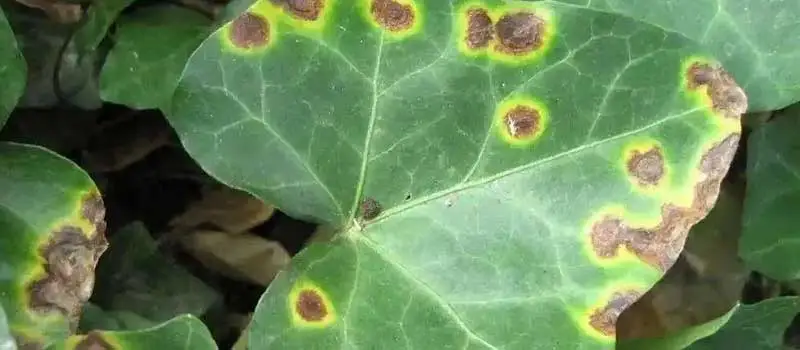
Understanding Dimethomorph Pyraclostrobine 78% WDG: Chemical and Functional Overview
Compared to standard liquid concentrates, water-dispersible granule versions are safer and easier to handle. This 78% WDG format makes sure that there is a high quantity of active ingredients, which lowers the cost of shipping and storage while keeping the solution stable during use.
Active Ingredient Composition and Synergy
FRAC Group 40 chemical dimethomorph is cinnamic acid amide. It targets the oomycete pathogen phospholipid and cellulose synthesis. To function in the field, it must be combined properly since its chemical formula, C21H22ClNO4, is stable and dissolves slowly in water (18 mg/L). Pyraclostrobine, a strobilurin fungicide, expands the disease spectrum from oomycetes to ascomycete and basidiomycete pathogens. This two-step approach tackles two diseases at once, making it effective in systems that yield important crops and require complete disease safety.
Systemic Versus Contact Activity Clarification
When discussing agrochemicals, "systemic" frequently causes confusion. True systemic fungicides go into the plant's xylem or phloem to protect untreated areas. Dimethomorph locally and systemically reorganises leaf layers to protect the top and bottom surfaces. While strictly contact fungicides remain on the surface they are applied to, translaminar movement provides better protection. Dimethomorph-treated leaves had decreased underside disease rates in field testing, even with partial spray application. This shows it can enter plant cells. Pyraclostrobine improves plant defence by increasing translaminar mobility.
Primary Disease Targets and Crop Applications
The blend effectively combats oomycete infections that lower crop quality and marketability. Late blight in potatoes and tomatoes caused by Phytophthora infestans is a major problem due to its rapid spread and the requirement for fast-acting fungicides that destroy spores. Dimethomorph 50 % WP kills downy mildew on cucumbers, cabbage, and berries well. Use the product from blooming to bunch closure in vineyards to avoid infection during critical growth phases. The product also fights anthracnose, septoria leaf spot, and root and crown rot pathogens in tomato, cucumber, and plant crops. Commercial farms that treat hundreds to thousands of acres benefit from the reliability and broad disease coverage of Dimethomorph 50 % WP.
Comparative Analysis: Dimethomorph Pyraclostrobine vs. Other Fungicides
Procurement workers can make better sourcing choices when they know how their competitors are positioning themselves. To choose the right fungicide, you have to weigh its effectiveness, resistance risk, environmental impact, and cost, as well as the size of your business and the crops you grow.
Mode of Action and Resistance Management
Metalaxyl and similar phenylamide fungicides have been the main way to control oomycete diseases in the past, but they are now having a lot of trouble with resistance. Through its distinctive FRAC Group 40 label, Dimethomorph offers a crucial resistance control tool. Mandipropamid also blocks cell walls, but it doesn't have the wider disease coverage of the pyraclostrobine component. Chlorothalonil and copper-based fungicides work as multi-site contact protectants with low resistance risk, but they need to be reapplied often and don't kill the fungus. The combination formulation answers worries about resistance by combining two active ingredients that work in different ways. This lowers the selection pressure on pathogen populations. This trait is especially useful for large-scale processes that come across metalaxyl-resistant types and need to use different chemicals to get the job done.
Environmental Profile and Regulatory Compliance
Cinnamic acid amide falls within FRAC Group 40. Oomycete pathogen phospholipid and cellulose synthesis are targeted. Since C21H22ClNO4 is stable and dissolves slowly in water (18 mg/L), it must be appropriately mixed to work in the field. Pyraclostrobine, a strobilurin fungicide, increases oomycete, ascomycete, and basidiomycete disease spectrum. This two-step strategy targets two diseases at once, making it beneficial in critical agricultural systems that need disease safety.
Systemic Versus Contact Activity Clarification
Using "systemic" in agrochemical discussions is confusing. True systemic fungicides protect untreated regions in xylem or phloem. Dimethomorph reorganises leaf layers locally and systemically to protect the top and bottom surfaces. Translaminar movement protects better than contact fungicides, which stay on the surface. Dimethomorph-treated leaves exhibited lower underside disease rates in field trials, even with partial spraying. So it can penetrate plant cells. Pyraclostrobine boosts translaminar mobility for plant protection.
Primary Disease Targets and Crop Applications
The combination controls oomycete infections that impair crop quality and marketability. Rapid dissemination and the need for fast-acting fungicides to kill spores make Phytophthora infestans-caused late blight in potatoes and tomatoes a big issue. This mix effectively destroys cucumber, cabbage, and berry downy mildew. Use it from blossoming to bunch closure in vineyards to prevent infection during key development. Anthracnose, septoria leaf spot, and root and crown rot in tomato, cucumber, and plant crops are also controlled. This mixture's stability and disease coverage assist commercial farmers treating hundreds to thousands of acres.
Application Guidelines and Resistance Management for Dimethomorph Pyraclostrobine 78% WDG
Paying attention to treatment details is necessary for constant disease control. Dosing, time, and spray method all have a direct effect on how well dimethomorph pyraclostrobine 78% WDG works.
Recommended Dosage and Application Timing
Field treatment rates are usually between 375 and 600 grams per hectare, but they can be changed depending on the type of disease, the stage of crop growth, and the components of the tank mix. The most cost-effective way to protect yourself is to use preventative measures before symptoms show up. When growing potatoes and tomatoes, the first treatments made when the canopy closes protect the leaves during the early stages of rapid vegetative growth, when the risk of infection rises. The next applications are made every 7 to 14 days, based on the weather. The time between applications is shorter when there is a lot of humidity and warm temperatures, which are good for disease growth. Applications made in vineyards are meant to protect flower groups and inflorescences from flowering to berry set. Early-season preventative programs can help cucumber and melon production by stopping downy mildew before it starts to grow. The product's high rainfastness—it starts working two to three hours after application—helps keep crops safe during stormy weather.
Tank-Mix Compatibility and Integrated Programs
When you mix fungicides that work in different ways, you can better control resistance and treat more diseases. Dimethomorph pyraclostrobine 78% WDG works well with popular contact fungicides like mancozeb and chlorothalonil, producing strong multi-site activity in addition to site-specific reduction. It is still a good idea to test for physical compatibility before mixing on a big scale, especially when adding adjuvants, foliar nutrients, or pesticides. Keeping the pH of the spray solution at the right level (usually between 5.5 and 7.0) protects the active ingredients and helps the plant absorb them better. Rotating fungicides from different FRAC groups, like Group 11 (strobilurins used alone), Group 4 (SDHIs), or Group M (multi-site contacts), keeps long-term effectiveness high by avoiding relying too much on a single mode of action.
Safety Protocols and Environmental Stewardship
Standard protected gear for applicators includes gloves, eye protection, and the right clothes to wear while mixing and applying. Re-entry times listed on product packages keep fieldworkers from being exposed to unnecessary chemicals. As part of environmental care, buffer zones are set up near bodies of water to keep them clean, and equipment is calibrated to make sure it doesn't apply too much. The product is safe for non-target animals, which helps with integrated pest management goals and makes it compatible with biological control initiatives. Following local rules for properly getting rid of empty containers has the least effect on the earth while still following the rules.
Procurement and Supply Chain Insights for Global B2B Clients
To get reliable agrochemical products, you need to know your choices for sourcing, the rules that apply, and the processes that are unique to foreign trade.
Supplier Verification and Quality Assurance
Buying from well-known companies with clear quality control methods lowers the risk of buying something. Hebei Hontai Biotech Co., Ltd. is a company in Shijiazhuang, Hebei province, that makes fungicides. They make different kinds of dimethomorph formulas (50% WP, 50% WG, 80% WDG, and 97% TC). Since sales, research, and development are all done by the same business, technical help is available along with the products. Good Manufacturing Practice certifications, product registration paperwork for target markets, and batch testing papers that show the active ingredient content, physical qualities, and lack of banned impurities should all be used as verification criteria. Consistent purity levels—keeping technical grade material at ≥97% with very few acetone insolubles—ensure that the mixture stays stable and works well in the field.
Packaging Formats and Bulk Ordering Benefits
Bulk packing is good for businesses because it lowers the cost per unit and cuts down on packaging trash. As standard, we offer water-soluble bags for direct tank addition, which protect the user, and multi-kilogram containers that can be used with automatic mixing systems. For foreign shipments, the minimum order quantity is usually one metric ton. For container-load volumes, the price benefits get bigger. Private labelling and custom package services meet the needs of distributors in a variety of market areas. Lead times change with the seasons. For first orders, planning ahead 60 to 90 days is a good idea, and for reorders from suppliers you already work with, 30 to 45 days is fine.
Regulatory Documentation and Customs Compliance
For international trade in agrochemicals, a lot of paperwork is needed. Safety Data Sheets (SDS) that follow the Globally Harmonised System standards give suppliers and end users the information they need to classify hazards and know what to do in an emergency. Product registration papers show that the item can be sold and used legally in the country where it is going. Phytosanitary certificates and certificates of origin make it easier to get goods through customs while still meeting the needs of the country that is receiving them. To get into the U.S. market, EPA registration or tolerance waivers must be in line with the Federal Insecticide, Fungicide, and Rodenticide Act. Suppliers with a lot of experience, like Hontai, offer full paperwork packages that make the import process easier and cut down on clearance delays that mess up supply lines.
Why Choose Dimethomorph Pyraclostrobine 78% WDG? Value Proposition for B2B Buyers
Strategic product selection impacts crop safety and business profitability. This multipurpose pesticide satisfies several demands.
Profitable crop farmers require fungicides that work everywhere. The two active compounds destroy several viral combinations and prevent resistance. Spore protection, healing, and killing extend application windows and spray program flexibility. WDG formulations are safer to handle and store than liquid compositions that crystallise or separate phases, reducing operational hazards. Better rainfastness preserves fungicide investments in unpredictable adverse weather, maintaining disease-preventing residue levels between applications.
Agrochemical distributors and shippers get a competitive advantage by differentiating their goods. Progressive producers seeking cutting-edge crop protection will appreciate the mix recipe's technological sophistication. Broad crop registration profiles increase market opportunities across product groupings. OEM capabilities and packaging options assist private-label distributor brand value strategies. Manufacturer-provided field trial data, application guidelines, and resistance management approaches enhance the product. It improves client interactions and sales.
Crop advisors and agricultural service providers favour products with clear usage and success statistics. When dose requirements and activity patterns are known, suggestions are easy. Full crop safety plans may include them since they function with integrated systems. Having manufacturer experts on hand helps tackle uncommon disease pressures or application issues. Consultants become more confident and give consistent suggestions, which leads to repeat requests from customers.
Conclusion
Dimethomorph pyraclostrobine 78% WDG is a new kind of pesticide that works on a local level and kills a wide range of diseases. The mixture fights important oomycete pathogens and lowers the risk of resistance by working in two different ways. It works well in tough farming conditions because of its technical features, such as its ability to move smoothly across layers, kill spores, and not get damaged by rain. Some of the benefits of procurement are focused formulation for efficient freight, flexible packing, and full regulatory support. Commercial producers, distributors, and farming service providers can rely on reliable supplies, regular quality, and expert help to run their businesses successfully.
FAQ
1. How does systemic activity improve disease control effectiveness?
Local systemic and translaminar fungicides work by getting into plant tissues and protecting parts that aren't directly hit by spray drops. This moving through leaf structures protects the undersides and new growth that comes up after the product is applied, giving more complete protection than products that only come into contact with the plant.
2. What documentation supports international shipments?
Safety Data Sheets, certificates of analysis that prove the physical qualities and amount of active ingredients, certificates of origin, and any necessary registration paperwork are all part of full export packages. Suppliers with a lot of experience give phytosanitary certificates and customs statements that match the needs of the target country.
3. Does the formulation present safety concerns for sensitive crops?
A lot of information about crop safety shows that it works with all reported use patterns. Phytotoxicity can be avoided by following the label's instructions for application rates and growth stage limits. Tank-mix suitability testing looks at how different sources might affect how a crop responds.
Partner with a Trusted Dimethomorph Supplier for Your Crop Protection Needs
Getting regular amounts of high-quality fungicides makes you more competitive. Hebei Hontai Biotech Co., Ltd. provides complete pesticide solutions and supports them with dependable production, the ability to ship goods around the world, and expert technical help. Our dimethomorph formulas are up to world quality standards and can be changed to meet the needs of different markets. Email our knowledgeable sales team at admin@hontai-biotech.com to talk about your particular buying needs, get full product specifications, or look into your options for custom formulation. We offer full paperwork packages that include Safety Data Sheets and help with registration to make importing easier and make sure you follow all global market regulations.
References
1. Fungicide Resistance Action Committee. (2023). FRAC Code List: Fungicides Sorted by Mode of Action. Crop Life International, Brussels.
2. Gisi, U., & Sierotzki, H. (2015). Oomycete Fungicides: Phenylamides, Quinone Outside Inhibitors, and Carboxylic Acid Amides. Modern Crop Protection Compounds, Volume 2, Wiley-VCH.
3. Leadbeater, A. (2012). Recent Developments and Challenges in Chemical Disease Control. Plant Protection Science, 48(Special Issue), S1-S5.
4. Mueller, D. S., & Wise, K. A. (2021). Fungicide Efficacy for Control of Soybean Foliar Diseases. Purdue University Extension Publication BP-162-W.
5. Toffolatti, S. L., Venturini, G., Maffi, D., & Vercesi, A. (2012). Phenotypic and Histochemical Traits of the Interaction Between Plasmopara viticola and Resistant or Susceptible Grapevine Varieties. BMC Plant Biology, 12(1), 124.
6. United States Environmental Protection Agency. (2019). Pesticide Product Registration. Office of Pesticide Programs, Washington, DC.
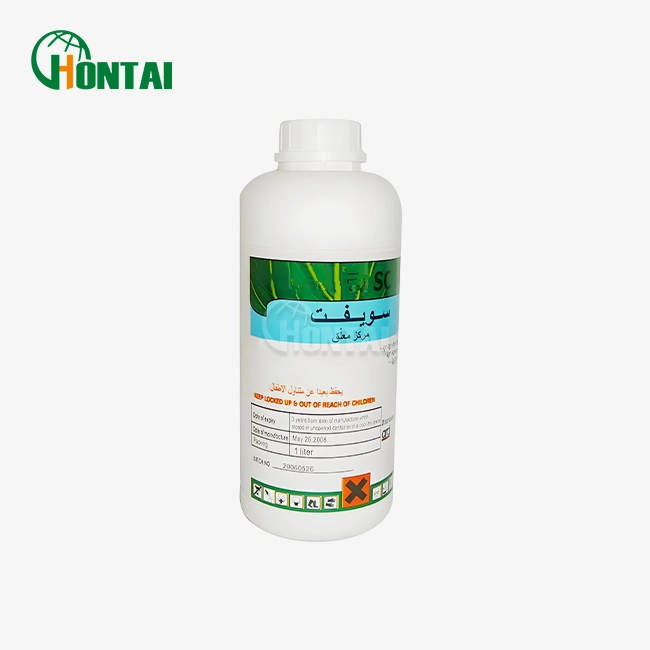
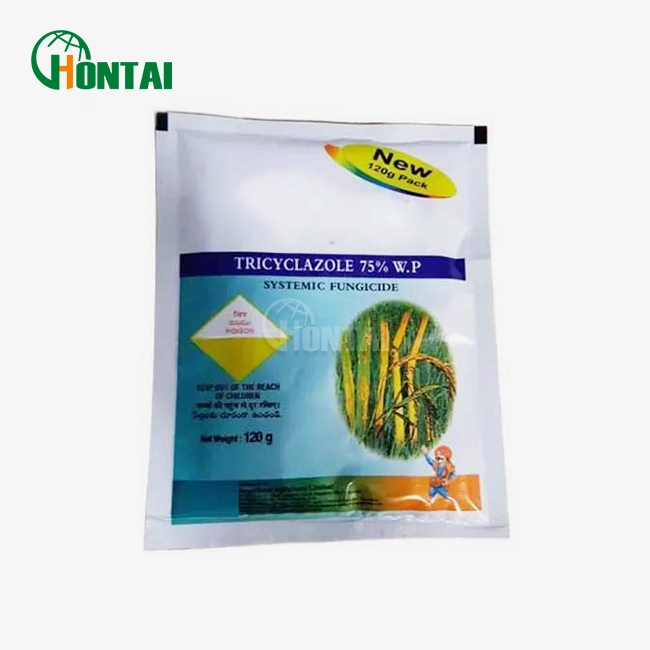
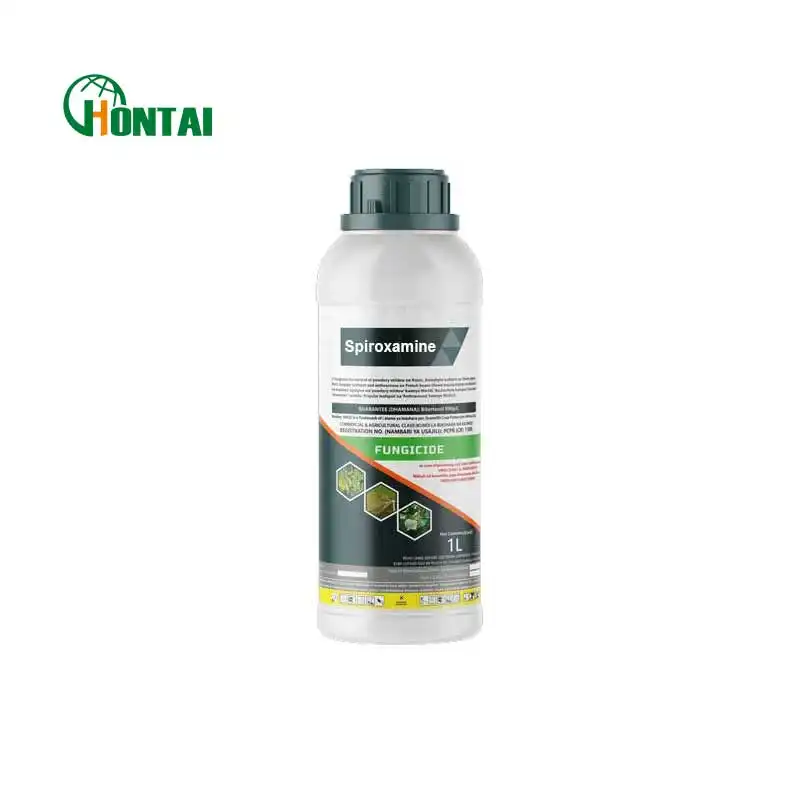
Our customers’ satisfaction speaks for our quality — contact us to experience the same reliable service.