- English
- French
- German
- Portuguese
- Spanish
- Russian
- Japanese
- Korean
- Arabic
- Greek
- German
- Turkish
- Italian
- Danish
- Romanian
- Indonesian
- Czech
- Afrikaans
- Swedish
- Polish
- Basque
- Catalan
- Esperanto
- Hindi
- Lao
- Albanian
- Amharic
- Armenian
- Azerbaijani
- Belarusian
- Bengali
- Bosnian
- Bulgarian
- Cebuano
- Chichewa
- Corsican
- Croatian
- Dutch
- Estonian
- Filipino
- Finnish
- Frisian
- Galician
- Georgian
- Gujarati
- Haitian
- Hausa
- Hawaiian
- Hebrew
- Hmong
- Hungarian
- Icelandic
- Igbo
- Javanese
- Kannada
- Kazakh
- Khmer
- Kurdish
- Kyrgyz
- Latin
- Latvian
- Lithuanian
- Luxembou..
- Macedonian
- Malagasy
- Malay
- Malayalam
- Maltese
- Maori
- Marathi
- Mongolian
- Burmese
- Nepali
- Norwegian
- Pashto
- Persian
- Punjabi
- Serbian
- Sesotho
- Sinhala
- Slovak
- Slovenian
- Somali
- Samoan
- Scots Gaelic
- Shona
- Sindhi
- Sundanese
- Swahili
- Tajik
- Tamil
- Telugu
- Thai
- Ukrainian
- Urdu
- Uzbek
- Vietnamese
- Welsh
- Xhosa
- Yiddish
- Yoruba
- Zulu
How does mancozeb fungicide work?
share:
Mancozeb is a multi-site contact pesticide that safeguards crops by interfering with important metabolic processes in fungal cells before they become infected. This dithiocarbamate molecule blocks enzymes with sulfhydryl groups, which stops ATP production, lipid metabolism, and fungal respiration. Mancozeb stops spores from germinating and hyphae from growing on leaf surfaces by attacking multiple biochemical pathways at the same time. This creates a barrier that protects plants from a wide range of plant pathogens, such as downy mildew, Phytophthora, and early blight, which affect field crops, fruit trees, and vegetables.
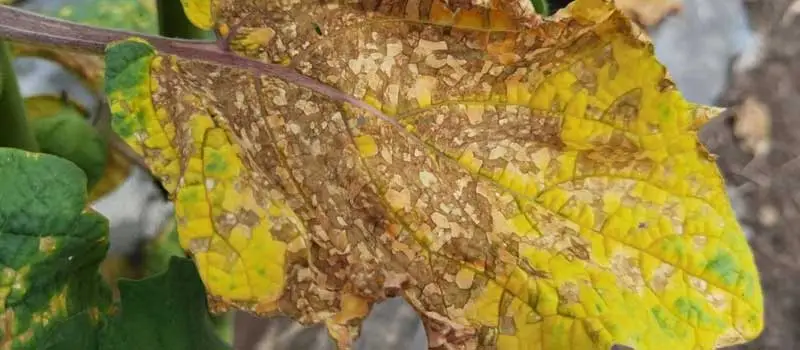
Understanding Mancozeb: Chemical Nature and Mode of Action
Mancozeb is unique in the pesticide market because it is a coordination complex made up of manganese ethylene bisdithiocarbamate and zinc ions. Because of its unique chemical structure, it has great defensive properties and also gives plants important micronutrients. The grayish-yellow powder stays steady when stored properly, but it starts to work when it comes into contact with water on plant surfaces.
Multi-Site Protective Mechanism
The pesticide works because it can stop several enzyme systems inside fungus cells from working. Systemic fungicides go deep into plants and attack a single biochemical pathway. This contact protectant, on the other hand, stays on the leaf surface and reacts with amino acids and sulfhydryl-containing enzymes that are important for fungal life. This process puts it in FRAC Group M03, which means that resistance builds up very slowly. This is a huge benefit for long-term plans that aim to control diseases. Agricultural businesses that take care of hundreds of hectares of land like this last longer because it keeps working well season after season without needing to be changed out often.
Coordination Complex Benefits
Zinc-manganese combines two useful properties into one. In addition to keeping diseases away, it fixes vitamin deficits that are common in systems that grow a lot of crops. Zinc is an important mineral for making growth hormones and proteins, while manganese helps with photosynthesis and enzyme activity. Commercial farmers who grow tomatoes, potatoes, and grapes often see better leaf coloring and health, along with less disease, which means better quality for the market and more possible yield.
Broad-Spectrum Disease Control
Metalaxyl-m + Mancozeb 80 WP protects plants from more than 400 harmful fungi that affect different types of plants. It helps vegetable farmers deal with late blight on potatoes and tomatoes, downy mildew on cucumbers and melons, and alternaria leaf spot on many different crops. Fruit farmers use it to keep scab from happening on apples and pears, and cotton and grain farmers use it to stop leaf spot and rust bacteria. Its flexibility makes Metalaxyl-m + Mancozeb 80 WP a must-have for agrochemical wholesalers looking for full portfolio options that meet the needs of a wide range of customers in different regional markets.
Application Techniques and Recommended Dosage for Optimal Performance
To effectively stop the spread of disease, the right composition must be used at the right time. Protectants need to be covered before pathogens get there, so it's more important to plan for prevention than for treatment.
Foliar Application Methods
Foliar sprays are used most of the time in business settings. They are applied with boom sprayers on the ground or tools in the air. When the spray amount and droplet size are just right, the leaves are evenly covered, which is directly related to the quality of the protection. Depending on the crop cover density and growth stage, the amount of water used is usually between 200 and 400 liters per hectare. Adding non-ionic lubricants or spreader-stickers makes it easier for droplets to spread and stick together. This is especially important in places where it rains a lot. Usually, the product needs four to six hours to dry completely before it can stand up to rain, but adjuvants can make this quality much better.
Dosage Guidelines by Crop Category
How much is applied depends on the type of crop and how many diseases are present. Usually, 1.5 to 2.5 kilograms of the active ingredient are sprayed to each hectare of vegetable crops every seven to fourteen days, based on whether the weather is conducive to disease growth. Fruit trees may need a little more because their canopies are bigger and they need more shelter every so often. Field crops like cotton and soybeans usually have lower rates but cover a larger area. To get customers to be happy and come back, procurement managers need to make sure that their provider gives clear technical advice that is based on local disease profiles and legal frameworks.
Storage and Handling Requirements
Field efficiency is directly affected by how stable the product is. The fungicide should be kept in cool, dry places that are out of direct sunlight and away from water. Chemicals can break down when temperatures or humidity are high, which could lead to the formation of ethylenethiourea (ETU), a breakdown product that needs to be closely watched by regulators. Good providers follow the right storage rules and give you goods that have a good shelf life, usually 18 to 24 months after they were made if they are kept properly. When sending goods to foreign markets, especially through tropical areas, distributors must carefully plan their operations to keep storage temperatures from going too high or too low.
Safety, Environmental Impact, and Resistance Management
These days, buying things for farming involves more than just how well they work. It also involves full safety ratings and practices that are good for the earth. To meet both government requirements and business sustainability goals, buyers are asking for more specific safety statistics and information on what happens to the environment.
Operator Safety Protocols
People who handle Metalaxyl-m + Mancozeb 80 Wp and mix it should wear the right safety gear, like chemical-resistant gloves, long-sleeved shirts, long pants, and safety glasses. During mixed tasks, breathing protection may be needed to keep dust particles from getting into the lungs. If you handle Metalaxyl-m + Mancozeb 80 WP correctly, it has low acute toxicity, but you shouldn't let it stay on your skin for too long. Agricultural service providers like it when makers provide full safety data sheets and application directions in local languages. This lowers their risk of liability and helps train their workers.
Environmental Fate Characteristics
Its half-life in the ground is one to eight weeks, depending on temperature, dampness, and microbial activity. It leaches into groundwater less because it bonds to soil particles. Spreading near water requires buffer zones to protect fish and wildlife. In pollinator-friendly management programs, the product may be sprayed while honeybees are not seeking food, since it is not detrimental to them after the spray droplets dry. These natural features allow North Americans and Europeans to obey harsher standards while maintaining corporate performance.
Resistance Management Strategies
This chemical is the core of fungicide rotating programs because it works on multiple sites, which makes it better at managing resistance. Tank-mixing with systemic fungicides like azoxystrobin or metalaxyl is often suggested by agronomists to keep higher-risk chemicals from becoming resistant. This method works as both a protector and a healer, and it also makes more expensive systemic goods last longer. Crop protection experts appreciate sellers who offer professional help for incorporating these rotation strategies into full disease management plans. This adds value above and beyond just selling products.
Mancozeb Compared: Positioning Against Other Fungicides in the Market
Procurement workers can make better sourcing choices that balance performance, cost, and risk across their product lines when they know how their competitors are positioning themselves.
Cost-Effectiveness Analysis
This fungicide usually has better cost-per-hectare economics than newer systemic options. This is especially important for markets that are sensitive to price changes and crops with low profit margins. The prices for azoxystrobin and boscalid may look similar for a single treatment, but because of the chance of resistance, they have to be rotated, which makes the costs higher each season. When added to preventative programs, the protective method pays off all season long, which makes it especially appealing to large-scale agricultural growers who are trying to make ends meet. In markets where prices are competitive, this price edge is very important for distributors to keep their market share against generic rivals.
Performance Benchmarking
In comparison to chlorothalonil, which is another multi-site protectant fungicide, this product provides extra micronutrients and usually works better against downy mildew bacteria. Compared to copper-based fungicides, it controls diseases just as well or better while posing less of a risk of harm to plants that are sensitive to them. The comparison gets more complicated when systemic fungicides are used instead. Systemic products can heal and guard for longer, but they come with a higher chance of resistance and usually cost more per application. Most of the time, the best plan is a mix of the two. This protectant can be used as a base, and smart systemic applications can be made during key disease windows.
Market Positioning Insights
Global pesticide markets show regional tastes that are affected by the number of diseases, the types of crops grown, and the rules and regulations in place. Growers of potatoes and tomatoes in North America depend on this chemical a lot to control late blight, while vineyards in Europe use it a lot to fight downy mildew. It is used to stop blast and sheath rot by Asian rice farmers. When wholesalers and importers know about these regional patterns, they can make sure that their product lines meet the needs of local markets. This keeps inventory in line with regular buying patterns and increases the efficiency of turnover.
Procurement Insights: Sourcing Quality Fungicide for B2B Operations
To get reliable supplies at reasonable prices, you need to know how the market works, what your suppliers can do, and how to make sure the quality of the goods, including Mancozeb, in a way that protects buyer interests and user happiness.
Supplier Evaluation Criteria
Reputable manufacturers have strong quality control procedures that ensure batch-to-batch consistency in active ingredient quantity, particle size distribution, and stability. Request regulatory compliance documents, such as target market registration certificates and product analysis certifications, to verify specifications. Long-term exporters can manage complex phytosanitary and customs regulations, speeding up delivery and avoiding clearance issues. Hontai, a Hebei company, makes items and has swift technological assistance to address application issues and adjust formulas.
Pricing Dynamics and Order Optimization
Raw material pricing, factory space utilisation, and seasonal demand affect market prices. People may save a lot by buying in bulk at off-peak periods, but they must measure the savings against supply costs. Standard formulas normally start at one metric tonne, although supplier minimums vary. Higher volumes provide better prices. Long-term supply partnerships with volume guarantees stabilise prices and ensure supply amid strong demand, when spot market availability is restricted, and prices soar.
Logistics and Regulatory Considerations
International exports are classified as risky commodities, limiting their categories and increasing delivery costs. Most container loads cost less than smaller items. This benefits distributors who can combine consumer demand. Asian companies ship items to North America in four to six weeks. Production, quality testing, and maritime freight transit occur during this period. Successful importers have enough safety stock in case of supply chain issues. They also prevent overstocking, which may tie up working capital and spoil items stored for too long.
Conclusion
This multi-site contact fungicide is still used to manage diseases in many agricultural systems since it works on many diseases, is simple to procure, and has a low resistance rate. It effectively defends against diseases that damage vegetables, fruits, and field crops by inhibiting fungal enzyme pathways. Commercial agricultural procurement professionals should understand this science's technical aspects, application demands, and competitive positioning, which make it crucial for current crop protection programs. Buying from well-known firms with proven quality processes and helpful technical assistance ensures a stable supply chain that matches large-scale agricultural operations' high requirements.
FAQ
1. Can This Product Be Mixed With Alkaline Pesticides?
No, there are problems when adding alkaline materials like Bordeaux blend or lime sulfur in a tank. In alkaline settings above pH 8, chemicals break down quickly, destroying the active ingredient and making the product less effective while possibly hurting crops. For the best safety and effectiveness, tank-mix partners should keep their pH levels neutral to slightly acidic.
2. Does This Fungicide Offer Curative Disease Control?
There are no healing qualities in this product; it only works as a protector. It stops spores from germinating on leaf surfaces, but germs that have already entered plant flesh can't be killed. Disease control programs should start their work before an attack happens, usually when the conditions are right for the disease to spread. Once signs show up, widespread fungicides that can cure the disease are needed to stop it from getting worse.
3. Why Do Buyers Monitor ETU Levels In Product Shipments?
When the active ingredient breaks down because of bad keeping conditions, like too much heat or wetness, ethylenethiourea (ETU) is made. Because of worries about toxicology, regulatory bodies around the world set maximum ETU residue limits. Responsible sellers keep warehouses in good shape and only send fresh goods with dates of manufacture that can be proven. This keeps the ETU content well below the limits set by regulators. Buyers should ask for ETU testing documents, especially for items that will be stored or shipped in places with high temperatures.
Partner With a Trusted Mancozeb Supplier for Your Agricultural Solutions
Hebei Hontai Biotech Co., Ltd. offers complete crop protection options backed by technical know-how and a dependable supply chain. Our fungicide mixtures, including Mancozeb, are effective against downy mildew, Phytophthora, and Pythium pathogens, which are major problems in veggies, fruit trees, and field crops. We can make changes that are flexible to fit the needs of your market, such as private labeling, different formulation types, and different package designs.
Our professional sales team offers quick technical support and low prices that help you make more money while making sure your customers get regular, high-quality goods. Email our agricultural experts at admin@hontai-biotech.com to talk about your unique needs and find out how our manufacturing skills, quality assurance systems, and global logistics network can help your business grow in foreign markets.
References
1. Gullino, M.L., Tinivella, F., Garibaldi, A., Kemmitt, G.M., Bacci, L., and Sheppard, B. (2010). "Mancozeb: Past, Present, and Future." Plant Disease, 94(9), 1076-1087.
2. Fungicide Resistance Action Committee (FRAC). (2022). "FRAC Code List: Fungicides Sorted by Mode of Action." CropLife International.
3. United States Environmental Protection Agency. (2018). "Mancozeb: Reregistration Eligibility Decision." EPA Office of Pesticide Programs.
4. Latin, R. (2011). "A Practical Guide to Turfgrass Fungicides." American Phytopathological Society Press.
5. van den Bosch, F., Paveley, N., Shaw, M., Hobbelen, P., and Oliver, R. (2011). "The Dose Rate Debate: Does the Risk of Fungicide Resistance Increase or Decrease with Dose?" Plant Pathology, 60(4), 597-606.
6. Tomlin, C.D.S. (2009). "The Pesticide Manual: A World Compendium, 15th Edition." British Crop Production Council.

Our customers’ satisfaction speaks for our quality — contact us to experience the same reliable service.