- English
- French
- German
- Portuguese
- Spanish
- Russian
- Japanese
- Korean
- Arabic
- Greek
- German
- Turkish
- Italian
- Danish
- Romanian
- Indonesian
- Czech
- Afrikaans
- Swedish
- Polish
- Basque
- Catalan
- Esperanto
- Hindi
- Lao
- Albanian
- Amharic
- Armenian
- Azerbaijani
- Belarusian
- Bengali
- Bosnian
- Bulgarian
- Cebuano
- Chichewa
- Corsican
- Croatian
- Dutch
- Estonian
- Filipino
- Finnish
- Frisian
- Galician
- Georgian
- Gujarati
- Haitian
- Hausa
- Hawaiian
- Hebrew
- Hmong
- Hungarian
- Icelandic
- Igbo
- Javanese
- Kannada
- Kazakh
- Khmer
- Kurdish
- Kyrgyz
- Latin
- Latvian
- Lithuanian
- Luxembou..
- Macedonian
- Malagasy
- Malay
- Malayalam
- Maltese
- Maori
- Marathi
- Mongolian
- Burmese
- Nepali
- Norwegian
- Pashto
- Persian
- Punjabi
- Serbian
- Sesotho
- Sinhala
- Slovak
- Slovenian
- Somali
- Samoan
- Scots Gaelic
- Shona
- Sindhi
- Sundanese
- Swahili
- Tajik
- Tamil
- Telugu
- Thai
- Ukrainian
- Urdu
- Uzbek
- Vietnamese
- Welsh
- Xhosa
- Yiddish
- Yoruba
- Zulu
How does Dimethomorph affect the resistance of pests and diseases?
share:
Dimethomorph is an important part of controlling pathogen resistance because it stops the formation of fungal cell walls through a unique biochemical process. This fungicide stops oomycete pathogens from making phospholipids and cellulose because it is a cinnamic acid compound in FRAC Group 40. Its unique way of working lowers cross-resistance with common phenylamide fungicides like metalaxyl, which makes it an important part of programs to control resistance. When dimethomorph is used with contact fungicides in cycle schemes, it keeps working for a long time and keeps crops healthy in a wide range of farming conditions.
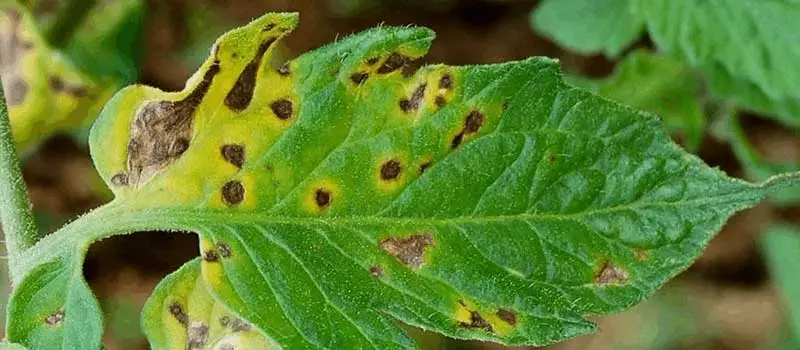
Understanding Dimethomorph and Its Role in Disease Resistance
Dimethomorph is a cutting-edge crop defense tool designed especially to fight oomycete fungi, which destroy valuable crops. Procurement pros and farm managers need to know about the chemicals that make up this fungicide in order to make decisions that are both cost-effective and effective at stopping diseases.
Chemical Characteristics and Mode of Action
Morpholines are C21H22ClNO4 compounds. Dimethomorph is 97% pure and comes in white crystalline grains of E and Z isomers. It has to be converted into wettable powders (WP), water-dispersible granules (WG), or liquid concentrates for field usage since it doesn't dissolve well in water (18 mg/L at neutral pH). The chemical approach blocks oomycete-growing phospholipid pathways. This prevents fungal cell wall construction. This mess disrupts sporangia walls, preventing infections from multiplying and spreading through plant cells.
Targeted Pathogen Control
Phytophthora infestans (late blight), Plasmopara viticola (grape downy mildew), and Pseudoperonospora cubensis respond well to this therapy. The substance protects untreated leaf undersides by moving across layers. Spray coverage is difficult under heavy crop canopies; this is a major advantage. The fungicide inhibits infections and spore growth on wounds, breaking the cycle of infection during crop development.
Integration into Disease Management Programs
Large-scale farmers benefit from integrated pest management systems using this fungicide. Grape farms utilise treatments from blossoming to fruit set to maintain canopy health and fruit quality. In humid weather, potato and tomato producers use early-season treatments to prevent late blight. The quick rainfastness—it begins operating two hours after application—ensures protection in industrial production zones' variable weather.
Mechanisms Behind Dimethomorph's Impact on Pest and Disease Resistance
Figuring out how fungicides affect the biology of pathogens helps us understand why some ways of controlling diseases work and others don't. Resistance growth is a big problem for farms because it costs money, so mechanism-based selection of Dimethomorph 50 % WP is very important for long-term production.
Biochemical Interaction with Plant Pathogens
The pesticide damages cellulose synthase enzymes, which are needed for the cell walls of oomycete organisms to stay intact. Broad-spectrum protectants stick to the plant's surface, but this systemic substance gets to infection spots by moving through the leaf tissues. Zoospores, which are the movable infective stage of oomycete pathogens, stop moving when they come into contact with something, which stops the infection from spreading. When hyphal walls don't form properly, mycelial growth stops. This lets cells leak out and kills pathogens. This three-action profile—preventative, curative, and antisporulant—addresses disease at different points of its life cycle, lowering the total pathogen pressure in fields that have been treated.
Resistance Development Dynamics
When pathogens are introduced to single-mode fungicides over and over, they change. Under the pressure of natural selection, genetic changes that help pathogens survive spread through communities. In the 1980s, Phytophthora populations became resistant to phenylamide because metalaxyl was used over and over again in areas where potatoes were grown. Dimethomorph's placement in FRAC Group 40 offers an alternative method that is not affected by phenylamide resistance. This gives growers who are dealing with resistant strains more control choices. All types of fungicides become less effective over time when they are misused, such as when they are applied too little, too late in the season, or not rotated.
Practical Resistance Management Strategies
Several important steps are taken by successful disease control efforts to keep fungicides working. Switching between fungicides with different FRAC codes stops the development of resistant strains. By introducing pathogens to more than one way of killing them at the same time, tank-mixing with multi-site protectants like mancozeb or chlorothalonil lowers the chance of resistance. When you apply something is very important—early protective treatments before a disease starts need lower rates than treatments that cure it, which lowers selection pressure. Field monitoring for failures to work shows new resistance, which means that the plan needs to be changed right away. Recording the history of applications helps find trends that lead to control failures, which allows data-driven decisions to be made about when to rotate products.
Evidence from Agricultural Production Systems
A five-year study of potato farms in the Midwest showed that growers could keep late blight under control by switching between FRAC Group 40 chemicals and multi-site protectants. Compared to programs that only used phenylamide fungicides, integrated methods kept disease pressure below economic limits while keeping the effectiveness of the products. When vineyards in California switched between different chemical classes to treat downy mildew during key infection times, they got similar results. These case studies show that resistance management works in business production settings. They give procurement managers a way to make decisions about which products to buy based on facts.
Comparing Dimethomorph with Other Fungicides on Resistance Management
Comparative study of the different fungicide choices helps with purchasing decisions. Each substance has its own pros and cons when it comes to how well it works, how resistant it is, and what kinds of applications it can be used for.
Metalaxyl and Mefenoxam Comparison
Metalaxyl and its refined isomer, mefenoxam, are both in FRAC Group 4 (phenylamides), which means they can kill oomycetes throughout the body. These chemicals work great at moving from plants to other plants, but they are resistant to many of them in many production areas. fluazianam 200 g/1 dimethomorph 200 g/1 gives you control in places where phenylamide isn't working, so it's more of a strategic option than a straight replacement. The difference in price between these choices depends on where you live and the type of product you choose, but phenylamide goods usually have lower treatment costs per acre. When resistance risks crop viability, the value of resistance control often outweighs the initial price of fluazianam 200 g/1 dimethomorph 200 g/1.
Mandipropamid as a Related Option
The mandipropamid and dimethomorph are both in FRAC Group 40, which means they have similar ways of working and the possibility for cross-resistance. Through carboxylic acid amide action, both substances work to stop the formation of cell walls. To keep resistance selection to a minimum, procurement managers should not use similar chemicals back-to-back. The two drugs work in slightly different ways. Mandapropamid is better at getting rid of new infections, while dimethomorph is better at killing spores. The choice of product is based on when diseases are most likely to spread and the goals of the combined program in each food system.
Systemic versus Contact Fungicide Properties
Contact fungicides stay on plant surfaces and need to be spread out evenly to work. Systemic products, such as dimethomorph, work their way through plant cells, protecting places that haven't been treated yet and new growth. This translaminar action is especially helpful for crops whose canopies grow quickly, making it hard to spray the whole area. Putting together systemic and contact qualities, which is usually done by mixing them in a tank or using pre-made mixtures, gives full protection while controlling resistance risk. The decision matrix looks at the level of disease pressure, the powers of the application tools, and the history of resistance in certain production settings.
Safe and Effective Use of Dimethomorph in Procurement and Application
For operations to go smoothly, product recipes and application instructions must be matched to specific crop security situations. Responsible deployment practices take into account the safety of both people and the surroundings.
Application Rates and Timing
Standard rates for applying the active ingredient to the ground are between 375 and 600 grams per hectare, depending on the type of crop and the number of diseases that are present. Preventative programs start treatments before symptoms show up, usually in the early stages of canopy growth, when conditions are best for infection. Curative treatments deal with early disease development and need to be used quickly, within 48 to 72 hours of noticing symptoms. Spraying every 7 to 14 days keeps you protected during high-risk times, and the intervals can be changed based on the weather and the number of pathogens in the area. When you mix the right adjuvants in the tank, you can improve the spray spread and rainfastness that are important for field performance.
Environmental and Toxicological Profile
The chemical is not very dangerous to animals right away; in lab tests, the oral LD50 values were higher than 5000 mg/kg. Toxicities in water are still low to mild, but steps to stop drift protect water bodies that are sensitive. Photolytic stability makes sure that the field stays stable for long enough to control diseases without too much external buildup. Microbial metabolism is a part of degradation processes. Half-lives are usually between 20 and 40 days, but can be longer or shorter based on the soil and the types of microbes that live there. Arthropods with beneficial safety ratings can be used in programs that support the health of pollinators and biological control agents.
Formulation Selection for Operational Needs
Hontai gives dimethomorph in a number of different forms to meet the needs of different crop types and application methods. For large-scale field crop operations using standard spray tools, the 50% WP formulation is a cost-effective way to prevent diseases. At 50% and 80% ratios, water-dispersible grains keep the tank stable while reducing the amount of dust that is exposed during mixing. Formulators and wholesalers who need special blends or private-label goods can use a technical concentrate that is 97% pure. Choosing the right combinations strikes a balance between ease of use, worker safety, and cost-effectiveness in certain operating settings.
Procuring Dimethomorph: Market Insights and Supplier Guidance
Decisions about strategic sourcing affect both short-term business costs and the reliability of the supply chain in the long run. Procurement experts can get good dimethomorph products at reasonable prices if they understand how markets work.
Supplier Landscape and Quality Verification
Asia is where most of the world's industry happens, and Hebei province is one of the most important places for making things. Hontai Biotech is an integrated source that provides technical-grade materials and final products that meet the highest quality standards around the world. Independent lab tests should be used to make sure that the product is pure and that the amount of active ingredients in it matches what the label says. Regulatory compliance paperwork, like registration papers and safety data sheets, proves that a product is legal to use in commercial agriculture. Authorized dealer networks give people in the region access to goods while established transportation partnerships keep the supply chain honest.
Cost Considerations and Procurement Strategy
The price of technical-grade goods changes depending on the cost of raw materials and how much of the factory's capacity is being used. When compared to spot market deals, bulk buying agreements usually get cost savings of 10 to 15 percent. Long-term supply arrangements keep prices stable and make sure that products are available during busy application times. When you look at the cost-per-hectare treatment costs for different formulations, you can see that there are value differences. For example, goods with higher concentrations have lower shipping and storage costs, even though they cost more per unit. When comparing goods, total cost analysis should take into account how often they are used, how well they work with tank mixes, and how well they handle resistance.
Technical Grade versus Formulated Products
Technical concentration creates novel crop protection products with large distributors and formulators. The 97% pure material must be handled and blended properly, yet it allows product creators the greatest flexibility to design new items. Finished formulations are ready for use in agriculture and are straightforward to utilise. They ignore formulation stages and requirements. Agricultural service firms acquire pre-mixed items for field usage, while merchants employ technical-grade choices for custom mixes or specialised markets.
Our high-quality goods and reliable supply lines support global farming. Our technical team provides crop security-specific application guidance to assist clients in maximising disease control outcomes. Customisation possibilities include label design, package arrangement, and recipe adjustments to fit local standards. Distributors have the flexibility to establish their brands in competitive agricultural regions.
Conclusion
To control fungus diseases that are resistant to antibiotics, you need to choose the right products and use them correctly. Dimethomorph has clear benefits because it works in a special way to target the formation of oomycete cell walls. This gives you control choices when phenylamide resistance limits other chemicals. Using this pesticide in combination with multi-site protectants keeps it working for a long time and keeps crop yields high. When making purchasing choices, companies should think about different formulations, how reliable the provider is, and the total cost, all while keeping in mind the overall framework for resistance management. The substance is safe and has translaminar activity, which means it can effectively control diseases in a wide range of crop systems when used according to best practices.
FAQ
1. How long does dimethomorph persist in agricultural soils?
In a regular area, the half-life of soil is usually between 20 and 40 days. Microbes are what break things down, and higher wetness levels and warmer temperatures speed up the process. If the organic matter level of clay soils is higher than that of sandy soils with fewer microbes, the plants may last a little longer. This decay timeline protects against diseases well during important stages of food growth without causing long-term problems with environmental buildup.
2. What rotation schedule prevents resistance development?
It is still useful to switch between fungicides from different FRAC groups. Using dimethomorph for two sprays in a row, followed by products from different chemical classes, like strobilurins from FRAC Group 11 or multi-site protectants, lowers the selection pressure. Standard practice for managing resistance is not to use any one mode-of-action pesticide more than three times per season. Keeping an eye on field effectiveness signs to know when changes need to be made.
3. Which safety precautions matter most during large-scale application?
Putting on gloves, eye protection, and breathing protection while mixing keeps you from getting exposed. By keeping buffer zones around bodies of water, marine areas are kept safe from drift pollution. Calibrating spray equipment makes sure that the right amount of material is applied at the right time. This keeps the environment from being overloaded or underloaded, which can speed up resistance. Re-entry intervals listed on product packages keep outdoor workers from coming into contact with residues during activities that happen after the application.
Partner with Hontai for Reliable Dimethomorph Supply Solutions
Hebei Hontai Biotech Co., Ltd. sells fungicides that are guaranteed to be of high quality to help business farmers and farming service providers all over the world. Our dimethomorph formulas, which come in 50% WP, 50% WG, 80% WDG, and 97% TC options, meet strict quality standards and are priced competitively for large purchases. As a dimethomorph producer with a lot of experience, we offer full technical support, unique packaging choices, and flexible buying to meet your needs. When you contact us, our professional sales team will answer quickly and help you with things like choosing the right product, filling out the necessary paperwork, and coordinating logistics. Get in touch with our experts at admin@hontai-biotech.com to talk about your unique crop protection needs and find out how our dependable supply chains and global agricultural service skills can help your disease control programs.
References
1. Cohen, Y., and Gisi, U. (2007). Differential Activity of Carboxylic Acid Amide Fungicides Against Various Developmental Stages of Phytophthora infestans. Plant Disease, 91(9), 1105-1115.
2. Gisi, U., Lamberth, C., Mehl, A., and Seitz, T. (2012). Carboxylic Acid Amide (CAA) Fungicides: Chemistry, Mode of Action, and Resistance Management Strategies. Pest Management Science, 68(6), 827-837.
3. Leadbeater, A., and Gisi, U. (2010). The Challenges of Chemical Control of Oomycetes: Case Studies from the Development of Fungicides for Phytophthora infestans and Plasmopara viticola. In Oomycete Genetics and Genomics: Diversity, Interactions and Research Tools. Wiley-Blackwell, 569-583.
4. Fungicide Resistance Action Committee (2023). FRAC Code List: Fungicides Sorted by Mode of Action. FRAC Publication, Basel, Switzerland.
5. Mueller, D.S., and Bradley, C.A. (2008). Field Crop Fungicides: Efficacy, Timing, and Economics for Disease Management. Plant Health Progress, 9(1), 1-12.
6. Reuveni, M., Sheglov, D., and Cohen, Y. (2003). Resistance of Pseudoperonospora cubensis to CAA Fungicides: Development and Cross-Resistance Patterns. European Journal of Plant Pathology, 109(5), 469-478.
Our customers’ satisfaction speaks for our quality — contact us to experience the same reliable service.