- English
- French
- German
- Portuguese
- Spanish
- Russian
- Japanese
- Korean
- Arabic
- Greek
- German
- Turkish
- Italian
- Danish
- Romanian
- Indonesian
- Czech
- Afrikaans
- Swedish
- Polish
- Basque
- Catalan
- Esperanto
- Hindi
- Lao
- Albanian
- Amharic
- Armenian
- Azerbaijani
- Belarusian
- Bengali
- Bosnian
- Bulgarian
- Cebuano
- Chichewa
- Corsican
- Croatian
- Dutch
- Estonian
- Filipino
- Finnish
- Frisian
- Galician
- Georgian
- Gujarati
- Haitian
- Hausa
- Hawaiian
- Hebrew
- Hmong
- Hungarian
- Icelandic
- Igbo
- Javanese
- Kannada
- Kazakh
- Khmer
- Kurdish
- Kyrgyz
- Latin
- Latvian
- Lithuanian
- Luxembou..
- Macedonian
- Malagasy
- Malay
- Malayalam
- Maltese
- Maori
- Marathi
- Mongolian
- Burmese
- Nepali
- Norwegian
- Pashto
- Persian
- Punjabi
- Serbian
- Sesotho
- Sinhala
- Slovak
- Slovenian
- Somali
- Samoan
- Scots Gaelic
- Shona
- Sindhi
- Sundanese
- Swahili
- Tajik
- Tamil
- Telugu
- Thai
- Ukrainian
- Urdu
- Uzbek
- Vietnamese
- Welsh
- Xhosa
- Yiddish
- Yoruba
- Zulu
Can you mix azoxystrobin and propiconazole?
share:
Azoxystrobin and propiconazole may be mixed, and professional crop protection programs recommend it. These two fungicides function differently yet similarly. Azoxystrobin, a strobilurin, slows fungi's mitochondrial respiration, whereas propiconazole, a triazole-class fungicide, blocks ergosterol production, which is essential for cell membranes. They improve disease control for more pathogens, reduce fungicide resistance, and promote crop performance when applied combined at prescribed dosages. Commercial farmers often use this blend to treat tough foliar diseases in cereals, vegetables, and high-value crops.

Understanding Azoxystrobin and Propiconazole: Chemical Properties and Modes of Action
Disease management requires knowledge. Plant defenders azostrobin and propiconazole are from separate chemical families and do different things.
What Makes Azoxystrobin Effective?
Azoxystrobin is a strobilurin Quinone outside Inhibitors (QoI). Mushroom chemicals break down wood to produce this active substance. Stopping mitochondrial electron transport inhibits fungal energy generation. The molecular formula for its structure is C₂₂H₁₇N₃O₅. All regulatory systems worldwide recognise its CAS number, 131860-33-8.
Azoxystrobin targets several targets, making it distinctive. Ascomycetes, Basidiomycetes, Deuteromycetes, and Oomycetes are its principal plant diseases. Treatments for rice blast, rusts, downy and powdery mildew, late blight, apple scab, and Septoria are effective. Azoxystrobin provides a "greening effect" that delays senescence and prolongs photosynthesis while guarding against illnesses. This immediately improves grain quality and yields.
How Propiconazole Complements Disease Control
But propiconazole acts differently. As a triazole demethylation inhibitor (DMI), it inhibits ergosterol formation, which is essential to fungal cell walls. Without ergosterol, fungal cells shrink and can't proliferate. This method is notably effective against rust infections, leaf spots, and other issues that azoxystrobin may not be able to solve.
These two activities work together due to their molecular connection. The alternative method may eliminate fungi that develop resistance, extending the lifespan of both. When illness is prevalent, field testing suggests that combinations function better than single-active therapies. This gives them a good candidate for integrated pest control resistance management.
Can You Mix Azoxystrobin and Propiconazole? Safety and Efficacy Analysis
Tank mixing brings up useful concerns about how chemicals work together, how safe crops are, and how well the application works. Clear answers come from research and real-life experience.
Chemical Compatibility in Tank Mixes
Azoxystrobin formulations, especially suspension concentrates like the Azoxystrobin 25%SC type, mix well with formulations of propiconazole that can be emulsified or come in a suspension form. The important thing is to keep the pH level between 6.0 and 8.0 while mixing, which keeps the safety of the active ingredients. Both substances stay in suspension and don't settle to the bottom, and the mixture stays the same throughout use as long as it is stirred.
Studies in the lab and on farms show that these actives don't have any negative effects when used at the suggested rates. Some studies show synergistic effects, which happen when the total effect is greater than the sum of the individual effects. This happens because pathogens are attacked at the same time on two important metabolic pathways, which overwhelms their defenses more effectively than events that happen one after the other.
Application Timing and Dosage Guidelines
As important as chemistry is, the right time. The mixture works best when used as a preventative measure, before disease signs show up or in the early stages of an illness. Curative programs do work, but they need higher rates and aren't as good at keeping problems from happening as prevention programs.
Typical field rates are between 200 and 300 grams of azoxystrobin per hectare mixed with 125 to 250 grams of propiconazole per hectare. These rates depend on the crop and disease being treated. Always read the labels on products and follow the local extension rules for rates. These must be right for the crop stage, the amount of disease, and the weather. Too much application can be harmful to plants, especially when they are under a lot of stress, and too little application speeds up the development of tolerance.
Practical Benefits of Mixing Azoxystrobin with Propiconazole in Crop Management
Commercial farmers are under more and more pressure to get the most out of their crops while keeping prices and resistance low. Multiple problems are solved at the same time by this fungicide mix.
Expanded Disease Control Spectrum
Single-action fungicides don't kill all pathogens, so they leave holes. Azoxystrobin works really well against diseases like powdery mildew and downy mildew, but it doesn't always work well against some types of rust. Propiconazole works well against rusts but not so well against oomycete pathogens like Phytophthora. Together, they protect against a bigger range of diseases, so you don't have to use as many different products, and your spray plan will be easier to follow.
This mix guards against Septoria leaf blotch, tan spot, and stripe rust in wheat production during a single application time. It is used by rice farmers to control both blast and sheath blight at the same time. With effective control, anthracnose, early blight, and leaf spot complexes are kept away from tomatoes, cucumbers, and peppers in vegetable operations. This all-around security cuts down on crop loss and keeps the quality of the yield that buyers want.
Resistance Management Strategy
One of the biggest dangers to healthy farming is fungicide resistance. Because they only work at one spot and change quickly, QoI resistance has spread around the world in diseases like Zymoseptoria tritici and Plasmopara viticola. By mixing azoxystrobin and propiconazole, tolerance can be managed through a number of different attack spots. Pathogens that are not killed by QoI chemistry can still be killed by DMI blocking, and the other way around.
The pesticide resistance action committee (FRAC) says that the same mode of action group should not be used more than twice in a row. This method is in line with their advice. Switching between or mixing modes of action slows down resistance buildup, so both chemicals can be used for a long time. For buying workers in charge of large-scale operations, this means that the product will keep working well and the investment in fungicides will be safe over multiple growing seasons.
Yield Enhancement Beyond Disease Control
Azoxystrobin has bodily effects that go beyond killing pathogens. It keeps the cover green and extends photosynthetic activity by stopping the production of ethylene and making it easier for plants to take in nitrogen. When used with propiconazole's ability to kill diseases, plants are less stressed, and their resources are better directed toward growing grains or fruits.
In field tests with corn, soybeans, and wheat, yields were 5–15% higher than those of untreated controls, even when disease pressure was low. This "plant health" benefit makes the plant stand up straighter, prevents lodging, and raises the test weight and grain fill. For businesses that want to make the most money per hectare, these small changes add up over hundreds or thousands of acres to big increases in income.
Market Comparison: Azoxystrobin + Propiconazole Mixture Versus Other Fungicide Solutions
To make procurement choices, you have to weigh the pros and cons of each option based on its effectiveness, cost, processes, and compliance with regulations.
Performance Against Traditional Fungicides
Older fungicides such as chlorothalonil and mancozeb are multi-site protectants with low resistance risk. However, they are non-systemic, requiring repeated applications, and their effectiveness can be limited by weather conditions and uneven coverage. In contrast, azoxystrobin 97% tc and propiconazole mixtures provide systemic movement, protecting new growth and moving throughout plant tissues between treatments.
Comparative field tests show that mixes reduce the severity of diseases by 70–90%, while contact fungicides only reduce them by 50–70% at the same pressure. It stays on much better in the rain—azoxystrobin protects within two hours of application, while many other contact products take six to eight hours. Because they are reliable, they need fewer sprays and are better at keeping diseases away when the weather is uncertain, which happens a lot in growing areas.
Formulation Types and Application Considerations
How a product is created influences its mixing, application, and crop safety. Tank mixes work better with suspension concentrations (SC) such as azoxystrobin 25% SC than wettable powders, which require more stirring and may clog nozzles. Particle size distribution matters. D90 values below 5 micrometres ensure bioavailability and drug distribution throughout leaf surfaces.
Mostly supplied as emulsifiable concentrates (EC), propiconazole mixes well but may harm plants at high temperatures. Newer microemulsion or solution formulae reduce solvents and make crops safer. When purchasing in bulk, consider how the formulation will function with their application instruments, target crops, and operational constraints.
Cost-Efficiency and Procurement Strategies
Price competition changes based on location, seller, and order size. Since the patent on azoxystrobin expired, generic versions of the drug have hit the market, which makes them cheaper than brand-name drugs. But quality uniformity is very important—off-spec goods with the wrong amount of active ingredient or high levels of impurities hurt both effectiveness and crop safety.
When you buy in bulk from trusted sellers, you can save money. Buyers are protected from low-quality goods by contracts that list scientific grade purity (97-98% for azoxystrobin), formulation details, and quality guarantees. Working with manufacturers who have ISO9001 certification and proof of regulatory compliance lowers the risk of buying things across foreign supply lines and makes sure that supplies are reliable.
Best Practices for Purchasing and Using Azoxystrobin and Propiconazole Mixtures
To get the most out of your pesticide investment, you need to pay attention to how you choose a seller, how you apply the product, and how you take care of it.
Supplier Selection Criteria
Choosing the correct supplier influences product quality, regulatory compliance, and supply chain reliability. Manufacturers with reliable quality control systems generate consistent formulae that fulfil requirements. Find suppliers that offer technical, safety, and analytical data sheets for each batch.
Businesses require providers like Hebei Hontai Biotech Co., Ltd., Hontai, situated in Shijiazhuang, Hebei, which was formed in 2021. Its principal product is high-purity azoxystrobin manufactured from 98% technical extract, 50% WDG, and 25% SC. Their ISO9001 accreditation indicates their commitment to quality management systems, and their skilled sales staff assists farmers with many technical concerns. Agrochemical distributors, large-scale manufacturers, and crop protection service providers may quickly alter labels, container types, and dosage forms using Hontai's product range.
The company's worldwide transportation network ensures a consistent supply and on-time delivery, which is crucial for spray planning during short application windows. Full support covers technological problems, application advice, and pushback management after the sale. These qualities make Hontai an ideal partner for organisations that require azoxystrobin in a constant supply.
Tank Mixing and Application Protocols
The right order of mixing stops matching problems and keeps the product stable. Add half of the clean water to the spray tanks, stir them up, and then add the products in this order: wettable powders, water-dispersible granules, suspension concentrates, emulsifiable concentrates, and finally adjuvants if needed. Keep agitating the mixture while it's being mixed and used.
The quality of water affects how stable a mixture is. Hard water with a lot of calcium or magnesium can make things less effective or cause precipitation. Check the pH of the water and use stabilizing agents if needed to bring it up to 6.0 to 7.0. Don't mix more than you can use in 24 hours, because some combinations lose their effectiveness after being stored for a long time.
Adjust the sprayers so they give the right amount of water—usually 200 to 400 liters per hectare, but this depends on the crop's growth stage and cover density. The type of nozzle you use affects the spread. Flat fan nozzles are good for field crops, while hollow cone nozzles work best for dense veggie canopies. Apply when it's quiet and the temperature is between 15°C and 25°C to keep the leaves from blowing away and to get the best results.
Storage and Handling Requirements
Proper keeping keeps the quality of a product intact for as long as it lasts. Azoxystrobin products should be kept in cool, dry places that are out of direct sunlight and away from high temperatures. The best settings for keeping are between 5°C and 30°C. If you freeze suspension preparations, ice crystals can form and damage the product's suspension qualities forever.
Keep containers tightly closed to stop them from absorbing water and getting dirty. The original package protects the product best and keeps the labeling with safety information and directions on how to use it. Under normal storage conditions, food has a shelf life of two to three years. However, you should always check the production dates and use the oldest stock first.
Wear the right safety gear when working with any fungicides. When mixing and filling, wear gloves, masks, long sleeves, and pants that can handle chemicals. When you can, use closed transfer methods to reduce your risk. After using the equipment, clean it well and get rid of the rinsate according to the rules in your area. Fungicide pots should never be used for other things.
Conclusion
For industrial crop protection programs, mixing azoxystrobin and propiconazole is a good idea from both an economic and an agricultural point of view. Together, their different ways of working stop more diseases, lower the risk of resistance, and improve crop growth more than what single actives can do alone. Safe tank mixing is supported by scientific proof when following the rates listed on the package and the right way to use the product.
Getting quality formulas from sources that have been checked out guarantees the same results throughout the growing season. Understanding the properties of the product, the best ways to use it, and the principles of care can help you get the most out of your fungicide investment while still being environmentally responsible. This mix keeps showing its worth in a wide range of crops and growing situations around the world.
FAQ
1. Can mixing azoxystrobin and propiconazole cause crop damage?
When applied at the right time and at the right rate, the mix rarely hurts plants. Before using new crop types on a large scale, you should always test their fit on a small scale first. Pay attention to what the label says about the crop's growth stage and the weather when you're applying the product.
2. How long does the mixed solution remain effective in the spray tank?
For best results, use mixing treatments within 24 hours. Both actives stay fixed during this time, even though they are constantly moving around. Keeping something for more than 24 hours may make it less effective because chemical reactions and water break down the active ingredients. Don't mix more than you can use in one day.
3. What application interval should separate treatments with this mixture?
If there aren't too many infections, wait 10 to 14 days between treatments. During times of high infection, wait only 7 to 10 days. Local laws may say the most that can be applied during a certain season. Usually, three to four treatments are allowed per crop cycle to control tolerance and keep residue levels low. After several apps, switch to a different mode of action groups.
Partner with Hontai for Reliable Azoxystrobin Supply
To find a reliable azoxystrobin provider for your business, you need more than just the best price. With ISO9001 quality approval and high-purity formulations like 98% scientific grade, 50% WDG, and 25% SC, Hebei Hontai Biotech Co., Ltd. offers the whole package. Our professional team gives you expert technical support to help you make the most of your disease control programs and strategies for managing resistance across your entire property. We help distributors, large-scale producers, and crop protection businesses all over North America and the world with fast global shipping and a range of packing and formulation choices that can be tailored to specific needs. You can talk to our team at admin@hontai-biotech.com about your unique needs, get technical data sheets, or place big orders that will keep your business running smoothly all through the growing season.
References
1. Bartlett, D. W., et al. (2002). The strobilurin fungicides. Pest Management Science, 58(7), 649-662.
2. Mueller, D. S., & Bradley, C. A. (2008). Field crop fungicides for the north central United States. Extension Bulletin, Purdue University Cooperative Extension Service.
3. Brent, K. J., & Hollomon, D. W. (2007). Fungicide Resistance in Crop Pathogens: How Can It Be Managed? Fungicide Resistance Action Committee Monograph, Second Edition.
4. Hewitt, H. G. (1998). Fungicides in Crop Protection. CAB International, Wallingford, UK.
5. Latin, R. (2011). A Practical Guide to Turfgrass Fungicides. American Phytopathological Society Press, St. Paul, Minnesota.
6. Fernández-Ortuño, D., et al. (2010). Resistance to QoI fungicides in Botrytis cinerea populations from vegetable crops. Phytopathology, 100(2), 185-192.
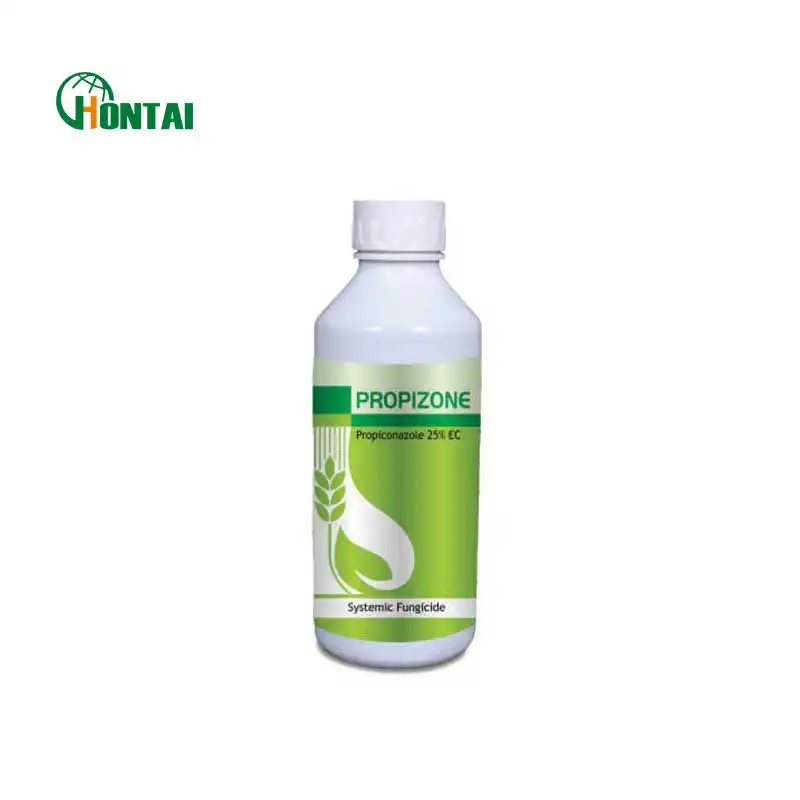
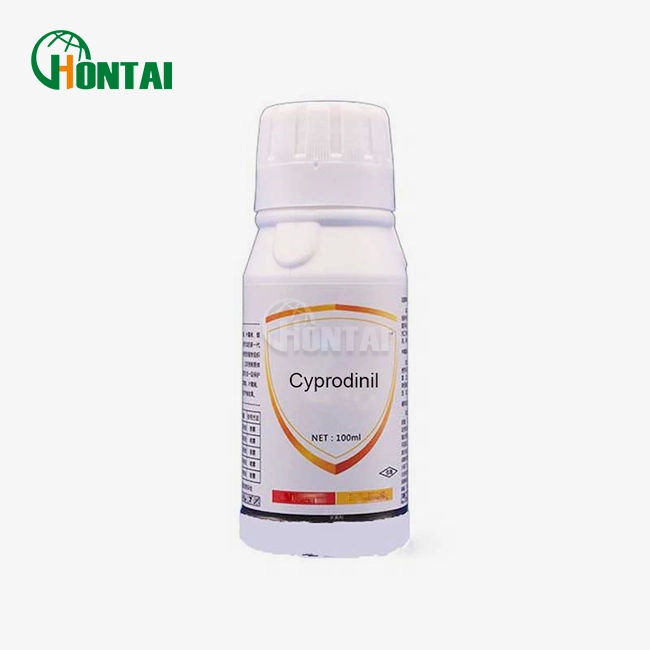
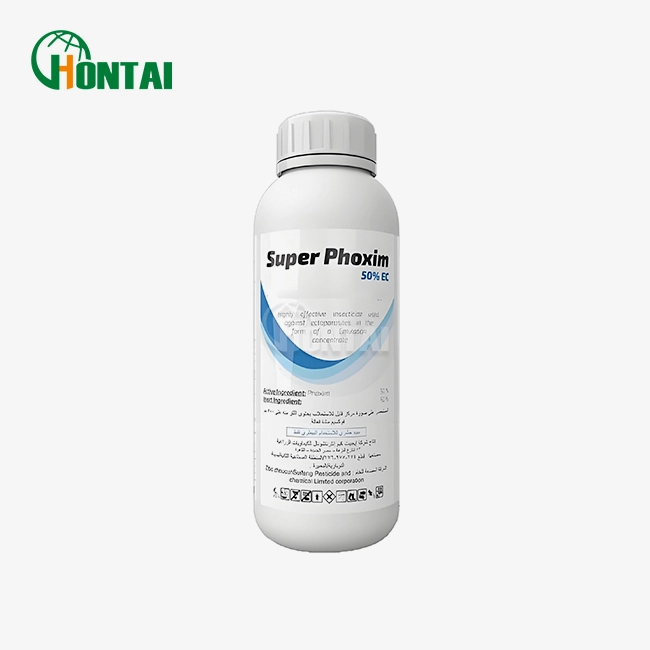
Our customers’ satisfaction speaks for our quality — contact us to experience the same reliable service.