- English
- French
- German
- Portuguese
- Spanish
- Russian
- Japanese
- Korean
- Arabic
- Greek
- German
- Turkish
- Italian
- Danish
- Romanian
- Indonesian
- Czech
- Afrikaans
- Swedish
- Polish
- Basque
- Catalan
- Esperanto
- Hindi
- Lao
- Albanian
- Amharic
- Armenian
- Azerbaijani
- Belarusian
- Bengali
- Bosnian
- Bulgarian
- Cebuano
- Chichewa
- Corsican
- Croatian
- Dutch
- Estonian
- Filipino
- Finnish
- Frisian
- Galician
- Georgian
- Gujarati
- Haitian
- Hausa
- Hawaiian
- Hebrew
- Hmong
- Hungarian
- Icelandic
- Igbo
- Javanese
- Kannada
- Kazakh
- Khmer
- Kurdish
- Kyrgyz
- Latin
- Latvian
- Lithuanian
- Luxembou..
- Macedonian
- Malagasy
- Malay
- Malayalam
- Maltese
- Maori
- Marathi
- Mongolian
- Burmese
- Nepali
- Norwegian
- Pashto
- Persian
- Punjabi
- Serbian
- Sesotho
- Sinhala
- Slovak
- Slovenian
- Somali
- Samoan
- Scots Gaelic
- Shona
- Sindhi
- Sundanese
- Swahili
- Tajik
- Tamil
- Telugu
- Thai
- Ukrainian
- Urdu
- Uzbek
- Vietnamese
- Welsh
- Xhosa
- Yiddish
- Yoruba
- Zulu
Mancozeb 64% + Cymoxanil 8 for Potato and Tomato Diseases
share:
When late blight hits a potato or tomato field, every hour counts. Mancozeb 64% + cymoxanil 8 is a dual-mode fungicide combining a multi-site contact protectant with a translaminar curative agent. Together, they deliver both surface protection and post-infection kick-back activity against Phytophthora infestans—the pathogen responsible for catastrophic yield losses across commercial potato and tomato production. Available as WG and WP formulations, this combination is a cornerstone product in structured anti-resistance spray programs worldwide.
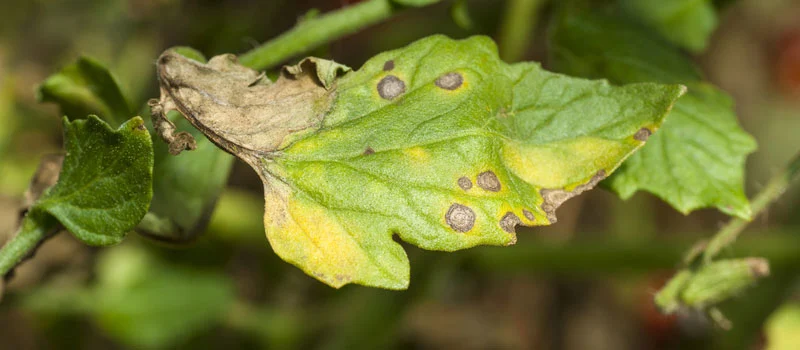
Understanding the Mode of Action and Core Benefits
How the Two Active Ingredients Work Together?
Mancozeb forms a zinc-manganese dithiocarbamate shield on the leaf surfaces, which stops several enzymes from working at the same time inside fungus cells. It works on at least six biochemical routes at once, so it's very unlikely that tolerance will form against it by itself. Cymoxanil works with this to stop the production of fungal RNA and temporarily enters infected leaf tissue, stopping the growth of mycelium within 24 to 48 hours of an infection becoming established. This "protective + curative" pairing is exactly why agronomists in places with a lot of disease depend on it.
Here are the core agronomic benefits of this formulation:
- Broad-spectrum efficacy: Controls Phytophthora infestans on potatoes and tomatoes, downy mildew on cucumbers and grapes, tobacco blue mold, and onion downy mildew within a single product.
- Resistance buffer: Mancozeb's multi-site action kills resistant survivors that get away from systemic fungicides like CAA or QiI partners, making rotation work better for the whole growth season.
- Flexible formulation: Available as 64+8 WG or 64+8 WP in pack sizes ranging from 1 kg to 25 kg—suited to both small group buyers and big state buying programs.
The mixture is a good choice for any integrated disease control plan because of these benefits, especially in places where Phytophthora pressure changes with the seasons.
Application Guidelines and Handling Protocols
Timing, Dosage, and Equipment Protocols
When crop cover density and disease pressure are taken into account, the best treatment rate for mancozeb 64% + cymoxanil 8 is between 1.5 and 2.5 kg/ha. When the temperature is between 15°C and 25°C and the humidity is above 90%, which is when potatoes are in their rapid canopy growth phase, preventative sprays used every 7–10 days greatly lower the number of main infections. For tomatoes, starting the program before the first symptoms show up is very important; cymoxanil only works for 48 to 72 hours after infection.
Handling procedures are important. When mixing and applying, people should use appropriate gloves, eye protection, and suitable protective equipment. To keep the suspension intact, the WP formulation needs to be stirred constantly in the spray tank; a suspensibility rate of at least 70% is the quality standard set by CIPAC MT 15. Mancozeb breaks down quickly in high-pH settings, making it much less effective in the field. So, don't mix it in the tank with alkaline materials like Bordeaux mixture.
Comparing This Combination with Alternative Fungicides
Where It Outperforms Single-Mode and Copper-Based Products?
Copper hydroxide or copper oxychloride products that are used by themselves protect against contact but do not heal. Like mancozeb, propineb protects against multiple sites, but it doesn't have a systemic partner. More and more rules in the EU and North America are putting pressure on programs that only use chlorothalonil. The combination of mancozeb and cymoxanil always does better than these other options in separate field tests, especially when there are a lot of infections and it's raining, and treatment has to be done right away.
From an economic point of view, the dual-mode product cuts down on overall spray events compared to using two different products, which saves a lot of money on a large scale. Distributors who work with potato unions in Turkey, Egypt, and the Andean belt say that the cost-per-protected-hectare of the combination is always lower than the cost-per-hectare of handling two different SKUs through the supply chain.
Procurement Insights for B2B Buyers
Quality Documentation and Sourcing Standards
When businesses buy things from each other, more than just price per kilogram matters. Each batch from a reliable source comes with a Certificate of Analysis that confirms the active ingredient content through HPLC and CS₂ breakdown titration, as well as a wet sieve analysis per CIPAC MT 185 to make sure the particles are all the same size. ETU impurity levels should be below 0.1% according to the in-house tracking routine of a qualified provider. This is a very important legal issue.
When OEM buyers are looking for private-label programs, they should look at providers who offer formulas such as mancozeb 64% + cymoxanil 8, COA packages that meet FAO standards, and label artwork services in more than one language. These skills set real manufacturing partners apart from simple trading middlemen.
Maximizing Fungicide Performance: Best Practices and Troubleshooting
Managing Resistance and Environmental Variables
Resistance to cymoxanil is not as common as resistance to metalaxyl, but it does exist. Populations of Phytophthora infestans have shown less reactivity when single-mode selection pressure is applied for a long time. Using this mix with carboxylic acid amide fungicides or QiI-class products at different times during the growing season keeps the plants sensitive and makes each mode of action last longer.
Weather windows have a direct effect on performance. For the mancozeb surface layer to become waterproof in the rain, it needs about 30 to 60 minutes to dry. Within the same time frame, cymoxanil is absorbed by the body. If you apply right before it rains a lot, the touch component is lost. The quality of the deposit is greatly improved by keeping an eye on local weather forecasts and planning applications for early morning or low-wind times.
Adding chemical inputs to an IPM framework, along with choosing resistant varieties and cultural practices like canopy control, lowers the total disease pressure and the need for inputs even more.
Conclusion
Through a dual-mode process that has been proven to work by science, mancozeb 64% + cymoxanil 8 fights two of the most damaging diseases to industrial horticulture's bottom line. It is really hard to replace in high-pressure late blight and downy mildew programs because it protects against surface touch and heals through translaminar flow. This product is essential for sustainable, resistance-conscious spray programs on potato, tomato, and other high-value crops. It is a top choice for procurement workers who care about quality documentation, impurity profiles, and formulation versatility.
FAQ
1. Can this fungicide be tank-mixed with other agrochemicals?
It mixes well with mixtures that are neutral or slightly acidic. Bordeaux mixture and lime-sulfur goods quickly break down mancozeb, so stay away from them. Before mixing a lot of things at once, you should always do a jar compatibility test.
2. What is the pre-harvest interval (PHI)?
The PHI usually lasts between 7 and 21 days, but this depends on the crop and the rules in the area. This difference is due to the dithiocarbamate component still being present, and it needs to be checked against local label standards before the harvest is planned.
3. How often should it be applied during the growing season?
When disease pressure is mild to high, it is common to spray every 7–10 days. When it's wet and warm, extending gaps past 10 days can reduce disease control consistency, especially for Phytophthora infestans on potatoes.
4. Why choose WP over WG formulation?
WP mixtures have great chemical stability for this two-in-one combination and are cost-effective at scale, but they need to be stirred continuously in the tank. When handling WG granules, they spread out more easily and produce less dust, which is useful for large-scale field operations.
Partner with Hontai for Reliable Mancozeb + Cymoxanil Supply
Hontai is a trusted mancozeb 64% + cymoxanil 8 manufacturer and supplier based in Shijiazhuang, Hebei, offering stable product quality, flexible OEM customization, and fast global logistics. Whether you need standard WG packs or custom-ratio private-label WP formulations, our technical team is ready to support your procurement program. Reach out today at admin@hontai-biotech.com to request a sample, get a quote, or download our product brochure.
References
1. Gisi, U., & Sierotzki, H. — Oomycete fungicides: phenylamide resistance and new modes of action. Pest Management Science, 2008.
2. Cooke, L. R., & Little, G. — The effect of cymoxanil on the sporulation of Phytophthora infestans on potato foliage. Crop Protection, 2001.
3. FRAC (Fungicide Resistance Action Committee) — FRAC Code List: Fungicides Sorted by Mode of Action. FRAC Publication, 2023.
4. Haverkort, A. J., et al. — Societal costs of late blight in potato and prospects of durable resistance through cisgenic modification. Potato Research, 2008.
5. FAO/WHO — Specifications and Evaluations for Agricultural Pesticides: Mancozeb. FAO Panel of Experts on Pesticide Specifications, 2010.
6. Gullino, M. L., Tinivella, F., Garibaldi, A., et al. — Mancozeb: Past, present, and future. Plant Disease, 2010.
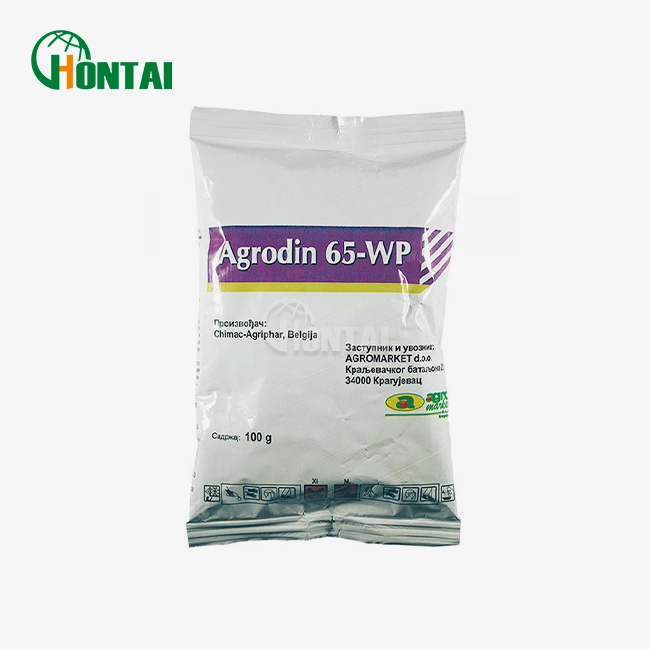
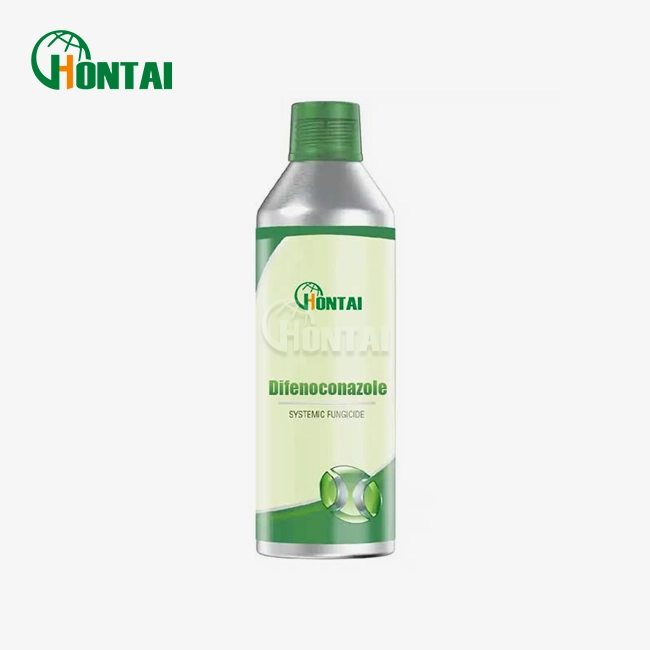
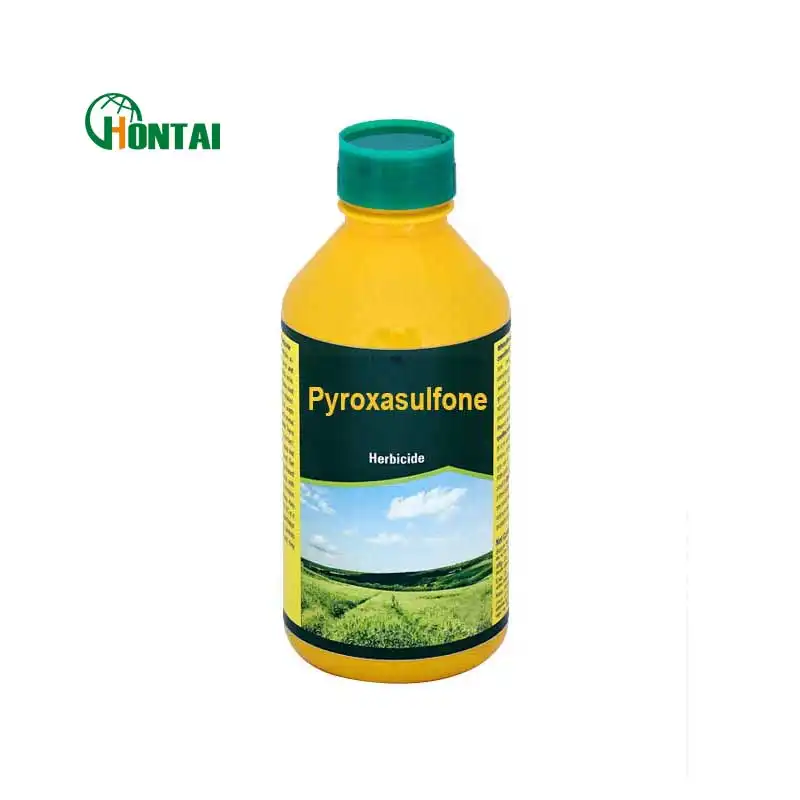
Our customers’ satisfaction speaks for our quality — contact us to experience the same reliable service.