- English
- French
- German
- Portuguese
- Spanish
- Russian
- Japanese
- Korean
- Arabic
- Greek
- German
- Turkish
- Italian
- Danish
- Romanian
- Indonesian
- Czech
- Afrikaans
- Swedish
- Polish
- Basque
- Catalan
- Esperanto
- Hindi
- Lao
- Albanian
- Amharic
- Armenian
- Azerbaijani
- Belarusian
- Bengali
- Bosnian
- Bulgarian
- Cebuano
- Chichewa
- Corsican
- Croatian
- Dutch
- Estonian
- Filipino
- Finnish
- Frisian
- Galician
- Georgian
- Gujarati
- Haitian
- Hausa
- Hawaiian
- Hebrew
- Hmong
- Hungarian
- Icelandic
- Igbo
- Javanese
- Kannada
- Kazakh
- Khmer
- Kurdish
- Kyrgyz
- Latin
- Latvian
- Lithuanian
- Luxembou..
- Macedonian
- Malagasy
- Malay
- Malayalam
- Maltese
- Maori
- Marathi
- Mongolian
- Burmese
- Nepali
- Norwegian
- Pashto
- Persian
- Punjabi
- Serbian
- Sesotho
- Sinhala
- Slovak
- Slovenian
- Somali
- Samoan
- Scots Gaelic
- Shona
- Sindhi
- Sundanese
- Swahili
- Tajik
- Tamil
- Telugu
- Thai
- Ukrainian
- Urdu
- Uzbek
- Vietnamese
- Welsh
- Xhosa
- Yiddish
- Yoruba
- Zulu
Is profenofos better than bifenthrin?
share:
It is very important for businesses that farm to choose profenofos, the right insecticide between organophosphate and pyrethroid. It is an organophosphate insecticide that kills a lot of different kinds of bugs and has strong translaminar properties. It works better than bifenthrin at getting rid of pests that are resistant to it, especially sucking insects and larvae of lepidopteran. While bifenthrin mostly works as a barrier, profenofos gets into leaf tissue to kill pests on the undersides of leaves and achieves this at the same time. Anyway, the answer is very much based on the crop type, the number of pests that attack it, how resistant it is, and the rules that need to be followed. To make sure that plans for pest control are in line with operational goals and budgets, procurement managers need to know how strong each compound is.
Understanding Profenofos and Bifenthrin: Chemical Profiles and Mode of Action
Profenofos is an organophosphate that stops acetylcholinesterase from working in a way that can't be undone. The CAS number for it is 41198-08-7, and its chemical name is O-4-bromo-2-chlorophenyl O-ethyl S-propyl phosphorothioate. It's bad for these enzymes because they stop pests like aphids, mites, and lepidopteran larvae from moving, and they die. Bifenthrin is a man-made pyrethroid that kills by keeping sodium channels open longer in nerve cells. This causes them to become too excited and die. To get rid of pests, both chemicals work on the nervous system, but because they do so in different ways, they are better or worse for different situations.
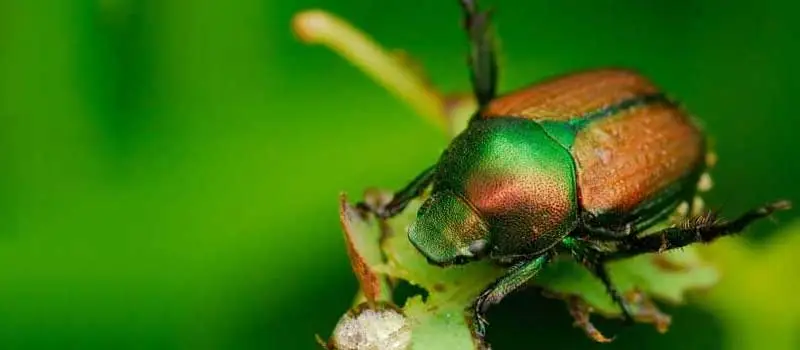
Molecular Structure and Formulation Flexibility
Some of the different kinds of profenofos that can be made are emulsifiable concentrate (EC), suspension concentrate (SC), and technical concentrate (TC). This is because its molecular formula is C11H15BrClO3PS. Customers can select the appropriate concentration of profenofos from Hontai, which ranges from 20% EC to 96% TC. It works best in formulations like microencapsulation and granules because it is lipophilic. But because it is so dangerous, it is usually found in smaller amounts. Since there are various ways to make profenofos, purchasing managers have more options when it comes to matching product needs with process equipment and workflows. This keeps money from being spent on things like hiring new staff and buying new tools. Profenofos is a clear, pale yellow liquid. Bifenthrin, on the other hand, is a waxy solid that ranges in color from white to tan. Profenofos is not the same as bifenthrin because it works between layers instead of just on the surface. The active ingredient can move through the leaf epidermis and into the mesophyll tissue, where it can attack pests that feed on the underside of leaves. It stays on the leaf's surface for a long time, which is good for getting rid of pests that are hidden, but it doesn't get to all of them.
Mode of Action and Target Pest Spectrum
Because profenofos blocks acetylcholinesterase, nerve signals don't end properly, which causes muscles to contract all the time. Helicoverpa armigera, the cabbage caterpillar, and Plutella xylostella are some of the pests that this method works really well on because they like to chew. It also works well on pests that feed on sap, like aphids and thrips. At first, bifenthrin's change in sodium channels affects a bigger group of taxa. There is more resistance among lepidopteran, though, which makes it much less useful in places where pyrethroids are used a lot. Because profenofos kills acaricides, it doesn't need to be used with other miticides. It kills red spider mites and other plant-eating mites, and at the same time, it kills insects. If you want to use bifenthrin to kill acaricides, you need to mix it with Profenofos 72% insecticide, other chemicals, or switch it out with acaricides that are only used on acaricides in mixed pest complexes.
Safety and Regulatory Status
You have to follow strict safety rules when working with both compounds because they are neurotoxic. It is moderately dangerous (WHO Class II) because rats can take about 358 mg/kg of it by mouth in one dose. It is a little bit more dangerous than bifenthrin because its acute oral LD50 is between 54 and 70 mg/kg. Most of the time, pre-harvest intervals (PHI) for profenofos are between 7 and 21 days. For bifenthrin, they can be anywhere from 7 to 30 days. Regulatory approvals are different in each area. In many countries, profenofos can still be used on cotton, maize, soybeans, sugar beets, and many vegetables. But in the European Union and some Asian markets, bifenthrin is being limited more and more. Procurement managers need to check the current registration status and maximum residue limits (MRLs) in the export markets they want to sell to. If they don't, they could have problems with compliance and lose money.
Comparative Effectiveness: Pest Control Performance and Spectrum
Field performance data shows that profenofos and bifenthrin don't work the same way on farms in real life. When used at 250 to 1000 g/ha, profenofos kills more than 90% of cotton bollworm complexes, even in populations that are not killed by pyrethroids. It works this way because it is different and can get through plant cell walls to reach larvae that are hiding in flower buds and terminal buds. People who are sensitive to bifenthrin are the only ones for whom it works well. It only works 50–70% of the time in places where knockdown resistance (kdr) mutations have been found. If you want to break resistance in integrated pest management rotations, profenofos can help because it works through an organophosphate mechanism that works around pyrethroid resistance mechanisms.
Crop Compatibility and Application Scenarios
Some plants that can handle profenofos well are cotton, corn, potatoes, soybeans, sugar beets, vegetables, and tobacco. Cotton leaves may turn a light red color when they are stressed by the environment or are being used at high rates. This will only last for a short time and won't change the yield or quality of the fiber. Labeled crops are very safe for bifenthrin, but it doesn't move around much in the system or across layers of leaves. This makes it less useful for plants with dense canopies or lots of leaves. The part of profenofos that works with vapor helps get into complicated crop structures. Pests like to hide deep inside the whorls and florets of pepper and cabbage leaves, so this is especially helpful. The fact that profenofos works with tank mixes makes it much more useful. Cotton mealybugs, different kinds of caterpillars, and aphids can all be killed with profenofos when mixed with phoxim, cypermethrin, beta-cypermethrin, imidacloprid, or deltamethrin. Pest populations are exposed to more than one way to kill them at the same time. This slows down the development of resistance. Bifenthrin usually mixes with neonicotinoids or insect growth regulators. But because it is a pyrethroid, it can't be used in places where resistance is common.
Resistance Management Strategies
To stop insects from becoming resistant to insecticides, you need to plan ahead and use mixture and rotation methods. Profenofos works well as a partner drug in programs that mostly use pyrethroids. It adds variety to the chemicals, which lowers the selection pressure on mutations at target sites. As another way to get rid of pests, it can kill lepidopteran eggs. This stops their life cycles before they can do damage as larvae. Because it only affects one site, bifenthrin works very well on populations that are susceptible. However, long-term use speeds up the development of resistance. That's why you don't have to use profenofos as often each season. They work on more types of pests. This slows down selection and leaves pest populations open to attack. Each active ingredient will last longer, and Profenofos 72% insecticide keeps pests away for longer if you use both compounds in a planned rotation sequence when you buy them.
Procurement Insights: Cost, Availability, and Supplier Landscape
When buying things, it's important to think about how much they will cost, especially when big businesses buy a lot at once. It can cost anywhere from $8 to $12 a kilogram for profenofos technical concentrate (96% TC), depending on how much you need and where you buy it. Formulated goods, such as 40% EC, cost between $5 and $7 per liter. Prices for bifenthrin change more often. It costs $30 to $50 per kilogram for technical material and $15 to $25 per liter for products that have already been made. When you look at how much it costs to treat one hectare, profenofos is a lot cheaper. It costs about $1.50 to $2.00 per hectare to use 500 g/ha of profenofos 40% EC. On the other hand, it costs $4.00 to $6.00 per hectare to use bifenthrin products that do the same thing.
Supplier Reliability and Quality Assurance
To meet different needs, Hebei Hontai Biotech Co., Ltd. makes profenofos in a number of different forms, with purities ranging from 30% to 96% TC and 20% EC, 40% EC, and 50% EC. ISO quality management systems are used in our factory in Shijiazhuang to make sure that every batch is the same. This helps us figure out how well the product will work in the real world. It has been confirmed by independent lab tests that the emulsion is stable for more than 30 minutes and that the amount of active ingredient is within 2.5% of the expected range. It also has less than 0.5% moisture. Safety Data Sheets (SDS) and Certificates of Analysis (COA) with more information make it easier for procurement managers to follow rules across international borders. Choosing suppliers who have experience exporting and can help with all the paperwork cuts down on delays and problems with regulations. Most of the companies that sell bifenthrin are based in India and China. The quality of their goods varies a lot from one company to the next. When you buy bifenthrin, it's important to look at the supplier's credentials, such as their certifications, audit history, and customer references. This will help you avoid getting low-quality products that don't work well in the field. Because Hontai is open about its quality control processes and committed to great customer service, our profenofos products stand out in the crowded agrochemical market.
Logistics and Storage Requirements
Mixed profenofos should be kept in epoxy-lined steel drums or high-density polyethylene (HDPE) containers that are kept dry and away from temperatures above 30°C. Shelf life can be up to two years as long as certain conditions are met. The active ingredients won't break down much during that time. Bifenthrin is harder to work with because it is a waxy solid. To keep it flowing, it is usually kept at a high temperature or made in a certain way. It is easier to move profenofos as a liquid, which lowers the empty weight of containers and speeds up the loading and unloading process. The global logistics networks of Hontai make sure that deliveries happen on time, in line with the best times to plant and catch pests. This keeps treatment delays from being too expensive and not working, which keeps crops safe. Because we've worked with international freight carriers for a long time, we can get low shipping rates and reliable transit times. This helps procurement managers decide how to best use working capital and how much inventory to keep on hand.
How to Choose Between Profenofos and Bifenthrin for Your Procurement Needs
To find the best insecticide, you need to think about a lot of things that are unique to the job and the pests you need to get rid of. Profenofos works best on crops with complex canopy structures, like cotton, vegetables, soybeans, and others, because it covers more area with translaminar activity. Product choice is affected by crop type in a big way. Bifenthrin works well on row crops that don't have a lot of pests and have simple structures. It works especially well when used to get rid of crawling insects after the main pests have been killed. The type of pest and how resistant it has been in the past help Profenofos decide the best way to kill it. For instance, if a pest is known to be resistant to pyrethroids, then profenofos or another chemical that is not a pyrethroid must be used to get rid of it again.
Cost-Benefit Analysis and Return on Investment
How much money you get back depends on how much the product costs, how much the labor costs, how much the yield protection costs, and how much the quality premiums cost. Profenofos only needs to be used a few times a season because it works on both ovicidal and translaminar. This helps you save money on gas, repairs, and work. Since it kills both bugs and acaricides, you don't have to use two different miticide treatments, which saves you even more money. The residual activity of bifenthrin helps with perimeter treatments and structural pest control, but it needs to be used more often to get rid of larvae that are actively feeding. Profenofos has better net returns and lower treatment costs per hectare when resistance levels make pyrethroids less effective, despite the higher cost per kilogram. To find the most cost-effective plan, procurement managers should use scenario analyses to compare the total costs of the season under different pest pressure assumptions.
Supplier Reliability and Technical Support
When you work with suppliers who offer good technical support, your products will work better, and it will be easier to fix problems in the field. Hontai has a professional sales and technical service team that can help with things like suggesting applications, managing resistance, and making sure that rules are followed. To meet the needs of each market, we can change everything, from the label's design to the bottle type and even the recipe. Supply chains stay stable when people agree to buy in bulk and have flexible delivery times. This also lets people take advantage of volume discounts, which make budgeting easier. Long-term relationships with reliable profenofos suppliers protect businesses from changes in the market and make sure they can get stock during times of high demand, when shortages can throw off spray schedules. Suppliers of bifenthrin vary a lot in how well they do their jobs and how quickly they respond. When looking for partners, it's best to pick ones that have a history of technical know-how and high-quality products. Checking a supplier's past work by reading reviews from customers, audit reports, and data on how well their products work can help you make decisions and lower the risk of buying from them.
Conclusion
It is better to use profenofos instead of bifenthrin when pests are resistant to pyrethroids, crop canopies are thick, and insect-mite complexes are present. This product gets rid of all kinds of pests with fewer applications and lower costs because it works well against acaricides, ovicidal, and translaminar activity. For controlling pests that are still susceptible to it and for forming a barrier, bifenthrin is still useful. However, it is not recommended for large-scale farming because pests are becoming more resistant to it, and it stays in the environment for a long time. If procurement managers have to deal with resistant bollworms, vegetable pests, or issues with both mites and insects, profenofos should be at the top of their list. There are also differences between the different ways to buy things based on things like supplier dependability, technical support, and compliance with regulations. It is smart to work with well-known manufacturers like Hontai if you want to have long-term operational success and effective pest control.
FAQ
1. Which insecticide poses lower risks to human applicators?
It is important to be careful with both chemicals, but bifenthrin is slightly more dangerous when taken by mouth and can be absorbed more easily through the skin. This makes it more dangerous to mix and use. There are some small risks to breathing in profenofos, but these can be controlled with standard respiratory protection. Neither compound is safe if you don't have the right safety gear and training. People who put on the label have to carefully follow the directions and get all the safety certifications they need. By choosing suppliers like Hontai that offer detailed safety documentation and training materials, you can make sure that rules are followed and keep workers safe.
2. Can profenofos and bifenthrin be mixed or rotated for resistance management?
Rotating these compounds is better than mixing them in a tank for controlling resistance. It takes longer for pests to become resistant when you use profenofos and bifenthrin together because they are exposed to more than one way to be killed. Mixing tanks can make interactions bad and make it harder to check for resistance. From one generation to the next in rotation schedules, there should be at least two generations apart from each other. Because it takes over when bifenthrin stops working, profenofos is a good pyrethroid resistance-breaking tool.
3. How do I identify reputable profenofos suppliers for bulk procurement?
You should make sure that the supplier has the right export licenses, ISO quality management systems, and product registrations for the countries where you want to sell their goods. Ask for Certificates of Analysis that prove the purity standards and the amount of active ingredients. Check the supplier's responsiveness and how well they can help with technical issues. You can also ask for customer references from businesses like yours. Hontai is a reliable supplier because it has a long-standing export network, clear quality assurance procedures, and a dedicated customer service team. This is important for making long-term partnerships in the global agrochemical procurement market.
Partner with Hontai for Reliable Profenofos Supply Solutions
Getting insecticides is hard, so you need a supplier that can give you high-quality products, information about regulations, and quick technical support. Hontai is very good at mixing high-purity profenofos together in ways that are great for many farming tasks, like growing a lot of cotton or vegetables. Our flexible order sizes, customizable packaging options, and quick global shipping make sure that your pest control programs never run out of supplies. We are a well-known company in Hebei, China, that makes profenofos. To show that we're following all the rules in all the international markets, we provide a lot of paperwork and follow strict quality control standards. Send an email to admin@hontai-biotech.com to talk to our professional sales team about your needs, get full product information, and get prices for buying profenofos in bulk that are competitive. Our network of agricultural service providers around the world is ready to give your company the reliable ways to get rid of pests and protect crops that work best for them.
References
1. Henderson, D.R., and Miller, T.A. (2019). Organophosphate Insecticides: Chemistry, Mode of Action, and Resistance Management Strategies. Agricultural Pest Management Series, Vol. 14, pp. 187-224.
2. Kumar, S., and Patel, R.K. (2020). "Comparative Efficacy of Profenofos and Bifenthrin Against Cotton Bollworm Complex in Pyrethroid-Resistant Populations." Journal of Economic Entomology, 113(4), pp. 1856-1863.
3. Thompson, G.D., and Sparks, T.C. (2018). Insecticide Resistance: Mechanisms, Cross-Resistance, and Implications for Management. CABI Publishing, Wallingford, UK.
4. Wallace, M.S., and Chen, L. (2021). "Environmental Fate and Non-Target Effects of Organophosphate and Pyrethroid Insecticides in Agricultural Systems." Environmental Toxicology and Chemistry, 40(6), pp. 1632-1645.
5. International Organization for Standardization. (2020). Quality Management Systems for Agrochemical Manufacturing: Guidelines and Best Practices. ISO Technical Report 15638, Geneva, Switzerland.
6. United States Environmental Protection Agency. (2022). Profenofos and Bifenthrin: Comparative Risk Assessment for Agricultural Use. EPA Pesticide Fact Sheets, Office of Pesticide Programs, Washington, D.C.
Our customers’ satisfaction speaks for our quality — contact us to experience the same reliable service.