- English
- French
- German
- Portuguese
- Spanish
- Russian
- Japanese
- Korean
- Arabic
- Greek
- German
- Turkish
- Italian
- Danish
- Romanian
- Indonesian
- Czech
- Afrikaans
- Swedish
- Polish
- Basque
- Catalan
- Esperanto
- Hindi
- Lao
- Albanian
- Amharic
- Armenian
- Azerbaijani
- Belarusian
- Bengali
- Bosnian
- Bulgarian
- Cebuano
- Chichewa
- Corsican
- Croatian
- Dutch
- Estonian
- Filipino
- Finnish
- Frisian
- Galician
- Georgian
- Gujarati
- Haitian
- Hausa
- Hawaiian
- Hebrew
- Hmong
- Hungarian
- Icelandic
- Igbo
- Javanese
- Kannada
- Kazakh
- Khmer
- Kurdish
- Kyrgyz
- Latin
- Latvian
- Lithuanian
- Luxembou..
- Macedonian
- Malagasy
- Malay
- Malayalam
- Maltese
- Maori
- Marathi
- Mongolian
- Burmese
- Nepali
- Norwegian
- Pashto
- Persian
- Punjabi
- Serbian
- Sesotho
- Sinhala
- Slovak
- Slovenian
- Somali
- Samoan
- Scots Gaelic
- Shona
- Sindhi
- Sundanese
- Swahili
- Tajik
- Tamil
- Telugu
- Thai
- Ukrainian
- Urdu
- Uzbek
- Vietnamese
- Welsh
- Xhosa
- Yiddish
- Yoruba
- Zulu
Phoxim 92% Technical vs Other Insecticide Concentrates
share:
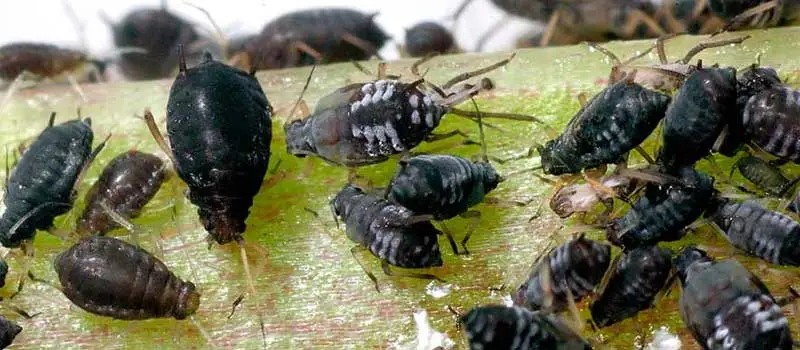
When commercial farms and agrochemical distributors evaluate insecticide concentrates, the choice often narrows down to performance, safety, and cost-efficiency. Phoxim 92% Technical stands out as a high-purity organophosphate insecticide offering broad-spectrum control against stubborn agricultural and stored-product pests. Unlike pyrethroids that struggle with resistance or chlorinated alternatives that persist excessively in soil, Phoxim balances rapid knockdown action with manageable environmental degradation, especially under UV exposure. This technical concentrate targets underground larvae, foliage-feeding caterpillars, and stored-grain insects with proven efficacy, making it a strategic asset for large-scale producers and distributors seeking reliable pest management solutions.
Understanding Phoxim 92% Technical Concentrate
The main ingredient, Phoxim 92% Technical, is used to make emulsifiable concentrates (EC) and pellets, which are made further down the line. This organophosphate substance stops acetylcholinesterase enzymes from working in pests' nervous systems. This paralyses them quickly and kills them through touch or stomach action.
Chemical Structure and Mode of Action
This poison is made up of molecules that have the structure O, O-diethyl α-cyanobenzylideneamino-oxyphosphonothioate. The way it works to kill bugs quickly is by stopping enzymes that send nerve signals. This works on Lepidoptera larvae, Coleoptera beetles, and subterranean grubs. Systemic pesticides move through plants' vascular systems, but Phoxim stays on treated surfaces or in soil structures, protecting specific areas where pests feed or nest.
Primary Agricultural Applications
Phoxim is used in a variety of situations on commercial farms. Root crops like potatoes and beets are safe from wireworms and cutworms when the soil is mixed in before planting. Caterpillars like Spodoptera species are targeted by leaf applications on veggies and corn at a rate of 5 kg per hectare. This chemical is used to keep granary weevils and flour bugs out of silos, mills, and ships that store goods. It is used by public health programs to get rid of house ants and other insects that spread disease. The chemical can also be used to deal with migratory locust outbreaks in cereal-growing areas, making it useful for emergencies.
Safety Profile and Handling Requirements
Toxicological studies show that Phoxim is moderately Pesticide Phoxim 92%Tc dangerous to people, so it is very important to follow the rules for personal safety equipment when mixing and applying it. Different types of exposure affect how long something stays in the environment. For example, UV light speeds up photodegradation on leaves within days, but leftovers that are absorbed into the soil stay active for weeks, protecting plants without building up to a problem level. Technical extracts must be kept in clear, tightly sealed cases that are kept away from sources of heat. Getting rid of empty boxes the right way keeps the world clean. Local agricultural standards are followed by providers who provide regulatory compliance paperwork.
Comparing Phoxim 92% Technical with Other Insecticide Concentrates
The people who work in procurement should know how Phoxim compares to other organophosphates and manufactured pyrethroids in real-life farming situations.
Efficacy Spectrum and Pest Resistance
Malathion works like organophosphates, but it breaks down faster in storage, which makes it harder for sellers to keep track of their stock. Chlorpyrifos has a longer residual activity in the soil, but it is being regulated less and less because of worries about groundwater pollution. Synthetic pyrethroids, such as cypermethrin, quickly kill the bugs they target, but many Spodoptera populations in North American corn belts are resistant to them. Although diazinon has a similar broad-spectrum profile to Phoxim, it doesn't break down as quickly when exposed to light, so it stays on green veggies longer. Phoxim's special light sensitivity lets it be used on leaves closer to harvest time while still protecting the soil for a longer time when it's mixed in.
Toxicological and Environmental Considerations
The risks of human contact are very different for each substance. When compared to organophosphates, pyrethroids usually have lower initial toxicity, which makes them better for public health uses near home areas. But because they are harmful to water, farms near sources of water have to deal with problems. Concerns about chlorpyrifos' effects are higher, which is why it is being phased out in some places. Phoxim is in the middle because it is moderately poisonous to humans and needs to be handled carefully, but it breaks down quickly in sunlight, so it doesn't build up in the environment for a long time. Within weeks, soil microorganisms break down residues, which has little effect on helpful insects during the next growth season.
Application-Specific Scenarios
Choosing the best pesticide concentrate relies on the needs of the job. Phoxim is great for protecting stored goods in dark places like grain bins because photodegradation doesn't happen, and the activity lasts for up to six months. Vegetable farmers who are almost done harvesting like Phoxim because it breaks down quickly on leaves, making crops ready to sell in just a few days. Animal farms that want to get rid of ectoparasites on pigs like to use Phoxim dips to find mange mites that are under the skin. Large corn farmers who change their pesticides often to keep up with resistance cycles use Phoxim along with pyrethroids and neonicotinoids, which keep the chemicals working against new generations of pests.
Selecting the Right Phoxim Formulation for Your Business Needs
Knowing the different formulation choices helps Pesticide Phoxim 92%Tc business-to-business buyers match goods to customer needs and operational needs. Phoxim remains a central choice for customised formulation strategies.
Technical Concentrate vs. Ready-to-Use Formulations
The 92% technical grade is used by makers and big distributors who make their own formulas. This concentrate is sold by Hebei Hontai Biotech Co., Ltd. to companies that are making private-label goods or OEM partnerships that need special concentration ratios. Ready-to-use versions come as reddish-brown solutions and include 40% EC and 50% EC (emulsifiable concentrates). Before being used in the field, they only need to be diluted with water. These EC types make stable milky emulsions that can be sprayed with regular tools. Granular versions help the soil mix during mechanical planting, and they slowly release active ingredients near the root zones. For ease of use, most distributors who work with rural groups keep EC formulations on hand. Agribusinesses that are in charge of thousands of hectares of land often buy technical extracts and mix them in special ways to get the best cost per treated hectare while also meeting the exact pest pressure levels that they see in their fields.
Procurement Strategies and Cost Efficiency
There are big profit margin benefits to buying in bulk from manufacturers like Hontai. When wholesalers buy technical concentrates that are paid per kilogram of active ingredient, they can figure out the exact costs of formulation, which is a big plus when compared to branded options. When seasonal demand goes up, long-term supply plans make sure that prices stay stable. To ship things internationally, you need to make sure you have the right paperwork for danger classification. For example, organic phosphate insecticides need to travel under special UN numbers, which means that their packing needs to be checked. Orders for container loads can be delivered to regional stores on terms that can be negotiated, which lowers the cost of shipping per unit.
Supplier Verification and Quality Assurance
Verifying the quality of a product protects a company's image and makes sure it follows the rules. Authorised wholesalers give out certificates of analysis that show the active ingredient is more than 92% pure, the acidity level is less than 0.2%, and the specific gravity is within accepted limits. EINECS license numbers (238-887-3 for Phoxim) make sure that chemicals are who they say they are in foreign markets. Storage stability tests show that food can be kept for more than two years if it is kept dry and out of direct sunlight. Reliable suppliers let you track each batch of their goods by connecting shipped items to records of when they were made and quality control.
Effective Deployment and Resistance Management of Phoxim
To get the most out of your insecticide purchases, you need to plan when to use Phoxim and use combined pest control techniques.
Biochemical Action and Operational Use
The cholinesterase blocking process starts to work just hours after the pest is exposed. Caterpillars that eat treated leaves quickly become paralysed because their nerve messages stop working. Larvae that live in the soil and come into contact with treated particles receive the toxins through their cuticles. Understanding this contact and stomach action guides how the chemicals are applied—a full spray coverage makes sure that bugs that eat leaves get lethal amounts, while incorporating the chemicals into the soil puts the active ingredients right where grubs eat, which is where they are needed. Applying in the evening to crops that are out in the sun makes it work better before the sun breaks down the leftovers.
Resistance Dynamics and IPM Integration
When one class of insecticides is used over and over again, resistance develops. Integrated pest control plans switch Phoxim out for chemicals that work on different biochemical processes. Using organophosphate cycles along with pyrethroid or neonicotinoid cycles slows down the growth of resistance. Rotation time is based on keeping an eye on pest numbers to see if they become less susceptible. Biological controls, such as parasitic wasps, work better with chemical treatments when there is low pressure. Cultural practices like getting rid of food leftovers lower the number of pests that stay over the winter, which makes insecticides less necessary. These methods make Phoxim last longer in programs that get rid of pests.
Safety Protocols and Compliance Standards
Chemical-resistant gloves, respirators, and eye protection are some of the personal safety equipment that applicators wear while mixing and spraying. With closed-system transfer tools, skin contact with concentrates is kept to a minimum. Farm workers are safe from residual toxicity because of re-entry gaps posted on treated areas. Locked, well-ventilated areas must be kept separate from feed and food items in storage sites. Local rules for hazardous trash say that empty objects must be rinsed three times before they can be recycled or thrown away. During regulatory checks, documentation trails show compliance, which protects running licenses.
Buyer's Guide – How to Choose and Where to Buy Phoxim 92% Technical
Systematic evaluation systems that balance quality, price, and service efficiency help procurement managers figure out which suppliers to choose from for Phoxim procurement.
Key Decision Factors
The credentials of the supplier are very important. Getting a manufacturing license shows that you follow good production methods. Export experience shows that you know the rules and standards for foreign shipping documents. Consistency in the product across batches makes sure that it will work as expected in field tests and business uses. For prices to be competitive, they need to take into account all landing costs, such as freight, insurance, and customs taxes. Payment terms that include letters of credit or trust plans protect against problems with delivery. Having access to technical support helps solve problems with applications or design questions.
Trusted Procurement Channels
With direct factory buying, you don't have to Phoxim pay markups to middlemen. Producers in Hebei, like Hontai, keep up sales networks that serve markets in North America and Europe through established transportation agreements. Initial contact and sharing of specifications can be done more easily on online platforms, but large contracts are usually finalised through direct discussion. Regional wholesalers keep smaller amounts on hand in case of emergency, but the higher cost per unit makes it easier for them to do business. Industry trade shows let you look at models from different sellers and negotiate terms with them in person.
Post-Purchase Service and Support
Buyers don't lose money when quality fails because of warranties that cover flaws or contamination in the product. Technical help helps find the best dilution rates and times to apply chemicals for different crops and pests. After-sales contact routes with quick responses answer questions about performance in the field during key application windows. Long-term relationships form when sellers learn what their customers want and then suggest changes to the formula or let buyers know about changes in the rules that affect product registrations.
Conclusion
Phoxim 92% Technical stands out because it can be used to control pests in a wide range of places, including farms, warehouses, and public health settings. It breaks down quickly in sunlight on leaves and stays active in the soil for a long time, meeting a range of operating needs that single-characteristic poisons can't. Synthetic pyrethroids are less harmful to humans, and chlorpyrifos has longer-lasting effects. Phoxim, on the other hand, finds a good balance between effectiveness, protecting the environment, and managing tolerance. When procurement workers choose this organophosphate concentrate, they can use chemistry that has been used in the field for decades and is known to work. However, they must work with reputable suppliers who can provide quality assurance, regulatory paperwork, and expert support throughout the product's lifecycle.
FAQ
1. What makes Phoxim 92% Technical different from lower-purity formulations?
The 92% purity makes sure that the active ingredient percentage is at its highest, which lets formulators make exact dilutions for different types of pests and crops. Lower purity grades have more inert ingredients, which makes shipping more expensive per kilogram of active chemical and makes it harder for OEM makers to figure out how to make new products.
2. Is Phoxim safe for use near humans and livestock?
Moderate acute toxicity means that it needs to be handled carefully and protected when it is being used. After treated surfaces dry and re-entry times have passed, the risks are much lower than they were before. Animals should stay away from places that have just been treated until the residues are no longer dangerous, which usually takes days for foliage applications and weeks for soil treatments.
3. How can buyers verify authentic Phoxim 92% Technical?
By asking makers for reports of analysis, you can be sure of the purity levels and chemical identities. By comparing EINECS numbers and CAS register identifiers, you can be sure that the right chemical is being identified. Buying from approved dealer networks that have a history of reliability lowers the risk of getting a fake product.
Partner with Hontai for Reliable Phoxim Supply Solutions
Agrochemical wholesalers and large-scale farming businesses can get high-quality Phoxim manufacturer options from Hebei Hontai Biotech Co., Ltd. Our technical concentrates meet strict purity standards of more than 92% and come with a lot of quality paperwork and help for legal compliance. We have a variety of formulation choices, such as 40% EC and 50% EC, so we can meet a wide range of application needs, from mixing into the soil to putting on leaves. Fast global logistics make sure that supply lines stay stable and meet yearly demand cycles. Our professional, skilled team also gives technical advice on how to handle pest resistance and get the most out of your applications. Email us at admin@hontai-biotech.com to talk about buying in bulk, making your own formulas, or getting detailed information for your unique farming problems.
References
1. Pesticide Action Network International. (2019). Organophosphate Insecticides: Properties and Environmental Fate. Brussels: PAN Europe Publications.
2. Agricultural Research Service, USDA. (2020). Stored-Product Insect Management in Commercial Grain Facilities. Washington DC: Government Printing Office.
3. World Health Organisation. (2018). Safety Evaluation of Certain Pesticide Residues in Food: Phoxim Toxicological Profile. Geneva: WHO Press.
4. International Association of Plant Protection Sciences. (2021). Comparative Efficacy of Organophosphate Insecticides Against Lepidopteran Pests. Cambridge: IAPPS Technical Report Series.
5. Food and Agriculture Organisation. (2020). Integrated Pest Management Guidelines for Grain Storage Systems. Rome: FAO Agricultural Services Division.
6. European Chemicals Agency. (2019). Registration Dossier: Phoxim Environmental Persistence and Degradation Studies. Helsinki: ECHA Regulatory Framework Documentation.
Our customers’ satisfaction speaks for our quality — contact us to experience the same reliable service.