- English
- French
- German
- Portuguese
- Spanish
- Russian
- Japanese
- Korean
- Arabic
- Greek
- German
- Turkish
- Italian
- Danish
- Romanian
- Indonesian
- Czech
- Afrikaans
- Swedish
- Polish
- Basque
- Catalan
- Esperanto
- Hindi
- Lao
- Albanian
- Amharic
- Armenian
- Azerbaijani
- Belarusian
- Bengali
- Bosnian
- Bulgarian
- Cebuano
- Chichewa
- Corsican
- Croatian
- Dutch
- Estonian
- Filipino
- Finnish
- Frisian
- Galician
- Georgian
- Gujarati
- Haitian
- Hausa
- Hawaiian
- Hebrew
- Hmong
- Hungarian
- Icelandic
- Igbo
- Javanese
- Kannada
- Kazakh
- Khmer
- Kurdish
- Kyrgyz
- Latin
- Latvian
- Lithuanian
- Luxembou..
- Macedonian
- Malagasy
- Malay
- Malayalam
- Maltese
- Maori
- Marathi
- Mongolian
- Burmese
- Nepali
- Norwegian
- Pashto
- Persian
- Punjabi
- Serbian
- Sesotho
- Sinhala
- Slovak
- Slovenian
- Somali
- Samoan
- Scots Gaelic
- Shona
- Sindhi
- Sundanese
- Swahili
- Tajik
- Tamil
- Telugu
- Thai
- Ukrainian
- Urdu
- Uzbek
- Vietnamese
- Welsh
- Xhosa
- Yiddish
- Yoruba
- Zulu
What is the use of pirimiphos-methyl?
share:
If you've ever been interested in how high-tech pest control goods are used in big farming and public health projects, you're in the right place. It is an organophosphorus insecticide and acaricide that kills a lot of different kinds of Pirimiphos-Methyl bugs by killing them directly and also by giving off fumes. It gets rid of mites and many other insects that chew, sucke, and bore holes. These insects live in stored grains, stores, animal homes, and field crops like oranges, corn, rice, vegetables, and grains. Translaminar action lets it go through leaf tissue, so it can be used for short periods of time in the field or for long periods of time to protect goods or buildings that are kept. If agribusinesses, suppliers, and pest control professionals want reliable and cheap solutions, this detailed guide can help them. It talks about the uses, safety concerns, buying tips, and practical benefits.
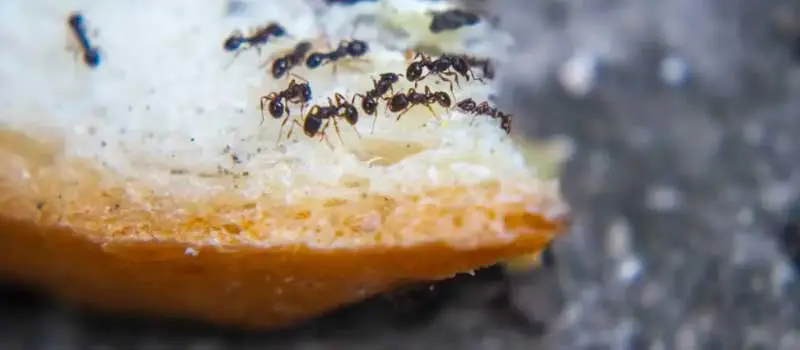
Understanding Pirimiphos-Methyl and Its Mode of Action
Pirimiphos-Methyl is a well-known pesticide technology in the organophosphate family. It is meant to reduce the number of pests in both rural and urban places. This drug, C11H20N3O3PS (CAS No. 29232-93-7), stops acetylcholinesterase activity in the nervous systems of insects, quickly paralyzing and killing them. These days' versions are safer and more powerful, so they can be used in more work settings than older types.
Chemical Nature and Formulation Versatility
On the market, you can find emulsifiable concentrates (50% EC), wettable powders (5% WP, 40% WP), and suspension concentrates (30% SC). It is designed that these mixtures can be used in a number of different running and programming environments. When mixed with water, the 50% EC is a very stable yellow liquid. It turns into a milky substance that works well for aerosol sprayers and thermal foggers. Each mix has a pH level that stays between 4 and 7. This makes sure that it doesn't hurt stainless steel nozzles and seals too much, and works with normal gardening tools.
Modes of Application and Residual Performance
There are different ways to use pesticides on different types of crops and bugs. When direct grain mixing is used, automatic spray systems built into the conveyor lines keep weevils and bugs from getting into the stored grains as they are being gathered. Structure-based treatments are put on warehouses that are empty before they are filled with new crops. This gets rid of any bugs that are still hiding in cracks and holes. Very low volume fogging is used to get rid of moving insects in shops and processing plants. If the cloth is right and the weather is dry, it can last for weeks or months. Security can last longer than six months on objects that don't move, like metal and concrete. However, photodegradation and plant metabolism make treatments that Pirimiphos-Methyl 50% EC are put on the leaves of plants less effective over time.
Technical Performance Parameters
People who work in procurement are very interested in technical details. Since the active ingredient works in the mist phase, it can reach pests that are hidden in grain masses or structural holes that liquid sprays can't. Between 1.02 and 1.05 g/cm³ at 20°C, that's how heavy it is. The right steps need to be taken to store things with flash points above 40°C. It is stable enough to meet FAO Specification 239/EC, which stops the tip from getting clogged up during long spray operations. Buyers can rate the quality of a product and decide if it is right for a certain setting by knowing these things. This makes sure that the product works the same way in all types of weather and storage conditions.
Safety, Environmental Impact, and Regulatory Considerations
It is important to follow safety rules and protect the environment when using any fertilizer. There are rules about how to treat Pirimiphos-Methyl so that it doesn't hurt people or animals, which isn't its main purpose.
Protective Measures and Toxicity Profiles
Handlers need to wear the right safety gear while mixing and applying, like hoods, respirators, and gloves that can handle chemicals. Contact that wasn't meant to happen needs medical help right away because it blocks acetylcholinesterase. atropine sulfate is the only medicine that can undo the effects. Trainees are taught to recognize the signs of organophosphate poisoning and to plan what to do in an emergency. It is still important to be careful with organophosphates, but the older ones are more harmful to animals than the newer ones. Between-harvest times depend on the crop and how it was treated. When applied at the rates shown on the label, they generally vary from 0 to 1 day for stored grains. This means that the grain can be handled and worked with safely right away after it has been applied.
Environmental Persistence and Non-Target Effects
Agribusinesses that care about the environment choose what to buy based on those values. Pirimiphos-Methyl stays around for a while in water and soil, but the rate at which it breaks down relies on the temperature, pH level, and the organisms that are living there. Waste doesn't have to pollute water sources if the right amount of chemicals is used at the right time. It is very dangerous for fish and other sea creatures, but the risks can be lowered by being careful when using it and leaving safety zones around bodies of water. If you spray them directly on leaves, they are more likely to hurt good bugs like pollinators than meds that are kept in sealed cases. IPM plans that use biological agents, cultural practices, and chemical controls are the best way to get rid of bugs while also having the least amount of damage to the environment.
International Regulatory Frameworks
It is important to know how to deal with the difficult legal settings of global buying. Maximum residue levels (MRLs) are set for food by the European Food Safety Authority and the US Environmental Protection Agency. These limits keep customers safe and make it possible to get rid of bugs effectively. In order to export something, you need to include certificates of analysis, safety data sheets, and import permits that are valid in that country. When people want to ship things around the world, they should make sure that the sellers follow Good Manufacturing Practices and have ISO certifications. The status of regulatory approval changes by location. Some places keep broad rights for a lot of different types of crops, while other places only let you use certain things or treatments. Market entry and the supply chain are saved by keeping up with changes to the rules.
Comparing Pirimiphos-Methyl with Other Pest Control Agents
When you buy something strategically, you need to compare the different pest control methods that are available. Users can get the best results, deal with resistance, Pirimiphos-Methyl 50% EC, and keep costs low by knowing how Pirimiphos-Methyl stacks up against other choices.
Efficacy Spectrum and Resistance Management
Malathion isn't as good at killing resistant insects as Pirimiphos-Methyl is. This is especially true for stored product beetles that have become biologically immune by being exposed to older chemicals over and over again. Like this, it works well in places where malathion doesn't work as well. It works on a wider range of bugs than chlorpyrifos, but the gas action is stronger, so it can get to pests that are hard to reach. It is common to suggest moving between different ways of working as a way to deal with pushback. For instance, moving from organophosphates to pyrethroids or insect growth regulators slows down the growth of resistance, which makes each type of product last longer.
Cost-Effectiveness Analysis
There are a lot of economic reasons to buy in bulk. It usually costs about the same to treat a field with Pirimiphos-Methyl as it does with biological control or pyrethroids. At first, pyrethroids kill quickly and cheaply, but they need to be used more often because their effects don't last as long. This could mean that the total cost of the season stays the same. Biological controls work well on organic farms, but they need to be used at specific times and in certain situations, which makes them less reliable in big warehouses. For a long time—often six to twelve months per application—Pirimiphos-Methyl keeps things safe. This saves a lot of money for grain storage operations because it cuts down on the cost of work and re-application. If distributors that work with farming shops in the area buy in bulk from well-known suppliers, they can save even more money.
Market Trends and Integration Strategies
Sustainability means getting better food with less damage to the earth. More and more people want this. Pirimiphos-Methyl can be used in integrated pest management programs that watch out for pests and use chemicals along with good cleanliness, weather control, and systems that do these things. A new idea is capsule suspension formulas, which have long-lasting surface residual action. This makes them great for spraying indoors to control public health vectors. More and more, the market wants items that are safe and have full legal support. In other words, people buy active ingredients that have been used before and have been shown to work. If a distributor has a lot of different customers, they can benefit from portfolio methods that use Pirimiphos-Methyl and other technologies that work well with it to meet all of those needs while also following the law.
Procurement and Supply Chain Insights for Pirimiphos-Methyl
Good shopping plans take into account the prices, the reliability of shipping, and the quality of the goods. If buyers know how the supply chain works, they can make sure they always have access to good Pirimiphos-Methyl choices.
Selecting Verified Suppliers and Manufacturers
As part of your study, you should check out the skills of the manufacturer. Check to see if the company has ISO 9001 quality management certifications and can show that they follow FAO rules for technical-grade goods. In places that make things, strict quality control tests should be used. Some of the tests that should be done are purity tests, emulsion stability studies, and residue tests. When a company has been around for a while, they usually include full records of analysis with every package. These papers show how much of the active ingredient there is and other important physical details. Providers can be trusted if they are honest about where their ingredients come from and how they are made. Visit factories if you can to find out more about how they work and how they make sure their goods are good. This will make you feel better about your chances of finding a long-term partner.
Bulk Order Considerations and Contract Negotiation
You can get better deals and make sure you always have stocks when demand is high by agreeing to buy in bulk. Buying habits change with the seasons and with the crops. To make sure you have enough food, you need to plan ahead because demand goes through the roof right after harvest. Contracts that spell out delivery times, prices, Pirimiphos-Methyl, and quality guarantees are something you should talk about. Fewest order sizes vary from seller to seller, but for EC formulas, they are generally between 1,000 and 5,000 liters. Having different packing options, like bulk containers, intermediate bulk containers, and ready-to-sell boxes, can help with different ways of distributing goods. Standard payment terms should be used, and they should cover both sides. Letters of credit, for instance, cover deals that take place in other countries, while net payment terms might be fine for long-term relationships.
International Shipping Logistics and Customs Compliance
Logistics for sending goods across borders and meeting customs rules. When agrochemicals are moved from one country to another, they need to be carefully recorded and labeled as dangerous. Most of the time, formulations that contain Pirimiphos-Methyl are classified as UN hazards and need the correct labels, packing, and shipping statements. Freight forwarders who have worked with pesticides a lot of times can speed up the customs process by taking care of the appropriate permits and inspections. From the time you place an order to the time you receive an international package, it takes between four and eight weeks. This means you need to make plans ahead of time to make sure you have enough supplies. Keeping an eye on the temperature while the goods are being shipped keeps them safe, especially powders that can't handle very high or very low temperatures. Tracking tools let managers see when packages are due, so they can plan for possible delays. Making connections with dependable transportation partners helps things go more smoothly and makes sure that goods arrive on time.
Why Choose Hontai's Pirimiphos-Methyl Solutions
Hebei Hontai Biotech Co., Ltd. has been making and selling agrochemicals for a long time. These chemicals help farms all over the world get rid of pests in tried-and-true ways. Some of the different types of Pirimiphos-Methyl in our line—50% EC, 5% WP, 40% WP, and 30% SC—can be used for different tasks, like keeping pests out of buildings, protecting stored goods, and controlling pests in fields. When we make things, quality is the most important thing to us. There are many tests on each batch to make sure the active ingredient is clean, the mixture is steady, and it meets all-around standards. To make sure that all of our goods work the same, our plants in Hebei, China, use the most up-to-date chemistry and preparation technologies. Our certificates show that we are committed to being the best. They give buyers confidence in the quality of our products and our ability to follow the rules. There are safety data sheets inside every package with important information for safe use, keeping, and handling. When you call, our skilled sales team answers right away and gives you help that is tailored to your business and pest problems. They can help you with every step of the buying process, whether you need help figuring out how much to order based on yearly demand, picking the best recipes for your climate, or filling out the paperwork needed for import compliance.
Conclusion
Even now, Pirimiphos-Methyl is still a useful pesticide because it can be used in many ways, is effective against many types of bugs, and is inexpensive. It also protects stored goods and field crops. Its unique mix of touch and fumigant action helps get rid of many types of pests in industrial farming, keeping things safe and people healthy. People can make decisions that meet business needs and environmental goals when they know how it works, what safety rules it has to follow, the rules that apply, and what to think about when they buy it. If you carefully choose to buy from reputable companies, you can be sure that you will get stable quality, expert support, and fast shipping. When farming businesses use Pirimiphos-Methyl as part of full pest control plans, they make more money, get better results, and lose less, all while being good to the environment.
FAQ
1. How does grain moisture affect pirimiphos-methyl efficacy?
How well Pirimiphos-Methyl works depends on how wet the grains are. If the grain has more than 14.5% moisture, chemicals break down faster, which means the safety doesn't last as long. The best result is when the grain's moisture level stays below 13%. In other words, safety times can last up to nine months or longer if they are kept in the right way.
2. Can pirimiphos-methyl be tank-mixed with other products?
In a tank, is it possible to mix Pirimiphos-Methyl with other chemicals? Deltamethrin and piperonyl butoxide do work well together a lot of the time. There is no need to worry about resistance because these mixes work on a wider range of pests. Before mixing large amounts, you should always test the mixture on a small scale to see if it works. Also, don't mix it with substances that are very alkaline and break down quickly.
3. What are the typical shelf life and storage requirements?
How long should it be kept until it's time to use it? You can keep technical extracts and ready-to-use goods for up to two years in cool, dry, well-ventilated places that are not in direct sunlight. Keep the goods in epoxy-lined steel drums or HDPE cases while they are being stored to keep them from rusting and to keep their shape.
Partner with Hontai for Reliable Pirimiphos-Methyl Supply
Agribusinesses and dealers around the world that need a reliable Pirimiphos-Methyl manufacturer should look no further than Hontai's goods. As a result of our strict quality standards, large farms, area wholesalers, and easy-to-use customization tools, we can meet the needs of all of these groups. Your production plans won't get thrown off by late deliveries because of fast global operations. Our skilled team of experts can help you get the most out of your goods and keep your customers happy by telling you how to use them, handle complaints, and follow all the rules. Send us an email at admin@hontai-biotech.com right now to talk about what you want to buy, get information about our products, or set up shipping of samples.
References
1. Matthews, G.A. (2016). Pesticides: Health, Safety and the Environment. Wiley-Blackwell, Oxford.
2. Food and Agriculture Organization of the United Nations (2018). Specifications and Evaluations for Agricultural Pesticides: Pirimiphos-methyl. FAO Plant Production and Protection Paper.
3. Subramanyam, Bh, and Hagstrum, D.W. (2020). Stored-Product Insect Resource. AACC International Press, St. Paul, Minnesota.
4. World Health Organization (2019). Guidelines for Indoor Residual Spraying: Selection and Application of Insecticides. WHO Press, Geneva.
5. Arthur, F.H., and Campbell, J.F. (2021). Insecticide Resistance in Stored Product Insects: Current Status and Future Directions. Journal of Stored Products Research, 95: 101901.
6. Tomlin, C.D.S. (2020). The Pesticide Manual: A World Compendium, 18th Edition. British Crop Production Council, Hampshire, UK.
Our customers’ satisfaction speaks for our quality — contact us to experience the same reliable service.