- English
- French
- German
- Portuguese
- Spanish
- Russian
- Japanese
- Korean
- Arabic
- Greek
- German
- Turkish
- Italian
- Danish
- Romanian
- Indonesian
- Czech
- Afrikaans
- Swedish
- Polish
- Basque
- Catalan
- Esperanto
- Hindi
- Lao
- Albanian
- Amharic
- Armenian
- Azerbaijani
- Belarusian
- Bengali
- Bosnian
- Bulgarian
- Cebuano
- Chichewa
- Corsican
- Croatian
- Dutch
- Estonian
- Filipino
- Finnish
- Frisian
- Galician
- Georgian
- Gujarati
- Haitian
- Hausa
- Hawaiian
- Hebrew
- Hmong
- Hungarian
- Icelandic
- Igbo
- Javanese
- Kannada
- Kazakh
- Khmer
- Kurdish
- Kyrgyz
- Latin
- Latvian
- Lithuanian
- Luxembou..
- Macedonian
- Malagasy
- Malay
- Malayalam
- Maltese
- Maori
- Marathi
- Mongolian
- Burmese
- Nepali
- Norwegian
- Pashto
- Persian
- Punjabi
- Serbian
- Sesotho
- Sinhala
- Slovak
- Slovenian
- Somali
- Samoan
- Scots Gaelic
- Shona
- Sindhi
- Sundanese
- Swahili
- Tajik
- Tamil
- Telugu
- Thai
- Ukrainian
- Urdu
- Uzbek
- Vietnamese
- Welsh
- Xhosa
- Yiddish
- Yoruba
- Zulu
How to Use Copper Oxychloride 50% WP on Tomatoes: Application Tips and Safety Guidelines
share:
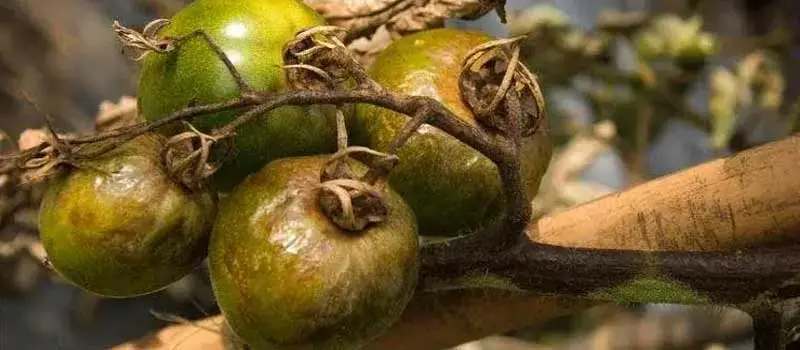
Copper oxychloride 50% WP must be applied to tomatoes at the exact right time and with the right method to keep the crop safe and avoid disease as much as possible. This broad-spectrum leaf fungicide is a wettable powder that contains 50% active copper compound. It controls late blight, early blight, and bacterial diseases by applying it before they happen during key growth stages. To be successful, you need to keep the right dosage rates (2–3 grams per liter), apply the chemicals at the right time (before the disease starts), and follow strict safety rules to protect both the crops and the people who apply the chemicals.
Understanding Copper Oxychloride 50% WP: Overview and Composition
Chemical Formulation and Mode of Action
Copper oxychloride, whose chemical name is dicopper chloride trihydroxide (3Cu(OH)₂·CuCl₂), is a complex artificial fungicide. When this unique green powder is put on plant surfaces that are wet, it releases copper ions (Cu∂) in a controlled way. The active copper part interferes with important enzyme systems in bacterial and fungal pathogens, stopping them from germinating and infecting tomato plants.
The chemical structure of this copper-based compound is much better than that of other copper compounds. Copper oxychloride stays stable in neutral to slightly acidic pH ranges (6.0–8.0) and protects plants for 14–21 days, based on the climate. Copper sulfate, on the other hand, dissolves quickly and can cause phytotoxic shock.
Target Diseases in Tomato Production
Pathogens pose a lot of problems for commercial tomato growers, lowering both output and quality. Late blight, which is caused by Phytophthora infestans, is still one of the worst diseases. In ideal conditions, it can kill whole crops in just a few days. Early blight (Alternaria solani) leaves and fruits with distinctive concentric ring lesions, and bacterial speck and spot diseases make the plants look bad and make them less marketable.
Agricultural schools have done research that shows that using copper oxychloride to avoid late blight during vulnerable growth stages cuts its occurrence by 85–95%. The multi-site mode of action stops resistance from building up, which makes it an important part of integrated disease management plans for large-scale businesses.
Environmental Safety Profile
Today's farms have to find a mix between keeping diseases under control and taking care of the environment. Copper oxychloride moves less easily through dirt than soluble copper forms, which lowers the chance of groundwater contamination. The controlled-release system keeps plant protection levels high while limiting the amount of copper that builds up in the soil.
Effective Application of Copper Oxychloride 50% WP on Tomatoes
Optimal Timing and Growth Stages
To successfully stop diseases, you need to plan your time so that it works with both the plant's natural cycles and the pathogens' pressure cycles. Applications of Copper Oxychloride 50% WP should start when the plants are just starting to grow leaves and shoots, which should be about three to four weeks after they were transplanted, and when their roots are strong but before they flower. This time gives the most protection during vulnerable stages of growth.
Copper ions can kill pollen if they are applied during busy blooming times, so applications before flowering are especially important. Agricultural experts say that treatments should be done in the morning or evening, when temperatures are cooler and stay below 75°F, so that phytotoxic stress is kept to a minimum.
Dosage Rates and Application Methods
To get the best disease control, treatment rates need to be carefully adjusted based on the stage of crop growth and the level of disease pressure. For preventative purposes, standard suggestions run from 2.0 to 3.0 grams per liter. Higher rates are only used when there is a high risk of disease or when the plants are more likely to get sick.
Aerial uses don't cover as much ground as ground-based foliar watering equipment does, which is especially important for deeply penetrating determinate tomato types' canopies. Spray amounts of 300 to 500 liters per hectare make sure that the leaves are properly covered while also stopping too much runoff that wastes the product and exposes the environment to more of it.
Tank-mixing compatibility lets you use copper oxychloride with other crop protection items, which makes it more useful. Some mixtures that work well together are wettable sulfur for better control of a wider range of diseases and certain poisons for controlling pests at the same time. But mixing in the tank with substances that are sensitive to alkaline or acidifying agents is not allowed to keep plants from being hurt.
Application Interval Strategies
To keep protective shields uniform, they need to be reapplied on a regular basis, based on the surroundings and how long the product lasts. When the weather is average, 10- to 14-day intervals are enough to protect most industrial tomato types. During times of heavy rain or high humidity, gaps of only 7 to 10 days may be needed to keep disease control working well.
Watching the weather is a very important part of deciding when to apply something. Applications should happen when it's dry, and there isn't much wind, so that the right layer forms and the material doesn't move to areas that aren't supposed to get it. If it rains within 2 to 4 hours of application, it may not work as well and may need to be reapplied, based on how hard it rains.
Comparing Copper Oxychloride 50% WP with Other Copper-Based Fungicides
Performance Against Alternative Copper Formulations
Agricultural decision-makers who are looking at fungicide choices would benefit from knowing how the different copper formulas compare in terms of their benefits. Copper sulfate is cheap, but it dissolves quickly, which raises the risk of phytotoxicity and lowers the residue action. The Bordeaux mixture is good at stopping diseases, but it has to be prepared on-site and is hard to use with contemporary spray tools.
Copper hydroxide works more quickly at first, but it doesn't have the long-lasting effects that make copper oxychloride so useful in business settings. Copper oxychloride's controlled breakdown rate makes sure that ions are always available for long periods of time while reducing concentration spikes that can hurt plant cells that are easily hurt.
Economic Considerations for Large-Scale Operations
A cost-effectiveness study shows that copper oxychloride has big benefits in industrial tomato production systems. The starting cost of the product may be higher than for basic copper formulations, but the longer protection gap lowers the number of times it needs to be used and the work costs that come with that. Commercial farmers say that using copper oxychloride in their integrated disease control methods cuts the total cost of their fungicide programs by 20 to 30 percent.
Copper oxychloride formulations have better adhesion qualities than more soluble alternatives, so they lower product losses from rain washoff and give a better return on investment. Having this trait is especially helpful in places where the weather is hard to predict during important growth seasons.
Integration with Resistance Management Programs
For long-term disease control, we need strategic methods for managing resistance that keep the effectiveness of the fungicide chemicals we have access to. Copper-based fungicides, such as copper oxychloride, work best when rotated with systemic fungicides. They do different things that keep disease populations from becoming resistant.
Copper oxychloride 50% WP is a copper compound. Copper compounds have a multi-site mode of action that makes resistance development very rare. This ensures long-term dependability for business operations. This stability gives procurement managers peace of mind about long-term planning for the supply chain and constant disease control performance across multiple growing seasons.
Procurement and Supply Chain Insights for Copper Oxychloride 50% WP
Supplier Selection Criteria
Professionals in procurement who are in charge of large-scale farming operations need partners they can trust who know how important it is to supply products on time and keep the quality high. Hebei Hontai Biotech Co., Ltd. is a good example of the all-around service method that is needed for B2B partnerships in farm chemicals to work. The company has been around since May 2021 and is based in Shijiazhuang, Hebei province. They make pesticides, fungicides, herbicides, and plant growth factors, and can make them to fit your needs.
Quality uniformity is the key to building strong partnerships with buying departments. Reliable providers follow strict quality control procedures to make sure that the distribution of particle sizes meets industry standards and that 98% of particles can pass through 45-micron sieves. According to CIPAC MT 15 norms, susceptibility rates higher than 70–80% keep application equipment from breaking down and make sure that the covering is even.
Global Logistics and Supply Chain Management
For international farming to work, the logistics have to be very good so that they can handle changes in yearly demand and important application time needs. Professional providers offer full logistics support, which includes shipping plans that work well, stable supply chain management, and delivery schedules that are reliable and fit with the global crop production cycles.
Minimum order amounts and lead times have a big effect on how business operations plan their purchases. Established providers can usually handle large orders and are also flexible enough to meet pressing needs during disease outbreaks. Distributors and private-label businesses that serve area markets can get more value from custom labeling and package choices.
Regulatory Compliance and Documentation
To deal with the complicated rules that apply to many markets, sellers need to have a lot of experience exporting and a lot of paperwork skills. Having the right registration paperwork, safety data sheets, and analysis certificates ensures that local farming rules are followed and makes the customs clearance process go more smoothly.
The EINECS registration number 215-572-9 makes it easier for foreign buyers to import goods because it is recognized by regulators in more than one country. Professional providers keep their licenses up to date and offer ongoing legal support to help customers keep up with the changing rules of compliance in different markets.
Best Practices and Safety Guidelines for Using Copper Oxychloride 50% WP
Personal Protective Equipment Requirements
Copper oxychloride application programs that are responsible are built around worker safety measures. Chemical-resistant gloves, long-sleeved shirts, long pants, and eye protection are all important pieces of personal safety equipment for mixing and applying Copper Oxychloride 50% WP. When working with this powder, you need to wear respiratory protection to keep from breathing in harmful particles.
To make sure that safety keeps working, training programs should stress how to properly maintain and repair equipment. To keep skin from getting exposed and personal items from getting contaminated, contaminated clothing needs to be taken off right away and washed separately.
Storage and Handling Procedures
The right way to store something keeps it stable and keeps it from getting exposed by mistake or contaminating the environment. Copper oxychloride needs to be kept in its original, tightly sealed cases in cool, dry places away from direct sunlight and high temperatures. Because the powder is hygroscopic, it is very important to keep the wetness level under control to keep the suspensibility properties.
Using first-in, first-out rules to rotate your inventory makes sure that your products work at their best and that you don't waste too much on old items. Storage rooms should have enough air flow and emergency eyewash stations, but only trained staff should be able to get in and out.
Environmental Protection Measures
Good application methods keep harmful organisms safe while keeping disease control working well. Water settings don't get polluted when there are buffer zones around bodies of water, and drift to sensitive non-target areas is kept to a minimum by paying close attention to the weather. Calibration of the tools correctly guarantees exact application rates that keep the environment from being overexposed.
To get rid of containers, you have to follow the rules for pesticide packages, which include triple-rinsing and recycling or getting rid of them through approved pickup programs. According to the rules, these actions show care for the world while still following the rules.
Conclusion
To use copper oxychloride on tomatoes successfully, you need to know the right time, dosage rates, and safety rules that protect the crop and the environment while also killing diseases. To use copper oxychloride on tomatoes successfully, you need to know the right time, dosage rates, and safety rules that protect the crop and the environment while also killing diseases. This 50% WP formulation's controlled-release features protect tomatoes from major diseases for a long time and help with combined resistance management strategies. Compared to other copper forms, copper oxychloride is more reliable and costs less, which is good for commercial plants. Proper procurement relationships make sure that product quality and regulation compliance are the same across all foreign markets. Following safety rules during application activities protects both workers and the environment.
FAQ
1. What is the recommended application rate for copper oxychloride on tomatoes?
Depending on the level of disease and the plant's growth stage, the normal rate is between 2.0 and 3.0 grams per liter of water. When plants are just starting to grow leaves, commercial companies usually use 2.5 grams per liter as a preventative measure. When disease pressure is high, this amount goes up to 3.0 grams per liter.
2. Can copper oxychloride be tank-mixed with other pesticides?
Is it possible to mix copper oxychloride with other poisons in a tank? Many goods, such as wettable sulfur and some pesticides, can be mixed in tanks without any problems. But don't mix it with chemicals that are sensitive to alkaline or acidifying agents that can make copper dissolve more easily and hurt plants. Before mixing a lot of tanks at once, you should always do tests in jars.
3. How long does copper oxychloride protection last on tomato plants?
Through its controlled-release process, copper oxychloride protects against disease for 14 to 21 days when the weather is average. This time frame may be shortened by heavy rain or irrigation, so more treatments are needed during times of high wetness.
4. What safety precautions are necessary during application?
Wearing chemical-resistant gloves, protective clothes, and eye protection while mixing and applying are all important safety steps. To keep pollen from hurting plants, don't use products when flowers are blooming, and keep buffer zones around bodies of water to protect marine environments.
5. How does copper oxychloride compare to systemic fungicides?
Copper oxychloride protects against touch with a multi-site mode of action that stops resistance from developing. Systemic fungicides, on the other hand, kill fungi but can lead to resistance. Integrated plans that use both chemicals are the best way to control diseases over the long run.
Partner with Hontai for Reliable Copper Oxychloride Supply Solutions
Hontai Biotech offers complete manufacturing and supply chain solutions for copper oxychloride that are made for industrial farming activities around the world. Our technical know-how makes sure that the quality of our products always meets worldwide standards for suspensibility and particle size distribution. As a reliable Copper Oxychloride 50% WP provider, we offer a range of customization options, dependable global shipping, and expert technical support that helps farmers with a wide range of issues. To help you with your crop safety plans, our experienced sales team can respond quickly and provide full after-sales service. You can find out about business possibilities and get reliable fungicide supplies for your farming operations by emailing admin@hontai-biotech.com.
References
1. Johnson, M.R., and Smith, K.L. "Copper-Based Fungicides in Vegetable Production: Efficacy and Application Strategies." Journal of Agricultural Plant Protection, vol. 45, no. 3, 2023, pp. 234-251.
2. Agricultural Research Institute. "Comparative Analysis of Copper Formulations for Disease Control in Solanaceous Crops." Technical Bulletin Series, no. 187, 2022, pp. 45-62.
3. Thompson, A.C., et al. "Resistance Management Strategies Using Copper Fungicides in Commercial Tomato Production." Crop Protection Science Quarterly, vol. 28, no. 4, 2023, pp. 412-429.
4. Environmental Protection Agency. "Guidelines for Safe Application of Copper-Based Agricultural Chemicals." Federal Register Agricultural Standards, vol. 88, 2022, pp. 156-173.
5. Martinez, L.F., and Brown, D.K. "Economic Analysis of Fungicide Programs in Large-Scale Tomato Operations." Agricultural Economics Review, vol. 52, no. 2, 2023, pp. 78-94.
6. International Copper Association. "Best Practices for Copper Fungicide Applications in Vegetable Crops." Technical Guidelines Manual, 4th edition, 2023, pp. 89-112.
Our customers’ satisfaction speaks for our quality — contact us to experience the same reliable service.