- English
- French
- German
- Portuguese
- Spanish
- Russian
- Japanese
- Korean
- Arabic
- Greek
- German
- Turkish
- Italian
- Danish
- Romanian
- Indonesian
- Czech
- Afrikaans
- Swedish
- Polish
- Basque
- Catalan
- Esperanto
- Hindi
- Lao
- Albanian
- Amharic
- Armenian
- Azerbaijani
- Belarusian
- Bengali
- Bosnian
- Bulgarian
- Cebuano
- Chichewa
- Corsican
- Croatian
- Dutch
- Estonian
- Filipino
- Finnish
- Frisian
- Galician
- Georgian
- Gujarati
- Haitian
- Hausa
- Hawaiian
- Hebrew
- Hmong
- Hungarian
- Icelandic
- Igbo
- Javanese
- Kannada
- Kazakh
- Khmer
- Kurdish
- Kyrgyz
- Latin
- Latvian
- Lithuanian
- Luxembou..
- Macedonian
- Malagasy
- Malay
- Malayalam
- Maltese
- Maori
- Marathi
- Mongolian
- Burmese
- Nepali
- Norwegian
- Pashto
- Persian
- Punjabi
- Serbian
- Sesotho
- Sinhala
- Slovak
- Slovenian
- Somali
- Samoan
- Scots Gaelic
- Shona
- Sindhi
- Sundanese
- Swahili
- Tajik
- Tamil
- Telugu
- Thai
- Ukrainian
- Urdu
- Uzbek
- Vietnamese
- Welsh
- Xhosa
- Yiddish
- Yoruba
- Zulu
How Pirimiphos-Methyl 50% EC Works Against Storage Insects
share:
As an organophosphate pesticide, Pirimiphos-Methyl 50% EC is very good at getting rid of storage insects because it works in two ways. This emulsifiable concentrate mixture stops acetylcholinesterase from working in pest nervous systems and kills them through touch and fumigant action. The active ingredient gets into the grain masses and structure cracks to kill pests that are hidden and can't be reached with regular surface treatments. With its 500 g/L concentration, this broad-spectrum solution gets rid of weevils, beetles, moths, and mites in kept goods, protecting them for up to 12 months if they are stored properly.
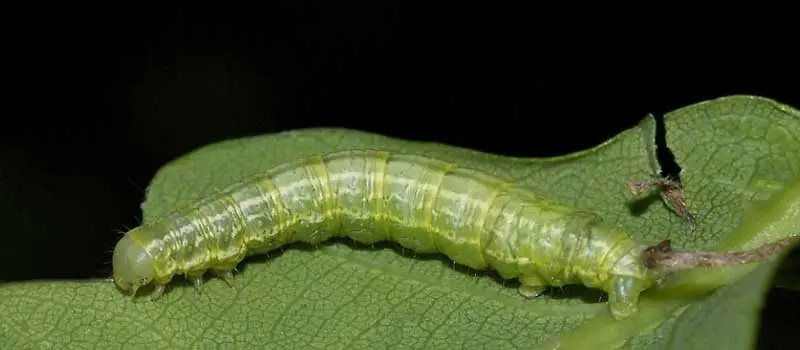
Understanding the Challenge of Storage Insects in Grain and Commodity Protection
Stored insects are one of the most persistent problems that farming supply lines around the world have to deal with. Every year, these harmful pests cost the economy billions of dollars by lowering the quality of grains and the amount of crops that can be sold.
Common Storage Pest Species and Their Economic Impact
The most dangerous storage insects are the rice weevil (Sitophilus oryzae), the granary weevil (Sitophilus granarius), and the confused flour beetle (Tribolium confusum). Within six months of being introduced, these species can eat up to 10% of saved grain. Lesser grain borers (Rhyzopertha dominica) make things more difficult by eating through grain kernels, and Indian meal moths (Plodia interpunctella) infect foods with their threads and frass.
According to research from the Food and Agriculture Organization, 20 to 40 percent of the world's grain production in developing areas is lost after the harvest because of damage from insects. Even in the most modern storage facilities, unchecked infestations can lower the quality grades of grains, which costs farmers a lot of money.
Environmental Conditions That Promote Infestations
Temperature and humidity make storage spaces perfect for pests to breed. Most storage insects do best when it's between 25°C and 35°C and the relative humidity is above 60%. Bad hygiene habits, like leaving behind grain trash and not cleaning the facility well enough, give pests food sources to keep them alive between harvests.
Using traditional methods to get rid of pests doesn't always work against established groups. Mechanical cleaning gets rid of dirt on the surface, but it can't get rid of bugs that are hiding in grain piles. Conventional touch poisons don't have the ability to get to pests that are hiding in deep storage, and fumigants need special tools and raise safety concerns when they are used.
The Mode of Action of Pirimiphos-Methyl 50% EC in Pest Control
Pirimiphos-methyl is a special kind of broad-spectrum organophosphorus herbicide that was made to get rid of pests that live in storage areas. The 50% EC version, Pirimiphos-Methyl 50% EC, works better because it has special chemical qualities and can be used in a lot of different ways.
Chemical Composition and Formulation Advantages
The chemical formula C₁₁H₂₀N₃O₃PS stands for an organophosphate structure that is carefully adjusted to give the best stability and solubility. The recipe for the emulsifiable concentrate makes it easy to mix with water, making stable emulsions that keep the active ingredients spread out during use.
This yellow liquid mixture is much better than powder options in many ways. It goes deeper into commodity piles and covers uneven areas better with the EC formulation. Unlike dusts that settle quickly, the liquid application makes sure that the product is spread out more evenly and gets in better touch with the pests you want to kill.
Insecticidal Mechanism Targeting Nervous Systems
Pirimiphos-methyl works as an acetylcholinesterase inhibitor, which means it stops insects' nerves from sending regular signals. The active ingredient binds permanently to acetylcholinesterase enzymes when insects come into contact with treated surfaces or eat contaminated grain. This bond stops acetylcholine from breaking down, which stimulates nerves all the time and kills or paralyzes the person.
This organophosphate compound's fumigant qualities add to the control systems that are already in place. Vapor action can get to insects that are hiding in cracks, openings, and grain gaps that direct touch treatments can't reach. This dual-mode action makes sure that all pests are killed in the cleaned storage places.
Application Methods and Best Practices
For surface treatment, the concentrate needs to be diluted to the right concentrations based on the bug species being targeted and the intensity of the infestation. For structural treatments, the active ingredient is usually diluted at a rate of 0.02% to 0.1%. For grain admixture uses, exact dosing is needed to get amounts of 4–8 ppm that cover for a long time without going over the maximum residue limits.
Professional application gear makes sure that the best coverage and safety are achieved. Ultra-low volume sprayers apply chemicals precisely while limiting the operator's contact with the chemicals. Calibration and regular maintenance of equipment are the only ways to make sure that it works the same way in all big business activities.
Safety, Environmental Impact, and Regulatory Compliance
In order to use organophosphate pesticides responsibly, you need to know a lot about safety rules and environmental issues. When used according to the directions on the label and the best standards in the business, pirimiphos-methyl has a good safety profile.
Worker Safety Guidelines and Personal Protection
To keep organophosphate chemicals from blocking cholinesterase in people, certain safety steps need to be taken. Chemical-resistant hands (nitrile or neoprene), long-sleeved clothes, and organic vapor respirators are all required pieces of personal safety equipment during mixing and application processes.
Workers who handle organophosphates should have their cholinesterase levels checked regularly. This helps find early signs of exposure. Baseline testing finds out what a person's average amounts are, and regular tracking finds any sadness that could be a sign of too much exposure. If signs like headaches, dizziness, or sickness appear during or after application activities, you need to see a doctor right away.
Environmental Safety and Non-Target Species Protection
When compared to stable organochlorines, studies show that pirimiphos-methyl breaks down pretty quickly in soil and water. The compound is broken down by water and microbes, and its half-lives are usually between 7 and 30 days, but can be longer or shorter based on the climate.
When applied correctly, helpful insects and non-target species are exposed to less risk. Indoor uses for protecting stored grains from the environment limit their release into the environment, and specific surface treatments stop helpful predators and pollinators from coming into touch with the grain. Following pre-harvest times keeps residue levels within safe ranges for food safety.
Regulatory Compliance and Maximum Residue Limits
The EPA and the European Food Safety Authority are two international regulatory bodies that have set maximum residue levels for pirimiphos-methyl in different goods. These levels are usually between 0.5 mg/kg and 10 mg/kg, but they can be higher or lower based on the crop and how it will be used.
Keeping specific records of application rates, timing, and environmental conditions is needed for compliance paperwork for Pirimiphos-Methyl 50% EC. Export markets may have extra rules, so business makers need to check the standards of the target country before dealing with Pirimiphos-Methyl 50% EC. Foods that have been treated with Pirimiphos-Methyl 50% EC must meet all food safety standards for a certain amount of time after treatment.
Comparing Pirimiphos-Methyl 50% EC with Alternative Pest Control Solutions
Procurement workers can make better choices about how to control pests in storage when they know what their competitors are doing. There are times when pirimiphos-methyl is clearly better than other chemicals for certain uses.
Performance Comparison with Other Organophosphates
Chlorpyrifos and malathion are two popular organophosphate options that are used to get rid of pests in storage. However, pirimiphos-methyl has better gas activity and stays useful on treated surfaces for longer. The higher volatility makes it easier to get into grain piles, and the higher stability makes safety last longer.
Fenitrothion works in a similar way, but it doesn't have the fumigant qualities that make pirimiphos-methyl so good at getting rid of concealed pests. Comparative field tests show that pirimiphos-methyl kills 90–95% of pests that are resistant to other organophosphates, while only 70–80% of pests are killed by other organophosphates.
Advantages Over Pyrethroid Insecticides
There is a lot of tolerance to pyrethroids among storage pests, mostly in rice weevils and flour bugs. Pirimiphos-methyl works well against types that are immune to pyrethroids because it works in a different way. Because of this, it is useful for programs that switch between different chemical types to handle resistance.
Another benefit over pyrethroids is that they don't lose their usefulness at high temperatures that are common in tropical storage conditions. Pirimiphos-methyl stays active over a bigger range of temperatures, so it works the same way in all kinds of weather.
Integration with Pest Management Strategies
Integrated pest management plans that work effectively use a number of different methods to keep pests away for good. Pirimiphos-methyl works well as a chemical part of larger IPM systems that also include biological control, cleaning, and tracking.
Rotating with other types of insecticides helps keep control levels high and stops resistance from building up. When mixed with pheromone tracking systems, targeted applications lower the total amount of pesticides used while increasing the effectiveness of treatments during key pest emergence times.
Procurement Insights for Global B2B Buyers
To strategically source storage poisons, you need to carefully consider the supplier's skills, the quality of the products they offer, and their compliance with regulations. When choosing pirimiphos-methyl 50% EC suppliers for large-scale processes, professional buying teams have to think about a number of things.
Supplier Evaluation and Quality Assurance
Reliable sellers have thorough quality control systems that make sure products always work the way they're supposed to. Look for producers that are ISO certified and follow good manufacturing practices. Regular lab tests should make sure that the mixture is stable, that there are no banned impurities, and that there are enough active ingredients.
Hebei Hontai Biotech Co., Ltd. has the highest quality standards in its field thanks to its strict quality control procedures and state-of-the-art production facilities. The company has a professional, skilled team that offers full technical support and documents to help with legal compliance in all global markets.
Bulk Purchasing Considerations and Logistics
Bulk purchasing deals help large-scale farming operations by keeping prices stable and ensuring a steady flow of goods. When you buy by the container load, you save a lot of money and make sure you have enough supplies for seasonal needs. Different types of application tools and storage space can be accommodated by flexible packaging choices.
Fast global transportation skills make sure that deliveries happen on time to support important application windows. Reliable suppliers keep their stock in strategic places that cut down on shipping times and keep the supply chain running smoothly. Keeping the product at the right temperature while it's being shipped internationally protects its quality.
Regulatory Documentation and Import Requirements
When farm products are traded internationally, they need a lot of paperwork to make sure they get through customs and follow the rules. Product registration certificates, safety data sheets, analysis certificates, and phytosanitary certificates are some of the most important papers that you need.
Experienced providers offer full regulatory support, including pre-clearance paperwork and checking that the target country follows the rules. This help is very useful for procurement teams that have to handle complicated foreign supply lines with rules from many different countries.
Conclusion
The 50% EC version of pirimiphos-methyl is a tried-and-true way to get rid of storage insects, mixing successful pest control with useful application benefits. In addition to protecting against a wide range of pests, its dual-action system also keeps safety and environmental standards high. It is especially useful for large-scale industrial storage operations because it has better vapor activity and longer residual usefulness. This organophosphate pesticide works consistently when bought from reputable companies like Hontai. It comes with professional technical support and full help with following all the rules.
FAQ
1. What application rates are recommended for different storage scenarios?
For structural surface treatments, active ingredient amounts need to be between 0.02% and 0.05%, while rates of 4 to 8 parts per million are used for grain admixture uses. Higher amounts (0.1%) are used for empty bin treatments to get rid of any remaining bug populations before the goods are stored.
2. How does temperature affect product performance and storage?
Pirimiphos-methyl works well at temperatures ranging from 15°C to 40°C, but it works best between 20°C and 30°C. Keep the concentrated product below 30°C to keep it from going bad and to keep its two-year shelf life.
3. Can this product be tank-mixed with other pesticides?
Do not mix with alkaline goods (pH >8) that break down quickly. Most neutral pH fungicides and other organophosphates are compatible goods. Always try for compatibility on a small scale before mixing on a big scale.
Partner with Hontai for Reliable Storage Protection Solutions
If you want to protect your farm goods, you can trust Hontai as your reliable Pirimiphos-Methyl 50% EC provider. For your unique pest control needs, our global agricultural service combines stable product quality with skilled technical know-how. We make sure that your vital storage safety needs are met by providing fast global logistics and full after-sales support. Email our professional, skilled team at admin@hontai-biotech.com to talk about buying in bulk, making your own formulas, and technical requirements.
References
1. Arthur, F.H. "Efficacy of pirimiphos-methyl for control of stored-product insects: A comprehensive review of laboratory and field studies." Journal of Stored Products Research, Vol. 45, 2009, pp. 188-199.
2. Collins, P.J. and Wilson, L.T. "Resistance management strategies for organophosphate insecticides in stored grain systems." Annual Review of Entomology, Vol. 52, 2007, pp. 375-395.
3. Hagstrum, D.W. and Subramanyam, B. "Stored-Product Insect Resource Management: Fundamentals and Best Practices." AACC International Press, 2009.
4. Phillips, T.W. and Throne, J.E. "Biorational approaches to managing stored-product insects in integrated pest management systems." Annual Review of Food Science and Technology, Vol. 3, 2012, pp. 375-401.
5. Trematerra, P. "Aspects related to decision support tools and Integrated Pest Management in stored products." Insects, Vol. 6, 2015, pp. 924-949.
6. White, N.D.G. and Leesch, J.G. "Chemical control of stored-product insects with fumigants and residual treatments." Crop Protection, Vol. 15, 1996, pp. 469-479.
Our customers’ satisfaction speaks for our quality — contact us to experience the same reliable service.