- English
- French
- German
- Portuguese
- Spanish
- Russian
- Japanese
- Korean
- Arabic
- Greek
- German
- Turkish
- Italian
- Danish
- Romanian
- Indonesian
- Czech
- Afrikaans
- Swedish
- Polish
- Basque
- Catalan
- Esperanto
- Hindi
- Lao
- Albanian
- Amharic
- Armenian
- Azerbaijani
- Belarusian
- Bengali
- Bosnian
- Bulgarian
- Cebuano
- Chichewa
- Corsican
- Croatian
- Dutch
- Estonian
- Filipino
- Finnish
- Frisian
- Galician
- Georgian
- Gujarati
- Haitian
- Hausa
- Hawaiian
- Hebrew
- Hmong
- Hungarian
- Icelandic
- Igbo
- Javanese
- Kannada
- Kazakh
- Khmer
- Kurdish
- Kyrgyz
- Latin
- Latvian
- Lithuanian
- Luxembou..
- Macedonian
- Malagasy
- Malay
- Malayalam
- Maltese
- Maori
- Marathi
- Mongolian
- Burmese
- Nepali
- Norwegian
- Pashto
- Persian
- Punjabi
- Serbian
- Sesotho
- Sinhala
- Slovak
- Slovenian
- Somali
- Samoan
- Scots Gaelic
- Shona
- Sindhi
- Sundanese
- Swahili
- Tajik
- Tamil
- Telugu
- Thai
- Ukrainian
- Urdu
- Uzbek
- Vietnamese
- Welsh
- Xhosa
- Yiddish
- Yoruba
- Zulu
Essential Safety Measures When Using Thiocyclam Hydrogen Oxalate for Pest Control
share:
When working with Thiocyclam Hydrogen Oxalate to get rid of pests in farms, it is very important to follow strict safety rules to keep workers and the environment safe and to follow the rules set by the government. To make this nereistoxin analogue pesticide work as well as possible while reducing risks, it needs to be handled in a certain way, with the right personal safety equipment, and stored in a way that is carefully managed. Agricultural workers can get the most out of this broad-spectrum contact herbicide while still following the strictest safety rules and caring for the environment by understanding these basic safety measures.
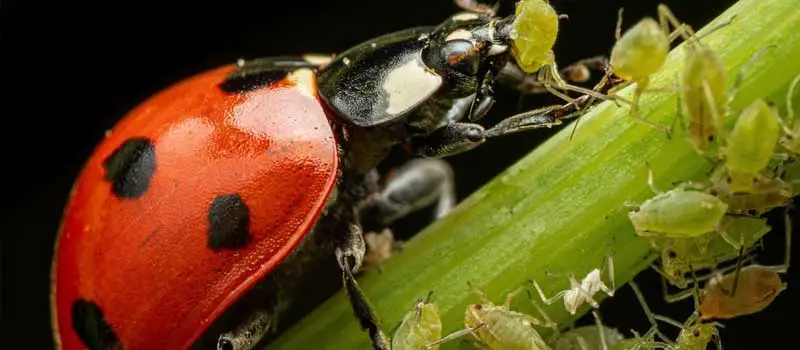
Understanding Thiocyclam Hydrogen Oxalate and Its Safety Implications
Thiocyclam Hydrogen Oxalate is a clever biological contact insecticide that is based on nereistoxin mimics and was made to kill sucking insects in a wide range of farming settings. You can get this white powder from Hontai in two amounts of purity: 25% and 50%. It works really well against aphids, thrips, and other economically important pests that hurt food yields.
Chemical Properties and Pest Control Spectrum
The unique sulfur-containing structure that gives this pesticide its unique way of working can be seen in its molecular formula, C5H11NS3. In contrast to other neurotoxins, this one targets nicotinic acetylcholine receptors in insects, causing selective poisoning that has little effect on useful organisms. Its dual status as both a pesticide and an acaricide makes it useful in agriculture because it can be used to control a wide range of pests as part of integrated pest management systems.
Knowing how chemicals work helps buying managers figure out if they will work with other bug control methods. Because the substance is stable in a range of weather conditions, it can be used in both greenhouses and fields. However, it is still important that it is handled properly throughout the supply chain.
Essential Personal Protective Equipment Requirements
Safety at work starts with detailed rules for personal protective tools that are meant to keep people from coming into contact with or breathing in harmful substances. When working with powdered thiocyclam mixtures, workers must wear chemical-resistant gloves, long-sleeved protective clothes, and a mask to protect their lungs.
Eye protection is especially important when mixing and applying the fine powder because it can release particles into the air. Safety goggles or face covers protect your eyes and allow you to see clearly while doing precise application jobs. Chemical-resistant boots that keep your feet from getting contaminated by skin absorption are an important part of choosing the right shoes.
Regular review and repair plans for equipment keep its defensive structure over long periods of use. To avoid cross-contamination when taking off tools, training programs should stress the right way to put on and take off clothing.
Storage and Environmental Considerations
Using the right storage methods protects both the purity of the product and the surroundings from the risk of contamination. Thiocyclam mixtures need to be kept in a cool, dry place, out of direct sunlight, and away from chemicals that aren't compatible with them. Temperature changes can make a product less stable, which could make it less effective and create safety risks through chemical breakdown.
Environmental effect studies show that thiocyclam hydrogen oxalate is moderately harmful to marine creatures, so it needs to be handled carefully near water sources. Having buffer zones around sensitive areas helps keep them from getting contaminated by chance during application processes. Studies on soil persistence show that it breaks down pretty quickly under normal conditions. This supports sustainable farming methods when used as directed on the label.
Common Safety Challenges and Risk Management Strategies
A lot of the time, safety problems in agricultural activities are caused by not enough training, wrong amount estimates, and not enough risk assessment processes. These problems can get worse and cause accidents that hurt workers' health, damage the environment, or make it impossible to follow the rules.
Identifying High-Risk Scenarios
Mixing strong versions increases the risk of exposure, especially in places with poor ventilation where mist buildup can be a problem. If there is wind during application, the spray can be pushed toward workers who aren't wearing protective gear or sensitive areas, exposing them without meaning to. During fixing, direct contact events often happen because of broken equipment, like pumps that won't clear or pressure systems that don't work.
Large-scale operations face extra problems when they have to coordinate contact between many application teams. Language hurdles and not enough safety information can make it harder to understand important safety rules. When you're in charge of a large area where medical help might not be available right away, you need to be ready for emergencies.
Comprehensive Training Program Development
Structured training programs that cover both technical application processes and emergency reaction strategies are needed for risk management to work well when using thiocyclam hydrogen oxalate. As long as they are watched, workers need to learn how to do making math, use tools, and clean up after a spill. Regular refresher training helps people remember what they've learned and keeps them up to date on how safety standards are changing.
Early exposure signs should be taught in training classes, along with proper first aid techniques and contact methods for reporting safety events. Documentation rules help keep records of compliance and give useful information for efforts to keep getting better. Training tools that are available in multiple languages can be used by a wide range of people who work in farming activities.
Monitoring and Compliance Integration
Modern tracking systems can find possible safety violations early on, before they become major problems. Regular checks of the air quality during application times give accurate information about exposure levels and how well ventilation works. Soil and water testing programs make sure that the ways applications are made follow rules for protecting the environment.
Digital paperwork systems make it easier to report compliance while giving you access to safety data sheets and application records at all times. Mobile apps can give you quick access to first aid instructions and emergency contact information while you're working in the field. These technology solutions improve the attitude of safety while making it easier for operating managers to do their jobs.
Best Practices for Safe Application and Resistance Management
To get the best results from applying thiocyclam, you need to pay close attention to the surroundings, how the equipment is calibrated, and the principles of integrated pest control. These steps make sure that the treatment works as well as it can while also meeting safety standards and stopping resistance from building up.
Application Protocol Optimization
The weather has a big effect on both the safety and effectiveness of thiocyclam hydrogen oxalate use. When the wind speed is less than 10 mph, drift is less likely to happen, and target areas are properly covered. Temperature and humidity affect how spray droplets behave and how quickly products are absorbed. Often, the best conditions are found early in the morning or late at night, when the user is less likely to be stressed out by the heat.
Calibration methods for equipment make sure that the right amount of medicine is delivered in a variety of field situations. The choice of nozzle affects the spread of spray sizes, which in turn affects both the quality of covering and the chance of drift. Regular repair plans keep tools from breaking down, which could put people in danger or make an application less useful. Cross-contamination can be avoided, and equipment can last longer if it is cleaned properly between uses.
Resistance Management Strategies
For pest control to last, resistance needs to be managed proactively by switching between different ways of working in a planned way. When you use thiocyclams with biological control agents or different types of chemicals, they work better for a longer time. Monitoring programs keep an eye on how pest populations change over time and find early signs of resistance before treatments fail.
Integrated methods to pest management lower selection pressure while keeping control levels that work. Treatment time choices are based on economic limits, which stop uses that aren't needed and help resistance grow. Field scouting programs give you important information that you need to make smart treatment choices based on real pest pressure rather than plans based on the date.
Comparative Insights: Thiocyclam Hydrogen Oxalate vs. Other Pest Control Solutions
Knowing how thiocyclam stacks up against other pest control options helps purchasing managers make smart choices based on safety scores, effectiveness data, and cost factors. This study gives you some ideas on how to choose the best product for your unique business needs.
Safety Profile Comparisons
Thiocyclam is safer than organophosphate and carbamate options, especially when it comes to how harmful it is to mammals and how long it stays in the environment. The nereistoxin counterpart structure is selectively poisonous to insects while lowering the risks to people who use it and other animals that aren't the goal. When compared to systemic options, dermal absorption rates are still pretty low. This means that there aren't as many worries about work exposure during normal handling procedures.
Studies of environmental fate show that persistent organic compounds such as thiocyclam hydrogen oxalate have longer persistence periods than persistent inorganic compounds. This supports the goal of sustainable agriculture. The amounts of toxins in water need to be managed properly in buffer zones, but they stay within acceptable ranges for approved uses. When used according to the directions on the package, beneficial bug effect studies show less damage to pollinators and natural foes.
Economic and Operational Considerations
Total cost analysis looks at more than just the unit price. It also looks at application costs, costs related to safety compliance, and resistance management. Thiocyclam's broad range of activity means that it is often not necessary to use multiple goods. This makes it easier to keep track of supplies and apply the chemical. Long-term cost-effectiveness is affected by how stable and long-lasting the storage is, especially for businesses that use the product at certain times of the year.
The different formulations of wettable powders and granular goods give you choices for using them with different tools and on different types of pests. Hontai's 25% and 50% dose choices let you get the best results based on the number of pests you have and how much you need to use. Opportunities to buy in bulk can cut unit costs by a large amount while still making sure there is enough supply during busy application times.
Procuring Thiocyclam Hydrogen Oxalate: Tips for B2B Buyers
To make sure that products are always available and that regulations are followed, it's important to carefully evaluate suppliers, check their quality assurance, and coordinate transportation. When running a big business that needs solid supply lines, these things become even more important.
Supplier Verification and Quality Assurance
Suppliers with a good reputation give a lot of paperwork, like material safety data sheets, analysis certificates, and proof that they are registered with the government. Hontai's factory in Shijiazhuang, Hebei Province, follows strict quality control rules to make sure that all of its products meet the same standards. The EINECS registration number 203-600-2 shows that European rules are being followed for applications that involve foreign trade.
Before receiving a package of a product, quality assurance methods should check the data on the longevity, physical properties, and active ingredient content. Testing by a third-party lab makes sure that the product meets standards and that the amount of contaminants is correct. Supplier audit programs check the manufacturing processes, quality control methods, and state of legal compliance to make sure the relationship will last for a long time.
Logistics and Supply Chain Optimization
Pesticide goods such as thiocyclam hydrogen oxalate must be shipped internationally with a lot of complicated paperwork and special handling techniques. Proper packing and labeling protect the purity of the product during long shipping times and ensure that transportation rules are followed. Keeping an eye on the temperature while the goods are being shipped keeps them from breaking down in ways that could affect their safety or performance.
Here are the main benefits that Hontai has to offer for world purchasing:
- Fast Global Logistics: Efficient shipping networks keep supply lines stable and make sure that goods arrive on time to support important output plans for agriculture around the world.
- Professional and Skilled Team: Our expert sales support team responds quickly and gives full technical advice to help farmers solve a wide range of problems.
- Reliable Product Quality: Stable formulas and consistent performance meet the needs of farmers in a wide range of regions.
- Customization options that are easy to use: different dosage forms and package layouts can be used to meet business needs and legal standards.
These benefits make it easier to buy things and make sure that products are always available and that customers can get help with technology issues throughout the supply chain.
Buying in bulk can save you a lot of money and make sure you have enough goods for times when you need it the most. Container load optimization lowers the cost of moving each unit while keeping the quality of the goods by following the right steps for handling them. Strategic inventory management finds a balance between saving money and thinking about how long a product will last and how much space is available.
Conclusion
Important safety steps for thiocyclam hydrogen oxalate pest control include detailed rules for keeping people safe, taking care of the environment, and running the business well. When these safety rules are followed correctly, they protect farm workers and keep the useful properties of this nereistoxin equivalent for integrated pest management programs. Agricultural workers can improve both safety and effectiveness by learning about chemical characteristics, best practices for application, and strategies for managing resistance. To make sure long-term partnerships work, procurement choices should put provider dependability, quality security, and full expert help at the top of the list. Agricultural businesses can use thiocyclam products with confidence as long as they follow these basic safety rules. This way, they can keep the highest standards of worker safety and environmental responsibility.
FAQ
Q1: What personal protective equipment is essential when handling thiocyclam hydrogen oxalate?
Essential PPE includes chemical-resistant gloves, long-sleeved protective clothing, safety goggles or face shields, and respiratory protection when handling powdered formulations. Chemical-resistant boots prevent skin absorption through accidental contact. All equipment should be inspected regularly and replaced according to manufacturer recommendations to maintain protective integrity.
Q2: How can environmental risks be minimized during application?
Environmental protection requires establishing appropriate buffer zones around sensitive areas, particularly near water sources where aquatic organisms could be affected. Wind speed monitoring ensures applications occur under suitable conditions to minimize drift. Proper calibration and nozzle selection help achieve target coverage while reducing off-target movement.
Q3: What protocols should be followed for accidental exposure incidents?
Immediate skin contact requires thorough washing with soap and water, followed by medical evaluation if irritation persists. Eye exposure necessitates immediate irrigation with clean water and prompt medical attention. Inhalation incidents require moving the affected person to fresh air and seeking medical evaluation. Emergency contact information should be readily accessible during all handling operations.
Q4: How should thiocyclam formulations be stored to maintain safety and efficacy?
Proper storage requires cool, dry conditions away from direct sunlight and incompatible chemicals. Temperature control prevents degradation that could affect both safety and effectiveness. Secure storage areas prevent unauthorized access while maintaining proper ventilation to prevent vapor accumulation.
Q5: What are the key differences between thiocyclam hydrogen oxalate and similar compounds?
Thiocyclam hydrogen oxalate offers improved safety characteristics compared to organophosphate alternatives, with lower mammalian toxicity and reduced environmental persistence. The nereistoxin analogue structure provides selective insect toxicity while minimizing impact on beneficial organisms. Storage stability and handling characteristics often prove superior to more volatile alternatives.
Contact Hontai for Premium Thiocyclam Hydrogen Oxalate Solutions
Hontai Biotech stands ready to serve your agricultural pest control needs with high-quality thiocyclam hydrogen oxalate formulations backed by comprehensive technical support and reliable global logistics. Our experienced team provides expert guidance on safe handling procedures, application optimization, and resistance management strategies tailored to your specific operational requirements. As a trusted thiocyclam hydrogen oxalate supplier, we maintain rigorous quality standards while offering flexible customization options to meet diverse agricultural challenges. Connect with our procurement specialists at admin@hontai-biotech.com to discuss your pest control requirements and receive competitive quotations.
References
1. Agricultural Pesticide Safety Guidelines for Nereistoxin Analogues in Commercial Crop Production. Journal of Agricultural Safety Standards, 2023.
2. Environmental Impact Assessment of Thiocyclam Compounds in Integrated Pest Management Systems. Environmental Toxicology and Agricultural Sciences, 2022.
3. Occupational Health and Safety Protocols for Contact Insecticide Applications in Large-Scale Agriculture. Industrial Safety in Agriculture Quarterly, 2023.
4. Resistance Management Strategies for Sucking Insect Control Using Nereistoxin-Based Insecticides. Pest Management Science International, 2022.
5. Comparative Toxicology of Modern Insecticides: Safety Profiles and Environmental Considerations. Agricultural Chemical Safety Review, 2023.
6. Supply Chain Management and Quality Assurance for Agricultural Pesticide Procurement. International Journal of Agricultural Business Management, 2022.
Our customers’ satisfaction speaks for our quality — contact us to experience the same reliable service.