- English
- French
- German
- Portuguese
- Spanish
- Russian
- Japanese
- Korean
- Arabic
- Greek
- German
- Turkish
- Italian
- Danish
- Romanian
- Indonesian
- Czech
- Afrikaans
- Swedish
- Polish
- Basque
- Catalan
- Esperanto
- Hindi
- Lao
- Albanian
- Amharic
- Armenian
- Azerbaijani
- Belarusian
- Bengali
- Bosnian
- Bulgarian
- Cebuano
- Chichewa
- Corsican
- Croatian
- Dutch
- Estonian
- Filipino
- Finnish
- Frisian
- Galician
- Georgian
- Gujarati
- Haitian
- Hausa
- Hawaiian
- Hebrew
- Hmong
- Hungarian
- Icelandic
- Igbo
- Javanese
- Kannada
- Kazakh
- Khmer
- Kurdish
- Kyrgyz
- Latin
- Latvian
- Lithuanian
- Luxembou..
- Macedonian
- Malagasy
- Malay
- Malayalam
- Maltese
- Maori
- Marathi
- Mongolian
- Burmese
- Nepali
- Norwegian
- Pashto
- Persian
- Punjabi
- Serbian
- Sesotho
- Sinhala
- Slovak
- Slovenian
- Somali
- Samoan
- Scots Gaelic
- Shona
- Sindhi
- Sundanese
- Swahili
- Tajik
- Tamil
- Telugu
- Thai
- Ukrainian
- Urdu
- Uzbek
- Vietnamese
- Welsh
- Xhosa
- Yiddish
- Yoruba
- Zulu
How to Use Azamethiphos 1% Safely and Effectively?
share:
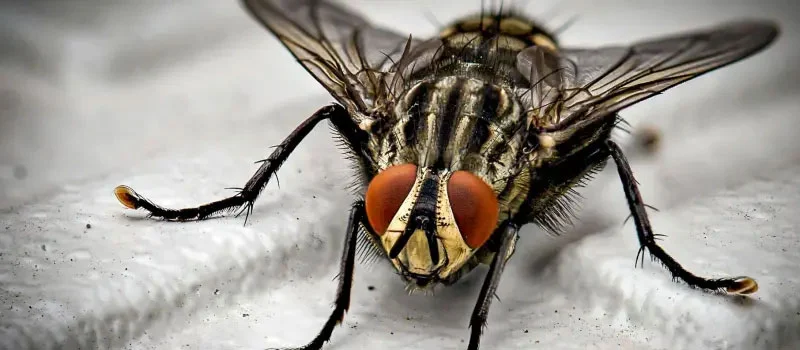
The safe and successful use of Azamethiphos 1% is dependent on knowledge of the specific mode of action as an organophosphate-based fly bait pesticide and strict compliance with application guidelines. This formulation contains attractants like Z-9-Tricosene to increase feeding rates and provides fast knockdown of houseflies and stable flies due to its cholinesterase inhibitor mode of action. When used properly on resting surfaces in livestock facilities, food processing industries, or municipal sanitation areas, it offers up to eight weeks of residual control while limiting threats to non-target species using integrated bittering chemicals and smart placement techniques.
Introduction
Beyond pain, commercial and government pest control organizations handle flies. Flies spread Salmonella, E. coli, and Cholera to animals, food processing, and public hygiene. Pyrethroid-resistant spray pesticides are found on many continents.
The Azamethiphos 1% baits handle this differently. This method targets chewing with an organophosphate active ingredient and potent attractants in a granular or paint-on matrix instead of contact spraying. Professional pest control operators may employ discrete treatments in hygiene-sensitive locations where fogging is impracticable, while government vector control programs use WHO-recommended formulations that fulfill public health standards.
Procurement managers, municipal sanitation agencies, and PCO operators may find guidelines, safety, comparative benefits, and sourcing in the paper. Understanding these factors helps large-scale procurement choices balance safety, efficiency, and cost.
Understanding Azamethiphos 1% – Chemical and Functional Basics
Mode of Action and Target Pests
Azamethiphos is an acetylcholinesterase inhibitor that disrupts normal nerve signal transmission in insects. The flies eat an organophosphate substance in the bait matrix, which is the active ingredient that stops acetylcholine from breaking down at the nerve synapses. This creates a constant stimulation of the nerves, which leads to paralysis and death, usually within minutes after consumption.
Specifically, the 1% concentration is targeting Musca domestica (housefly) and Stomoxys calcitrans (stable fly) that generate large economic losses in animal productivity and public health problems in urban sanitation. This formulation uses natural fly attraction behaviors, using a triple-attraction system that combines pheromones, sugar-based feeding stimulants, and visual signals, and does not need direct spray coverage like contact insecticides.
Chemical Properties and Stability
Quality Azamethiphos 1% formulations are described as having technical specifications of 10 g active ingredient/kg and pheromone concentrations of Z-9-Tricosene of 0.05 to 0.2%. Granular bait (GB) and water-dispersible granule (WG) formulations provide variable application methods to meet the needs of a particular facility.
Product stability should be taken into account throughout storage and after dilution. Unopened vials retain full efficacy for 24 months when kept between 5°C and 30°C, away from direct sunlight. When combined with water for paint-on applications, the formulated solution hydrolyzes rapidly and should be used within 24 hours. If diluted material is stored beyond this window, noticeable losses of effectiveness occur that will jeopardize control outcomes.
Regulatory Status and Environmental Considerations
Key market registration approvals include EPA registration routes in the United States and EU Biocidal Products Regulation compliance in European regions for azamethiphos. WHO recommends its use in public health vector control programs when used in accordance with recognized guidelines.
Aquatic toxicity is moderate according to environmental impact evaluations; hence, cautious application procedures are necessary to minimize runoff into water bodies. The chemical has little bioaccumulation potential and is degraded by hydrolysis and microbial decomposition in soils. Triple-rinsing processes for wasted product and container disposal decrease ecological impact while remaining in compliance.
Safe Usage Instructions and Best Practices for Azamethiphos 1%
Personal Protective Equipment Requirements
Organophosphate pesticides need extensive protective measures against skin absorption and exposure via breathing. When combining concentrates, operators must wear chemical-resistant gloves (nitrile or butyl rubber), long-sleeved coveralls, protective eyewear, and breathing protection. NIOSH advises the use of respirators with organic vapor cartridges during application in confined spaces.
Cholinesterase levels in the blood should be checked periodically, and a baseline established for those who use it repeatedly. This biomarker evaluation reveals subclinical organophosphate exposure before the onset of symptoms, offering chances for early intervention that can safeguard against long-term health effects.
Preparation and Application Methods
Paint-on applications are made by combining water-dispersible granules at the suggested ratios (usually 125 grams per liter of water) to get the required density of coverage. The slurry may be applied to vertical resting surfaces for flies such as walls, pillars, and window frames in livestock barns or processing buildings. Coverage rates of 50-100 milliliters per square meter will give enough bait density without undue waste.
Granular bait formulations are applied to horizontal surfaces in regions of verified fly activity but not near feed and water access sites. Apply at 50-100 grams per 100 square meters, depending on the level of infestation. Colored granules serve as visual cues to aid in achieving an equal application, and a bittering chemical (Denatonium Benzoate) deters inadvertent consumption by non-target animals.
Resistance management depends on rotation schedules. Azamethiphos, an organophosphate of the IRAC Group 1B, should be rotated with other classes with distinct modes of action every four to eight weeks. This removes the selective pressure for resistance development in fly populations.
Emergency Response Protocols
Even with safety safeguards in place, exposure events may happen. Dermal contact: Immediately remove contaminated garments and wash thoroughly with soap and water for at least 15 minutes. In case of eye contact, irrigate with clean water for 15 minutes, keeping eyelids open.
Ingestion or substantial inhalation exposure is a medical emergency and must be treated as a medical emergency. The particular antidote for organophosphate poisoning is atropine, which is delivered by medical staff according to the severity of symptoms. SDSs should be easily accessible for facilities storing significant volumes, and workers should be trained on emergency contact methods.
Comparing Azamethiphos 1% with Alternative Insecticides
Efficacy Against Resistant Populations
Flies resistant to pyrethroids and carbamates are typically still vulnerable to organophosphates such as azamethiphos. Field studies have shown 85-95% mortality in resistant strains treated with correctly prepared bait items, compared to 30-50% control mortality obtained by pyrethroid sprays in the same populations.
The bait matrix method bypasses behavioral resistance patterns where flies avoid treated surfaces. The product is aimed at feeding behavior, not resting contact; thus, it continues to work even when flies change landing choices in reaction to leftover sprays.
Toxicity Profile Comparison
The mammalian toxicity of Azamethiphos 1% is mild, with an oral LD50 in rats of around 1180 mg/kg. This is substantially safer than dichlorvos (LD50 56 mg/kg) but has better fly toxicity. This selectivity ratio is beneficial in inhabited livestock facilities when label requirements on placement height and access prevention are followed.
Azamethiphos is an organophosphate and, as such, needs stricter handling precautions than neonicotinoids and pyrethroids. However, the fast breakdown in the environment and lack of persistence in adipose tissues alleviate the concerns of certain regulatory bodies about long-term exposure to alternative chemistries.
Cost-Effectiveness in Large-Scale Applications
Azamethiphos compositions have initial per-kilogram pricing 15-25% more than generic pyrethroid sprays. The prolonged residual activity (6 to 8 weeks vs 1 to 2 weeks for sprays) and lower manpower needs for application, however, provide improved cost-per-day-of-control metrics in a facility-level study.
Municipal sanitation programs that use azamethiphos bait products in government tender procurement have total program costs that are 30-40% lower over 12-month periods when reduced reapplication labor, resistance management benefits, and fewer disease transmission incidents requiring public health response are considered.
Procurement Considerations for Azamethiphos 1%
Supplier Evaluation Criteria
There are various important supplier qualities that need to be verified to be able to get excellent azamethiphos formulations. WHO Prequalification accreditation means conformity with Good Manufacturing Practices and batch-to-batch consistency in line with international standards. Suppliers must provide comprehensive documentation packages, including Certificates of Analysis, Material Safety Data Sheets, and effectiveness trial results against local pest strains.
Manufacturing capability is important to provide supply continuity in government initiatives that last for many years or during high seasonal demand times. Suppliers with specialized organophosphate manufacturing lines and a minimum of 50 tons yearly capacity can provide regular supply dates without sacrificing quality, as may be the case when producers juggle numerous classes of chemicals.
Volume Pricing and Order Optimization
You may save yourself a lot of money by buying in bulk. Single-ton orders sometimes come in 20-30% lower than hundred-kilogram amounts, while five-ton commitments may get 35-45% savings off small-volume pricing. The tiers should be structured according to government procurement criteria to promote consolidation, but not at the expense of local regional providers.
Payment terms impact working capital needs. Government procurement often works on a Letter of Credit or 30-60 day payment terms, but professional PCO distributors routinely negotiate a 30% deposit and 70% payable prior to shipping. Familiarity with these common terminologies helps in the budgeting and cash flow management of major projects.
International Logistics and Compliance
Azamethiphos is a hazardous item (UN 2588, Class 6.1) and needs specific shipping papers and carrier clearance for transportation. Placarding is required for container shipments traveling through international ports under the International Maritime Dangerous Goods Code (IMDG Code requirements. Adequate emergency response information and adequate placarding.
International procurement lead times are often 45-60 days from order confirmation to arrival at port, including manufacturing, testing, preparing documents, and ocean freight. Air freight shortens travel to 10-15 days but increases transportation expenses by 40-60% and is used only for emergency replenishment circumstances.
Practical Application Cases and Key Takeaways
Livestock Facility Vector Control
Azamethiphos paint-on treatments followed pyrethroid sprays that were not effective in controlling stable fly populations, resulting in noticeable reductions in milk output on a 5,000-head dairy in the Midwest. Barn posts and walls were baited at 75 ml per square meter, with the solution applied for 72 hours and then maintained over a seven-week period before reapplication, with a 92 percent decrease in fly numbers.
Milk production data demonstrated a rebound of 1.8 pounds per cow per day above the resistance-impacted baseline, equating to a $12,400 per month income recovery compared to $890 for product and application expenses. The discrete application procedure was devoid of worries about milk residues and did not require any animal removal time during treatment.
Municipal Waste Management Integration
One Southeast Asian city that was doing vector control at a waste processing plant, processing 400 tons per day, shifted from weekly fogging to strategic deployment of azamethiphos bait. The team applied 15 kg of granular formulation each month at proven breeding and resting locations determined by surveillance mapping.
Monitoring of fly density showed a continuous decline in the population of 78% during the six-month test period. Surveillance data of disease indicated similar declines in reports of diarrheal sickness from areas adjacent to the facility. Overall program expenses were reduced by 34% relative to the prior fogging schedule while lowering operator pesticide exposure hours by 85%.
Key Implementation Lessons
Successful programs have many things in common: pre-treatment surveillance to identify hot areas, rotation with different chemistry courses every two months, and ongoing monitoring for signs of resistance. Documentation of application dates, amounts, and target locations is critical for regulatory compliance and program assessment
Training investment delivers rewards in correct mixing processes, appropriate PPE usage, and smart placement that optimizes bait exposure while reducing non-target dangers. Programs that focus resources on operator certification and frequent refresher training on emerging best practices provide the greatest results.
Conclusion
Azamethiphos 1% formulations have demonstrated effectiveness against economically relevant fly species and offer feasible answers to resistance issues that undermine other chemistries. A successful implementation combines this efficacy with stringent safety procedures safeguarding the applicators and non-target species via suitable PPE, strategic positioning, and emergency readiness.
Procurement choices are informed by knowing the complete cost equation beyond per-kilogram price to residual activity length, manpower needs, and resistance management value benefits. Professional operators and government programs that spend money on supplier verification, training, and monitoring that take into account the changing pest pressure and resistance dynamics have the best results. These factors work together to advance public health protection and operational efficiency objectives that are important to current vector control systems.
FAQ
1. What personal protective equipment do I need when applying azamethiphos products?
Chemical-resistant gloves (nitrile or butyl rubber), long-sleeved coveralls, protective eyewear, and respiratory protection with organic vapor cartridges constitute the minimum PPE requirements during mixing and application. Facilities conducting regular applications should implement cholinesterase monitoring programs for workers to detect subclinical exposure before symptoms develop.
2. How long does azamethiphos remain effective after application?
Paint-on applications to vertical surfaces maintain efficacy for six to eight weeks under normal environmental conditions. Granular bait formulations on horizontal surfaces typically provide four to six weeks of control. High-temperature environments or areas with frequent washing may reduce these durations. Monitor fly activity to determine optimal reapplication timing.
3. Can azamethiphos be shipped internationally, and what restrictions apply?
Azamethiphos ships internationally as UN 2588, Class 6.1 hazardous material, requiring specialized documentation and carrier certification. Most countries permit imports for registered public health applications with proper permits. Lead times typically span 45-60 days for ocean freight. Consult with suppliers experienced in hazardous materials logistics to ensure compliance with destination country regulations.
Partner with a Trusted Azamethiphos 1% Supplier
Hebei Hontai Biotech Co., Ltd stands ready to support your public health insecticide procurement needs with WHO-compliant azamethiphos 1% formulations backed by complete quality documentation and regulatory support. Our manufacturing capabilities deliver consistent batch quality for government tender specifications and professional PCO applications, with flexible concentration options matching diverse application scenarios. Beyond supplying proven formulations, we provide technical consultation on resistance management protocols, application optimization, and tender documentation packages that streamline procurement workflows. Reach our specialist team at admin@hontai-biotech.com for detailed product specifications, volume pricing for your specific requirements, and comprehensive support navigating international logistics.
References
1. World Health Organization. (2020). "WHO Specifications and Evaluations for Public Health Pesticides: Azamethiphos." Geneva: WHO Press.
2. National Institute for Occupational Safety and Health. (2019). "Organophosphate Pesticides and Worker Safety: Guidelines for Agricultural and Public Health Applications." Cincinnati: NIOSH Publications.
3. Insecticide Resistance Action Committee. (2021). "IRAC Mode of Action Classification Scheme: Implications for Resistance Management in Diptera." Brussels: IRAC International.
4. Food and Agriculture Organization. (2018). "Environmental Fate and Ecotoxicology of Organophosphate Insecticides in Agricultural and Urban Settings." Rome: FAO Agricultural Studies Series.
5. American Veterinary Medical Association. (2020). "Fly Control in Livestock Facilities: Integrated Pest Management Approaches and Economic Impact Assessment." Schaumburg: AVMA Publications.
6. International Maritime Organization. (2022). "International Maritime Dangerous Goods Code: Transport Requirements for Pesticide Active Ingredients and Formulations." London: IMO Publishing.
Our customers’ satisfaction speaks for our quality — contact us to experience the same reliable service.