- English
- French
- German
- Portuguese
- Spanish
- Russian
- Japanese
- Korean
- Arabic
- Greek
- German
- Turkish
- Italian
- Danish
- Romanian
- Indonesian
- Czech
- Afrikaans
- Swedish
- Polish
- Basque
- Catalan
- Esperanto
- Hindi
- Lao
- Albanian
- Amharic
- Armenian
- Azerbaijani
- Belarusian
- Bengali
- Bosnian
- Bulgarian
- Cebuano
- Chichewa
- Corsican
- Croatian
- Dutch
- Estonian
- Filipino
- Finnish
- Frisian
- Galician
- Georgian
- Gujarati
- Haitian
- Hausa
- Hawaiian
- Hebrew
- Hmong
- Hungarian
- Icelandic
- Igbo
- Javanese
- Kannada
- Kazakh
- Khmer
- Kurdish
- Kyrgyz
- Latin
- Latvian
- Lithuanian
- Luxembou..
- Macedonian
- Malagasy
- Malay
- Malayalam
- Maltese
- Maori
- Marathi
- Mongolian
- Burmese
- Nepali
- Norwegian
- Pashto
- Persian
- Punjabi
- Serbian
- Sesotho
- Sinhala
- Slovak
- Slovenian
- Somali
- Samoan
- Scots Gaelic
- Shona
- Sindhi
- Sundanese
- Swahili
- Tajik
- Tamil
- Telugu
- Thai
- Ukrainian
- Urdu
- Uzbek
- Vietnamese
- Welsh
- Xhosa
- Yiddish
- Yoruba
- Zulu
Is Thiodicarb 75 WP Effective Against Bollworms?
share:
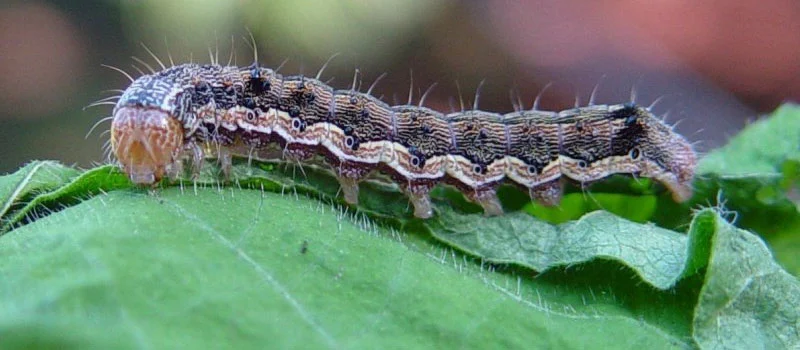
One of the most devastating lepidopteran pests in cotton, soybean, and vegetable production systems around the globe is the bollworm. Carbamate insecticides like thiodicarb 75 WP are considered reliable options in cases of resistance to traditional pyrethroids and organophosphates. The wettable powder formulation causes strong inhibition of acetylcholinesterase, resulting in fast paralysis and death of bollworm larvae, and also ovicidal action, therefore interrupting the life cycles of the pest. Field experiments in cotton-producing areas have shown the efficacy of thiodicarb 75 WP for achieving more than 85% mortality within 72 hours of treatment at approved rates and are a proven tool for integrated pest control strategies for resistant bollworm populations.
Understanding Thiodicarb 75 WP and Its Mode of Action
Thiodicarb is an oxime carbamate chemical that is manufactured as a wettable powder formulation with 750 grams of active ingredient per kilogram. Unlike contact-only insecticides, the chemical is mostly a stomach toxin with residual contact action, providing two paths for pest extermination.
How Thiodicarb Works Against Bollworms
When bollworm larvae feed on the treated plant tissue, thiodicarb is converted to methomyl in the pest's digestive tract. This molecule binds permanently to acetylcholinesterase enzymes at nerve synapses and thereby inhibits the breakdown of cholinergic neurotransmitters. The resultant buildup continuously stimulates the nerves, causing muscle spasms, paralysis, and death within 24 to 72 hours. Thiodicarb is translaminar, meaning that larvae eating on the undersides of the leaves will still get deadly amounts even if they don't come into direct contact with thiodicarb.
Ovicidal Activity and Life Cycle Disruption
Further, thiodicarb is excellent in its ovicidal property against the bollworm eggs, in addition to its larval control. Treatments timed to correspond with the peak egg-laying phases diminish the succeeding larval populations by 60 to 75 percent, interrupting the reproductive cycle. This feature fills an important need in many pyrethroid systems that are not able to destroy eggs.
Role in Integrated Pest Management
Thiodicarb is an important substance for resistance control. It has a unique mechanism of action (IRAC Group 1A) and may be rotated with products from various chemical families, which helps to delay the onset of resistance. Cotton farmers in areas with documented pyrethroid resistance say they have found that rotating treatments of thiodicarb with spinosyns or diamides between growing seasons restores effectiveness. The product may be easily used with biological controls if spray intervals are compatible with re-entry times of beneficial insects.
Application Guidelines & Safety Precautions for Thiodicarb 75 WP
Proper application technique and handler safety determine both field efficacy and regulatory compliance. Understanding dosage, timing, and protective measures ensures maximum return on investment while minimizing risks.
Recommended Dosage and Timing
Dosage rates vary by crop type and pest pressure intensity:
- Cotton (bollworm suppression): 750-1000 grams of active ingredient per hectare, applied when larval populations reach economic thresholds of 1-2 larvae per plant. Spray intervals should not exceed 10 days during peak infestation periods.
- Soybean (pod borer control): 600-750 g a.i./ha, applied at early pod formation and repeated 14 days later if scouting indicates continued pressure.
- Vegetable brassicas: 500-600 g a.i./ha, targeting early instars before they bore into fruiting structures.
Timing applications to coincide with egg hatch and early larval instars maximizes mortality, as older larvae become less susceptible due to increased body mass and reduced feeding activity.
Safety Protocols for Handlers
WHO classifies thiodicarb 75 wp as Class II (moderately dangerous) and requires strict adherence to personal protective equipment. Handlers must wear long-sleeved shirts, long pants, chemical-resistant gloves, and protective eyewear when mixing and loading. Closed mixing techniques limit the danger of cutaneous exposure during formulation preparation. Re-entry periods are usually from 12 to 48 hours, depending on local restrictions. No field workers should enter treated areas until the foliage is dry and the required time has expired.
Compatibility and Tank-Mix Considerations
Thiodicarb wettable powder is compatible with several fungicides and herbicides at a neutral pH. Do not tank mix with alkaline products (pH >8) since thiodicarb quickly degrades in alkaline settings, diminishing potency. Jar testing before large-scale mixing prevents expensive spray solution instability. Nonionic surfactants (0.1-0.25% v/v) with adjuvants increase leaf covering and rainfastness.
Do not apply during bloom times when bees are foraging to preserve pollinators and other useful arthropods. To reduce exposure, apply in the early morning or late evening when pollinators are less active.
Comparative Analysis: Thiodicarb 75 WP vs Other Insecticides for Bollworms
Procurement decisions include comparisons of efficacy, resistance profiles, environmental impact, and cost-effectiveness. Understanding thiodicarb’s position relative to alternatives aids in strategic sourcing.”
Efficacy Against Resistant Populations
Pyrethroid resistance is now a concern in bollworm populations in over 60% of cotton-producing regions globally. In field bioassays comparing thiodicarb with lambda-cyhalothrin, thiodicarb caused 80–90% larval death in groups with >70% survival to pyrethroids. In contrast, systemic limitations of feeding sites on fruiting structures make neonicotinoids like imidacloprid variable in their effectiveness against bollworms.
Residual Activity and Application Frequency
Thiodicarb offers residual control for 7 to 14 days under typical field conditions. Similar to carbaryl (7-10 days), although shorter than certain diamides (14-21 days). That implies more frequent applications in high-pressure settings. This has implications for staff and equipment costs. But for farmers with pre-harvest intervals, the shorter residual period is a positive, since thiodicarb residues break down quicker than persistent pesticides.
Environmental and Safety Profiles
Thiodicarb breaks down more quickly than organophosphates like chlorpyrifos (already controlled in a number of areas), with soil half-lives of 3-7 days. It's a bit damaging to aquatic life and needs buffer zones near water bodies. Neonicotinoids have further problems of systemic exposure to pollinators, but thiodicarb’s contact/stomach action limits non-target effects when used as per label restrictions.
Cost-Effectiveness for Bulk Procurement
On a per-hectare basis at current market price, the Thiodicarb 75 wp is on par with commercial carbamate products with comparable concentrations of active ingredient (10-15% lower). Bulk shipments (5-20 ton containers) provide considerable savings in packaging and logistics, which are appealing to distributors serving many markets. “Carbamate technical concentrat
The prices remain stable, which is a stark contrast to the volatility of neonicotinoid prices that are subject to fluctuations driven by patents.
Procurement Insights: Buying Thiodicarb 75 WP for B2B Clients
Sourcing decisions hinge on supplier reliability, documentation completeness, and logistics efficiency. Informed procurement minimizes supply chain disruptions and ensures regulatory compliance.
Selecting Credible Manufacturers
Production facilities of established manufacturers are GMP-certified, and quality controls are carried out batch-to-batch and validated by HPLC analysis. Certificates of analysis should indicate active ingredient level within ± 2% of nominal concentration, moisture content below 2%, and suspensibility over 80%. Suppliers that provide complete registration dossiers comprising toxicological research, environmental fate data, and effectiveness trial results help with market authorization in target locations.
Hebei Hontai Biotech Co., Ltd is a company that combines manufacturing scale with flexible customisation. The company formulates wettable powders to suspension concentrates to meet the registration and preference criteria of the different countries in Africa, Southeast Asia, and Latin America.
Documentation and Regulatory Compliance
Complete procurement packages must contain Material Safety Data papers (MSDS), Certificates of Analysis (COA), and product specification papers covering physicochemical attributes. Suppliers should produce GMP certificates, ISO certifications, and documentation of regulatory clearances in the countries for government tender participation. These documents allow quick customs clearance and meet the phytosanitary standards in the import markets.
Bulk Purchasing Options and Logistics
Most wholesalers purchase 5-20 ton lots shipped in 20- or 40-foot containers at FOB cost 10-15% below the international brand counterparts. On average, Chinese manufacturers have lead times of 15-30 days, and the procurement strategy has to be coordinated with demand curves related to the planting season. Payment terms are often T/T arrangements (30% deposit, 70% prior to shipping) or L/C at sight for government bids, offering a compromise between cash flow management and transaction security.
Experienced agrochemical producers have rapid worldwide logistics networks that assure a reliable delivery timetable. Working with suppliers who provide specialized freight forwarding services reduces port delays and gives shipment tracking visibility that is vital to distributors operating just-in-time inventory systems.
Real-World Case Studies & Future Trends in Bollworm Management
Evidence-based performance data and emerging technologies shape long-term procurement strategies and resistance management frameworks.
Field Trial Results from Cotton Production Regions
Multi-season experiments undertaken in West African cotton zones (Burkina Faso, Benin) show the efficacy of thiodicarb against native bollworm populations. Applications of 800 g a.i./ha at 10-day intervals for three seasons resulted in 88-92% larval death rates and yield increases of 18-25% above untreated controls. Similar experiments in Southeast Asian vegetable production (Thailand, Vietnam) targeting fruit borers in tomato and eggplant noted maintaining economic thresholds with just two sprays each cropping cycle, lowering the frequency of insecticide usage by 30% compared to pyrethroid-intensive programs.
Addressing Emerging Resistance Challenges
Carbamate resistance remains less common than pyrethroid resistance; however, isolated examples may be found in intensive production locations. Best strategies for maintaining thiodicarb effectiveness include:
Rotation of thiodicarb with insecticides from IRAC Groups 5 (spinosyns) and 28 (diamides) across generations avoids selection pressure on single modes of action. By including criteria for scouting, applications are delayed until there is an economic rationale, which reduces wasteful exposure. Refuge planting tactics (10% untreated regions in Bt cotton systems) retain vulnerable alleles in pest populations and retard the growth in resistance gene frequency.
Innovations in Carbamate Chemistry and IPM Technologies
Research on controlled-release formulations has increased the residual activity of thiodicarb from 10-14 days to 21-28 days, thereby lowering treatment frequency and labor inputs. Microencapsulation technologies also enhance rainfastness and minimize the danger of cutaneous exposure while handling. At the same time, precision agricultural platforms that combine drone-based reconnaissance of pests with variable-rate application systems improve the use of thiodicarb by applying greater rates solely in hotspot locations and reducing the product in low-pressure areas.
Progress in formulation chemistry enhances compatibility and encourages integration with biological control agents. Selective scheduling of applications to avoid life phases susceptible to natural enemies maintains populations of parasitoids and predators that may synergistically lower pest numbers. In this progression, thiodicarb is not a stand-alone solution but rather a strategic instrument in varied IPM frameworks tackling productivity and sustainability goals concurrently.
Conclusion
Thiodicarb 75 wp provides proven bollworm control due to its dual mode of action and ovicidal qualities and breaks resistance problems that reduce pyrethroid effectiveness. Optimizing field results and safeguarding handlers and non-target species is achieved by proper timing of application, correct dose, and safety compliance. Comparative investigation shows thiodicarb is competitive in cost-effectiveness and operational flexibility, especially in areas where resistance has already developed. Sourcing from reputable manufacturers gives you batch-to-batch uniformity, full documentation and reliable logistics – all vital for procurement success. With increased resistance management and integrated pest management goals worldwide, thiodicarb is a useful component of sustainable bollworm control regimens when rotated and supported by evidence-based application approaches.
FAQ
1. Is Thiodicarb 75 WP Safe for Use on Food Crops?
Thiodicarb 75 WP is registered for use on numerous food crops, including cotton, soybeans, tomatoes, and brassicas, provided applicators adhere to label-specified pre-harvest intervals (PHI). Typical PHIs range from 7 to 21 days depending on crop type and local regulations, allowing residues to dissipate below maximum residue limits (MRLs) established by Codex Alimentarius and regional authorities.
2. How Long Do Thiodicarb Residues Persist on Treated Plants?
Under field conditions, thiodicarb residues decline with a half-life of 3-7 days on leaf surfaces, influenced by UV exposure, rainfall, and temperature. Detectable residues typically fall below analytical limits within 14-21 days post-application, supporting compliance with MRL standards when PHIs are observed. This relatively short persistence benefits pre-harvest interval management compared to persistent chemistries.
3. Can Thiodicarb 75 WP Be Tank-Mixed with Fungicides or Herbicides?
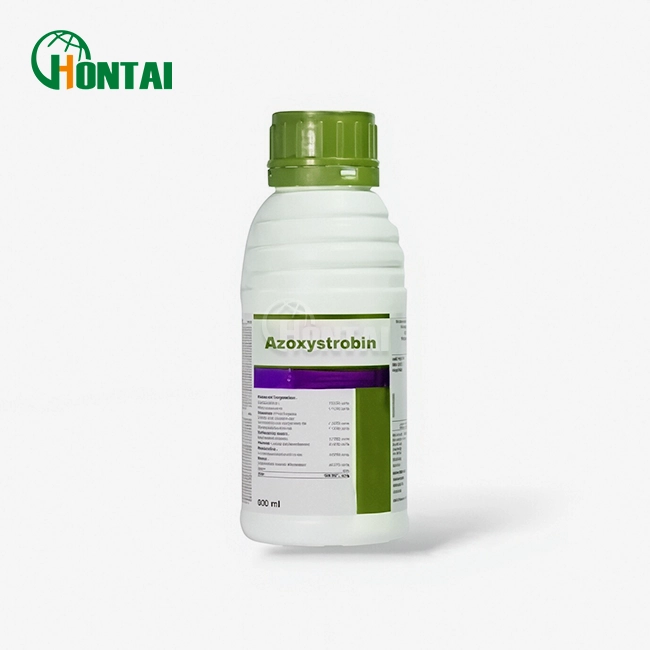
Thiodicarb demonstrates compatibility with many fungicides (mancozeb, azoxystrobin) and herbicides under neutral pH conditions. Conducting jar tests before large-scale mixing prevents incompatibility issues. Avoid alkaline products (pH >8) as thiodicarb degrades rapidly, losing efficacy. Always consult product labels and conduct small-scale compatibility trials to confirm tank-mix stability.
Partner with a Trusted Thiodicarb 75 WP Supplier
Hontai stands ready to support your bollworm management programs with high-quality thiodicarb 75 WP backed by complete regulatory documentation and flexible customization options. Our GMP-certified production ensures batch-to-batch consistency, while our professional sales team delivers rapid technical support and transparent pricing for bulk orders. Whether you require private-label formulations, custom packaging solutions, or registration dossier assistance, our worldwide agricultural service network provides reliable product delivery and comprehensive after-sales support. Agricultural chemical distributors, OEM brand owners, and government procurement managers benefit from our competitive FOB pricing, fast global logistics, and proven track record across Africa, Southeast Asia, and Latin America. Contact our team at admin@hontai-biotech.com to request Certificates of Analysis, discuss bulk purchasing options, and access the expertise needed to advance your integrated pest management objectives with confidence.
References
1. Ishaaya, I. & Degheele, D. (1998). Insecticides with Novel Modes of Action: Mechanisms and Application. Springer-Verlag, Berlin.
2. IRAC (Insecticide Resistance Action Committee). (2023). IRAC Mode of Action Classification Scheme. Version 10.4.
3. FAO (Food and Agriculture Organization). (2020). Specifications and Evaluations for Agricultural Pesticides: Thiodicarb Technical Material. FAO Plant Production and Protection Paper.
4. Campos, M.R., Silva, T.B.M., Silva, W.M., Silva, J.E. & Siqueira, H.A.A. (2015). Susceptibility of Helicoverpa armigera to Chemical Insecticides in Brazil. Pest Management Science, 71(11), 1557-1563.
5. CIPAC (Collaborative International Pesticides Analytical Council). (2019). Handbook J: Analysis of Technical and Formulated Pesticides. CIPAC Methods, Volume J.
6. Tomlin, C.D.S. (Ed.). (2021). The Pesticide Manual: A World Compendium (19th Edition). British Crop Protection Council, Alton, UK.
Our customers’ satisfaction speaks for our quality — contact us to experience the same reliable service.