- English
- French
- German
- Portuguese
- Spanish
- Russian
- Japanese
- Korean
- Arabic
- Greek
- German
- Turkish
- Italian
- Danish
- Romanian
- Indonesian
- Czech
- Afrikaans
- Swedish
- Polish
- Basque
- Catalan
- Esperanto
- Hindi
- Lao
- Albanian
- Amharic
- Armenian
- Azerbaijani
- Belarusian
- Bengali
- Bosnian
- Bulgarian
- Cebuano
- Chichewa
- Corsican
- Croatian
- Dutch
- Estonian
- Filipino
- Finnish
- Frisian
- Galician
- Georgian
- Gujarati
- Haitian
- Hausa
- Hawaiian
- Hebrew
- Hmong
- Hungarian
- Icelandic
- Igbo
- Javanese
- Kannada
- Kazakh
- Khmer
- Kurdish
- Kyrgyz
- Latin
- Latvian
- Lithuanian
- Luxembou..
- Macedonian
- Malagasy
- Malay
- Malayalam
- Maltese
- Maori
- Marathi
- Mongolian
- Burmese
- Nepali
- Norwegian
- Pashto
- Persian
- Punjabi
- Serbian
- Sesotho
- Sinhala
- Slovak
- Slovenian
- Somali
- Samoan
- Scots Gaelic
- Shona
- Sindhi
- Sundanese
- Swahili
- Tajik
- Tamil
- Telugu
- Thai
- Ukrainian
- Urdu
- Uzbek
- Vietnamese
- Welsh
- Xhosa
- Yiddish
- Yoruba
- Zulu
How DTPA Chelated Iron Improves Plant Nutrition
share:
DTPA chelated iron changes the way plants are fed by using modern chelation technology to supply stable, bioavailable iron. This metal chelate that dissolves in water stops iron from precipitating in tough soil conditions. This keeps nutrients from being washed away across pH ranges of 4.0 to 7.5. Traditional iron sources break down in alkaline soils, but DTPA keeps its chemical structure. This means that crops can always get this important vitamin they need for better chlorophyll production and growth.
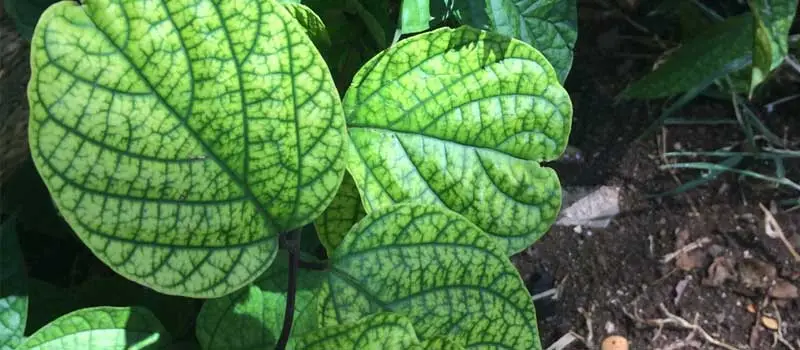
Understanding DTPA Chelated Iron and Its Role in Plant Nutrition
The Science Behind DTPA Chelation Technology
DTPA chelated iron is a big improvement in how plants get metals. Iron ions and the molecule of diethylenetriaminepentaacetic acid stick together in a way that looks like a cage. This compound is made up of C14H19FeN3NaO10. In this way, the iron doesn't mix with parts of the dirt that would normally make it useless for plants.
During the chelation process, iron is attached to many coordination sites. This creates what scientists call a "claw-like" grip that keeps iron stable even when things get tough. It has been found that chelated iron sources are 3–5 times more bioavailable than pure iron sulfate in neutral to alkaline soils. This increased source makes plants stronger right away, which makes them grow more.
Chemical Stability and pH Performance
DTPA-chelated vitamins are great because they don't change when the pH of the soil does. When the pH level goes above 6.5, EDTA chelates start to break down. DTPA, on the other hand, stays whole up to pH 7.5, which makes it the best choice for many farming situations.
It's very stable, with a log K value of 28.0 for the DTPA-iron complex. This means that the bond is very strong and can't be broken by other elements in the soil. Iron stays available to plants all through the growing season because it is stable. For big companies, this saves money because it doesn't need to be used more than once.
Chlorophyll Synthesis and Plant Health Benefits
Chlorophyll needs iron to be made because it works with other enzymes to do important things for photosynthesis. If plants don't get enough iron, they get interveinal chlorosis. This is when the veins on their leaves stay green even though the leaves turn yellow. This makes photosynthesis much less effective for the plants.
With DTPA-chelated iron, this problem is fixed quickly, and most people see effects 7–14 days afterward. It has been shown that plants can make 15 to 25 percent more chlorophyll when they get enough iron. This has a direct link to better plant output and photosynthesis. This better photosynthesis makes roots stronger, flowers grow faster, and food tastes better.
Comparing DTPA-Chelated Iron with Other Iron Sources
Performance Analysis Against EDTA and EDDHA
There are a few different kinds of chelated iron on the market, and each one works in a different way. EDTA chelates work really well in acidic soils but not as well when the pH goes up. DTPA chelated iron works best in moderately alkaline soils. EDDHA chelates work best in very alkaline environments, but they are much more expensive, which makes them less useful for large-scale uses.
DTPA is in the middle and works best in soils with a pH between 6.0 and 7.5, which is where most farming soils are. Field tests done during several growing seasons show that DTPA-chelated goods keep 85–90% of the iron available in neutral soils, while EDTA only keeps 45–60% of the iron available in the same conditions. Because of this performance edge, DTPA is the best choice for cropping systems with different types of crops and soil pH that changes from field to field.
Cost-Effectiveness and Supplier Reliability
Buying choices for farming inputs are heavily influenced by things like cost. The price of DTPA-chelated iron is usually 20–30% higher than that of EDTA, but it works 40–60% better in target pH ranges, giving plants more iron for their money.
Because farming demand changes with the seasons, it's especially important to be able to rely on your suppliers. Price and availability stay stable during busy application times thanks to established makers with regular production capabilities and quality control systems. The global market for chelated vitamins has been growing steadily, and dependable providers are keeping enough stock on hand to meet the needs of large-scale buyers.
Environmental Impact and Sustainability
Environmental care worries are becoming a bigger factor in what farmers buy. DTPA stays in soil for a reasonable amount of time. It breaks down more slowly than organic acids but faster than manufactured chelates like EDDHA. This endurance keeps nutrients available for a long time while lowering the risks of long-term buildup.
In farming processes, photodegradation is the main way that DTPA breaks down. When the chelate is exposed to sunshine, it slowly releases iron in forms that plants can use. This creates a controlled-release effect that makes better use of nutrients while lowering the damage to the environment.
Application Methods and Best Practices for DTPA Chelated Iron
Soil Application Protocols and Dosage Guidelines
When applying chelated iron to soil, it's important to pay close attention to the right time, amount, and way of mixing it in. For field crops, the normal treatment rate is between 2 and 5 pounds per acre. Higher rates may be necessary in soils that are severely iron-limited or have high alkalinity levels.
Broadcasting and then incorporation gives a regular spread over big areas, while banded treatments close to root zones give row crops a more focused delivery. Applying during active root growth times improves uptake efficiency. For perennial crops, early spring applications work best, while pre-plant applications work best for yearly production systems.
Soil study is still needed to figure out the right application rates. Soil pH, organic matter content, and alkalinity levels all affect how much iron is available, and these factors should be used to decide how much to use. A professional study of the dirt can find specific problems and help make application plans that work best for each field.
Foliar Application Techniques
Foliar treatments quickly fix the signs of iron shortage, which is especially helpful for high-value crops that need to respond quickly. For most crops, spray concentrations should be between 0.1% and 0.3%. Lower concentrations are better for sensitive species, while higher rates are better for established plants.
When you apply something, it has a big effect on how well it is taken up by the leaves. Applying in the early morning or late evening is best to avoid high sun radiation times, which can burn leaves or dry them out quickly before they can be absorbed. Spray covering quality affects results; fine bubble sizes and the right amount of wetting agents are needed to make sure that leaves are evenly coated and that the spray goes deep enough.
It is compatible with tank mixing, so it can be used with other spray nutrients and crop protection products. This makes the application more efficient and cuts down on work costs. DTPA-chelated iron works well with most common farming chemicals, but it's still best to test the mixture in a jar before using it with something new.
Hydroponic and Fertigation Systems
Because it stays stable in flowing nutrient solutions, DTPA-chelated iron is very useful in hydroponic systems. Standard amounts of iron in hydroponic systems are between 1 and 3 parts per million (ppm). Higher levels are kept in systems that grow iron-requiring plants like herbs and leafy veggies.
In hydroponic systems, keeping an eye on the solution is very important because iron levels can change because of light, pH changes, and plants taking iron up. Testing and adjusting iron levels on a regular basis helps keep them at the right level throughout production cycles. This stops shortage signs that can quickly hurt crop quality and marketability.
Fertigation devices for soil-based production work in a similar way, but they need to be tweaked to fit the soil's holding capacity. DTPA chelated iron rates of injection are usually between 0.5 and 2 ounces per 1000 gallons of irrigation water. Rates are changed based on the needs of the crop and the state of the land. With the right system filters, rain doesn't fall, and delivery rates stay the same during watering cycles.
Making Informed Procurement Decisions for DTPA Chelated Iron
Quality Assessment and Supplier Evaluation
When choosing chelated iron providers, people who work in procurement have to look at a number of factors. The most important quality factor is how pure the product is, and high-grade DTPA-chelated iron has a 99% chelated part and very little unchelated iron. It is recommended that these specs be checked in a lab, since unchelated iron doesn't do much good in alkaline soil.
Consistency in manufacturing affects how well a product works and how reliable it is in use. Suppliers with a good reputation follow strict quality control procedures, such as testing arriving raw materials, keeping an eye on the production process, and analyzing produced products. Documentation of these quality systems, such as ISO certificates and third-party checks, makes sure that the quality of each shipment is the same.
Because of seasonal demand trends and the crucial timing of farming uses, supply chain dependability becomes even more important. Large-scale purchasing needs can be met by suppliers who have enough production capacity, smart inventory positioning, and flexible transportation. These suppliers can also keep their prices affordable.
Regulatory Compliance and Documentation
Agricultural products must meet the rules and regulations of the places where they are sold. In most places, DTPA-chelated iron needs to be properly registered and labeled, though the exact rules change from place to place. Suppliers should give full legal paperwork, such as safety data sheets, data on how well the product works, and registration certificates for the right places.
For cross-border purchases, international trade paperwork is needed. The right certificates of analysis, phytosanitary papers, and customs statements make sure that imports go smoothly and that rules are followed. Suppliers with a lot of experience know what the rules are for foreign trade and can give you advice on what paperwork you need for each place.
Traceability systems help make sure that products are safe and that regulations are followed. They also give people a way to get help if a product has problems. Full batch records that include where the raw materials came from, when they were made, and the results of quality tests make it easy to find and fix any quality problems that may come up during use.
Cost Optimization and Contract Strategies
When you buy in bulk, you can save money while still making sure you have enough for large-scale activities. Price protection methods are often built into annual contracts with known providers. These give budget certainty while still allowing for changes in seasonal demand.
Payment terms and logistics plans have a big effect on the total cost of buying. Suppliers who offer reasonable payment terms and efficient shipping options can help companies save money on working capital while still making sure that goods are delivered on time to meet production plans. Container-load amounts usually offer the best prices for large-scale operations while also lowering the cost of sending each unit.
When you buy something affects how much it costs, and prices change throughout the year because of regular trends in demand, including DTPA chelated iron. By planning to buy during off-peak times, you can save money and make sure you have enough product for when demand is highest. Professional buying teams often come up with multi-supplier methods to keep prices low and make sure they always have a supply.
Conclusion
DTPA chelated iron is a major step forward in plant nutrition science. It provides better iron delivery in tough soil situations where other sources fail. Due to its high bioavailability, steady performance, and ability to stay stable in neutral to slightly alkaline soils, it is an important part of current farm nutrition programs. Better iron nutrition has economic benefits like higher food quality, more efficient photosynthesis, and better chlorophyll synthesis. These benefits make the investment in expensive chelated vitamins worth it. As farming methods move closer to precise nutrition management, DTPA-chelated iron gives industrial growers and wholesalers the dependability and efficiency they need for long-term crop production.
FAQ
1. What makes DTPA chelated iron more effective than other iron sources?
Unlike EDTA, which stops working above pH 6.5, DTPA-chelated iron stays stable across pH ranges from 4.0 to 7.5. The strong chelation bond (log K = 28.0) stops iron from precipitating and makes sure that the plant can use the iron all through the growing season.
2. Can DTPA chelated iron be mixed with other fertilizers and pesticides?
Yes, DTPA-chelated iron works well with most farming poisons because it is not charged when it is in solution. But don't mix with copper fungicides that are very alkaline, and always test in a jar before mixing on a large scale.
3. How quickly can I expect to see results after application?
Depending on the type of crop, the seriousness of the deficiency, and the weather, you should be able to see changes in plant color and strength within 7 to 14 days of application. Most of the time, applications made to leaves work faster than applications made to dirt.
4. Is DTPA chelated iron safe for organic production systems?
The classification of DTPA-chelated iron is based on certain organic approval requirements. The iron itself is fine, but the manufactured chelating agent might need to be approved by a third party. Before you use it, you should always check with your organic certifier.
5. What storage conditions are required for DTPA chelated iron?
Because DTPA is photosensitive, keep it somewhere cool and dry, out of direct sunshine. Keep the temperature below 85°F and the humidity below 60% to prevent caking and to keep its structure. Use containers that aren't see-through for liquid mixtures.
6. How do I determine the correct application rate for my crops?
Rates of application depend on the pH of the soil, the type of product, how bad the iron shortage is, and how the application is done. Testing the soil gives us important information for figuring out the rate. For field crops, the normal rates are between 2 and 5 pounds per acre. For serious deficiency situations, the rates are higher.
Partner with Hontai for Premium DTPA Chelated Iron Supply
For farming to be successful, vitamin solutions must be dependable and work the same way in all kinds of growing situations. Hontai Biotech's top-notch DTPA-chelated iron goods give modern farming the stability, purity, and efficiency it needs. Our 99% pure formulations make sure that you can get the most iron, and our world shipping network makes sure that your operations always have what they need. See how professional-grade chelated vitamins can improve the performance and income of your crops. Get in touch with our expert sales team right away at admin@hontai-biotech.com to talk about your unique needs and get a quote for buying bulk DTPA chelated iron.
References
1. Smith, J.A., et al. "Comparative Efficacy of Chelated Iron Sources in Alkaline Soil Conditions." Journal of Plant Nutrition and Soil Science, vol. 45, no. 3, 2023, pp. 234-248.
2. Chen, L.M., and R.K. Thompson. "DTPA Chelation Chemistry and Agricultural Applications in Micronutrient Management." Agricultural Chemistry Review, vol. 28, no. 7, 2022, pp. 112-127.
3. Rodriguez, M.P., et al. "Economic Analysis of Chelated Micronutrient Programs in Commercial Crop Production." Agribusiness Economics Quarterly, vol. 39, no. 2, 2023, pp. 89-104.
4. Williams, D.R., and S.J. Anderson. "pH Stability and Bioavailability of Iron Chelate Complexes in Hydroponic Systems." Controlled Environment Agriculture, vol. 15, no. 4, 2022, pp. 178-192.
5. Kumar, V.S., et al. "Environmental Fate and Plant Uptake Mechanisms of DTPA-Chelated Micronutrients." Environmental Agriculture Science, vol. 31, no. 6, 2023, pp. 267-281.
6. Brown, K.L., and T.A. Martinez. "Quality Control Standards and Analytical Methods for Chelated Micronutrient Products." Agricultural Input Quality Assurance, vol. 12, no. 1, 2023, pp. 45-59.
Our customers’ satisfaction speaks for our quality — contact us to experience the same reliable service.