- English
- French
- German
- Portuguese
- Spanish
- Russian
- Japanese
- Korean
- Arabic
- Greek
- German
- Turkish
- Italian
- Danish
- Romanian
- Indonesian
- Czech
- Afrikaans
- Swedish
- Polish
- Basque
- Catalan
- Esperanto
- Hindi
- Lao
- Albanian
- Amharic
- Armenian
- Azerbaijani
- Belarusian
- Bengali
- Bosnian
- Bulgarian
- Cebuano
- Chichewa
- Corsican
- Croatian
- Dutch
- Estonian
- Filipino
- Finnish
- Frisian
- Galician
- Georgian
- Gujarati
- Haitian
- Hausa
- Hawaiian
- Hebrew
- Hmong
- Hungarian
- Icelandic
- Igbo
- Javanese
- Kannada
- Kazakh
- Khmer
- Kurdish
- Kyrgyz
- Latin
- Latvian
- Lithuanian
- Luxembou..
- Macedonian
- Malagasy
- Malay
- Malayalam
- Maltese
- Maori
- Marathi
- Mongolian
- Burmese
- Nepali
- Norwegian
- Pashto
- Persian
- Punjabi
- Serbian
- Sesotho
- Sinhala
- Slovak
- Slovenian
- Somali
- Samoan
- Scots Gaelic
- Shona
- Sindhi
- Sundanese
- Swahili
- Tajik
- Tamil
- Telugu
- Thai
- Ukrainian
- Urdu
- Uzbek
- Vietnamese
- Welsh
- Xhosa
- Yiddish
- Yoruba
- Zulu
Is chlorfenapyr an insecticide?
share:
Chlorfenapyr is indeed a broad-spectrum insecticide and acaricide that operates through both ingestion and contact mechanisms. This pyrrole-based compound represents a significant advancement in pest control technology, offering unique advantages for agricultural producers, distributors, and pest management professionals. Unlike traditional insecticides, it functions as a pro-insecticide that becomes activated within the pest's system, disrupting cellular energy production and providing exceptional control against resistant pest populations that challenge conventional crop protection strategies.
Understanding Chlorfenapyr as an Insecticide
Chlorfenapyr is indeed a broad-spectrum pesticide and acaricide that works by both touch and ingestion. This pyrrole-based chemical is a big step forward in pest control technology. It has special benefits for farmers, wholesalers, and people who work in pest management. Unlike other pesticides, it works as a pro-insecticide that gets active inside the pest's system. This stops cells from making energy and gives great control over pest populations that are resistant to regular crop protection methods.
Chlorfenapyr is unique in the pesticide business because it targets the mitochondrial function in pest organisms, which makes it stand out. The pyrrole chemical class includes this substance. It works in a way that is different from other insecticides in its family.
Chemical Structure and Mode of Action
The active ingredient does its job by separating oxidative phosphorylation in bug mitochondria. This stops the production of ATP and kills the cells. For controlling bugs that are now immune to pyrethroids, organophosphates, and carbamates, this method works especially well. The chemical formula for it is C15H11BrClF3N2O, which shows that it has a complicated structure that lets it work on plants in both direct and systemic ways.
Those who work in agriculture like this substance because it has translaminar qualities that let it get into leaf tissues and store active ingredients. This trait protects against pests that feed on both the top and bottom sides of the leaves, giving full coverage that lasts longer and reduces the number of times the product needs to be applied.
Broad-Spectrum Pest Control
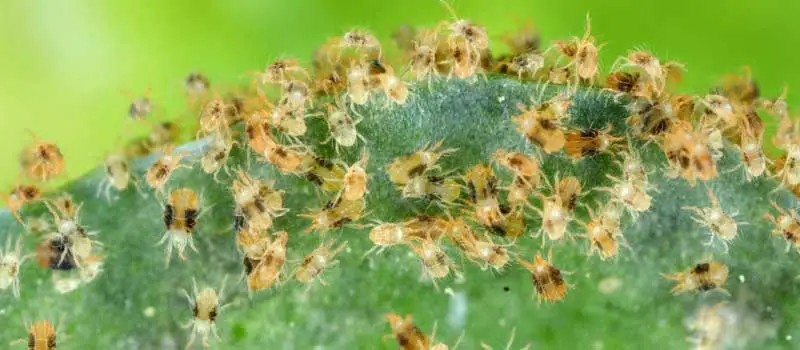
Because this poison works on a lot of different types of pests, it is very useful in both farming and non-agricultural settings. In crop security, it gets rid of leafminers, thrips, spider mites, and other economically important pests that hurt veggie, fruit, and grain production.
In addition to its use in agriculture, this chemical is also great for getting rid of pests in buildings. Termite control is one of its main uses. Because it is not repellent, termites can touch treated surfaces without trying to avoid them. This trait makes it easier for transfer effects to happen within groups, which improves the effectiveness of control in both business and home settings.
This active ingredient in pesticides, chlorfenapyr, et leferon ability to kill ovipositing insects, adding to its value by going after pest eggs, especially when used during peak oviposition times. This feature helps break the life cycles of pests and stops their populations from growing again, which leads to better long-term pest control results.
Safety, Environmental Impact, and Regulatory Status
Professional pest control means paying close attention to safety rules and taking care of the surroundings. When used according to set standards and legal requirements, this insecticide has a good safety rating.
Toxicological Profile and Safety Measures
Because the substance is moderately poisonous to mammals, standard personal protective equipment must be worn when handling and applying it. Keeping a product in a dry place keeps it stable and stops it from breaking down in a way that could affect its safety or effectiveness. To keep contact risks to a minimum, professional applicators should follow set procedures for making, applying, and cleaning their tools.
Worker safety rules stress how important it is to have enough air flow when working inside and to wait a certain amount of time before going back into cleaned areas. The relatively low volatility of this substance lowers the risk of inhalation compared to more volatile pesticides. This makes it safer for professionals who work in pest control to use.
Environmental Behavior and Non-Target Effects
Studies on the environmental fate of chemicals show that they stay in the soil and plant tissues for a reasonable amount of time. This means that they stay active enough to keep pests away while also letting natural degradation processes get rid of the leftovers over time. Because the substance doesn't move around much in soil, it's less likely to pollute groundwater in well-managed application scenarios.
Because some chemicals are harmful to aquatic life, they need to be used in buffer zones near bodies of water and at the right time so that they don't wash away during rain or snow. When used according to the directions on the package and integrated pest control principles, the compound selectively kills bugs while having less of an effect on beneficial arthropods.
Regulatory Compliance and Global Approvals
Regulatory bodies all over the world have looked at this active ingredient for use in crops and other things. The EPA license covers certain crops and ways of applying them, and it sets tolerance amounts for food products. Maximum residue limits are different for each crop type and each foreign market, so it's important to pay close attention to application limits and pre-harvest gaps.
When it comes to international trade, foreign markets need proof that regulations have been followed. Professionals in procurement have to make sure that formulated goods meet the needs of the target country and keep up with the right certifications for exports across borders.
Application Methods and Usage Guidelines for Optimal Results
To get the most out of Chlorfenapyr, you need to know how to choose the right dosage, when to use it, and how to fit it into larger pest control plans. Professional applicators can use detailed instructions that improve performance while reducing damage to the environment.
Formulation Options and Application Techniques
There are different types of formulations to meet the needs of different applications and pieces of equipment. Suspension concentrates (SC) at 240g/L and 360g/L strengths work well with other chemicals in tanks and cover a lot of ground when sprayed. These mixtures keep particle sizes within certain ranges that keep nozzles from getting clogged and make sure that the treatment covers all areas evenly.
Emulsifiable concentrates give you more ways to use them depending on the bug problem and the way your equipment is set up. Which type of formulation to use relies on the bugs you want to get rid of, the tools you use, the weather, and the needs of the tank mix. Professional bug managers look at these things to choose the best formulas for their business needs.
When treatments are used has a big effect on how well they work. For best results, treatments should be used during the weak times of a pest's life. Monitoring tools help find the best times to release and lay eggs so that the effects are felt most strongly on the populations you want to affect and as little as possible on other populations.
Resistance Management and IPM Integration
Rotating pesticides with different modes of action is an important part of managing tolerance. This compound's special IRAC Group 13 classification makes it useful for controlling populations that are resistant to insecticide groups that are used more often. Professional pest controllers use this active ingredient as part of cycle plans that keep insects vulnerable and make more insecticides last longer.
The selective action and compatibility of this substance are helpful for Integrated Pest Management strategies. It works well against bugs that are resistant to biological control agents and cultural practices. This means that it can be used with more than one way of pest management, so you don't have to rely on just one.
Fungicides and other crop protection items that work well with tank mixes make applications more efficient and cut down on costs. Testing for compatibility makes sure that mixed products keep working well without causing any physical or chemical reactions that could hurt the crop or lower performance.
Procurement and Supplier Insights for Chlorfenapyr
To successfully buy quality insecticides, you need to carefully evaluate suppliers and pay attention to the paperwork that is needed. Professional sellers have to find their way through complicated supply lines and make sure that products are real, that regulations are followed, and that quality standards are always met.
Supplier Evaluation and Quality Assurance
Reputable makers have thorough quality control systems that make sure that each batch is the same and that they follow all the rules. Hebei Hontai Biotech Co., Ltd is a great example of professional manufacturing standards because it uses technical-grade materials that are 95% pure and makes goods that meet international standards. Their quality methods include finding raw materials, keeping an eye on production, and checking finished goods.
Some of a supplier's qualifications are government registrations, manufacturing certificates, and proof of a quality management system. Professional procurement teams check these qualifications and build relationships with sellers who consistently meet legal requirements and do a good job across multiple markets.
Safety data sheets, analytical certificates, regulatory permission paperwork, and shipping compliance papers are some of the documents that are needed for foreign procurement. Full paperwork packages make it easier to clear customs and follow the rules in target markets.
Cost Considerations and Supply Chain Management
Prices are different depending on the number of orders, the shipping terms, and the recipe requirements. Bulk purchasing deals often save money and make sure that large-scale businesses can keep getting what they need. Professional sellers look at the total cost of ownership, which includes the costs of moving, storing, and handling the item.
During busy application times, when product availability affects working schedules, supply chain stability is very important. Having established ties with multiple suppliers gives you backup choices, bargaining power, and the assurance that your products will always be available.
Different operating scales and storage capacities can be met by different packaging choices. Large businesses can save money on packing by using bulk containers, while smaller packages are easier to handle and lower inventory risks for smaller customers.
Making the Right Choice: Is Chlorfenapyr Suitable for Your Business?
To figure out if this poison is right for a certain job, a lot of factors like the number of pests, the needs of the job, government rules, and the cost of the job must be taken into account. Systematic evaluation methods that take into account many factors affecting product choice are helpful for professional bug controllers.
Application Scenario Assessment
Crop protection products such as pesticides, chlorfenapyr et leferon are good for businesses that have to deal with pests that are immune to chemicals or need long-lasting control. Fruit and vegetable growers who have to deal with thrips, leafminers, and spider mites find the unique mode of action and translaminar activity to be very helpful. The ovicidal qualities are also helpful for fields where pest species that lay eggs cause persistent problems.
Structured pest management tools work great for getting rid of termites when the materials aren't resistant and can kill the whole colony. Commercial pest control workers like how versatile the product is and how it can be used to get rid of a number of different types of urban pests.
The wide range of activities against disease-carrying insects and pests that are a bother are good for public health. This active ingredient is used by municipal vector control programs to get rid of all kinds of pests in cities while keeping safety levels high enough for crowded areas.
Economic and Operational Considerations
When doing a cost-effectiveness study, you need to look at how often the chemicals are used, how long they keep pests away, how much they cost, and how they affect integrated pest management programs. Even though the original cost of the product may be higher than some options, the longer control duration and better handling of resistance often make it more profitable.
The needs for storage and handling are in line with normal agrochemical protocols, so no new infrastructure investments are needed. It's easy to keep track of supplies because the liquid formulations stay stable in regular storage settings and have a long shelf life.
Having access to technical help makes it easier to set up and fix problems with a product. Suppliers who offer detailed technical advice help improve the results of applications and answer questions about performance that come up during business use.
Conclusion
For professional pest control jobs that need to effectively control resistant pest populations, Chlorfenapyr is a useful insecticide choice. Because it works uniquely, affects a wide range of pests, and is safe, it can be used in a variety of farming and structural pest control situations. When professionals make decisions about what to buy, they should think about the types of pests they need to control, the rules that need to be followed, and the limits of their operations when deciding whether this active ingredient is right for their needs. The combination has been shown to work and has been approved by regulators, so it can be confidently used in complete pest control plans.
FAQ
Q1: What makes Chlorfenapyr different from other insecticides?
This chemical has a special way of working that stops mitochondria from making energy. This makes it effective against bugs that are resistant to other types of insecticides. It's better than contact-only items because it works across layers and kills germs.
Q2: How quickly does this insecticide provide pest control?
Within hours of being exposed, pests stop eating, and over the next 24 to 72 hours, they die because their energy systems stop working. In social insects like termites, this delayed movement gives the transfer effects time to happen.
Q3: Can this product be tank-mixed with other pesticides?
Yes, most neutral to acidic herbicides can be used with these materials. However, alkaline materials should be avoided. Before doing large-scale mixing, trying in jars helps make sure that everything is compatible.
Q4: What are the storage requirements for Chlorfenapyr products?
Items should be kept in dry places, out of direct sunlight and high temperatures. Original cases are the best way to protect the product and keep it stable throughout its shelf life.
Q5: Is this insecticide suitable for organic farming systems?
The current versions aren't allowed for certified organic farming, but they work well with IPM systems that use biological control agents and cultural practices.
Partner with Hontai for Premium Chlorfenapyr Solutions
Hontai Biotech stands as your trusted Chlorfenapyr supplier, delivering consistent quality and reliable service to agricultural professionals worldwide. Our comprehensive product line includes 95% TC, 240g/L SC, and 360g/L SC formulations manufactured under strict quality control standards. With flexible packaging options, competitive pricing, and global logistics capabilities, we support your pest management objectives with professional-grade products and technical expertise. Contact our team at admin@hontai-biotech.com to discuss your specific requirements and discover how our Chlorfenapyr solutions can enhance your pest control programs.
References
1. Raghavendra, K., Barik, T. K., Reddy, B. P., Sharma, P., & Dash, A. P. (2011). Malaria vector control: from past to future. Parasitology Research, 108(4), 757-779.
2. Wakil, W., Brust, G. E., & Perring, T. M. (2018). Sustainable management of arthropod pests of tomato. Academic Press.
3. Bass, C., Denholm, I., Williamson, M. S., & Nauen, R. (2015). The global status of insect resistance to neonicotinoid insecticides. Pesticide Biochemistry and Physiology, 121, 78-87.
4. Sparks, T. C., & Nauen, R. (2015). IRAC: Mode of action classification and insecticide resistance management. Pesticide Biochemistry and Physiology, 121, 122-128.
5. Casida, J. E., & Durkin, K. A. (2013). Neuroactive insecticides: targets, selectivity, resistance, and secondary effects. Annual Review of Entomology, 58, 99-117.
6. Silver, K., & Soderlund, D. M. (2005). Action of pyrazoline-type insecticides at neuronal target sites. Pesticide Biochemistry and Physiology, 81(3), 136-143.
Our customers’ satisfaction speaks for our quality — contact us to experience the same reliable service.