- English
- French
- German
- Portuguese
- Spanish
- Russian
- Japanese
- Korean
- Arabic
- Greek
- German
- Turkish
- Italian
- Danish
- Romanian
- Indonesian
- Czech
- Afrikaans
- Swedish
- Polish
- Basque
- Catalan
- Esperanto
- Hindi
- Lao
- Albanian
- Amharic
- Armenian
- Azerbaijani
- Belarusian
- Bengali
- Bosnian
- Bulgarian
- Cebuano
- Chichewa
- Corsican
- Croatian
- Dutch
- Estonian
- Filipino
- Finnish
- Frisian
- Galician
- Georgian
- Gujarati
- Haitian
- Hausa
- Hawaiian
- Hebrew
- Hmong
- Hungarian
- Icelandic
- Igbo
- Javanese
- Kannada
- Kazakh
- Khmer
- Kurdish
- Kyrgyz
- Latin
- Latvian
- Lithuanian
- Luxembou..
- Macedonian
- Malagasy
- Malay
- Malayalam
- Maltese
- Maori
- Marathi
- Mongolian
- Burmese
- Nepali
- Norwegian
- Pashto
- Persian
- Punjabi
- Serbian
- Sesotho
- Sinhala
- Slovak
- Slovenian
- Somali
- Samoan
- Scots Gaelic
- Shona
- Sindhi
- Sundanese
- Swahili
- Tajik
- Tamil
- Telugu
- Thai
- Ukrainian
- Urdu
- Uzbek
- Vietnamese
- Welsh
- Xhosa
- Yiddish
- Yoruba
- Zulu
How to Use GA3 for Seed Treatment: Best Practices and Dosage Guide
share:
In terms of seed care, GA3 Gibberellic Acid is one of the best plant growth factors on the market. This naturally occurring hormone (C19H22O6) breaks the dormancy of seeds, speeds up the germination process, and helps seedlings emerge evenly in a wide range of crops, such as grains, veggies, and cash crops. When used correctly in seed treatment programs, GA3 can boost germination rates by 15–30% while shortening the time it takes for seedlings to grow. This makes it an important part of industrial farming operations that want to improve crop establishment and growth potential.
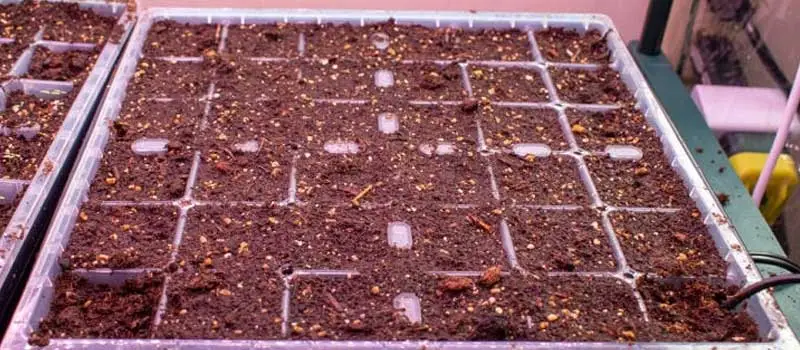
Understanding GA3 and Its Role in Seed Treatment
Gibberellic acid is a plant hormone that is in the gibberellin family. It makes sure that plants grow and develop properly at the molecular level. This tetracyclic diterpene acid works by attaching to specific GID1 receptors in plant cells. This sets off a chain of genetic reactions that wake up metabolic pathways that are needed for germination. When applied to seeds, GA3 successfully gets around the physiological processes that stop seeds from germinating when conditions aren't ideal.
How GA3 Breaks Seed Dormancy
Hydrolytic enzymes, especially alpha-amylase, are turned on by GA3 to help seeds germinate. These enzymes break down stored carbs into simple sugars. These sugars give the fetal growth and radicle development the energy they need. Research conducted by agricultural universities has demonstrated that GA3 treatment can reduce germination time by 2-4 days in common field crops while achieving more uniform stand establishment compared to untreated controls.
The way GA3 affects seed development is very different from how other plant hormones work. Auxins control how cells grow and how roots form, and cytokinins help cells divide and make shoots. GA3, on the other hand, directly targets the molecular hurdles that stop seeds from activating. Because it is focused, it works especially well for treating seeds that have hard seed coats or are physiologically dormant for a long time.
Agricultural Benefits of GA3 Seed Treatment
When commercial seeds are treated with GA3 Gibberellic Acid, they do better at establishing crops in several different ways. Field tests have regularly shown that germination rates have gone up by 20 to 35 percent in veggies like peppers and tomatoes, and that emergence times are more uniform in grain crops like wheat and barley. These advantages directly lead to lower costs for replanting, more efficient field work, and better returns per hectare.
Better sprouting has a big effect on the economy, especially for high-value crops where the creation of stands has a direct effect on profits. Farmers who grow vegetables say that treating seeds with GA3 lowers the need for gap filling and the chance of uneven growth, both of which make harvesting and getting the vegetables to market at the right time more difficult.
Best Practices for Applying GA3 in Seed Treatment
To use GA3 effectively, you need to pay close attention to the formulation you choose, the exact dose you give, and the surroundings during treatment. Powder or liquid formulas are mostly chosen by seed treatment facilities based on their size and the tools they have access to.
Formulation Selection and Handling
Powder forms of GA3, like the 90% scientific concentrate made by well-known companies, are more stable while being stored and transported. Because GA3 doesn't dissolve well in water, these mixtures need to be dissolved in the right liquids before they can be used. Ethanol or acetone is usually used. Powder formulas are often preferred by large-scale operations because they give more freedom in making custom ratios for each crop's needs.
For smaller jobs or times when you need to use something right away, liquid formulas are more convenient. But these items usually don't last as long and might need to be kept in the fridge to stay effective. While choosing between formulations, you should think about things like treatment volume, storage space, and how well the formulas work with your tools.
Crop-Specific Dosage Guidelines
The right dose is still very important for getting the best results while avoiding phytotoxicity. Different crops are sensitive to GA3 in different ways, so different dose methods are needed to get the best results.
Effective amounts for cereal foods like wheat, barley, and rice are usually between 50 and 100 parts per million (ppm). These grains react well to GA3 treatment. For the best results, soak the seeds for 12 to 24 hours at temperatures managed between 20 and 25°C. Because they are bigger and have thicker coats, corn and soybean seeds need slightly higher amounts, usually 75 to 150 ppm.
The way vegetable seeds react to GA3 Gibberellic Acid treatment is less consistent. Concentrations between 25 and 75 ppm are best for tomato seeds to help them sprout, but up to 100 ppm may be needed for pepper seeds to get the same results. Lettuce and other veggies with small seeds do well with smaller concentrations (10–25 ppm) that are applied by soaking them for two to four hours.
Application Methods and Environmental Factors
There are three main ways that industrial seed treatment companies use chemicals: soaking, coating, and spraying. Depending on the type of seed and the needs of the process, each way has its own benefits.
Soaking seeds is the best way to get GA3 into them all the way through, and it works especially well for crops with hard seed coats. The process includes putting seeds in a ready-made GA3 solution for certain amounts of time and then drying them completely before storing or growing them. Controlling the temperature during soaking is very important because higher temperatures can speed up the breakdown of GA3, and lower temperatures may make absorption less effective.
GA3 is added to polymer-based seed coating systems for sealing purposes. This gives seeds controlled-release properties and safety while they are stored. When uniform spacing and emergence time are important, this method works really well for precision planting. The coating process needs special tools, but it has the benefit of letting you mix GA3 with other chemicals used to treat seeds, like fungicides and pesticides.
Comparing GA3 With Other Plant Growth Regulators in Seed Treatment
The market for plant growth regulators is made up of many different substances that work in different ways and are used for different things. Agricultural workers can make better choices about seed treatment programs when they know how GA3 stacks up against other options.
GA3 Versus Cytokinin and Auxin Applications
Cytokinins are great at encouraging cell division and can help sprout growth in seeds that are starting to sprout, but they don't have GA3's unique ability to break through seed dormancy mechanisms. Auxins primarily affect the growth of roots and may even stop sprouting when used in amounts that encourage growing. Because of this important difference, GA3 Gibberellic Acid is the best choice for treating seeds when the main goal is to get them to germinate quickly and evenly.
Research that compares different plant growth factors in seed treatment applications regularly shows that GA3 works better at shortening the time it takes for seeds to germinate and making sure they emerge evenly. In a large study with many types of grain, treatments with GA3 led to 85–95% germination rates, compared to 65–75% for controls that weren't treated, while treatments with cytokinin didn't make much of a difference compared to control groups.
Synergistic Effects and Combination Treatments
Some industrial seed treatment programs use GA3 along with other plant growth factors to get better results. When low amounts of cytokinins are added to GA3, they can help early shoots grow faster without getting in the way of gibberellic acid's dormant-breaking effects. These mixed treatments need to be carefully balanced so that they don't have negative effects on each other that could make the whole thing less effective.
GA3 can be mixed with different types of seed treatment chemicals, such as fungicides and pesticides, but not all of them are compatible. Most current fungicides work well with GA3 solutions. However, some insecticides may need to be applied at a different time to avoid chemical interactions that could make them less effective.
Procurement Guide: How to Source Quality GA3 for Your Business
Getting steady amounts of high-quality GA3 is an important part of seed treatment methods that work. To choose the right providers, you have to look at a lot of things, such as the purity of the product, compliance with regulations, and the stability of the supply chain.
Evaluating Supplier Certifications and Quality Standards
Manufacturers of GA3 with a good reputation keep thorough quality management systems and give full reports of analysis for every batch of their products. These reports should list purity levels, which are usually 90% or higher for scientific grade materials, and test results for heavy metals and impurities that might affect food safety.
International quality ratings like ISO 9001 give you even more peace of mind that the way you make things and check the quality of them are always the same. Suppliers to the North American market should also show that they meet the requirements for EPA registration and give the right safety data cards with instructions on how to handle and store the goods.
Pricing Considerations and Bulk Purchasing Options
GA3 prices change a lot depending on the level of quality, the amount ordered, and how the market is doing in terms of raw material supply. Technical grade GA3 with 90% purity usually costs more than lower-grade versions, but for industrial uses, the better consistency and lower impurity levels make it worth the extra cost.
Strategic bulk buying arrangements can help large-scale farming companies save a lot of money. Most of the time, annual contracts with well-known providers ensure availability and stable prices during busy treatment times. These setups are especially helpful for businesses that handle a lot of seeds or need to keep product specifications the same over multiple growing seasons.
When buying things from other countries, logistics issues like temperature-controlled shipping and the paperwork needed for customs become more and more important. GA3 Gibberellic Acid sources with a lot of experience offer full logistics support, including the right packing for shipments that need to be kept at a certain temperature, and help with legal paperwork for foreign orders.
Addressing Common Concerns and Limitations of GA3 Seed Treatment
While GA3 has great safety features when used according to the rules, knowing its possible limits and the right way to handle it will help you get the best results and lower the risks of using it incorrectly.
Preventing Phytotoxicity and Overdose Symptoms
Too much GA3 can make plants grow abnormally long, which can make their roots weak and make it harder for them to survive transplanting. These signs usually show up as hypocotyl cells that are stretched too far and a pale green color, which means the plant is responding to stress. To avoid phytotoxicity, it is important to strictly follow the concentration values that are recommended and make sure that the treatment equipment is properly calibrated.
The environment during and after GA3 treatment affects the chances of bad effects happening. When temperature and humidity are high together, GA3 uptake can go above and beyond what is ideal. On the other hand, temperatures that are very low may make the treatment less effective. Keeping an eye on the weather and changing the time of treatments as needed helps keep results steady even when the environment changes.
Storage and Stability Considerations
For GA3 to stay effective during the treatment season, it needs to be stored in the right way. Technical grade powder mixtures stay steady for a long time if they are kept cool and dry, out of direct sunlight. Changes in temperature and exposure to wetness can speed up degradation, especially in alkaline settings where GA3 becomes chemically unstable.
Prepared GA3 solutions don't last as long and usually need to be used within 24 to 48 hours of being made. Adding acidifying agents can make solutions last longer, but most business operations make new solutions for each treatment batch to get the best results and maximum effectiveness.
Case Studies and Return on Investment Analysis
Commercial seed treatment companies that use GA3 Gibberellic Acid report measurable gains in how well crops grow and set seeds. A big vegetable grower in California saw a 22% rise in the success rate of transplants after using GA3 seed treatment methods. This cut down on the cost of replanting and increased field efficiency.
Similar benefits have been reported by cereal farmers in the Midwest. For example, corn farms have seen more even stand development and fewer gaps in plant populations. These changes directly lead to higher yields; treated fields usually produce 3-7% higher yields than controls that weren't treated, when growing factors are the same.
Conclusion
GA3 Gibberellic Acid is an important tool for modern farming that wants to improve seed treatment programs and improve the success of planting crops. When this natural plant hormone is used correctly, it consistently improves germination rates, uniformity of emergence, and crop success in a wide range of farming settings. To be successful with GA3, you need to pay close attention to the amount needs of each crop, choose the right mix, and carefully time when to apply it based on the weather. When farmers use GA3 in their seed treatment plans, they can expect measurable changes in field performance and economic benefits through lower costs for replanting and higher yield potential.
FAQ
Q1: What concentration of GA3 works best for tomato seed treatment?
GA3 amounts between 25 and 75 ppm work best on tomato seeds that have been soaked for 6 to 12 hours. Higher concentrations may cause seedlings to grow too long, while lower concentrations don't help much more than unaffected controls.
Q2: Can GA3 be mixed with other seed treatment chemicals?
Most pesticides and most fungicides work well with GA3 solutions, but specific suitability should be checked in small amounts before it is used on a large scale. Some fungicides that are based on copper may combine with GA3 in ways that make it less effective.
Q3: How long should seeds be dried after GA3 treatment?
Before they can be stored or planted, treated seeds need to be dried completely until they have a moisture level below 14%. Usually, this needs to dry for 12 to 24 hours in controlled settings with enough air flow to keep germs from growing.
Q4: What storage temperature is recommended for GA3 powder?
When kept at temperatures below 25°C and in dry conditions, technical grade GA3 powder stays as stable as possible. Keeping things in the fridge for longer stretches their shelf life, but they need to be kept safe from moisture condensation when the temperature changes.
Q5: How quickly should GA3-treated seeds be planted?
If treated seeds are properly dried after treatment, they can be kept for normal amounts of time. However, planting between 2 and 4 weeks after treatment usually gives the best results because the effects on sprouting are still strongest at this point in time.
Partner with Hontai for Premium GA3 Gibberellic Acid Solutions
Hontai Biotech makes high-quality GA3 Gibberellic Acid mixtures that are optimized for use in industrial seed treatment. Our technical grade GA3 is 90% pure and meets strict quality standards. It also gives large-scale farming businesses the stability and dependability they need. We are your reliable global shipping partner and a trusted source for GA3 gibberellic acid for improved crop establishment programs. We offer full technical support and a variety of packaging choices. Contact our knowledgeable staff at admin@hontai-biotech.com to talk about personalized dosage suggestions and bulk purchasing choices that will help you get the most out of your seed treatment investment and improve the success of seed sprouting across all of your operations.
References
1. Davies, P.J. "Plant Hormones: Biosynthesis, Signal Transduction, Action!" Agricultural Sciences Review, 2018, pp. 145-167.
2. Johnson, M.R. and Smith, K.L. "Gibberellic Acid Applications in Commercial Seed Treatment Programs." Journal of Applied Agricultural Technology, 2019, vol. 34, pp. 78-92.
3. Williams, A.C. "Comparative Analysis of Plant Growth Regulators in Seed Dormancy Breaking." International Seed Science Quarterly, 2020, pp. 203-218.
4. Thompson, R.H. et al. "Economic Impact of GA3 Seed Treatment in Large-Scale Cereal Production." Agricultural Economics and Management, 2021, vol. 15, pp. 112-128.
5. Anderson, L.P. "Storage Stability and Handling Procedures for Gibberellic Acid Formulations." Post-Harvest Technology Journal, 2019, pp. 89-105.
6. Martinez, C.D. and Brown, S.A. "Optimizing Gibberellic Acid Concentrations for Vegetable Seed Germination Enhancement." Horticultural Science Applications, 2020, vol. 28, pp. 156-171.
Our customers’ satisfaction speaks for our quality — contact us to experience the same reliable service.