- English
- French
- German
- Portuguese
- Spanish
- Russian
- Japanese
- Korean
- Arabic
- Greek
- German
- Turkish
- Italian
- Danish
- Romanian
- Indonesian
- Czech
- Afrikaans
- Swedish
- Polish
- Basque
- Catalan
- Esperanto
- Hindi
- Lao
- Albanian
- Amharic
- Armenian
- Azerbaijani
- Belarusian
- Bengali
- Bosnian
- Bulgarian
- Cebuano
- Chichewa
- Corsican
- Croatian
- Dutch
- Estonian
- Filipino
- Finnish
- Frisian
- Galician
- Georgian
- Gujarati
- Haitian
- Hausa
- Hawaiian
- Hebrew
- Hmong
- Hungarian
- Icelandic
- Igbo
- Javanese
- Kannada
- Kazakh
- Khmer
- Kurdish
- Kyrgyz
- Latin
- Latvian
- Lithuanian
- Luxembou..
- Macedonian
- Malagasy
- Malay
- Malayalam
- Maltese
- Maori
- Marathi
- Mongolian
- Burmese
- Nepali
- Norwegian
- Pashto
- Persian
- Punjabi
- Serbian
- Sesotho
- Sinhala
- Slovak
- Slovenian
- Somali
- Samoan
- Scots Gaelic
- Shona
- Sindhi
- Sundanese
- Swahili
- Tajik
- Tamil
- Telugu
- Thai
- Ukrainian
- Urdu
- Uzbek
- Vietnamese
- Welsh
- Xhosa
- Yiddish
- Yoruba
- Zulu
How does pyriproxyfen regulate insect growth?
share:
Pyriproxyfen works as a copy of a juvenile hormone. It fundamentally changes the way Pyriproxyfen affects insects' growth and development by acting like the hormones that control metamorphosis. When bugs are exposed to this chemical, it stops them from changing stages of their lives. Larvae don't pupate properly, pupae can't come out as adults, and adults lay eggs that aren't fertile. This biochemical intervention stops the pests from reproducing and growing. It is a key part of current integrated pest control systems used in public health and agriculture around the world.
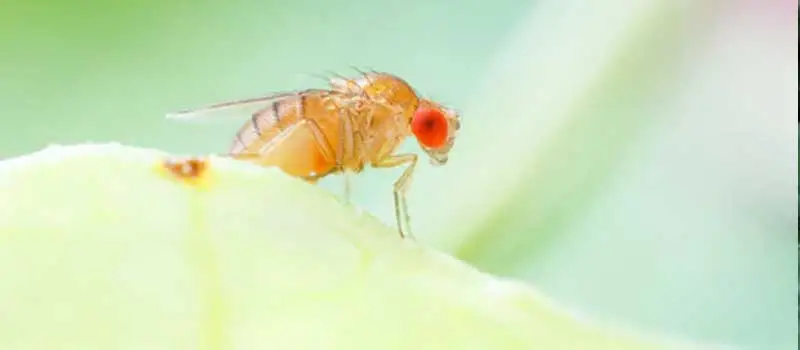
Understanding Pyriproxyfen and Its Role in Insect Growth Regulation
Chemical Nature and Formulations
This insect growth inhibitor, whose scientific name is C20H19NO3, has a molecular structure that is in the benzyl ether class. It works by being a manufactured version of juvenile hormones that insects make naturally to control the changes in their life cycles. In contrast to broad-spectrum neurotoxins, this tailored method limits damage to the environment that wasn't meant to happen. Hontai makes different formulas to meet the needs of different operations. Our 10% EW (Emulsion, Oil in Water) recipe is very stable in water, which makes it perfect for getting rid of mosquito and fly eggs in containers and bodies of water. The 5% EW version has smaller concentrations that are good for sensitive farming uses. The 10% EC version, on the other hand, has higher concentrations that are better for large-scale operations that need to move and store their materials in a cost-effective way. These liquid mixtures, which look like white or yellow fluids, mix easily with water and can be easily applied using regular spraying tools. Because it is emulsifiable, it covers all treatment areas evenly, whether they are crop leaves, still water, or places where dung builds up.
Precise Mode of Action in Target Pests
Hormonal changes happen at just the right times for insects to grow. At certain times, juvenile hormone levels must drop so that larvae can pupate and pupae can appear as adults. When an insect comes into contact with or eats Pyriproxyfen, it floods receptors that should signal the next stage of growth. This biochemical confusion leads to a number of deadly outcomes: larvae get too big and can't turn into effective pupae, pupae get deformed in ways that make them unfit to survive, and any adults that do come out are unable to reproduce. The chemical moves through plant cells very quickly and easily, getting into leaf tissue and then spreading to areas that haven't been treated. This trait is very helpful for getting rid of bugs like whiteflies and scale insects that live on the undersides of leaves and are hard to spray directly.
Target Pest Spectrum and Resistance Management
Our technical-grade Pyriproxyfen has been shown to work against economically Larvicide Pyriproxyfen 10%Ew important bugs that bother businesses. In farms, it gets rid of whitefly groups, scale insect pests, moth groups like the beet armyworm and Spodoptera exigua, the pear psylla, and thrips species that hurt crops directly and spread diseases to other plants. Public health uses are good at controlling mosquito larvae that breed in still water and fly larvae that grow in trash. Because they work in a very different way, pest populations that become resistant to traditional organophosphates and pyrethroids usually can still be killed by juvenile hormone analogs. Because of this biochemical difference, Pyriproxyfen is an important cycle partner in resistance management routines. It increases the useful life of integrated pest management methods in places where older chemicals are losing their effectiveness.
Advantages of Pyriproxyfen Over Traditional Pest Control Methods
Low Toxicity Profile and Environmental Safety
Conventional neurotoxic herbicides often pose serious risks to people who use them, useful insects, and wildlife that they are not meant to kill. Pyriproxyfen is not very dangerous to mammals, birds, or fish when used as directed on the label, according to the WHO's hazard assessment report. This safety cushion lowers the need for personal protective equipment and the risk of being sued during application. Concerns about environmental longevity that come with many leftover chemicals are lessened by juvenile hormone analogs. Pyriproxyfen breaks down in soil and water through photolysis and microbial action, turning into non-toxic byproducts instead of building up in food systems. This biodegradability profile helps businesses that want to get environmental approvals and sell their products in countries that have strict rules about residues.
Selective Action and Beneficial Species Preservation
Broad-spectrum knockdown poisons wipe out whole populations, killing off target pests as well as natural enemies and pollinators. When animal numbers drop because of this damage to the ecosystem, it often leads to secondary outbreaks of pests. Pyriproxyfen preferentially kills insects that are changing into new forms, leaving many useful species alone. When treatments are done at the right time, they have little effect on honeybees and other pollinators. This keeps the biological control services that are important for healthy agriculture.
Cost Efficiency Through Residual Activity
Because contact pesticides break down quickly, they need to be reapplied often, which increases the cost of work and chemicals used during growth seasons. Because Pyriproxyfen stays in the body for weeks or months, based on the environment, it greatly lowers the number of times that treatment needs to be done. A single application at the right time can reduce pest numbers for several generations, which is more cost-effective than knockdown treatments done once a week. This economic benefit is made even better by the transovarial effect. Adult insects that survive sublethal contact pass the growth regulator on to their eggs, which stops the next generation from reproducing without any other help. This stops reproduction at the population level more completely than repeated touch treatments that only affect insects that are there when the spraying happens.
Practical Application and Usage Guidelines for Procurement and Operations
Formulation Selection for Specific Applications
Our 10% EW mixture has great leaf adhesion and systemic movement, Larvicide Pyriproxyfen 10% EW, which helps farming businesses that want to get rid of foliar bugs. The water-based mixture mixes easily and doesn't need any petroleum agents. This makes it safer for sensitive plants to be around when it's hot outside. Spraying the upper leaf surfaces with the active ingredient lets it move to the lower surfaces, where whiteflies and scales that are still young eat. The same 10% EW product works best for public health efforts that control places where mosquitoes grow. It stays at a good concentration in water tanks, catch basins, and flood watering systems for a long time because it is stable in water. Applying as little as 0.5 to 1 gram of the active ingredient per acre of water area can keep larvae away for months, which saves a lot of work compared to treating with bacterial larvicides every week. Large-scale farming or vector control operations that need to ship a lot of concentrated product enjoy how much lighter and smaller the 10% EC version is. Dilution at the point of use saves money on transportation costs while giving the same performance in the field as goods that have already been diluted.
Dosage Recommendations and Mixing Protocols
A good dose balances using just the right amount of active ingredient to stop the growth of the pest in question, while also not using too much, which wastes the product and adds to the environmental load that isn't needed. Foliar uses in agriculture usually need 50 to 100 grams of active ingredient per hectare, but this can change depending on the number of pests and the stage of growth of the crop. 10 to 50 grams of insecticide per acre of water area is enough to keep mosquitoes away from bodies of water for public health reasons. Mix Pyriproxyfen mixtures with clean water in spray tanks that have motors that keep moving the fluids around. Slowly add the concentrated product while mechanical or hydraulic stirrers work to make sure that an emulsion forms completely before moving the mixture to the application equipment. Stay away from water sources with a pH above 8.0 because they can speed up chemical breakdown and make the field less stable.
Resistance Management and IPM Integration
One chemical shouldn't be the only thing used in a bug control program. Changing Pyriproxyfen with chemicals that work in different ways, like microbial pesticides, insecticidal soaps, or selective neurotoxins, keeps pests vulnerable from one generation to the next. By putting poisons into groups with similar biochemical targets, the Insecticide Resistance Action Committee (IRAC) classification method helps with cycle planning. Include applications that control plant growth in larger IPM models that include cultural practices, biological control agents, and tracking systems. Use Pyriproxyfen when the number of pests reaches a certain level that affects the economy, not on a set plan. With this threshold-based method, selection pressure is lowered while crop defense is maintained. This makes all chemical tools last longer.
Environmental and Safety Considerations
Human Health and Non-Target Toxicity
An extensive body of toxicology research shows that Pyriproxyfen is generally safe for both people and pets. Acute oral and dermal toxicity tests show that it is almost non-toxic, with no signs of being able to cause cancer, mutations, or problems with reproduction at the amounts of exposure that are normal for use. Standard farming safety rules say that applicators should wear gloves and protective clothing when handling the compound, avoid spray drift, and keep track of re-entry times. However, this compound is much safer than many other options. Aquatic poisoning studies show that the amounts of chemicals used to get rid of mosquitoes in bodies of water have little effect on fish numbers. Invertebrate species that are sensitive to changes in young hormones may have short-term population effects, but the ecosystem quickly recovers as the chemical breaks down. This short-term effect is better than the long-lasting effects of organochlorines and organophosphates that build up in marine food webs.
Degradation Pathways and Residue Compliance
Studies of Pyriproxyfen's fate in the environment show that it breaks down through photolytic and bacterial processes. Half-life in soil can be anywhere from a few weeks to a few months, based on the temperature, the amount of water in the soil, and the activity of microbes. The half-life of an aquatic substance is a little longer in still water but shorter in moving water with lots of different kinds of bacteria. These mild persistence traits give enough residual activity for successful pest control while escaping the long-term environmental damage that comes with using old poisons. As harvest time gets closer, crop residue levels drop quickly, usually below the measurement limits or maximum residue limits (MRLs) set by government officials. Businesses that send food to foreign markets benefit from the fact that Pyriproxyfen is approved by Codex Alimentarius and registered in major purchasing regions. This regulatory approval makes trade easier because it meets the strict residue standards that can keep out goods that were treated with chemicals that aren't well understood or are controversial.
Conclusion
By understanding how Pyriproxyfen controls insect growth through juvenile hormone mimicry, farmers, marketers, and pest control professionals can make smart buying choices that are in line with today's standards for sustainability. Its special way of working that stops growth instead of being very harmful, which effectively controls populations while protecting helpful species and reducing environmental damage. The substance is safe, has a long residual effect, and works with resistance management techniques. This makes it a cost-effective part of integrated pest management programs that are under more scrutiny from regulators and are being asked to provide lower-risk solutions by the market.
FAQ
1. Is pyriproxyfen safe to use around humans and pets?
Toxicological tests show that Pyriproxyfen is not very dangerous to humans when exposed through the skin, the mouth, or the lungs at concentrations used for pest control. When used according to the directions on the package, it doesn't pose much of a risk to people or pets. Standard safety measures, like keeping treated areas clear during application, waiting for spray deposits to dry before going back in, and storing concentrates safely, are enough for both household and commercial settings.
2. How does cost-effectiveness compare to other insect growth regulators?
Pyriproxyfen's long-lasting effects give better cost-per-day control compared to options with shorter effects, like methoprene, or to frequent uses of bacterial larvicides. A single treatment can often control pest numbers for several generations, which saves money on the time and materials needed for multiple doses. By stopping reproduction cycles without any other help, the transovarial sterilization effect adds to the fiscal benefits.
3. What precautions apply during mixing and application?
When working with strong mixtures, make sure you wear the right safety gear, like gloves and eye protection. To make sure the mixture forms completely, mix the products in well-ventilated places while stirring them all the time. Do not pollute water sources that are not meant to be treated. Set up the application equipment correctly so that it can give the right doses without adding too much to the surroundings. Follow the rules in your area about safety zones, re-entry times, and keeping records.
Partner with Hontai for Premium Pyriproxyfen Solutions
Hebei Hontai Biotech Co., Ltd. sells professional-grade Pyriproxyfen formulations that are made for use in public health and industrial crops around the world. As a well-known company, we promise stable product quality in 10% EW, 5% EW, and 10% EC formulations. Our promise is backed by full regulatory paperwork for foreign trade. Based on your business needs, our technology team can give you expert advice on application protocols, resistance management, and IPM integration. Your pest control programs will stay on schedule if you use fast global transportation to make sure that your supply lines are reliable. Email our sales team at admin@hontai-biotech.com to talk about relationships with bulk Pyriproxyfen suppliers, unique formulations, and full after-sales support that solves your specific farming problems.
References
1. Ishaaya, I., & Horowitz, A. R. (2018). Insect Growth Regulators: Chemistry, Physiology, Mechanisms, and Practical Applications in Pest Management. Academic Press.
2. Sullivan, J. J., & Goh, K. S. (2017). Environmental Fate and Effects of Pyriproxyfen. Journal of Environmental Quality, 46(3), 512-523.
3. World Health Organization. (2016). Guidelines for Drinking-Water Quality: Fourth Edition Incorporating the First Addendum. WHO Press.
4. Horowitz, A. R., Ishaaya, I., & Denholm, I. (2020). Managing Resistance to Insect Growth Regulators in Agricultural Pests. Pest Management Science, 76(5), 1515-1527.
5. Dhadialla, T. S., Carlson, G. R., & Le, D. P. (2015). New Insecticides with Ecdysteroidal and Juvenile Hormone Activity. Annual Review of Entomology, 60, 347-370.
6. Tomlin, C. D. (2019). The Pesticide Manual: A World Compendium, 18th Edition. British Crop Protection Council Publications.
Our customers’ satisfaction speaks for our quality — contact us to experience the same reliable service.