- English
- French
- German
- Portuguese
- Spanish
- Russian
- Japanese
- Korean
- Arabic
- Greek
- German
- Turkish
- Italian
- Danish
- Romanian
- Indonesian
- Czech
- Afrikaans
- Swedish
- Polish
- Basque
- Catalan
- Esperanto
- Hindi
- Lao
- Albanian
- Amharic
- Armenian
- Azerbaijani
- Belarusian
- Bengali
- Bosnian
- Bulgarian
- Cebuano
- Chichewa
- Corsican
- Croatian
- Dutch
- Estonian
- Filipino
- Finnish
- Frisian
- Galician
- Georgian
- Gujarati
- Haitian
- Hausa
- Hawaiian
- Hebrew
- Hmong
- Hungarian
- Icelandic
- Igbo
- Javanese
- Kannada
- Kazakh
- Khmer
- Kurdish
- Kyrgyz
- Latin
- Latvian
- Lithuanian
- Luxembou..
- Macedonian
- Malagasy
- Malay
- Malayalam
- Maltese
- Maori
- Marathi
- Mongolian
- Burmese
- Nepali
- Norwegian
- Pashto
- Persian
- Punjabi
- Serbian
- Sesotho
- Sinhala
- Slovak
- Slovenian
- Somali
- Samoan
- Scots Gaelic
- Shona
- Sindhi
- Sundanese
- Swahili
- Tajik
- Tamil
- Telugu
- Thai
- Ukrainian
- Urdu
- Uzbek
- Vietnamese
- Welsh
- Xhosa
- Yiddish
- Yoruba
- Zulu
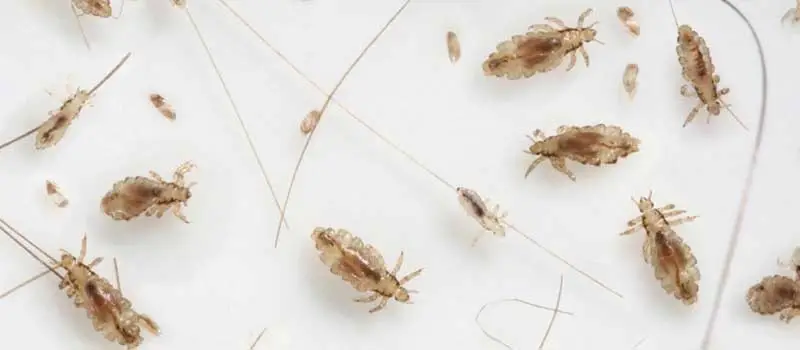
Can pyriproxyfen kill lice?
share:
Pyriproxyfen is only somewhat useful against some types of lice because it stops their growth instead of killing them right away. As an insect growth regulator (IGR), it works by acting like a juvenile hormone, which stops young lice from molting and growing up to be adults that can reproduce. Researchers have found that Pyriproxyfen can stop lice from reproducing and growing, but how well it works depends a lot on the species and how it is applied. For business-to-business buyers looking for all-around pest control options, knowing how it works, what its limits are, and how it can best be integrated into larger control programs is key to making smart buying choices.
Understanding Pyriproxyfen and Its Mode of Action
Chemical Classification and Molecular Structure
Pyriproxyfen is a chemical that works as a comparable juvenile hormone to control the growth of insects. It is in the benzyl ether class of chemicals. This chemical, whose molecular formula is C20H19NO3, acts like natural insect chemicals that affect growth and transformation. Neurotoxic pesticides quickly kill bugs by attacking their nervous systems. Pyriproxyfen, on the other hand, works by messing up hormones, which is a very different way of getting rid of bugs.
How Pyriproxyfen Disrupts Insect Development
The chemical stops insects from changing into adults by attaching to their teenage hormone receptors. When lice that are still young are introduced to Pyriproxyfen, they are unable to finish the change from being nymphs to reproducing adults. This change in hormones also affects the viability of eggs through transovarial transfer. This means that adult females that are exposed to the substance lay eggs that are either sterile or not viable. IGRs are different from regular contact pesticides because they don't get rid of pests right away; instead, the number drops over time.
Efficacy Against Lice Species
Researchers have found that Pyriproxyfen works differently on different ectoparasites. Studies on two types of chicken lice (Menacanthus stramineus and Menopon gallinae) show that treatments with this active ingredient can stop them from growing. But results with human head lice (Pediculus humanus capitis) have been mixed, with some groups being less likely to get them. Body lice and pubic lice reactions vary a lot on the quantity, type of formulation, and way they are applied. The IGR method solves a major problem that farmers and pest control groups are facing: many pests are becoming resistant to pyrethroid-based treatments. The Insecticide Resistance Action Committee has classified Pyriproxyfen as having a completely different Mode of Action (Group 7C classification). This means that it can still kill groups of adults that are resistant to other adulticides.
Pyriproxyfen vs. Traditional and Alternative Lice Control Methods
Limitations of Conventional Treatments
Neurotoxic poisons like permethrin, malathion, Larvicide Pyriproxyfen 10% EW, and synthetic pyrethroids are used a lot in traditional lice control. These chemicals work quickly to knock someone out by messing up nerve signals. Within hours, they will be paralyzed and dead. However, decades of heavy use have caused many lice populations around the world to become resistant. Agricultural operations and public health programs are reporting treatment failures more and more, which means that the chemicals need to be used more than once and in higher amounts, which increases costs and environmental risks. Some ways that cells can fight off infection are by making detoxification enzymes stronger, changing the target spot, and changing how they behave. Because of these changes, the chemicals are less effective, and buying managers have to look for new chemicals that don't use the same resistance routes.
Advantages of IGR-Based Approaches
Pyriproxyfen has a number of strategic advantages for IPM projects. One of the best things about it is that it has long-lasting residual action. Formulations can stay useful for weeks to months, based on the environment. This persistence cuts down on the number of applications, which saves money on labor and keeps operations running smoothly. Low human toxicity makes the environment safer for people, animals, and the communities around them. The compound's classification as WHO danger Class U (not likely to pose an acute danger in regular use) makes it easier to follow the rules and lowers worries about liability. The environment is better suited to Pyriproxyfen than to many other common options. It is safe for fish and doesn't hurt other organisms much, which is in line with sustainable farming methods and integrated pest control systems. Photostability makes sure that the molecule stays active even when exposed to UV light, which increases its usefulness in the field.
Available Formulations for Different Applications
Hontai makes Pyriproxyfen in a number of different formulations to meet the needs of different operations. Handling the 10% Emulsion in Water (EW) version is safe because it is not flammable. This makes operations easier and lowers the cost of moving hazardous materials. Compared to solvent-based emulsifiable concentrates (EC), this water-based method works better with tank mixes and doesn't irritate workers as much. The 5% EW choice is best for situations that need smaller amounts of active ingredients, while the 10% EC versions have a higher concentration for situations that need the most potency. Agricultural-grade larvicides are very good at getting rid of whiteflies, scale insects, moths, the beet armyworm, the pear psylla, and thrips, among other pests that can damage crops. In public health settings, the same active ingredient works very well against flies, mosquitoes, and other dipteran pests. This wide range of features in IGR classification helps purchasing managers improve relationships with suppliers and make managing inventory easier.
Safety, Environmental Impact, and Regulatory Compliance
Toxicological Profile and Human Safety
Pyriproxyfen has good hazard properties that make safety rules easier to follow at work. The compound is considered low-risk for animals based on acute oral and dermal toxicity tests, with LD50 values that are much higher than practical exposure levels. The European Chemicals Agency (ECHA) and the Environmental Protection Agency (EPA) both say that there aren't many worries about cancer, mutation, or reproductive harm when the product is used as directed on the label. Occupational exposure limits make it possible to handle things safely while wearing standard PPE, which cuts down on the need for training and the complexity of operations. Even though the safety rating is good, proper storage and handling methods are still needed. To keep the composition stable, products should be kept in their original packages out of direct sunlight and at temperatures between 5°C and 35°C. Standard agrochemical practices that most sites already follow say that food, feed, and water sources should not be contaminated.
Environmental Degradation and Ecological Impact
Pyriproxyfen breaks down in soil and water through photolysis and microbes, and its half-lives vary from a few weeks to a few months, depending on the conditions. This moderate persistence strikes a mix between time spent working and caring for the world. The chemical links strongly to organic matter (Log Kow = 5.37), which makes it harder for it to move through soil and lowers the risk of groundwater pollution. Aquatic toxicity is still low for fish species, but crabs can be sensitive at high amounts, so it's important to be careful when using it near water bodies that are sensitive. Integration into IPM systems increases the benefits to the environment while keeping pests away. Rotation with mechanical controls, biological agents, Larvicide Pyriproxyfen 10% EW, and other chemicals stops resistance from building up and reduces the amount of chemicals that need to be used. Purchasing choices that put IGR integration first show dedication to long-term intensification, which is becoming more and more important for brand image and market access.
Regulatory Certifications and Quality Assurance
Hebei Hontai Biotech Co., Ltd. has strict quality control methods in place that make sure their products are always the same, and they follow all the rules set by regulators. Good Manufacturing Practices (GMP) are followed by factories in Shijiazhuang, Hebei province. Batch testing makes sure that the active ingredient content, formulation stability, and lack of banned contaminants are all met. Material Safety Data Sheets (MSDS), Certificates of Analysis (COA), and information about regulatory registrations are all part of documentation packages that help with import clearance in all global markets. Hontai's customer service is available 24 hours a day, 7 days a week, and helps procurement workers with technology questions, application advice, and support after the sale. Full-service suppliers are different from commodity chemical vendors because they are more responsive to the practical facts of farm production cycles and pressing pest control needs.
Procurement Considerations for Pyriproxyfen Products Targeting Lice
Product Selection Criteria
To choose the right formulations, you need to fit the product properties to the operational factors. The concentration of the active ingredient sets the dilution ratios and application amounts, which have a direct effect on the storage and transportation needs. The 10% EW formulation is good for large-scale farming operations that want to handle the product without risk of fire, and the 10% EC choices work with current spray equipment made for solvent-based products. For smaller processes or specific uses, 5% EW concentrations may be better because they lower the risk of overapplication. Formulation quality has a big effect on success in the field. The shelf life and tank-mix compatibility of an emulsion are determined by how stable it is. Stable emulsions don't clog nozzles and cover evenly. Hontai's EW products go through a lot of tests to make sure they are stable. They stay the same even when the temperature changes, and they are stored for long periods of time, which is common in farming supply lines. The white to yellow color of the liquid shows that it is of good quality, and the product specs make sure that it will be the same from batch to batch.
Supplier Evaluation and Due Diligence
Verifiable manufacturing skills, legal standing, and logistical dependability are all important for supply partnerships to work. Hontai was founded in May 2021 to meet the needs of China's growing agricultural industry. It offers low prices without lowering quality standards. The fact that the company combines sales, research, and development gives it technical depth that isn't always present in trading-only businesses. This allows for the creation of personalized formulations and the improvement of applications. Verification of certification should include EINECS registration (No. 429-800-1), which proves entry to the European market. The effectiveness of a cross-border transaction depends on how well the export paperwork is done. For example, experienced suppliers can speed up customs clearance by making sure that the right phytosanitary certificates, packing declarations, and shipping documents are used. When figuring out minimum order numbers (MOQs), you have to compare them to inventory turnover rates and weigh the benefits of bulk prices against the costs of storage and limited capital. Supply dependability is directly affected by the facilities used for logistics.
Pricing Strategy and Contract Negotiation
The cost of Pyriproxyfen changes depending on the quantity of orders, the difficulty of the formulation, the packaging requirements, and the shipping schedule. When you buy in bulk, you usually save 15–30% compared to buying smaller amounts, which encourages forward contracting for seasonal needs. Large-scale producers and distributors of agrochemicals should look into yearly supply deals that lock in good rates and make sure there is enough inventory during times of high demand. Optional customization adds value above and beyond the price of a commodity. With Hontai's private labeling and original equipment manufacturing (OEM) services, wholesalers can build their brands while taking advantage of the company's years of experience making products. Different market outlets can be reached without having to deal with multiple suppliers because of the variety of packaging choices, from bulk drums to retail-ready bottles. These features make things easier for area wholesalers who serve a wide range of customers.
Best Practices and Case Studies: Using Pyriproxyfen for Lice Control
Integration within Multi-Modal Pest Management
For Pyriproxyfen to work as well as possible, IGR treatments need to be part of overall pest control plans. Rotating contact pesticides stop resistance by switching up the selection forces, which makes both chemical classes last longer. IGR works best when applied at the right time, during the youth stage of life, because by the time they reach adulthood, their reproductive systems are more developed Pyriproxyfen and less likely to be affected by hormone changes. Using both mechanical and chemical controls together makes the program work better overall. Cleaning up the environment gets rid of places where pests can breed, which lowers the population pressure and lets chemicals be used more often. Biological controls, like parasitoids or insects that eat other insects, work well with IGRs to increase the number of deaths while decreasing the need for chemicals.
Operational Case Studies
A company that manages veggie output on various fields for other companies added Pyriproxyfen to their whitefly management plan. In the past, pyrethroid sprays had to be used once a week, and their effectiveness decreased as tolerance grew. Adding Pyriproxyfen every 10 days during the early stages of an infection slowed down the growth of nymphs and killed off 75% of the adult populations over six weeks. The long residue activity cut the number of times that the product had to be applied by 40%. This saved money on labor costs and kept crops from being disrupted during important growth periods. A city effort to control fly numbers in livestock farms started using Pyriproxyfen granules in places where manure builds up. Traditional methods of controlling larvae that used organophosphates caused safety issues for both workers and the environment. Pyriproxyfen is not very dangerous to mammals, so it could be used in buildings that were already occupied without forcing people to leave. Larvae died off continuously in treated areas for 8–12 weeks, while conventional goods only killed them for 2–3 weeks. This persistence cut the amount of seasonal products used in half while keeping or improving the results of the control group.
Troubleshooting and Performance Optimization
It is still possible for resistance to develop to any insecticide, even IGRs. Monitoring methods should keep an eye on trends in effectiveness to spot performance degradation before control failures happen. Baseline susceptibility testing at the start of the program sets standards against which other tests can be judged. If resistance goes down, switching to different IGRs with different molecular targets or going back to adulticides for a short time restarts the selection pressure. Product storage pollution can sometimes affect how well a product works. If an emulsion separates or crystallizes, it means that the product is breaking down and needs to be replaced. Hontai's quality assurance procedures make it less likely for these things to happen, but it's still important to keep the building in good shape. Product purity is maintained throughout the estimated shelf life by keeping sealed packages away from extreme temperatures.
Conclusion
Pyriproxyfen is a useful tool for getting rid of lice as part of integrated pest management systems. It has many benefits over other neurotoxic poisons. Its growth-regulating system deals with problems related to resistance while offering long-lasting activity and good safety ratings. When purchasing this active ingredient, people in charge should think about the different formulations, the skills of the seller, and the best ways to integrate the product so that operations run as smoothly as possible. Even though it's not a perfect answer for all lice species, using it strategically in rotation programs is a good way to keep them under control in a way that is good for the environment and follows the rules. For adoption to go well, the product's features must be matched with the biology of the pests, the application's infrastructure, and the overall management goals.
FAQ
1. Does pyriproxyfen work on all lice species?
What works depends on the species and stage of life. Lice in chickens are very likely to cause problems with growth, but head lice on people have different reactions that rely on the population's genes and the conditions of exposure. When you go after immature stages during active growth, you get the best results.
2. How long does Pyriproxyfen remain effective after application?
Depending on the formulation, substrate, and external factors, residual action usually lasts between 4 and 12 weeks. The 10% EW mixture stays stable longer than smaller amounts, but UV light and rain lower the levels of active ingredients over time.
3. Can pyriproxyfen be mixed with other insecticides?
How well two formulations mix in a tank depends on the chemistry and pH of the mixture. In general, EW products mix well with other water-based formulas. Testing for compatibility in small amounts before mixing on a large scale keeps expensive applications from failing or damaging equipment.
4. What safety precautions apply during handling?
Wearing standard safety gear like gloves, eye protection, and long-sleeved clothes is enough to keep you safe. The substance is less harmful to mammals than many other options, so it is safer to use, but it is still best to avoid eating it or touching it for long periods of time.
Partner with Hontai for Reliable Pyriproxyfen Supply
Hebei Hontai Biotech Co., Ltd consistently provides high-quality insect growth regulators and offers full technical help and the ability to ship products all over the world. Our Pyriproxyfen formulas, which come in 10% EW, 5% EW, and 10% EC strengths, give farmers, wholesalers, and pest control experts a range of options. As a well-known maker in Hebei province, we offer reasonable prices and strict quality control. We also offer custom labels, flexible packing, and help with paperwork for foreign purchases. Our professional team answers technology questions, application help requests, and quote requests within 24 hours. You can talk about your unique needs, ask for product samples, or look into OEM possibilities by emailing admin@hontai-biotech.com. Through reliable chemicals, proven performance, and a committed relationship, we help farms all over the world deal with pest problems.
References
1. Ishaaya, I., & Horowitz, A. R. (2018). Insect Growth Regulators: Mode of Action and Practical Applications. Springer International Publishing.
2. World Health Organization. (2019). Guidelines for Drinking-water Quality: Fourth Edition Incorporating the First Addendum. WHO Press, Geneva.
3. Sullivan, J. J., & Goh, K. S. (2017). Environmental fate and properties of pyriproxyfen. Journal of Pesticide Science, 42(3), 101-118.
4. Insecticide Resistance Action Committee. (2020). IRAC Mode of Action Classification Scheme: Version 9.4. Crop Life International.
5. Rust, M. K., & Dryden, M. W. (2021). The biology, ecology, and management of the cat flea and other ectoparasites. Annual Review of Entomology, 66, 297-319.
6. Castillo, J. A., & Sattelle, D. B. (2016). Insect growth regulators as novel pest control agents: Mechanisms and agricultural applications. Pest Management Science, 72(7), 1231-1243.
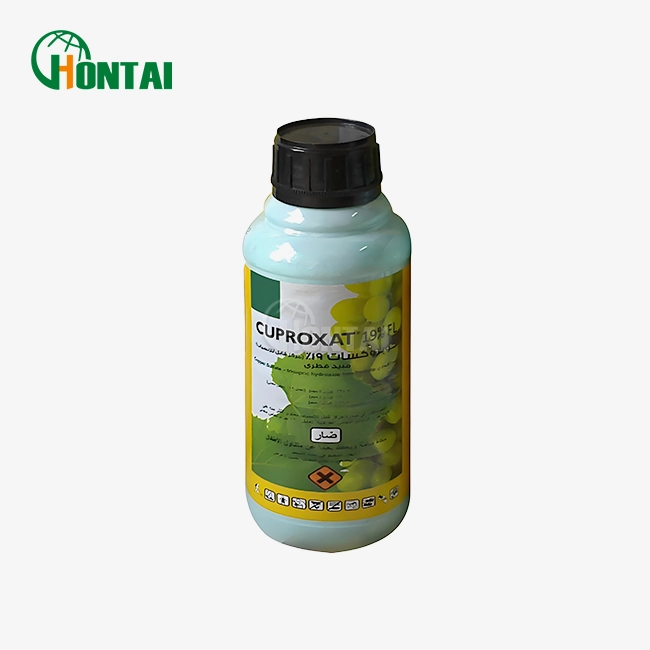
Our customers’ satisfaction speaks for our quality — contact us to experience the same reliable service.