- English
- French
- German
- Portuguese
- Spanish
- Russian
- Japanese
- Korean
- Arabic
- Greek
- German
- Turkish
- Italian
- Danish
- Romanian
- Indonesian
- Czech
- Afrikaans
- Swedish
- Polish
- Basque
- Catalan
- Esperanto
- Hindi
- Lao
- Albanian
- Amharic
- Armenian
- Azerbaijani
- Belarusian
- Bengali
- Bosnian
- Bulgarian
- Cebuano
- Chichewa
- Corsican
- Croatian
- Dutch
- Estonian
- Filipino
- Finnish
- Frisian
- Galician
- Georgian
- Gujarati
- Haitian
- Hausa
- Hawaiian
- Hebrew
- Hmong
- Hungarian
- Icelandic
- Igbo
- Javanese
- Kannada
- Kazakh
- Khmer
- Kurdish
- Kyrgyz
- Latin
- Latvian
- Lithuanian
- Luxembou..
- Macedonian
- Malagasy
- Malay
- Malayalam
- Maltese
- Maori
- Marathi
- Mongolian
- Burmese
- Nepali
- Norwegian
- Pashto
- Persian
- Punjabi
- Serbian
- Sesotho
- Sinhala
- Slovak
- Slovenian
- Somali
- Samoan
- Scots Gaelic
- Shona
- Sindhi
- Sundanese
- Swahili
- Tajik
- Tamil
- Telugu
- Thai
- Ukrainian
- Urdu
- Uzbek
- Vietnamese
- Welsh
- Xhosa
- Yiddish
- Yoruba
- Zulu
How does metalaxyl-m work on fungal pathogens in the soil?
share:
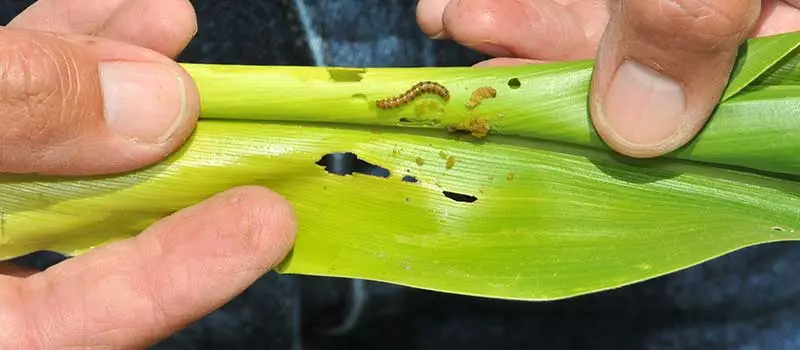
As a systemic fungicide, Metalaxyl-M gets into the soil and plant tissues and kills soil-borne oomycete pathogens by stopping the production of ribosomal RNA in fungus cells. This active R-enantiomer stops the spread of diseases caused by Pythium, Phytophthora, and downy mildew organisms by messing up protein production and cell function in the early stages of an attack. Unlike most contact fungicides, which stay on the plant's surface, this substance moves through the xylem vessels to protect new roots and shoots from infections below the ground. This provides long-lasting protection in complex soil settings where pathogens remain.
Introduction
Soil-borne fungal pathogens are always a problem for commercial agriculture because they destroy food outputs and make the business less profitable. Large farmers who are in charge of hundreds to thousands of fields need disease control methods that they can rely on and that have been shown to work without sacrificing cost-effectiveness or legal compliance. Agronomists, sourcing workers, and sellers can make smart buying decisions when they know how advanced fungicides work at the molecular level. This detailed guide looks at how one of the most popular systemic fungicides works and how it is used around the world to control harmful soil bacteria. We look at chemical properties, how to use them, environmental issues, and market positioning that are important for B2B clients looking for effective crop safety options. Our study looks at some important issues, such as how well the product works, how stable the supply is, the paperwork needed by regulators, and the availability of technical help. These are all important things that affect choices about buying in bulk in farming supply chains.
Understanding Metalaxyl-M: Chemical Properties and Mechanism of Action
The Chemistry Behind Efficacy
Mefenoxam is a chemical compound that is the pure R-enantiomer of the phenylamide fungicide family. This active isomer has the chemical formula C15H21NO4 and the CAS number 70630-17-0. It has about twice as much biological activity as racemic mixes. With this improvement, formulators can get the same level of disease control with half as many chemicals. This lowers the cost of treatment and the damage to the environment at the same time. The product comes in different forms, such as 48% EC liquid solutions, and can be used for many things, such as treating seeds, wetting the soil, and drip watering. Its liquid state makes it easier to mix evenly and deliver precisely with current Metalaxyl-m + Mancozeb 80 WP application tools. When stored correctly in cool, dry places, things stay stable for at least two years, making sure they work well during all four buying seasons.
Targeted Pathogen Spectrum
The range of effectiveness mostly includes diseases caused by Peronosporales, such as damping-off from Pythium species, root and crown rots from Phytophthora organisms, and downy mildew infections in crops like tobacco, cotton, veggies, fruit trees, and fruit trees. In field tests, newer fungicide chemicals are always shown to be better at controlling these economically important diseases than older ones. These stubborn soil pathogens can be stopped and treated early on, which is especially helpful for commercial farms that grow soybeans, potatoes, cucurbits, and leafy veggies.
Optimal Usage: Application Rates, Timing, and Compatibility
Calibrating Application Rates
To effectively control diseases, you need to make sure that the rates of application are right for the type of crop, the land, and the amount of pathogen pressure. Most seed treatments use 50 to 100 grams of active ingredient per 100 kilograms of seed. This makes a barrier around plants that are starting to grow. Depending on the amount of organic matter and moisture in the soil, the amount of soil drench that should be used for established crops is between 0.5 and 1 kilogram per acre. Foliar treatments used to kill downy mildew on grapes and veggies have lower rates because the system quickly absorbs the chemicals through the leaves. Precision agriculture technologies allow variable rate sprays that place fungicides more effectively based on field mapping data. This cuts down on waste while still controlling diseases. Before committing to big holiday orders, bulk buyers should look at labels that explain the formulation and do small-scale tests.
Tank Mix Compatibility
The fungicide works well with many crop protection products, which allows broad-spectrum disease control plans to happen. Contact fungicides like mancozeb or chlorothalonil are often used together to stop resistance from developing and to treat a wider range of pathogens. If the pH level stays normal to slightly acidic, it is possible to mix pesticides, liquid fertilizers, and plant growth regulators in a tank. Testing for compatibility before mixing on a large scale keeps the mixture from becoming unstable, especially when biologicals or alkaline chemicals are added. The professional, skilled staff at Hontai gives expert advice on the best mixtures based on the needs of the crops and the pests that live in the area. Knowing these mixing rules will help your business run more smoothly and safely during busy application times.
Safety Precautions and Environmental Impact Considerations
Operator Safety Standards
Wearing chemical-resistant gloves, eye protection, Metalaxyl-m + Mancozeb 80 WP, and long-sleeved clothes is necessary when working with liquid fungicide solutions. The most dangerous times to be exposed are when mixing and filling, so make sure there is enough air flow and that any spills are contained. Label reading and emergency reaction plans should be emphasized in training classes for farm workers. To keep chemicals from breaking down, storage sites must keep temperatures below 40°C. When not in use, containers should be kept closed and kept away from food, feed, and sources of drinkable water. Hontai's online service is available 24 hours a day and helps customers understand safety data sheets and follow the right way to handle things in different legal areas.
Environmental Profile Assessment
Half-lives of the substance in soil are usually between three and eight weeks, but this depends on the type of soil, the temperature, and the activity of microbes in the soil. This degradation timeline gives crops enough time to be protected while reducing worries about carryover for future plants. Research shows that when sprayed at the suggested rates, it is not too harmful to helpful soil creatures like earthworms and bacteria that fix nitrogen. Because of aquatic pollution concerns, buffer zones must be built around bodies of water and irrigation waste must be managed properly. Systemic fungicides don't need to be applied as often, so they lower the overall chemical loads that happen over the course of the season compared to contact fungicides, which need to be applied more often. To keep this tool working for a long time, sustainable crop protection techniques use it with crop rotation, resistant types, and cultural controls.
Resistance Management Protocols
As a FRAC Group 4 fungicide that only works at one place, managing resistance is still very important to keep it working. Resistance cases that have been recorded in areas with a lot of production show how important it is to use combined methods. Pathogen populations are kept from changing by tank mixing with multi-site fungicides, limited yearly applications to two or three treatments, and switching between different chemical classes. Agrochemical wholesalers teach farmers a lot about how to be good stewards of resistance. Labels for products should make it clear how they should be used and how often they should be rotated. Through regional monitoring programs that check for pathogen sensitivity, new resistance problems can be found before they happen in the field. This protects both growers' investments and the product's life in the market.
Market Comparison and Procurement Insights
Competitive Product Evaluation
When compared to racemic mixes, the refined enantiomer works better at lower azoxystrobin 28.2+ metalaxyl-m 10.8sc application rates. This means that large buyers can save money on shipping and handling. Azoxystrobin and other strobilurin fungicides work against a wider range of diseases, but they are not as good at killing Pythium and Phytophthora species that cause root rot. Mancozeb is a cheap way to protect multiple sites, but it needs to be applied again and again and doesn't allow for widespread movement.
Procurement Strategy Considerations
A cost-benefit study shows that the improved enantiomer is better for protecting valuable crops from disease, which is why it costs more. Large-scale makers of grains and oilseeds may choose less expensive choices where the risk of disease is low. Distributors who serve a wide range of customers can meet a wide range of budget and disease-related needs by adding additional fungicide chemicals to their product lines.
Quality Assurance Parameters
Making sure the product is pure and the recipe stays stable saves the money spent on buying it and makes sure the customer is happy. Suppliers you can trust will give you batch-specific analysis certificates that show the quantity, pH levels, and physical qualities of the active ingredients. Third-party lab testing verifies what's written on the label and finds problems with adulteration or degradation before the goods get to stores. Long-term supply deals should include guarantees of consistent quality, performance warranties, and arrangements for expert help. Hontai has a professional, skilled staff that can help with sales, answer technical questions quickly, and give full advice on how to solve problems with different cropping systems. In competitive agrochemical markets, these service promises set trusted makers apart from commodity sellers.
Case Studies and Application Success Stories
Vegetable Production Success
An industrial vegetable business in California that was in charge of 500 hectares of processing tomatoes was losing 15 to 20 percent of their crops every year because of Phytophthora root rot. Using seed treatments followed by transplant drench applications cut the number of diseases to less than 3% over two growth seasons. The preventative program cut the number of fungal applications from eight contact sprays to three systemic treatments. This saved money on labour and equipment wear and increased the usable yield by 2.8 tons per hectare.
Potato Disease Management
In the past, an Idaho potato farmer who farmed 800 hectares depended on azoxystrobin 28.2+ metalaxyl-m 10.8sc heavy mancozeb spray systems that needed 10 to 12 applications per season to stop late blight and pink rot. Rotating between early-season soil applications and select plant treatments kept diseases under control with 40% fewer total applications. Better crop quality led to 12% higher premium-grade tuber yields, which greatly increased profits even though the cost of applying fungicides was slightly higher each time. The business worked with regional wholesalers to get expert field scouting services and personalized application suggestions based on models for tracking weather and predicting diseases. Combining advanced fungicide technology with agronomic knowledge to get the most out of crop protection spending is what this combined method is all about.
Conclusion
For effective control of soil-borne fungal pathogens, it is necessary to know how improved fungicides stop pathogen growth at the cellular level. The improved enantiomer is a strong tool for commercial agriculture because it has systemic mobility, focused effectiveness against economically important oomycete diseases, and less environmental loading than older chemicals. When applied at the right time, at the right rate, and in line with resistance control methods, Metalaxyl-M works best in a wide range of cropping systems. When choosing fungicide options for large-scale operations, procurement professionals should look at things like product specs, supplier stability, and total cost-of-ownership. Strategic relationships with makers that offer uniform quality, help with regulatory compliance, and technical knowledge make the supply chain more stable and improve the results of disease management. The case studies show that real changes in yield and cost can be made by choosing the right products and putting them to use in the right way.
FAQ
1. What distinguishes this compound from standard fungicide formulations?
The active R-enantiomer only has the chemically effective isomer, so it only needs to be applied half as often as racemic mixes, but it works better. This improvement lowers the amount of chemicals used, the cost of shipping, and the damage to the environment without affecting the effectiveness of disease control.
2. Can foliar applications control root diseases?
Systemic movement happens acropetally through xylem veins. This means that plant sprays protect tissues above ground but don't move down to the roots. To control root diseases, you need to soak the soil, use drip watering, or treat the seeds in a way that creates protected zones around the parts of the plant that are below ground.
3. How quickly does the compound become rainfast after application?
Rapid absorption into plant tissues usually makes it rainproof 30 to 60 minutes after application to the leaves. This quick uptake works to protect even if it rains right after spraying, so it stays effective even when the weather is uncertain.
4. What resistance management practices extend product longevity?
To stop resistance from building up, tank mixing with multi-site contact fungicides, limited yearly applications to two or three treatments, and rotating with different FRAC group chemicals should all be done. If you already have an illness, you shouldn't use it to treat it. Instead, you should save it for times when you want to prevent it.
Partner with Hontai for Reliable Metalaxyl-M Supply
Hebei Hontai Biotech Co., Ltd. offers a wide range of services to agrochemical distributors and large-scale farm producers looking for a reliable Metalaxyl-M provider. Our 48% EC formula always gives the same high quality, and every output batch comes with full legal paperwork, such as a Certificate of Analysis. Customized label choices, flexible package layouts, and low minimum order amounts can meet the needs of a wide range of market segments, from small regional wholesalers to large global agriculture companies.
Our fast global transport network makes sure that deliveries happen on time, even on tight planting plans. Our professional, skilled team also gives you expert technical advice on how to use our products for problems with tobacco, fruit trees, vegetables, cotton, grains, and oilseeds. For bulk pricing on Metalaxyl-M for sale, formulation samples, or to set up a meeting with one of our crop protection experts, please email our international agriculture service section at admin@hontai-biotech.com.
References
1. Cohen, Y., and Coffey, M. D. "Systemic Fungicides and the Control of Oomycetes." Annual Review of Phytopathology, vol. 24, 1986, pp. 311-338.
2. Gisi, U., and Sierotzki, H. "Fungicide Modes of Action and Resistance in Downy Mildews." European Journal of Plant Pathology, vol. 122, no. 1, 2008, pp. 157-167.
3. Pscheidt, J. W., and Ocamb, C. M. "Fungicide Resistance Management for Pacific Northwest Specialty Crops." Oregon State University Extension Service Publication, 2017.
4. Schwinn, F. J., and Staub, T. "Phenylamides and Other Fungicides Against Oomycetes." Modern Selective Fungicides: Properties, Applications, Mechanisms of Action, 2nd edition, 1995, pp. 323-346.
5. Thind, T. S. "Metalaxyl Resistance in Phytophthora infestans in India: Management Strategies." Crop Protection, vol. 29, no. 11, 2010, pp. 1210-1214.
6. Windels, C. E., and Brantner, J. R. "Early-Season Application of Azoxystrobin Decreases Aphanomyces Root Rot and Rhizoctonia Crown and Root Rot of Sugar Beet." Plant Disease, vol. 89, no. 9, 2005, pp. 1007-1011.
Our customers’ satisfaction speaks for our quality — contact us to experience the same reliable service.