- English
- French
- German
- Portuguese
- Spanish
- Russian
- Japanese
- Korean
- Arabic
- Greek
- German
- Turkish
- Italian
- Danish
- Romanian
- Indonesian
- Czech
- Afrikaans
- Swedish
- Polish
- Basque
- Catalan
- Esperanto
- Hindi
- Lao
- Albanian
- Amharic
- Armenian
- Azerbaijani
- Belarusian
- Bengali
- Bosnian
- Bulgarian
- Cebuano
- Chichewa
- Corsican
- Croatian
- Dutch
- Estonian
- Filipino
- Finnish
- Frisian
- Galician
- Georgian
- Gujarati
- Haitian
- Hausa
- Hawaiian
- Hebrew
- Hmong
- Hungarian
- Icelandic
- Igbo
- Javanese
- Kannada
- Kazakh
- Khmer
- Kurdish
- Kyrgyz
- Latin
- Latvian
- Lithuanian
- Luxembou..
- Macedonian
- Malagasy
- Malay
- Malayalam
- Maltese
- Maori
- Marathi
- Mongolian
- Burmese
- Nepali
- Norwegian
- Pashto
- Persian
- Punjabi
- Serbian
- Sesotho
- Sinhala
- Slovak
- Slovenian
- Somali
- Samoan
- Scots Gaelic
- Shona
- Sindhi
- Sundanese
- Swahili
- Tajik
- Tamil
- Telugu
- Thai
- Ukrainian
- Urdu
- Uzbek
- Vietnamese
- Welsh
- Xhosa
- Yiddish
- Yoruba
- Zulu
Metalaxyl Fungicide: Detailed Insights and Applications
share:
When crop losses from soil-borne and leaf diseases risk the ability of farmers to make a living, picking the right pesticide is essential. Metalaxyl-m, which is the improved R-enantiomer of the phenylamide fungicide metalaxyl, has become one of the best ways to control oomycete pathogens like downy mildew, Phytophthora, and Pythium on fruit trees, veggies, cotton, oilseeds, and grain products. Compared to its racemic predecessor, metalaxyl-m works better at half the dose, lowering the external load while still effectively suppressing disease. This article helps procurement managers, agrochemical distributors, and large-scale agricultural producers understand metalaxyl-m's chemical properties, how it can be used, and how to source it strategically. This way, you can make decisions that protect crop health and improve supply chain efficiency in global markets that are very competitive.
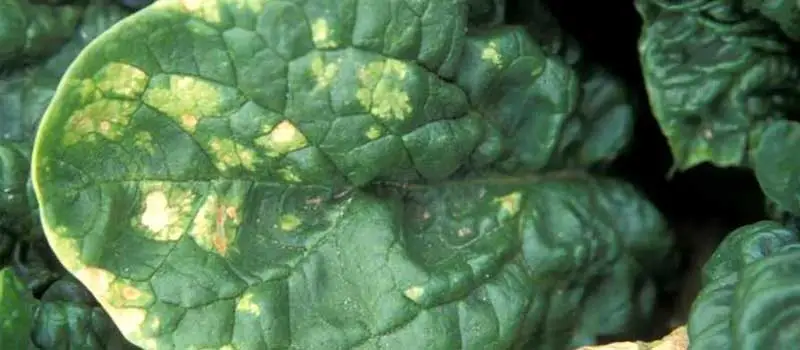
Understanding Metalaxyl-M: Properties and Mode of Action
Metalaxyl-M is a big step forward in the technology of systemic fungicides. Traditional metalaxyl has an equal amount of the active R-isomer and the inactive S-isomer. Metalaxyl-m separates the medically active part, which is usually more than 97% pure. This improvement immediately leads to practical benefits: growers can get the same level of disease control with about half as many chemicals, which cuts down on storage needs, transportation costs, and waste in the environment.
Chemical Characteristics and Systemic Movement
The chemical formula for metalaxyl-m is C15H21NO4 (CAS No. 70630-17-0), which means it is a phenylamide product. This pesticide is unique because it can move through plant cells without being absorbed. When it's put on, it quickly absorbs through roots, seeds, or leaves and moves acropetally through the xylem, which means it moves up with the flow of water to protect new growth that contact fungicides can't reach. This movement only going up has real-world effects: foliar sprays work well to protect leaves and new shoots, but soil soaks, or seed treatments are still needed to control root rot because the movement doesn't go downhill.
Mode of Action Against Oomycete Pathogens
Metalaxyl-m works by stopping the production of ribosomal RNA in fungi from the order Peronosporales. This molecular change stops the production of proteins that are needed for fungi to grow and reproduce. This single-site mode of action is very effective at killing Phytophthora species that cause late blight in potatoes and tomatoes, Pythium species that cause juvenile damping-off, and downy mildew pathogens that hurt grapes, cucurbits, and leafy veggies. One problem with this accuracy is that bacteria can become resistant if metalaxyl-m is used over and over again without being rotated. The Fungicide Resistance Action Committee puts it in FRAC Group 4, which means it needs to be mixed with copper-based products or multi-site contact fungicides like mancozeb to keep working for a long time.
Comparing Metalaxyl-M with Other Fungicides: Making Informed Decisions
To choose the best pesticide, you need to know how the different Metalaxyl-m + Mancozeb 80 Wp active ingredients work in different situations. Metalaxyl-m's competitors include its racemic parent drug, mefenoxam, which is chemically identical, and fungicides that work in different ways. Depending on the number of diseases, the past of resistance, and the budget, each choice has its own benefits.
Metalaxyl-M Versus Standard Metalaxyl
The main difference is the amount of active element used. Standard metalaxyl has 50% active R-isomer and 50% inactive S-isomer, so it needs to be used at twice the rate of metalaxyl-m to be as effective. When it comes to buying things, this means real changes in price: metalaxyl-m may cost 20–30% more per kilogram of scientific material, but the lower application rate usually means lower costs per hectare. Distributors save money on freight costs and find it easier to handle operations for half the amount of products they sell. Environmental compliance teams like that the amount of chemicals used in each cleaning cycle is lower. This can affect the approval process by regulators and how customers feel in markets that value sustainability.
Performance Against Alternative Systemic Fungicides
Azoxystrobin is a strobilurin fungicide that works on a wide range of fungi and diseases. It can kill powdery mildew and some leaf spot pathogens that metalaxyl-m can't. Metalaxyl-m, on the other hand, can quickly cure infections caused by rapidly growing oomycete bacteria, while this drug only works to prevent them. Combination drugs that have metalaxyl-m and either azoxystrobin or mancozeb are a good compromise because they provide both systemic protection and multi-site resistance control in one use. Copper-based fungicides are cheap choices for organic farming systems, but they don't move through the system and need to be reapplied often after it rains. Within 30 to 60 minutes after application, metalaxyl-m stops being affected by rain, so it will still protect even if the weather changes after spraying. This is a very important benefit for business operations with limited application windows.
Application Guidelines and Resistance Management
To get the most out of metalaxyl-m and keep it useful for future seasons, it needs to be used according to exact instructions and as part of larger disease control plans. Successful programs are different from those that speed up disease response because they take into account the needs of each crop and how to lower the risk of resistance.
Crop-Specific Dosage Recommendations
Rates of application depend on the number of diseases, the stage of growth of the crop, and the quantity of the mixture. To stop Pythium damping-off in cucumber, pepper, and tomato transplants, vegetable growers usually soak the soil with 1.5 to 2 liters of a 48% EC formulation per acre before sowing. Potato and tomato farms that want to control Phytophthora blight often use 1.5 liters per hectare as foliar sprays. They start applying them before the disease shows up and keep doing them every 7 to 14 days when conditions are right for infection. Ten to thirty grams of Metalaxyl-m + Mancozeb 80 WP, the active ingredient, can be used to treat 10 to 100 kilos of soybean and corn seeds. This creates a protected zone during germination, which is when Pythium risk is highest in cool, wet soils. Fruit tree farmers use 2-3 liters of trunk drenching per acre to kill Phytophthora root rot pathogens in the spring and fall, when it rains more. If there are serious epidemics or types that are very sensitive, the upper label limits may need to be raised. Integrated plans that combine metalaxyl-m with complementary fungicides can lower individual product rates by 20–30%.
Timing and Frequency for Maximum Protection
Metalaxyl-m works best when used as a preventative measure, either before an illness starts or when symptoms are just starting to show up. If you wait until the disease is very far along, the fungicide will not work as well because it stops pathogens from growing instead of killing existing groups. Potato late blight programs usually start spraying when the weather is right for infection—overnight temperatures above 10°C and leaves that have been wet for more than 12 hours—rather than waiting for spots to show up. Cucumber downy mildew management starts applications when regional disease-predicting models show a risk, and they keep going every 7–10 days during the growth season. Soil drench treatments that target root pathogens work best when they are used at planting time or right before heavy rain that causes Pythium and Phytophthora to multiply. Metalaxyl-m treatments should be limited to two to three per season for each crop. This lowers the pressure for resistance to develop, so fungicides from different FRAC groups, like Group 11 strobilurins or Group 40 phosphonates, must be rotated during long protection periods.
Storage and Handling Best Practices
Protecting your investment and making sure uniform performance is maintained by keeping the purity of the product from the warehouse to the field application. Metalaxyl-m mixtures stay stable for at least 24 months if they are kept in their original containers at temperatures between 5 and 35°C and out of direct sunlight and water. Hontai's 48% EC liquid version should not freeze, as freezing can cause phase separation that needs to be vigorously shaken before use. Once packages are opened, the contents should be used during the growing season to keep them from going bad. For handling and mixing, you still need to wear protective gear like chemical-resistant gloves, eye protection, and long-sleeved clothes. However, metalaxyl-m is less dangerous than older organophosphate fungicides because it has a low acute toxicity profile. Spray equipment should be cleaned well after use to keep it from getting contaminated with alkaline herbicides that can break down metalaxyl-m that is still in tank systems. Following OSHA Hazard Communication Standards and EPA Worker Protection Standards makes sure that the supply chain is safe for both workers and the products that are being sold.
Procurement Insights for Metalaxyl-M: Sourcing and Supply Chain Considerations
Strategic sourcing of metalaxyl-m strikes a mix between supply dependability, quality control, and cost effectiveness. Understanding what manufacturers can do, what certifications are needed, and how the market works helps procurement pros get the best deals while lowering risk in global farming supply chains.
Evaluating Suppliers and Manufacturers
Metalaxyl-M suppliers with a good reputation show consistent quality through third-party certifications and clear production methods. ISO 9001 quality management approval means that production controls are in place to keep azoxystrobin 28.2+ metalaxyl-m 10.8sc differences between batches to a minimum. This is very important because consistency in the recipe directly affects how well it works in the field. Customized labeling and flexible packing choices from suppliers are added-value services that make managing inventory and following rules easier in many markets. As an example, Hebei Hontai Biotech Co., Ltd makes 48% EC metalaxyl-m formulations with customizable labels from their plant in Hebei, China. They also offer technical support to foreign customers 24 hours a day, 7 days a week. Independent lab testing of the active ingredient to make sure it is pure shields against tampered goods that hurt disease control efforts. Asking for certificates of analysis with every package to make sure the metalaxyl-m content meets the requirements (usually ≥97% R-enantiomer purity in scientific material, or 480 g/L in 48% EC formulations) sets clear expectations for quality and lets you keep track of it throughout the year.
Pricing Factors and Volume Considerations
The price of metalaxyl-m depends on the cost of the raw materials, the difficulty of making it, and the way the market in your area works. When buying in bulk more than 1,000 kilos, technical-grade material usually costs $35 to $55 per kilogram. For formulation, packing, and delivery, formulated EC goods cost an extra $5 to $12 per liter. When you order by the container load, or 20,000 liters or more, the price per unit may drop by 15 to 25 percent compared to pallet sales. When agrochemical wholesalers negotiate yearly supply contracts, they should include price changes every three months that are based on technical grade indices. This will protect their margins from changes in raw materials and keep their relationships with suppliers strong. Seasonal trends in demand produce buying opportunities. If you order during off-peak times, like November through February in Northern Hemisphere markets, you can usually get better prices and be sure that the goods will be available before the spring growing rushes overwhelm production capacity. Changes in currency affect the cost of imports, especially when buying from Asian makers. Forward currency contracts or setting prices in the local currency can help wholesalers who serve more than one growing area keep their budgets stable.
Documentation and Regulatory Requirements
When buying metalaxyl-m internationally, you need to include a lot of paperwork to help with customs clearing, following the rules, and finding uses for the product. Material safety data sheets that meet GHS classification standards, certificates of analysis that confirm the active ingredient content and impurity profiles, and phytosanitary certificates that confirm the product's origin and pest-free status are all important papers. Products can be used in agriculture in the U.S. if they have an EPA registration number. However, state-level licenses may require extra labeling or application limits that sellers should make clear before shipping. Export licenses from the country of origin and import permits from the country of destination. Metalaxyl-m + Mancozeb 80 W keeps shipments from being held up at borders, which can be very expensive. Suppliers with a history of exporting make this process easier. For example, Hontai's experience serving global markets means that orders come with full paperwork packages, which makes it easier for procurement teams to do their jobs. Keeping organized copies of purchase orders, shipping papers, and compliance certificates makes it easier to find problems with quality and supports audit standards under food safety modernization programs that are looking more closely at agrochemical supply chains.
Conclusion
In a wide range of farming methods, metalaxyl-m is an essential tool for reducing harmful oomycete diseases. Its improved recipe works better and requires less application than regular metalaxyl. This means it has less of an effect on the environment and saves money for large-scale activities. By learning about metalaxyl-m's systemic properties, resistance management needs, and the best time to apply it, farm producers and dealers can protect crops more effectively while keeping the product's long-term usefulness. Strategic buying from qualified makers with well-established quality systems and full technical support makes sure that the supply chain is reliable and that the products are always the same. Metalaxyl-m protects vegetables, fruits, grains, and specialty crops from downy mildew, Phytophthora, and Pythium when carefully added to disease management plans that use chemical, cultural, and biological methods. This works in growing regions around the world.
FAQ
1. What distinguishes metalaxyl-M from standard metalaxyl in practical terms?
In real life, what makes metalaxyl-m different from regular metalaxyl? Metalaxyl-m only has the biologically active R-enantiomer, so it only needs to be used at about half the rate of racemic metalaxyl to control diseases just as well. This lowers the amount of chemicals used per acre, the cost of shipping, and the amount of waste left in the environment while still killing oomycete pathogens effectively.
2. How quickly does metalaxyl-M become resistant to rainfall after application?
As soon as metalaxyl-m is applied to the leaves, it is absorbed by the body's systems and stops raining 30 to 60 minutes later. Unlike contact fungicides, which wash off leaf surfaces, this fast uptake into plant tissues makes sure that protection lasts even if it rains soon after spraying.
3. Can metalaxyl-M be tank-mixed with biological seed treatments or other pesticides?
Metalaxyl-m is generally compatible with most neutral or slightly acidic farming products as well as a wide range of biological agents, such as Trichoderma and Bacillus species. Do not mix with products that are very alkaline, like Bordeaux blend, because the breakdown of these products can break down the active ingredient. Before making full tank amounts, you should always do small-scale compatibility checks.
4. What specific resistance management practices preserve metalaxyl-M effectiveness?
Apply no more than two to three times per season per crop, mix them with multi-site contact fungicides from different FRAC groups, switch to different systemic fungicides between treatment windows, and never try to stop an outbreak of a disease that is already there. These methods lessen the pressure for pathogens to become immune, and they make products useful over a longer period of time.
Partner with Hontai for Reliable Metalaxyl-M Supply
To always have access to high-quality metalaxyl-m formulations, you need to work with makers who understand the needs of agricultural output and the complexity of the global supply chain. Hontai offers 48% EC metalaxyl-m that is made to exacting standards and comes with a range of labeling and package choices that can be changed to fit your needs. This makes it easier for you to get into the market. Through our 24-hour support services, our skilled sales team can help you with application problems, pushback management strategies, and questions about regulatory compliance. Hontai's dedication to stable product quality and fast global logistics means that your operations will never have to worry about supply interruptions during crucial growing periods. This is true whether you run large commercial farms that need seasonal bulk orders, agrochemicals that are sold in regional markets, or crop protection services that need reliable performance. You can email admin@hontai-biotech.com to get product samples to test in the field, talk about bulk prices as an approved metalaxyl-m provider, or look into OEM possibilities that match our production skills with the needs of your market.
References
1. Gisi, U., & Cohen, Y. (1996). Resistance to phenylamide fungicides: A case study with Phytophthora infestans involving mating type and race structure. Annual Review of Phytopathology, 34, 549-572.
2. Davidse, L. C., Looijen, D., Turkensteen, L. J., & Van der Wal, D. (1981). Occurrence of metalaxyl-resistant strains of Phytophthora infestans in Dutch potato fields. Netherlands Journal of Plant Pathology, 87(2), 65-68.
3. Sukul, P., & Spiteller, M. (2000). Metalaxyl: persistence, degradation, metabolism, and analytical methods. Reviews of Environmental Contamination and Toxicology, 164, 1-26.
4. Cohen, Y., & Coffey, M. D. (1986). Systemic fungicides and the control of oomycetes. Annual Review of Phytopathology, 24(1), 311-338.
5. Brent, K. J., & Hollomon, D. W. (2007). Fungicide Resistance in Crop Pathogens: How Can It Be Managed? Brussels: Fungicide Resistance Action Committee.
6. Mueller, D. S., & Wise, K. A. (2015). Fungicide efficacy for control of soybean foliar diseases. Purdue University Extension Publication BP-160-W.
Our customers’ satisfaction speaks for our quality — contact us to experience the same reliable service.