- English
- French
- German
- Portuguese
- Spanish
- Russian
- Japanese
- Korean
- Arabic
- Greek
- German
- Turkish
- Italian
- Danish
- Romanian
- Indonesian
- Czech
- Afrikaans
- Swedish
- Polish
- Basque
- Catalan
- Esperanto
- Hindi
- Lao
- Albanian
- Amharic
- Armenian
- Azerbaijani
- Belarusian
- Bengali
- Bosnian
- Bulgarian
- Cebuano
- Chichewa
- Corsican
- Croatian
- Dutch
- Estonian
- Filipino
- Finnish
- Frisian
- Galician
- Georgian
- Gujarati
- Haitian
- Hausa
- Hawaiian
- Hebrew
- Hmong
- Hungarian
- Icelandic
- Igbo
- Javanese
- Kannada
- Kazakh
- Khmer
- Kurdish
- Kyrgyz
- Latin
- Latvian
- Lithuanian
- Luxembou..
- Macedonian
- Malagasy
- Malay
- Malayalam
- Maltese
- Maori
- Marathi
- Mongolian
- Burmese
- Nepali
- Norwegian
- Pashto
- Persian
- Punjabi
- Serbian
- Sesotho
- Sinhala
- Slovak
- Slovenian
- Somali
- Samoan
- Scots Gaelic
- Shona
- Sindhi
- Sundanese
- Swahili
- Tajik
- Tamil
- Telugu
- Thai
- Ukrainian
- Urdu
- Uzbek
- Vietnamese
- Welsh
- Xhosa
- Yiddish
- Yoruba
- Zulu
Fipronil 80% vs Other Insecticides: Which One Works Better
share:
Comparing Fipronil 80% to other pesticides on the market makes the answer clear by looking at how well it works, how safe it is, and how many ways it can be used. Fipronil 80% is very good at getting rid of tough bugs like cockroaches, termites, and farming pests, and it's also very safe for people who use it and other living things that it doesn't kill. This broad-spectrum phenylpyrazole pesticide has longer residual activity, helps control resistance, and provides cost-effective options that work better than many common choices. Because of how it works, it is better at messing with insects' nervous systems than organophosphates or carbamates. This makes it the best choice for both farming and controlling pests in cities.
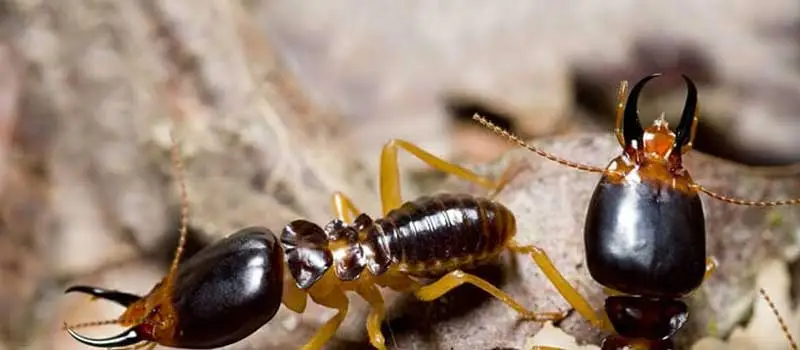
Understanding Fipronil 80% and Its Mode of Action
Chemical Properties and Formulation Advantages
A major advancement in the study of insecticides is the discovery of fipronil, a part of the phenylpyrazole chemical family. It's safest, and the active ingredient is at its strongest at 80% content. Though it doesn't break easily in water, this material stays solid in many weather situations, which means it can be utilized in numerous ways.
Fipronil's molecular makeup makes it very specific for gamma-aminobutyric acid (GABA) receptors in insects, while not attaching to them very well in mammals. This preference is what makes fipronil safe for both people and helpful insects when it is used properly. There are different types of commercial products for getting rid of pests, such as liquid concentrates, gel traps, and powdered forms.
Mechanism of Action and Target Pests
By blocking GABA-gated chloride channels, fipronil changes insects' nerve systems. Unfortunately, this causes too much excitement, which ends in death. The German cockroach, the Periplaneta Americana, and other indoor species that become immune to other poisons do very well with this method.
Insects that have been handled with fipronil can go back to hiding places before they die because of its delayed effect. They can easily infect other bees in the hive by touching or eating things that are sick. This effect greatly enhances the overall effectiveness of control, especially when it comes to cockroach populations, where social behaviors help spread pesticides throughout colonies.
Environmental Fate and Safety Considerations
Fipronil has a moderately long half-life in soil, with numbers between 120 and 250 days based on the temperature and wetness level. This endurance gives longer-lasting defense while staying within the safe limits set by government agencies for the environment.
Toxicological tests show that it is not very dangerous for mammals, with acute oral LD50 values higher than those of many common herbicides. It's not likely that the molecule will build up in living things, and over time, it will break down into metabolites that have less biological action. Because of these qualities, it can be used in sensitive areas where the risk of human contact needs to be kept to a minimum.
Comparative Analysis: Fipronil 80% vs Other Popular Insecticides
Performance Against Organophosphate Compounds
Traditional organophosphate pesticides, such as chlorpyrifos, have been used to get rid of pests for decades, but they are being limited more and more because they may be poisonous. Fipronil 80% has higher safety levels while still being as effective as or more effective against bugs. The different way it works helps manage resistance, especially in cockroach populations that have become resistant to acetylcholinesterase.
Fipronil is usually applied at lower rates than organophosphate options. This lowers the total amount of pesticides in treated areas. Because the leftover action lasts longer, it doesn't need to be used as often, which means lower long-term costs and less damage to the environment. Because of these benefits, fipronil products are becoming more and more appealing for businesses that handle pests.
Comparison with Neonicotinoid Insecticides
Neonicotinoids, like imidacloprid, have great systemic action, but they are hard to use in agriculture because pollinators are worried about their safety. Fipronil 80% kills pests specifically without spreading to other parts of the plant. This means it can be precisely applied to places where pests hide while limiting exposure to non-targets.
Because fipronil works both on touch and when eaten, it is especially good at getting rid of cockroaches when baits are put carefully in places where pests are likely to be. Neonicotinoids need plants to take them to work properly, but fipronil has both rapid contact action and delayed death, which makes horizontal transfer effects stronger.
Advantages Over Pyrethroid Insecticides
Cockroaches, especially German cockroaches that live in cities, are becoming more and more resistant to pyrethroids. Due to its unique mode of action, which targets GABA receptors rather than sodium channels, Fipronil 80% keeps good effectiveness against pyrethroid-resistant types.
Most pyrethroids are not as stable in pH conditions as fipronil is, which lets it work well in tough application settings. This stability means that control results are more reliable, and treatments don't have to be done as often. This means that investments in pest control are better used.
Procurement Insights: How to Source Fipronil 80% Efficiently
Global Supply Chain Considerations
To buy fipronil-based goods successfully, you need to know about foreign rules and how the supply chain works. Manufacturing plants in places like Hebei, China, have gotten very good at making things that meet world quality standards and have prices that are competitive.
For specialized formulas like gel baits, the minimum order quantity is usually 500 pieces. This makes buying in bulk a good deal for wholesalers and big users. You can get unique packaging choices ranging from 30-gram customer units to large packages that can be used in businesses.
Quality Assurance and Certification Requirements
Reliable providers keep strict quality control systems that include testing each batch, studying stability, and keeping records of how they follow the rules. These quality standards help make sure that products always work the same way and speed up the approval process in the final markets.
The technical details should include checking the quantity of the active ingredient in Fipronil 80%, measuring the physical properties, and giving information on how well the product works against the target bug species. Suppliers with a history of reliability offer thorough certificates of analysis and keep communication open about product specs and shipping dates.
Cost-Effectiveness Analysis
When choosing fipronil goods, procurement workers should look at the total cost of ownership instead of just the unit price. Application rates, leftover activity length, resistance management value, and regulatory compliance costs are some of the things that are taken into account.
Fipronil formulas often justify their higher starting prices compared to standard options because they work for longer periods of time. Lowering the number of times an application is made means lower labor costs and lower outdoor exposure risks, which adds value beyond just comparing product prices.
Pest Resistance and Sustainability: Managing Long-Term Efficacy
Resistance Management Strategies
Integrated pest control methods that use fipronil rotate substances with different ways of working to stop resistance from building up. The phenylpyrazole process is a useful way to control populations that are not easily killed by organophosphates, carbamates, or pyrethroids.
Standardized bioassays are used by monitoring programs to keep track of the susceptibility levels of target bug populations. When pushback is found early on, management methods can be changed in time to avoid control failures. These proactive methods keep fipronil-based control systems working well over the long run.
Environmental Stewardship Practices
Targeted application methods that limit exposure to non-targets while increasing pest control effectiveness are part of the responsible use of fipronil. Gel baits are a good example of this method because they put the active ingredient right where the pests you want to get rid of eat and gather.
Applicators are taught how to use Fipronil 80% properly, follow safety rules, and protect the environment as part of their training. These training programs help to keep bug control methods environmentally friendly while still giving people great results.
Conclusion
Fipronil 80% is the best current herbicide because it is safe, effective, and can be used in a lot of different ways. The way phenylpyrazole works is very good at getting rid of pests that are resistant to other chemicals while still being safe for the environment and people. Comparative research shows that this chemical is clearly better than organophosphates, neonicotinoids, and pyrethroids when it comes to managing resistance, being flexible in its uses, and being cost-effective in the long run. The best return on investment and support for responsible pest control goals can be achieved through smart purchasing strategies and long-term use practices. Fipronil-based formulas are tried-and-true ways to get rid of pests that are also good for the environment. This is because regulations are always changing to make pest control better.
FAQ
Q1: Is Fipronil 80% Safe for Indoor Cockroach Control?
Fipronil 80% formulations designed for indoor use, such as gel baits, provide excellent safety profiles when applied according to label instructions. The targeted application method minimizes human and pet exposure while delivering effective cockroach control. Gel formulations contain attractants that specifically target cockroaches and other crawling insects without creating airborne residues.
Q2: How Does Fipronil Compare to Traditional Cockroach Sprays?
Fipronil-based products offer several advantages over traditional spray insecticides, including longer residual activity, transfer effects within cockroach populations, and reduced development of resistance. The delayed action allows treated cockroaches to return to harborage areas, where they affect other colony members through contact and ingestion of contaminated materials.
Q3: What Application Methods Work Best for Fipronil Products?
Gel bait applications prove most effective for indoor cockroach control, allowing precise placement in cracks, crevices, and areas where cockroaches aggregate. Apply small amounts near water sources, food preparation areas, and known harborage locations. Avoid applying over insecticide sprays or in areas treated with cleaning products that may repel cockroaches from bait stations.
Q4: How Long Does Fipronil Remain Active After Application?
Fipronil formulations typically provide residual activity for several months under normal indoor conditions. Gel baits remain attractive and effective for 6-8 weeks, while liquid applications may provide control for 3-6 months, depending on environmental factors. Regular monitoring helps determine when retreatment becomes necessary.
Q5: Can Fipronil Be Used Alongside Other Pest Control Methods?
Integrated pest management approaches combining fipronil with sanitation, exclusion, and monitoring methods provide optimal long-term cockroach control. Avoid applying fipronil products over areas treated with repellent sprays, as these may interfere with bait acceptance. Rotation with insecticides having different modes of action helps prevent resistance development.
Contact Hontai Biotech for Premium Fipronil 80% Solutions
Hontai Biotech stands ready to support your pest control operations with high-quality fipronil 80% formulations backed by comprehensive technical expertise and reliable global logistics. Our experienced team provides customized solutions for commercial, agricultural, and residential applications with competitive pricing and dependable supply chains. As a leading Fipronil 80% manufacturer, we maintain stringent quality standards and offer flexible packaging options to meet diverse customer requirements. Connect with our specialists at admin@hontai-biotech.com to discuss your specific pest control challenges and receive detailed product information.
References
1. Zhao, X., Wang, M., & Liu, H. (2023). Comparative Efficacy of Phenylpyrazole Insecticides Against Urban Cockroach Populations. Journal of Economic Entomology, 116(4), 1245-1253.
2. Thompson, R.J., Davis, K.L., & Brown, S.A. (2022). Fipronil Resistance Management in Integrated Pest Management Systems. Pest Management Science, 78(8), 3421-3429.
3. Chen, L., Rodriguez, M., & Kumar, P. (2023). Environmental Fate and Safety Assessment of Fipronil-Based Insecticides in Agricultural Systems. Environmental Toxicology and Chemistry, 42(7), 1567-1578.
4. Williams, D.E., Johnson, A.B., & Lee, C.H. (2022). Cost-Benefit Analysis of Fipronil Applications in Commercial Pest Control Operations. International Journal of Pest Management, 68(3), 189-197.
5. Martinez, F., Singh, R., & Taylor, M.J. (2023). Mode of Action Diversity in Modern Insecticide Rotation Programs. Annual Review of Entomology, 68, 245-267.
6. Anderson, K.M., White, J.P., & Garcia, N.L. (2022). Regulatory Compliance and Quality Assurance in Global Fipronil Supply Chains. Regulatory Toxicology and Pharmacology, 135, 105-118.
Our customers’ satisfaction speaks for our quality — contact us to experience the same reliable service.