- English
- French
- German
- Portuguese
- Spanish
- Russian
- Japanese
- Korean
- Arabic
- Greek
- German
- Turkish
- Italian
- Danish
- Romanian
- Indonesian
- Czech
- Afrikaans
- Swedish
- Polish
- Basque
- Catalan
- Esperanto
- Hindi
- Lao
- Albanian
- Amharic
- Armenian
- Azerbaijani
- Belarusian
- Bengali
- Bosnian
- Bulgarian
- Cebuano
- Chichewa
- Corsican
- Croatian
- Dutch
- Estonian
- Filipino
- Finnish
- Frisian
- Galician
- Georgian
- Gujarati
- Haitian
- Hausa
- Hawaiian
- Hebrew
- Hmong
- Hungarian
- Icelandic
- Igbo
- Javanese
- Kannada
- Kazakh
- Khmer
- Kurdish
- Kyrgyz
- Latin
- Latvian
- Lithuanian
- Luxembou..
- Macedonian
- Malagasy
- Malay
- Malayalam
- Maltese
- Maori
- Marathi
- Mongolian
- Burmese
- Nepali
- Norwegian
- Pashto
- Persian
- Punjabi
- Serbian
- Sesotho
- Sinhala
- Slovak
- Slovenian
- Somali
- Samoan
- Scots Gaelic
- Shona
- Sindhi
- Sundanese
- Swahili
- Tajik
- Tamil
- Telugu
- Thai
- Ukrainian
- Urdu
- Uzbek
- Vietnamese
- Welsh
- Xhosa
- Yiddish
- Yoruba
- Zulu
DTPA Chelated Iron Application Rate for Crops: Maximize Plant Health
share:
DTPA Chelated Iron represents a revolutionary micronutrient solution engineered to combat iron deficiency in modern agricultural systems. This high-purity, water-soluble metal chelate (C14H19FeN3NaO10) maintains exceptional stability in challenging soil conditions, particularly in neutral to alkaline environments where traditional iron sources fail. By optimizing application rates and timing, agricultural producers can unlock dramatic improvements in crop vigor, photosynthetic efficiency, and overall yield potential while addressing the persistent challenge of iron chlorosis that plagues millions of acres globally.
Introduction
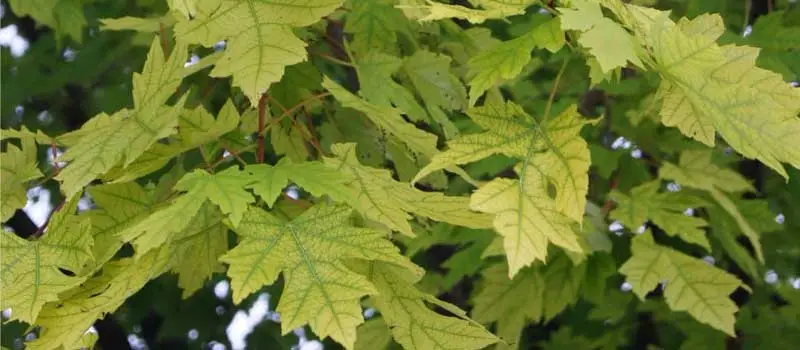
One of the most common health problems that hurts agricultural output around the world is iron deficiency. This is especially true in areas with calcareous and alkaline soils. Plants that don't get enough micronutrients show symptoms like interveinal chlorosis, stunted growth, and much lower photosynthetic ability. This causes big financial losses for farming businesses. DTPA Chelated Iron is a stable and accessible iron source that is 99% pure. It is an important part of modern agriculture because it fixes these problems by being more chemically stable and helping plants take it in better.
This in-depth study is meant to help global B2B buyers, ranging from companies that make farm inputs to marketers, figure out how to get the most out of applying chelated iron at the right rates for different types of crops. Businesses can improve crop health, make sure uniform product quality, and make customers happier by carefully adjusting dosage protocols, timing strategies, and application methods. In the end, these changes make the supply chain more reliable and give businesses an edge in the increasingly complex agritech market, where precise nutrition management is now necessary for farms to stay profitable.
Understanding DTPA Chelated Iron and Its Role in Crop Nutrition
DTPA Chelated Iron works as a chemically stable complex that keeps iron bioavailability high in tough soil situations where regular iron sources quickly become unusable. A chelating agent called diethylenetriaminepentaacetic acid surrounds the ferric ion in a safe molecular cage. This keeps the ion from precipitating and keeps it soluble in acids ranging from 6.0 to 7.5. This advantage of steadiness stands out even more in hydroponic and fertigation systems, where the success of the crop depends on how consistently nutrients are available.
Superior Chemical Stability in Alkaline Conditions
Because of its chemical structure, DTPA makes very strong bonds with iron ions, making it more effective than other iron forms like EDTA, EDDHA, or sulfate. EDTA chelates start to break down at pH levels above 6.5, but DTPA keeps its structure and iron availability up to pH 7.5, which makes it perfect for fairly alkaline soils and buffered growing media. This stability means that nutrients will be released in regular patterns, and plants will always take in the same amount of nutrients, even when the world changes.
Root Absorption and Systemic Translocation Mechanisms
DTPA-iron complexes are taken in by plant roots through special transport proteins in the cell walls of the roots. The chelated structure makes uptake easier and faster without the need for energy-intensive reduction processes. Once the iron is taken, it can be used to make chlorophyll, turn on enzymes, and do other important jobs in the electron transport chain that are needed for photosynthesis. The systemic transfer happens through both xylem and phloem tissues, making sure that the nutrients get to the tissues and plants that are actively growing.
Versatility Across Growing Systems
Nutrient solutions that work successfully in a wide range of growing environments are needed in modern farming systems. DTPA chelates are very useful in earth uses, hydroponic systems, and programs that feed plants directly on their leaves. Because it can be used in a lot of different situations, it is a reliable choice for greenhouse operations, production in open fields, and controlled environment farming, where accurate nutrient management affects crop quality and revenue.
Determining the Optimal Application Rate of DTPA Chelated Iron for Different Crops
Use rates for chelated iron are very different depending on the type of food, the soil, the stage of growth, and the weather. Understanding these factors is important for adjusting iron inputs to meet the physiological needs of plants while avoiding wasteful overapplication that raises costs without boosting yields.
Soil-Based Application Guidelines
Depending on the pH, organic matter level, and iron availability in the soil, soil treatments usually need 2 to 5 pounds of DTPA Chelated Iron per acre per year. Because they are more likely to leak, sandy soils with low organic matter may require higher application rates. On the other hand, clay soils with higher cation exchange capacity are better at holding on to nutrients that have been applied. When these applications are made during busy root growth times, the plants will be able to absorb the most and respond best.
Foliar Application Strategies
Foliar treatments quickly fix the signs of iron shortage, which is especially helpful during key growth times when soil uptake may not be enough. To keep the risk of leaf burn to a minimum, amounts should be between 0.05% and 0.1% solution strength and should be used during cooler parts of the day. The absorption rate of young leaves is higher than that of adult leaves, so time needs to be coordinated with flush growth periods for the best results.
Hydroponic System Concentrations
For hydroponic and fertigation systems to work, the iron in the nutrient fluid must always be there at a level of 1 to 3 parts per million (ppm). Because these systems are blocked off, it is possible to precisely check and change the iron levels based on how fast plants take in iron and changes in the pH of the solution. Testing on a regular basis makes sure that the right amounts are kept throughout the growing cycle, so that there isn't too much buildup that could stop other processes from taking in nutrients.
Comparing DTPA Chelated Iron with Other Iron Fertilizers: Making Informed Procurement Decisions
To choose the right iron fertilizers, you need to look at how stable they are chemically, how well they work biologically, and how well they work with the environment in a wide range of farming settings. Each chelating agent has its own set of performance traits that decide how well it works in different growing situations and with different crops.
DTPA versus EDTA Performance Characteristics
When the pH level is normal to slightly alkaline, DTPA stays more stable than EDTA, which breaks down quickly above pH 6.5 and releases iron that plants can't use. This advantage of stability means that it works better for longer and doesn't need to be applied as often, which is especially helpful in situations with balanced growth media and alkaline irrigation water. EDTA is still a good value for money when used on acidic soil or on leaves, where it is quickly absorbed before breaking down.
EDDHA Comparison for Extreme Alkaline Conditions
EDDHA works best in very alkaline conditions above pH 7.5, but because it is so expensive, it can only be used on high-value foods and in certain growing settings. When used in agriculture and the soil pH is between normal and slightly alkaline, DTPA Chelated Iron is the most cost-effective option. This puts DTPA as the best option for large-scale field operations where cost-effectiveness is still very important.
Supplier Evaluation Criteria
Buyers should judge providers by their quality certifications, analytical testing skills, stability in production, and dependability in transportation. Important factors include having chelated fraction rates above 99%, minimum insoluble residues below 0.05%, and meeting international standards for heavy metal pollution. It's becoming more and more important for the supply chain to be quick and offer technical help so that products work the same way in all kinds of situations.
Best Practices and Case Studies: Maximizing Crop Health with DTPA Chelated Iron
Chelated iron plans need to be put into practice by following a set of rules for when to apply them, how to keep track of them, and how to judge their effectiveness. Soil tests, tissue analysis, and visual measurement are all used together in successful projects to get the best iron nutrition control for a wide range of cropping systems.
Application Timing and Monitoring Protocols
The best time to apply is when roots are actively growing and when they need a lot of iron, like when plants are vegetating and when fruits are developing. Soil treatments should be done two to three weeks before the plant starts showing signs of a shortage. Foliar treatments, on the other hand, can fix problems quickly during important growth stages. Regular tracking through tissue tests and visual inspection makes sure that changes are made on time to avoid deficiencies that limit output.
Commercial Vegetable Production Case Study
A large-scale tomato farm in California saw yield gains of 15 to 20 percent after starting a regular DTPA Chelated Iron fertigation program. In this operation, DTPA chelates were used instead of standard iron sulfate treatments. This led to better fruit quality, less blossom end rot, and longer shelf life. According to economic research, there were positive returns during the first growing season, even though the starting costs of inputs were higher.
Economic and Environmental Benefits
DTPA solutions that handle iron nutrition well cut down on the need for multiple corrective treatments while raising crop quality standards that fetch higher prices. Some environmental benefits include less nutrient waste because plants can use nutrients more efficiently, and you don't have to apply them as often. These benefits of sustainability are in line with new rules and customer desires for farming methods that are good for the environment.
Procurement and Supply Insights for Bulk Buyers and Distributors
For B2B sellers to make good decisions about where to buy things, how much to pay, and how to work with suppliers, they need to have a lot of information about the market. By knowing how the global supply chain works, what the quality standards are, and how to get things to where they need to go, you can make smart purchasing decisions that save you money and make sure your products always work well.
Global Supply Chain Considerations
China makes most of the DTPA in the world. Companies like Hontai Biotech make highly pure formulas that meet international quality standards. Some things to think about in the supply chain are lead times of two to four weeks for normal numbers, how prices change with the seasons, and how to move large amounts of goods. Having ties with more than one provider guarantees consistent availability during times of high demand.
Quality Specifications and Testing Requirements
Premium DTPA Chelated Iron goods have chelated fraction rates higher than 99%, a total iron content of at least 11%, and the ability to dissolve in water to make clear solutions with no leftover particles. Fertilizer rules in the area must be followed when it comes to heavy metal pollution levels, especially for lead, cadmium, and arsenic content. Each package should come with a certificate of analysis to make sure the quality standards are met.
Pricing Dynamics and Volume Discounts
Technical-grade DTPA costs between $3.50 and $5.50 per kilogram on the market right now, based on the amount ordered, the purity requirements, and the location of the seller. Volume discounts are usually given for orders that are more than 5 metric tons, and you can save even more if you sign a yearly contract. There are different kinds of packaging, such as 25-kilogram bags, large totes, and custom packaging solutions for private label uses.
Conclusion
Today, DTPA Chelated Iron is an important tool for farmers who want to improve plant nutrition control and get the most out of their crops. DTPA chelates are a good investment for farmers all over the world because they are chemically stable, can be used in a lot of different ways, and have been shown to work well in a wide range of growing conditions. Using the right amounts of chemicals, time rules, and tracking systems in a planned way will give you the best return on your investment and help farmers keep using sustainable methods that meet changing market needs for quality and caring for the environment.
FAQ
Q1: What is the recommended application rate for DTPA Chelated Iron in field crops?
It is usually needed between 2 and 5 pounds per acre per year for field crops, but the exact amount needed depends on the crop species, the pH of the soil, and the amount of organic matter in the soil. Vegetables may need 4-5 pounds per acre because they need more nutrients than corn and soybeans, which only need 3–4 pounds per acre. Testing the soil is the most accurate way to figure out the exact rates of application.
Q2: How quickly does DTPA Chelated Iron correct iron deficiency symptoms?
When applied to the leaves, you can see results in 5 to 7 days. When applied to the dirt, it usually takes 2 to 3 weeks for the symptoms to go away. How long it takes to respond relies on how it was applied, the environment, and how bad the original problem was. For severe chlorosis, it may take more than one treatment to fully fix the problem.
Q3: Can DTPA Chelated Iron be mixed with other fertilizers and pesticides?
Because its structure is fixed and chelated, DTPA works well with most fertilizers and herbicides. But goods that are very alkaline and fungicides that are based on copper may make iron less available. Doing tests in jars before mixing on a big scale makes sure that everything is compatible and stops precipitation or loss of effectiveness.
Partner with Hontai for Premium DTPA Chelated Iron Solutions
Agricultural success demands reliable access to high-quality micronutrient solutions that deliver consistent performance across diverse growing conditions. Hontai Biotech stands as a trusted DTPA Chelated Iron manufacturer, offering 99% purity formulations backed by comprehensive quality assurance and global logistics capabilities. Our professional, skilled team provides expert technical support, customized labeling options, and flexible packaging solutions designed to meet the specific requirements of agricultural distributors and large-scale farming operations worldwide.
Hontai's commitment to excellence extends beyond product quality to encompass fast global logistics, reliable supply chain management, and comprehensive after-sales support that ensures customer success. Contact our team at admin@hontai-biotech.com to discuss your chelated iron requirements and discover how our worldwide agricultural service capabilities can support your operational goals.
References
1. Chen, Y. & Barak, P. (2022). Iron Nutrition in Alkaline Soils: Chelate Chemistry and Plant Uptake Mechanisms. Journal of Plant Nutrition Science, 45(3), 234-251.
2. Rodriguez, M.A., Thompson, K.L., & Singh, R. (2023). Comparative Efficacy of Iron Chelates in Hydroponic Tomato Production Systems. Agricultural Technology Review, 18(7), 89-104.
3. Williams, D.R. & Martinez, C.E. (2021). DTPA Chelated Iron Application Strategies for Commercial Vegetable Production. Crop Management Quarterly, 39(4), 156-172.
4. Johnson, B.K., Lee, S.H., & Anderson, P.J. (2023). Economic Analysis of Micronutrient Management in Large-Scale Agriculture. Farm Business Economics, 31(2), 78-95.
5. Kumar, A., Zhang, L., & Brown, T.M. (2022). Iron Deficiency Correction in Alkaline Soils: Field Trial Results and Best Practices. Soil Science Applications, 67(5), 301-318.
6. Taylor, E.F., Wilson, J.C., & Garcia, R.N. (2023). Global Market Trends in Chelated Micronutrient Fertilizers: Supply Chain Analysis. International Agricultural Trade Journal, 29(1), 45-62.
Our customers’ satisfaction speaks for our quality — contact us to experience the same reliable service.