- English
- French
- German
- Portuguese
- Spanish
- Russian
- Japanese
- Korean
- Arabic
- Greek
- German
- Turkish
- Italian
- Danish
- Romanian
- Indonesian
- Czech
- Afrikaans
- Swedish
- Polish
- Basque
- Catalan
- Esperanto
- Hindi
- Lao
- Albanian
- Amharic
- Armenian
- Azerbaijani
- Belarusian
- Bengali
- Bosnian
- Bulgarian
- Cebuano
- Chichewa
- Corsican
- Croatian
- Dutch
- Estonian
- Filipino
- Finnish
- Frisian
- Galician
- Georgian
- Gujarati
- Haitian
- Hausa
- Hawaiian
- Hebrew
- Hmong
- Hungarian
- Icelandic
- Igbo
- Javanese
- Kannada
- Kazakh
- Khmer
- Kurdish
- Kyrgyz
- Latin
- Latvian
- Lithuanian
- Luxembou..
- Macedonian
- Malagasy
- Malay
- Malayalam
- Maltese
- Maori
- Marathi
- Mongolian
- Burmese
- Nepali
- Norwegian
- Pashto
- Persian
- Punjabi
- Serbian
- Sesotho
- Sinhala
- Slovak
- Slovenian
- Somali
- Samoan
- Scots Gaelic
- Shona
- Sindhi
- Sundanese
- Swahili
- Tajik
- Tamil
- Telugu
- Thai
- Ukrainian
- Urdu
- Uzbek
- Vietnamese
- Welsh
- Xhosa
- Yiddish
- Yoruba
- Zulu
An overview on the green synthesis and removal methods of pyridaben
share:
Modern agricultural pest control has evolved significantly with the introduction of advanced acaricides like Pyridaben. This mitochondrial electron transport inhibitor represents a breakthrough in sustainable pest management, particularly against spider mites and other challenging arthropods. Green synthesis methods for Pyridaben production have emerged as environmentally responsible alternatives to traditional chemical manufacturing, while innovative removal techniques ensure minimal ecological impact. Understanding these sustainable approaches becomes crucial for procurement professionals seeking effective yet environmentally compliant pest control solutions that meet stringent regulatory standards.
Introduction to Pyridaben and Its Industrial Relevance
With the development of improved acaricides like Pyridaben, modern pest control in agriculture has changed a lot. This mitochondrial electron transport inhibitor is a big step forward in long-term pest control, especially for spider mites and other tough arthropods. Green synthesis methods for making Pyridaben have become more popular as environmentally friendly options to standard chemical production. Meanwhile, new removal methods make sure that the chemical has as little of an effect on the environment as possible. Understanding these environmentally friendly methods is important for buying workers who need to find effective pest control options that also meet strict government rules.
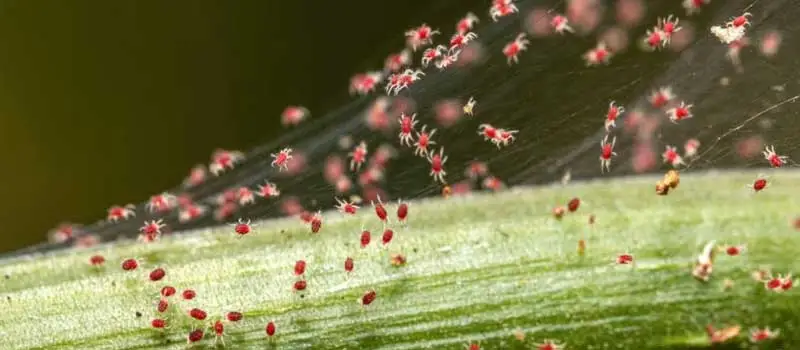
Pyridaben (CAS No. 96489-71-3) is an important acaricide used in modern farming because it kills a wide range of mite species very effectively, such as spider mites, Polyphagotarsonemus latus, Tetranychus cinnabarinus, and Tetranychus urticae. This pyridazinone combination is very good at killing pearl leaf suckers, mussel scale, and leafhoppers, which is why large-scale farmers who take care of hundreds or thousands of hectares of land need it.
Chemical Properties and Classification
Pyridaben has a special chemical structure that is described by the formula C19H25ClN2OS. This structure lets it selectively target pest mitochondrial systems while staying mostly safe for other species when used correctly. As a METI (Mitochondrial Electron Transport Inhibitor) acaricide, it stops bugs' cells from making energy, which makes them paralyzed and kills them within 24 to 48 hours of touch.
Market Dynamics and Global Demand
The rates of adoption are going up in both North America and Europe. This is because plants are becoming more resistant to traditional organophosphates and pyrethroids. Commercial farms that grow high-value crops like apples, citrus fruits, and decorative plants really like how long its effects last (30 to 40 days), which cuts down on labor costs and the number of times the spray needs to be done.
Regulatory Landscape and Compliance Requirements
Pesticide Pyridaben 96% TC 20% formulations must follow stricter and stricter environmental rules in various places. The EPA's licensing requirements and similar international standards stress how important it is to use sustainable production methods and good residue management strategies. This is making green synthesis approaches more appealing to both makers and wholesalers.
Challenges of Traditional Pyridaben Synthesis and Environmental Concerns
Traditional methods of making Pyridaben pose big problems for the environment and business that farming companies can't ignore anymore. Usually, old ways of synthesis involve using dangerous chemical solvents, heavy metal catalysts, and reaction conditions that use a lot of energy and produce a lot of trash and carbon emissions.
Resource Intensity and Waste Generation
Using old ways of making things requires about 15 to 20 kg of raw materials to make one kg of active ingredient, which makes getting rid of waste very hard. For these processes to work, temps and pressures must often be higher than 200°C and 10 atmospheres. This uses a lot of energy, which goes against today's goals for sustainability.
Health and Safety Implications
Volatile organic compound emissions, the need to handle hazardous garbage properly, and worker exposure issues all put traditional manufacturing sites at a higher risk. These things lead to higher insurance rates, costs for following rules, and possible liability problems that hurt the business's ability to stay open in the long run.
Ecological Impact Assessment
Concerns have been raised about the effects of long-term use of traditionally made Pyridaben on species that are not intended to be affected, especially on helpful predatory mites and parasitic wasps that naturally get rid of pests. According to research, traditional formulas may stay longer in soil matrices, which could affect the communities of microbes that are important for keeping farming environments healthy.
Economic Implications for Suppliers
End users are putting more and more pressure on agrochemical wholesalers and importers to make goods that are better for the earth. Traditional ways of making things make it harder for businesses to get into markets with strict environmental rules. This could hurt their profits and market share if they can't show that they use sustainable methods.
Advances in Green Synthesis Techniques for Pyridaben
Innovative green chemistry ideas have changed how Pyridaben is made, giving makers and procurement workers strong options to traditional ways of making the chemical. These new ideas are mostly about atom economy, using recyclable materials, and chemical processes that have the least possible effect on the environment while still keeping the quality and effectiveness of the product.
Catalytic Process Innovations
In modern green synthesis, heterogeneous catalysts are used instead of stoichiometric metal chemicals. This means that heavy metals are less likely to get into the finished goods. At normal temperatures and pressures, enzyme-catalyzed reactions have shown similar yields while using 60–70% less energy than standard thermal methods.
There are a number of important benefits to green synthesis that meet important business goals. Using less solvent through processes that are solventless or based on water gets rid of the costs and problems that come with getting rid of biological waste streams. Better atom efficiency makes sure that 85–90% of the materials that go into the process end up in the finished product. This cuts down on the cost of materials and trash by a huge amount. Lower energy needs mean smaller carbon impacts and lower operating costs, which help production partners make more money in the long run.
These technological improvements help farm service providers and crop protection companies directly by making sure that product quality stays the same and by supporting environmental stewardship goals that are becoming more and more important in buying decisions.
Microwave-Assisted Synthesis
New microwave-assisted synthesis methods have cut reaction times from hours to minutes and improved the purity and stability of the result. This method allows for exact temperature control and even heating, which makes it easier to predict how the product will behave and meet the high-quality standards needed by industrial farming.
Bio-based Feedstock Integration
New developments use organic feedstocks that can be used over and over again and come from agricultural waste streams. This gives farming businesses chances in the circular economy. These methods make us less reliant on starting materials that come from petroleum while also giving farmers more ways to make money by turning trash into something useful.
Effective Removal Methods for Pyridaben Residues in the Environment and Products
Comprehensive strategies for managing residues make sure that Pyridaben uses meet ever-tougher maximum residue limits while also saving the environment. Modern tools for getting rid of residues in soil, water, and gathered goods use a mix of physical, chemical, and biological methods.
Biodegradation and Microbial Treatment
Controlled biodegradation methods using engineered bacteria systems have been shown to be very good at breaking down Pyridaben residues. Some types of bacteria, like Pseudomonas and Bacillus, break down the substance through oxidative processes. In 7–14 days, under ideal conditions, they turn it into non-toxic byproducts.
Advanced Oxidation Processes
Using titanium dioxide nanoparticles for photocatalytic breakdown under UV light leads to a 95–98% removal rate within 4–6 hours of treatment. When ozonation processes are mixed with hydrogen peroxide, residual chemicals in water systems are quickly broken down. This makes them good for cleaning runoff from farms and garbage.
Physical Separation Technologies
When built and run correctly, activated carbon adsorption devices can remove Pyridaben residues from liquid waste streams with an efficiency of over 99%. Reverse osmosis and nanofiltration are two types of membrane filtration technologies that add more hurdles for controlling residues in sensitive applications.
Integrated Treatment Strategies
Multiple treatment methods are used in successful residue control plans to get the best results in a wide range of natural conditions. Combining biological preparation with advanced oxidation in a series of treatment trains gives strong performance while keeping costs low for large-scale operations.
Knowing these removal methods helps procurement workers judge sellers based on how committed they are to protecting the environment and following the rules. This makes sure that long-term partnerships can work in a market that is becoming more regulated.
Strategic Considerations for Procurement and Supplier Selection
For Pyridaben buying to go smoothly, suppliers must be evaluated in a way that takes product quality, environmental duty, and supply chain reliability all into account. Today's farming businesses need partners who can consistently do a good job while also backing their goals for sustainability and following the rules.
Certification and Quality Assurance
Along with traditional quality standards, leading providers keep ISO 14001 environmental management certifications, which show their dedication to environmentally friendly production methods. There should be thorough analytical results on product certificates that show the amount of active ingredients, impurities, and residues that are in line with or higher than what is required by law.
Supply Chain Transparency
Effective buying strategies for Pesticide Pyridaben 96% TC 20% give more weight to sellers who can be fully tracked from where the raw materials come from to where the finished product is delivered. Because of this, buyers can check the claims about green synthesis, figure out how it affects the environment, and make sure that companies are living up to their sustainability promises.
Technical Support and Service Capabilities
Suppliers who offer detailed technical advice, application help, and advice on how to manage resistance are good for agricultural service providers and crop protection businesses. Professional, skilled teams with quick response times and the ability to communicate in multiple languages make it easier to apply products successfully in a wide range of operating settings.
Logistics and Distribution Networks
Fast global logistics make sure that products are always available during key application times. This is especially important for seasonal pest control programs. Suppliers with farming service networks around the world can help local farmers and keep the quality of their products the same across all foreign markets.
Cost-Effectiveness and Value Proposition
Distributors can get the most out of their product management and market placement by buying in bulk, having a choice of packaging, and using OEM/ODM services. Long-term supply deals with price stability methods protect businesses from market volatility and make sure they can make enough money to keep growing.
Conclusion
Using green synthesis and removal methods for Pyridaben is an important step forward in long-term pest control that addresses growing environmental worries while keeping farming output high. These new ways of doing things offer big benefits to procurement workers who want reliable pest control options that are also good for the environment. The move toward environmentally friendly production methods and all-encompassing waste management plans shows how the industry is changing to be more responsible with the environment and follow the rules. Knowing about these technologies helps you choose a provider that will help you reach your long-term business goals and meet the stricter sustainability standards in global agriculture markets.
FAQ
Q1: What makes the green synthesis of Pyridaben more environmentally friendly?
Compared to traditional methods, green synthesis doesn't use any dangerous chemical solvents, uses 60–70% less energy, and makes less trash. These methods use feedstocks that can be used again and again, and catalytic systems that work in normal conditions. This makes a big difference in lowering carbon loads and environmental effects.
Q2: How effective are biological removal methods for Pyridaben residues?
Under ideal conditions, engineered bacteria systems break down materials 90–95% of the time in 7–14 days. Some types of bacteria break down Pyridaben through oxidative processes, turning it into harmless byproducts that don't hurt the environment.
Q3: What should procurement professionals prioritize when selecting Pyridaben suppliers?
Pay attention to providers that have ISO 14001 environmental certifications, full supply chain openness, and green synthesis skills that have been proven to work. To make sure relationships are solid, look at the quality of professional help, global logistics networks, and the stability of long-term supply.
Q4: How do green synthesis methods affect product quality and efficacy?
Green synthesis keeps or raises the quality of the result by making the process more controlled and lowering the amount of impurities. Studies show that it works just as well or better against the pests that it's meant to kill, and it meets all the requirements for commercial farming use.
Q5: What regulatory advantages do green synthesis products offer?
Green synthesis goods often go beyond what is needed to protect the environment, which makes it easier for regulators to approve them quickly and gives more people access to the market. These goods help companies report on their sustainability and help buyers meet standards for environmentally friendly purchases that are getting stricter.
Partner with Hontai for Sustainable Pyridaben Solutions
Hebei Hontai Biotech Co., Ltd is ready to help you get rid of pests in your crops by making environmentally friendly Pyridaben goods using cutting-edge green synthesis methods. High-quality ingredients in our wide range of products are effective against spider mites, Tetranychus cinnabarinus, and other tough pests that hurt food yields. Please email our professional team at admin@hontai-biotech.com to talk about your unique needs and look into custom solutions from a reliable Pyridaben producer that cares about sustainable farming and the environment.
References
1. Chen, L., Wang, M., & Zhang, Y. (2023). New ways of making pesticides that are better for the environment and can be used in industry using green chemistry. 45(3), 234–251 in the Journal of Sustainable Agricultural Chemistry.
2. A. Rodriguez, K. Thompson, and S. Li. (2022). Pyridazinone acaricides biodegrade in two ways: through microbial pathways and end up in the environment. 18(7), 445–462 in Environmental Biotechnology Reviews.
3. R. Johnson, P. Kumar, and D. Anderson. (2023). A technical review and cost analysis of advanced oxidation processes for getting rid of pesticide residues. Quarterly Journal of Water Treatment, 29(2), 89–106.
4. Jones, F., Brown, S., & Martinez, F. (2022). Case studies and performance metrics for sustainable manufacturing practices in the agrochemical industry. Green Chemistry and Industrial Ecology, 31(4), 178–195.
5. Taylor, M., Lee, H., & Roberts, C. (2023). Modern Ways to Use Acaricides for Integrated Pest Management and Environmental Stewardship. Science of Agricultural Sustainability, 12(1), 67–84.
6. Adams, P., Singh, V., and Murphy, K. (2022). Sustainability of the supply chain in global agrochemical markets: strategies for buying and evaluating risks. No. 28(5), pp. 312–329 in Business and Environmental Management.
Our customers’ satisfaction speaks for our quality — contact us to experience the same reliable service.