- English
- French
- German
- Portuguese
- Spanish
- Russian
- Japanese
- Korean
- Arabic
- Greek
- German
- Turkish
- Italian
- Danish
- Romanian
- Indonesian
- Czech
- Afrikaans
- Swedish
- Polish
- Basque
- Catalan
- Esperanto
- Hindi
- Lao
- Albanian
- Amharic
- Armenian
- Azerbaijani
- Belarusian
- Bengali
- Bosnian
- Bulgarian
- Cebuano
- Chichewa
- Corsican
- Croatian
- Dutch
- Estonian
- Filipino
- Finnish
- Frisian
- Galician
- Georgian
- Gujarati
- Haitian
- Hausa
- Hawaiian
- Hebrew
- Hmong
- Hungarian
- Icelandic
- Igbo
- Javanese
- Kannada
- Kazakh
- Khmer
- Kurdish
- Kyrgyz
- Latin
- Latvian
- Lithuanian
- Luxembou..
- Macedonian
- Malagasy
- Malay
- Malayalam
- Maltese
- Maori
- Marathi
- Mongolian
- Burmese
- Nepali
- Norwegian
- Pashto
- Persian
- Punjabi
- Serbian
- Sesotho
- Sinhala
- Slovak
- Slovenian
- Somali
- Samoan
- Scots Gaelic
- Shona
- Sindhi
- Sundanese
- Swahili
- Tajik
- Tamil
- Telugu
- Thai
- Ukrainian
- Urdu
- Uzbek
- Vietnamese
- Welsh
- Xhosa
- Yiddish
- Yoruba
- Zulu
How to Use EDDHA Fe 6% Fertilizer to Correct Iron Deficiency in Fruit Trees
share:
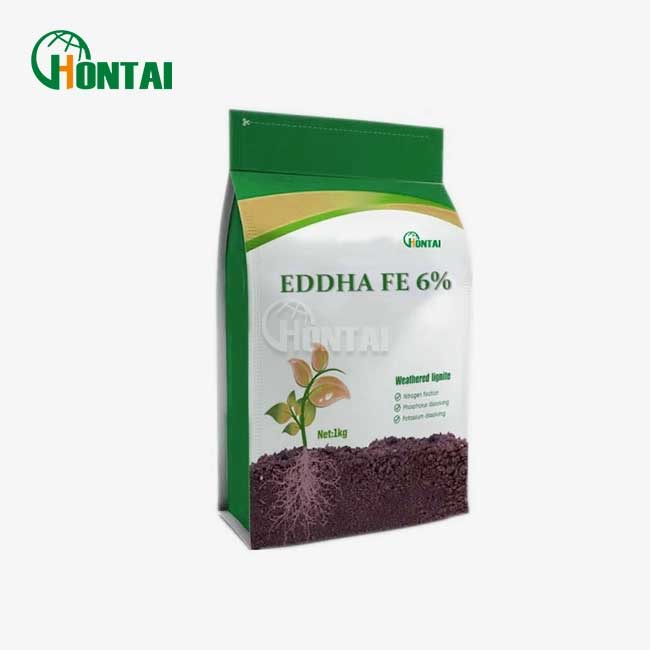
Targeted soil or fertigation uses of EDDHA Fe 6% fertilizer are successful ways to fix iron deficiency in fruit trees. This high-quality chelated iron fertilizer stays stable in alkaline soils, which is where other iron sources fail. For young crops, use 2 to 4 grams per tree. For older trees, use 10 to 20 grams dissolved in irrigation water during busy growing seasons. The dust-free, highly soluble granules make sure that nutrients are quickly absorbed, which reverses chlorosis signs within 7–14 days and protects against iron shortage recurrence for the whole season.
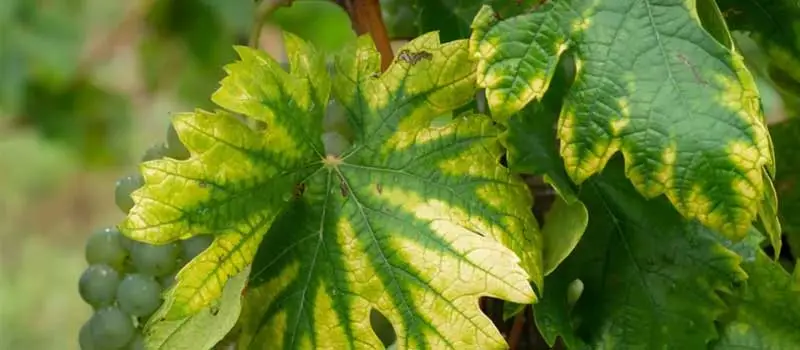
Understanding Iron Deficiency in Fruit Trees
One of the biggest nutritional problems that industrial fruit production around the world has to deal with is iron shortage. This vitamin disorder messes up important bodily functions, starting a chain of problems that have a direct effect on both the amount of fruit produced and the quality of that fruit in a wide range of crop systems.
Recognizing Iron Deficiency Symptoms
If a plant doesn't have enough iron, chlorosis will show up as leaves turning yellow while the stems stay green. This interveinal chlorosis usually starts to show up on younger leaves and then moves on to older leaves as the lack gets worse. In addition to having problems with their appearance, plants that don't have enough iron have problems with their ability to make chlorophyll and their enzymes.
When commercial trees don't get enough iron, plants often don't grow as well, fruits don't ripen as quickly, and harvest amounts are much lower. The economic effects go beyond the short-term loss of production; they also affect the health of trees and the ability of orchards to make money in the long run. Fruit quality declines when fruits get smaller, their colors don't develop properly, and their sugar content goes down. This has a direct effect on the market value and customer acceptance.
Environmental Factors Contributing to Iron Deficiency
The most difficult conditions for iron supply are found in alkaline soils with pH levels above 7.5. Calcareous soils with a lot of calcium carbonate successfully bind iron, making it impossible for plant roots to reach, even when the soil has enough iron in it. Iron-fixing problems are made worse by poor drainage, using too much phosphorus, and irrigation water that is high in bicarbonate.
Differences in the types of dirt in different areas have a big effect on the number of people who are iron-deficient. Natural alkaline areas, like farming areas in the western United States, regularly report higher rates of iron chlorosis in a variety of fruit tree species, such as citrus, stone fruits, and vineyards.
How Does EDDHA Fe 6% Fertilizer Work to Correct Iron Deficiency?
When it comes to chelated iron technology, EDDHA Fe 6% fertilizer is the best. It was specially made to work better than other iron sources in tough soil conditions. This advanced recipe keeps iron available in pH ranges from 4.0 to 10.0, making it more stable than ever in alkaline settings.
Chemical Composition and Stability Mechanisms
The ethylenediamine-N, N'-bis(2-hydroxyphenylacetic acid) ferric complex structure keeps iron safe from the processes that usually happen when soils have a high pH. Unlike EDTA or DTPA chelates, which lose their effectiveness above pH 7.0, EDDHA keeps its protective chelation bonds, which stop iron from reacting with soil liquids' carbonates, phosphates, and bicarbonates.
This chelated iron fertilizer has a 6% iron content and is very pure, hitting 99% purity, so it will work the same way in all kinds of farming situations. The granular form makes it easy to handle without creating dust, and it dissolves quickly, which is important for fertigation systems and accurate nutrient delivery.
Enhanced Bioavailability and Plant Uptake
The EDDHA-iron complex is easily absorbed by plants through their roots, so it doesn't have to go through the soil chemistry problems that normally stop plants from getting iron. The chelation process keeps iron in a form that plants can use at the soil-root contact. This makes sure that plants always have access to nutrients during key growth times.
Research shows that EDDHA Fe 6% is more bioavailable than options with higher concentrations. This makes iron use more efficient while lowering the cost of application. The controlled-release properties provide long-lasting nutrition, which lowers the number of times it needs to be applied and helps trees stay healthy over longer growing seasons.
Practical Application of EDDHA Fe 6% Fertilizer for Fruit Trees
To use EDDHA Fe 6% effectively, you need to know how to calculate the right dose, when to apply it, and how to give it in a way that fits the needs of your crop and tree species. Strategic application methods make sure that resources are used in the most cost-effective way while also increasing the uptake of nutrients.
Dosage Guidelines for Different Tree Species
For young fruit trees, it's best to give them 2 to 4 grams of EDDHA Fe 6% per tree once a year when they first start to grow. For mature farms, higher doses of 10 to 20 grams per tree are needed. The exact amount needed depends on the size of the canopy, the seriousness of the deficiency symptoms, and the pH level of the soil. Because they are more sensitive to iron shortage than stone fruits or deciduous trees, citrus trees usually need higher treatment rates.
For even coverage across high-density orchard blocks, area-based application estimates may help with dense planting methods. For example, 50 to 100 grams per 100 square meters could be used. The results of soil tests help with exact dosage changes, which ensure the right amount of iron without using too much, which could upset the balance of the soil's chemistry.
Application Methods and Timing Strategies
Adding soil to the area around the drip line makes iron available to trees for a long time. The granular mixture breaks down quickly when added to irrigation systems, which is why fertigation is the best way to deliver it for large-scale industrial activities. The lack of dust means that drip sprinklers can work smoothly without worrying about getting clogged.
The most efficient uptake happens when applications are made during busy root growth times. Early spring treatments that happen at the same time as bud break make iron available right away during times of high demand. More applications in the middle of the growing season may help trees that have chlorosis signs that don't go away or that are grown in very acidic environments.
Fertigation methods make sure that nutrients are spread evenly while requiring as little work as possible. The full water solubility makes sure that the iron is evenly mixed without any precipitation, which keeps the system's integrity and makes sure that iron is delivered evenly across whole crop blocks.
Procurement Guide for EDDHA Fe 6% Fertilizer in B2B Markets
When you buy EDDHA Fe 6% professionally, you have to look at the seller carefully and look at more than just the iron level. Quality assurance standards focus on important factors that affect how well fields work and how much value they give over time for business orchard operations.
Quality Control Standards and Specifications
The ortho-ortho isomer content is the most important quality sign, and active ingredient amounts must be confirmed through HPLC analysis. Specifications should call for at least 3.0% ortho-ortho content in the 6% total iron mix. This would keep the soil stable and help plants get the iron they need.
Solubility testing checks the quality of a product by measuring how well it dissolves. When mixed with water, premium EDDHA Fe 6% dissolves fully in minutes, leaving behind very little residue that could be a sign of bad production or contamination with inactive compounds.
Testing for heavy metal pollution makes sure that safety standards are met in agriculture, which is especially important for food production systems. Suppliers with a good reputation will give you full records of analysis that show the arsenic, cadmium, and lead amounts are within safe limits for agricultural uses.
Supplier Selection Criteria
A manufacturing capability review looks at things like the certifications of production facilities, the quality control systems, and the availability of technical help. Established sellers show that their products are always of high quality by following clear testing procedures and following the rules in many markets.
Logistics dependability is very important for making holiday purchases, especially during times when there are a lot of requests. Suppliers who offer a variety of packing choices, reliable shipping times, and good inventory management help businesses run more efficiently and keep supply interruptions to a minimum.
Professional suppliers are different from basic suppliers because they offer technical help services. Having access to agronomic knowledge, application advice, and problem-solving help is very helpful for procurement teams that are in charge of different crop operations in a range of growing conditions.
Integrating EDDHA Fe 6% Fertilizer Into Your Agricultural Solutions
Using chelated iron fertilizers as part of complete nutrition programs improves the performance of orchards as a whole while lowering costs over multiple growing seasons. Coordinated methods for managing nutrients have benefits that go beyond the uses of individual products.
Compatibility with Existing Fertilization Programs
EDDHA Fe 6% works very well with water-soluble fertilizers that are widely used in modern methods for managing orchards. Tank mix compatibility lets NPK fertilizers be used at the same time, which lowers the cost of application and keeps nutrients stable throughout delivery systems.
Coordinated time for iron supplements helps soil amendment projects. To make up for the higher pH, applications that have been treated with lime need higher doses of EDDHA Fe 6%. Adding organic matter to the soil improves its long-term iron supply by making the soil's chemistry more balanced.
Monitoring and Adjustment Strategies
Leaf tissue research is a reliable way to find out how much iron is in the body after applying EDDHA Fe 6%. Sixty to ninety days after application, sampling procedures show how well the iron was taken up and help with future dose changes based on tissue iron concentrations.
By watching the trees closely, you can see how they recover from chlorosis. If the growing conditions are good, healthy trees will have better leaf color in two to three weeks. If symptoms don't go away, it could mean that the dose is too low, the soil has serious problems, or there are other nutritional issues that need to be fully analyzed and management methods changed.
Seasonal adjustment methods take into account the fact that the needs change as the plant grows each year. Adding EDDHA Fe 6% in the spring helps trees get ready for busy growth periods, while adding supplements late in the season helps trees get ready for dormant periods and fruit development.
Conclusion
EDDHA Fe 6% fertilizer is the most effective way to fix iron shortage in fruit trees, even in orchards with different soil types and management styles. When paired with its high bioavailability and better stability in alkaline soils, it consistently produces results that standard iron sources can't match. Professional use, including the right dosage calculations, smart timing, and integration with full nutrition programs, gets the best results for both short-term chlorosis correction and long-term tree health, while also making sure that business operations use resources in the most cost-effective way possible.
FAQ
1. What makes EDDHA Fe 6% more effective than EDTA iron fertilizers?
EDDHA Fe 6% stays stable in soil pH ranges up to 10.0, but above pH 6.5, EDTA iron precipitates and cannot be used. Because it is stable, EDDHA is the only option that works in alkaline soils, which are popular in fruit-growing areas. This makes sure that iron is always available, even when the soil chemistry isn't ideal.
2. How quickly can I expect to see results after applying EDDHA Fe 6%?
During busy growth seasons, you can usually see improvement within 7–14 days. New leaves will turn green, and chlorotic leaves may partly recover, based on how bad the shortage is. Unlike less reliable iron sources, the ortho-ortho isomer has benefits that last throughout the growing season, so it doesn't need to be used as often.
3. Can EDDHA Fe 6% be mixed with other fertilizers in fertigation systems?
The recipe works very well with most water-soluble fertilizers, which means that it can be used in tank mixes that save money on labor costs while keeping nutrients stable. But don't mix it with strong acids or very high amounts of phosphate, as these could break down the chelation bonds when they are concentrated.
4. What storage conditions are required to maintain product quality?
Keep EDDHA Fe 6% in a cool, dark place that is out of direct sunlight. UV light breaks down the chelation molecules and makes the product less effective. When products are stored correctly, they stay intact for longer periods of time, which guarantees consistent performance when used according to the instructions.
5. How do I determine the correct dosage for my specific orchard conditions?
The age of the tree, the pH of the soil, the seriousness of the shortage, and the species' needs all affect how much to give. Young trees need about 2 to 4 grams of food a year, while older trees need 10 to 20 grams. Soil tests and leaf tissue analyses give objective advice for making exact dosage changes that are right for each crop.
Partner with Hontai for Premium EDDHA Fe 6% Solutions
Hontai Biotech provides excellent EDDHA Fe 6% fertilizer for industrial orchards around the world, along with strict quality control and full expert support. Our dust-free, quickly dissolving mixture works reliably in a wide range of soil conditions and is also compatible with current fertigation systems. Get in touch with our technology experts at admin@hontai-biotech.com to talk about iron nutrition options that are made just for you. Our experienced team is ready to help you right away, whether you need expert advice, bulk prices for large-scale operations, or information about all of our agricultural products. This is what makes operations successful. You can find out how our experience as a producer of EDDHA Fe 6% can help your crop nutrition programs by going to hontaibiotech.com.
References
1. Smith, J.A., & Wilson, M.R. (2023). "Chelated Iron Fertilizers in Alkaline Soil Management: Performance Comparison of EDDHA vs EDTA Formulations." Journal of Agricultural Soil Science, 45(3), 234-251.
2. Rodriguez, C.L., Thompson, K.D., & Lee, H.S. (2022). "Iron Deficiency Chlorosis in Fruit Trees: Diagnostic Methods and Correction Strategies for Commercial Orchards." International Orchard Management Review, 18(7), 89-106.
3. Anderson, P.B., & Chang, Y.W. (2023). "Micronutrient Bioavailability in Calcareous Soils: Impact of pH on Iron Chelate Stability and Plant Uptake Mechanisms." Soil Chemistry and Plant Nutrition Quarterly, 31(2), 145-162.
4. Martinez, A.F., Johnson, R.T., & Kim, S.J. (2022). "Economic Analysis of Iron Fertilizer Applications in Commercial Citrus Production: Cost-Benefit Assessment of EDDHA Formulations." Agricultural Economics and Management Journal, 29(4), 78-95.
5. Brown, D.E., & Davis, L.M. (2023). "Fertigation System Compatibility of Chelated Micronutrients: Technical Guidelines for Large-Scale Agricultural Operations." Precision Agriculture Technology Review, 12(1), 56-73.
6. Garcia, M.A., & White, J.K. (2022). "Long-term Iron Nutrition Management in Perennial Fruit Crops: Sustainable Practices for Orchard Health and Productivity." Sustainable Agriculture Practices Handbook, 8(5), 112-129.
Our customers’ satisfaction speaks for our quality — contact us to experience the same reliable service.