- English
- French
- German
- Portuguese
- Spanish
- Russian
- Japanese
- Korean
- Arabic
- Greek
- German
- Turkish
- Italian
- Danish
- Romanian
- Indonesian
- Czech
- Afrikaans
- Swedish
- Polish
- Basque
- Catalan
- Esperanto
- Hindi
- Lao
- Albanian
- Amharic
- Armenian
- Azerbaijani
- Belarusian
- Bengali
- Bosnian
- Bulgarian
- Cebuano
- Chichewa
- Corsican
- Croatian
- Dutch
- Estonian
- Filipino
- Finnish
- Frisian
- Galician
- Georgian
- Gujarati
- Haitian
- Hausa
- Hawaiian
- Hebrew
- Hmong
- Hungarian
- Icelandic
- Igbo
- Javanese
- Kannada
- Kazakh
- Khmer
- Kurdish
- Kyrgyz
- Latin
- Latvian
- Lithuanian
- Luxembou..
- Macedonian
- Malagasy
- Malay
- Malayalam
- Maltese
- Maori
- Marathi
- Mongolian
- Burmese
- Nepali
- Norwegian
- Pashto
- Persian
- Punjabi
- Serbian
- Sesotho
- Sinhala
- Slovak
- Slovenian
- Somali
- Samoan
- Scots Gaelic
- Shona
- Sindhi
- Sundanese
- Swahili
- Tajik
- Tamil
- Telugu
- Thai
- Ukrainian
- Urdu
- Uzbek
- Vietnamese
- Welsh
- Xhosa
- Yiddish
- Yoruba
- Zulu
Emamectin benzoate lufenuron Application Guide for Crops
share:
Combinations of emamectin benzoate lufenuron have attracted considerable attention amongst agronomists and buying agents for the control of lepidopteran pests in vegetables, cotton and paddy systems. This book leads you through how this dual-mode co-formulation works, when to use it, how to assess providers, and how to include this into a long-term crop protection plan. If you’re running a large agricultural co-op or a plant-protection service company, here are some practical, field-proven ideas on how to make use of it.
Understanding Emamectin Benzoate and Lufenuron: Modes of Action and Uses
How Emamectin Benzoate Acts on Pests?
Emamectin benzoate is inside IRAC group 6. It operates by activating GABA-gated chloride receptors in the insect nervous system, paralysing them within hours of touch or intake. It moves through the lamina to reach the leaf tissue and form a reservoir that persists for up to 14 days after application. This is why it is especially powerful against larvae on the underside of leaves, which many other sprays miss totally.
How Lufenuron Disrupts the Insect Lifecycle?
Lufenuron is not like other medicines. It’s an IRAC Group 15 chitin synthesis inhibitor; it’s really not that bad for people. Instead, it stops egg hatching and caterpillar moulting; therefore, it cuts off the sexual cycle at the root. Field trials on Plutella xylostella and Helicoverpa armigera showed that egg hatch suppression exceeded 85% at the recommended rates of application of lufenuron.
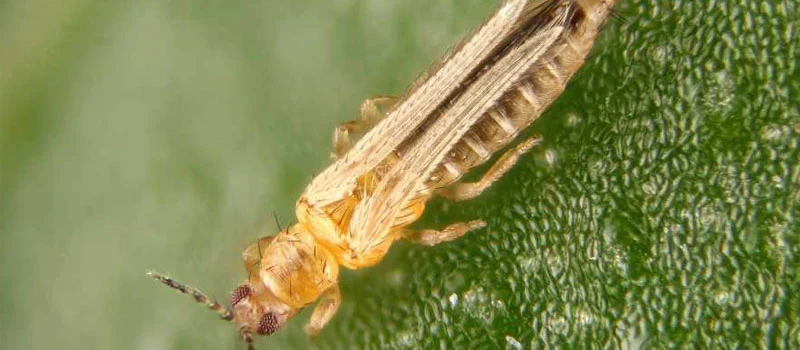
Mixtures of emamectin benzoate and lufenuron are synergistic for fast larval death and egg bank cleansing. The pests are broken down in two processes, and no single chemical can achieve it. It is used against beetroot armyworm, rice leaf folder, tobacco caterpillar, leafminer and thrips. Pests attack cotton, rice, soybeans, sweet corn and vegetables.
Best Practices for Application: Methods, Timing, and Safety Precautions
Recommended Formulations and Spray Timing
Emamectin benzoate lufenuron co-formulation is available in SC, WDG and OD forms. Most vegetables and cotton will come out well with normal amounts such as 1+5% or 2+10%. Best touch effectiveness: Use on early stages of larvae. The effectiveness of lufenuron in killing ovipositors is enhanced by its application at peak oviposition periods, since it targets eggs and early instars. Do not apply when pollinators are most active and do not apply within the pre-harvest intervals stated on the product label.
The field personnel use the following fundamental rules:
- Spray 200-400 L/ha of water to provide comprehensive coverage of all leaves, particularly on plants with thick crowns such as cotton or cabbage.
- Nozzle selection: At 2–3 bar pressure, flat-fan nozzles disperse droplets uniformly without generating too much drift.
- Temperature window: When it's warmer than 20°C, you should use emamectin benzoate since its insecticide action has a positive temperature coefficient, which means it works better as the temperature increases, unlike pyrethroids, which don't perform as well above 28°C.
- Resistance rotation: To prevent resistance from building up, rotate between IRAC Group 28 and Group 22A compounds as the seasons change.
These regulations may assist in reducing spray failures and chemical waste, which is especially significant when using emamectin benzoate lufenuron to take care of hundreds of locations on time.
Safety and Storage Protocols
Keep in a cool, dry place away from direct sunlight. Make sure they are closed when not in use so that wet cannot get in and rot them. If you are working with concentrates, you should wear gloves that can withstand chemicals, safety glasses, and a mask while you mix concentrates. With the SC and OD formulations, there is no longer any inhalable dust associated with the prior powder forms. This makes them safer to use for field staff in the field. Always meet local MRL regulations for export crops, especially brassicas and fruit vegetables going to the EU or US market.
Comparative Efficacy and Decision Criteria for Crop Protection Solutions
When to Use the Combination vs. Sole Active?
When populations are mostly larvae and egg pressure is low, single-active emamectin benzoate works well. Sole lufenuron makes sense for programmes that aim to protect egg masses before they hatch. The emamectin benzoate lufenuron mixed recipe is the best choice when there are both larvae and eggs in the field at the same time, which usually happens when pest pressure is high in cotton and brassica systems. A co-formulated product also cuts down on the number of spray passes, which saves money on work and lowers the total amount of pesticides used in each cycle.
Cost-benefit data from cotton trials in South Asia show that a 2+10 co-formulation tank mix cut total seasonal spray costs by about 18% compared to using single-active applications one after the other to target the same pest complex. There is a direct link between that margin and procurement value for big co-ops with 500-hectare or larger projects.
Procurement Guide: Where and How to Buy Emamectin Benzoate and Lufenuron?
Large buyers want more than just a good price. They need stability between batches, GLP paperwork, and processes that are ready for export.
What to Priorise When Selecting a Supplier?
A few trustworthy companies control most of the emamectin benzoate lufenuron concentrate supply chain around the world. When judging a seller, these things should come first:
- GLP residue reports: In most markets, like India, Brazil, and Indonesia, registration requests can be supported by at least five batches of GLP paperwork.
- Shelf-life data: Verified 24-month stability data at ICH storage conditions protects your downstream distributors and keeps your field trials from being turned down.
- Formulation flexibility: Having access to SC, WDG, and OD lines from the same manufacturer makes registration easier by letting you use the same active ratios in all of these different physical formats.
- Cold-milling capability: Emamectin benzoate breaks down when heated, so it can't be used for cold milling. Manufacturers who use cold-milling keep the active ingredients pure and make sure that the final formulation has consistent bioavailability.
- NDA and OEM workflow: Custom label, custom ratio, and private-brand packing should all come with a signed NDA and a locked formula document. This is what the OEM does.
Integrating Emamectin Benzoate and Lufenuron into Your Crop Protection Strategy
For bug control to last, you need more than just a reactive spray plan. Over time, adding this mix to a yearly IPM plan will pay off more and more.
Group 6 and Group 15 sites are less likely to be selected for when ryanodine receptor modulators like chlorantraniliprole or hormone mimics like methoxyfenozide are rotated. Resistance monitoring data from South-east Asian vegetable systems shows that programmes that switched between these chemistry groups kept Plutella xylostella populations susceptible for three seasons in a row, while programmes that used just one chemistry saw resistance shifts in just 18 months.
It is measurable value added when suppliers offer agronomic advice along with their products. Co-op agronomists and contract operators don't have to know as much when they can get expert advice on spray thresholds, resistance tracking methods, and regulatory compliance paperwork.
Conclusion
In conclusion, a real hole in crop protection programmes is filled by the emamectin benzoate lufenuron co-formulation, which kills existing larvae and stops the next generation from growing by killing eggs. It consistently works better and costs less than single-active alternatives when used at the right stage of the crop, with the right tools, and in a structured rotation. For large B2B buyers, this mix is even more appealing because it comes from a reliable GLP-certified maker that can do cold milling and offer OEM options.
FAQ
1. What crops benefit most from an emamectin benzoate lufenuron programme?
The best effects are seen on vegetables like cabbage, broccoli, and chilli, especially when it comes to diamondback moths and armyworms. Programmes in cotton, rice, and soybeans that target bollworm and leaf folder say that this emamectin benzoate lufenuron combination works consistently.
2. How does the co-formulation compare to mixing the actives separately in the tank?
A specially designed co-formulation gives you already-perfected amounts of solubiliser and emulsifier, which make the suspension more stable and help droplets stick together better. There is a greater chance of physicochemical mismatch and uneven active distribution during spraying when different goods are mixed in the same tank.
3. Is this chemistry safe for beneficial insects?
Emamectin benzoate is moderately harmful to bees when they come into touch with it. With lufenuron's targeted mode of action and applications made outside of pollinator foraging hours, non-target risk is greatly reduced when label directions are followed properly.
4. Can the formulation be customised for private-label registration?
Yes. Reliable manufacturers can make active mixtures that are exactly what you need, add third-party ingredients like indoxacarb or chlorantraniliprole, and create private-label artwork under an NDA. Pilot batches can start at 100 kg.
Partner with Hontai for Your Emamectin Benzoate Lufenuron Supply
You can get emamectin benzoate lufenuron manufacturer solutions from Hebei Hontai Biotech Co., Ltd. They offer GLP-grade documentation, cold-milling production, and OEM formulation services for SC, WDG, and OD lines. Pilot groups, data that can be used for 24 months, and NDA processes are all normal. To get examples and talk about your programme's needs, email our expert team at admin@hontai-biotech.com.
References
1. Insecticide Resistance Action Committee (IRAC). IRAC Mode of Action Classification Scheme. 2023.
2. Zhao, J. Z., et al. "Resistance to diamondback moth in transgenic plants and management strategies." Annual Review of Entomology. 2006.
3. Sparks, T. C., & Nauen, R. "IRAC: Mode of action classification and insecticide resistance management. "Pesticide Biochemistry and Physiology. 2015.
4. Kranthi, K. R., et al. "Insecticide resistance in five major insect pests of cotton in India." Crop Protection. 2002.
5. Horowitz, A. R., et al. "Insecticide resistance management in whiteflies and lepidopterous pests. "Pest Management Science. 2011.
6. Ishaaya, I., & Degheele, D. (Eds.). Insecticides with Novel Modes of Action: Mechanism and Application. Springer. 1998.
Our customers’ satisfaction speaks for our quality — contact us to experience the same reliable service.