- English
- French
- German
- Portuguese
- Spanish
- Russian
- Japanese
- Korean
- Arabic
- Greek
- German
- Turkish
- Italian
- Danish
- Romanian
- Indonesian
- Czech
- Afrikaans
- Swedish
- Polish
- Basque
- Catalan
- Esperanto
- Hindi
- Lao
- Albanian
- Amharic
- Armenian
- Azerbaijani
- Belarusian
- Bengali
- Bosnian
- Bulgarian
- Cebuano
- Chichewa
- Corsican
- Croatian
- Dutch
- Estonian
- Filipino
- Finnish
- Frisian
- Galician
- Georgian
- Gujarati
- Haitian
- Hausa
- Hawaiian
- Hebrew
- Hmong
- Hungarian
- Icelandic
- Igbo
- Javanese
- Kannada
- Kazakh
- Khmer
- Kurdish
- Kyrgyz
- Latin
- Latvian
- Lithuanian
- Luxembou..
- Macedonian
- Malagasy
- Malay
- Malayalam
- Maltese
- Maori
- Marathi
- Mongolian
- Burmese
- Nepali
- Norwegian
- Pashto
- Persian
- Punjabi
- Serbian
- Sesotho
- Sinhala
- Slovak
- Slovenian
- Somali
- Samoan
- Scots Gaelic
- Shona
- Sindhi
- Sundanese
- Swahili
- Tajik
- Tamil
- Telugu
- Thai
- Ukrainian
- Urdu
- Uzbek
- Vietnamese
- Welsh
- Xhosa
- Yiddish
- Yoruba
- Zulu
Best Crops for Azoxystrobin Difenoconazole Application
share:
Agrochemical wholesalers and farmers must choose the best crops for Azoxystrobin Difenoconazole application by thinking about disease pressure, economic value, and application time. This two-in-one fungicide uses strobilurin and triazole chemistry to kill complex fungal pathogens that affect grains, fruits, veggies, and specialty crops very well. The formulation works well for high-value crops that need constant disease control during key growth stages because it has systemic qualities and long-lasting residual activity.
Understanding Azoxystrobin, Difenoconazole, and Its Role in Crop Protection
In today's farming, we need dependable fungicides that can kill many different types of pathogens while still protecting crops and being good to the earth. Using azoxystrobin and difenoconazole together is a clever way to control diseases that has changed the way crops are protected all over the world.
Dual Mode of Action Technology
When azoxystrobin (FRAC Group 11) and difenoconazole (FRAC Group 3) work together, they make a strong shield against fungal viruses. Azoxystrobin stops electrons from moving through mitochondria in fungi, which affects mitochondrial respiration. Difenoconazole, on the other hand, stops ergosterol production, which weakens cell membrane stability. This two-targeting system makes sure that all pathogens are killed and lowers the chance of resistance building up.
Agricultural colleges have done research that shows this mixture gives better control than single active ingredients. The triazole part heals and gets rid of things, while the strobilurin part stops problems before they happen with translaminar movement. Together, they make a shield of protection that goes beyond the local places of use.
Environmental Stewardship and Safety Profile
When choosing a pesticide today, environmental factors are very important. When used as directed on the package, the formulation has good effects on the environment, such as breaking down dirt quickly and having little effect on helpful organisms. Integrated pest control principles are supported by the compound's ability to selectively kill fungi while leaving healthy insects and soil microorganisms alone.
International maximum residue limits (MRLs) are met by residue studies on a number of different types of crops. This means that treated foods can be sold in markets. The formulation's hydrolytic stability and controlled release qualities keep the disease-killing effects going strong for as long as the protection time lasts.
Best Crops for Azoxystrobin and Difenoconazole Application: Crop-Specific Insights
Choosing the right crops is a key part of getting the most out of your pesticide spending. Because the azoxystrobin-difenoconazole dual-active mixture is so flexible, it can be strategically used in a wide range of farming systems, each of which has its own disease problems and management needs.
Cereal Crop Applications
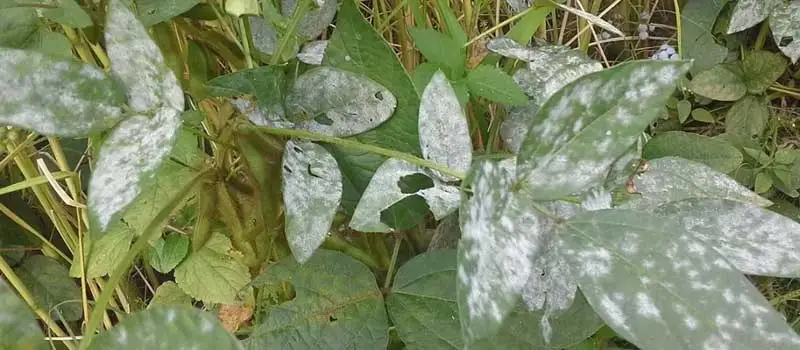
Targeted uses of fungicides during sensitive growth stages are very helpful for growing wheat, corn, and barley. Powdery mildew, leaf rust, and septoria leaf blotch are all very well controlled by this mixture in wheat crops. Applying it at the right time, during flag leaf development, protects the tissues that determine output the best.
This chemistry is used by corn farmers to control common rust, gray leaf spot, and northern corn leaf blight. The systemic qualities protect the newly developed leaves, and the long-lasting leftover activity covers important pollination times. Economic research shows that areas that are prone to disease consistently have yield benefits of 8–15%.
With blast disease and sheath blight pressure, growing rice is hard in its own way. Because it works well against these economically important pathogens and can be used with flood irrigation systems, the mixture is the first choice for industrial rice farmers. When applied during panicle start, it protects the crop from damage the most.
High-Value Horticultural Crops
To keep market quality and shelf life, controlling diseases precisely is needed in fruit and vegetable production. When compared to standard fungicides, this method controls scab better and less often, which is good for apple farms. Because the mixture doesn't wash off in rain within two hours of application, it can be trusted even when the weather is unpredictable.
For controlling powdery mildew and downy mildew in grapes, this chemical is very important. The systemic action guards the developing clusters and keeps the fruit's quality, which is important for making high-quality wine. Applying during bloom and berry growth gives the best protection without lowering the quality of the fermentation.
Early blight and late blight pressure are big problems for tomato crop farming. The two-mode action works to both stop and cure diseases, so growers can stick to their output plans even when there are a lot of diseases around. The low volatility and worker safety features of the mixture make it useful in greenhouses.
Specialty and Industrial Crops
Fungicides are being used more and more in soybean farming to protect growth potential. The mixture stops frogeye leaf spot, white mold, and sudden death syndrome when used at the right time for sexual growth stages. In places where disease pressure is modest to high, economic benefits always outweigh application costs.
This science is used by cotton farmers to get rid of target spot and other foliar diseases that hurt fiber quality and revenue. Because the formulation works with defoliation programs, it's possible to use combined crop management methods that get the most out of the yield.
Comparing Azoxystrobin and Difenoconazole with Other Fungicides in Crop Protection
Agricultural fungicides are very competitive, so you need to carefully look at how well they work, how much they cost, and what that means for managing resistance. By knowing how this dual-active mixture compares to other chemicals, you can make smart decisions about what to buy.
Performance Advantages Over Single-Active Formulations
Single-component fungicides often have trouble with resistance building up and have a narrow range of effects. Azoxystrobin difenoconazole get around these problems by working in two different ways that work together to make the drug work longer and kill more pathogens. Field tests always show that this combination controls diseases better than either azoxystrobin or triazole products used alone.
The special physiological effects of the mixture, called "greening benefits," improve stress tolerance and metabolic efficiency in ways that go beyond just stopping diseases. These extra benefits help improve the quality and regularity of the yield, especially when the environment is stressed.
Cost-Effectiveness Analysis
The cost-per-acre security is better than with tank-mix options or sequential applications of single-active products, according to an economic study. The longer-lasting leftover activity lowers the number of times an application is run while keeping control levels stable. Large-scale companies can save more money by making deals with dependable providers to buy in bulk.
Procurement workers like how easy it is to keep track of supplies and how simple it is to mix products compared to multi-product tank-mix programs. Single-package ease means that applications run more efficiently and labor costs go down during key timing windows.
Resistance Management Benefits
Fungicide resistance is a big problem for protecting crops in the long term. The dual-mode action manages resistance automatically by needing changes to happen at the same time in multiple target sites for resistance to form. Compared to single-site inhibitors, this genetic complexity makes the useful product life much longer.
Rotation plans that use this chemistry along with other types of fungicides keep the selection pressure diverse while protecting sensitive disease populations. Industry resistance tracking systems show that when used in integrated resistance management models, they work well across large farming areas for a long time.
Procurement Considerations for Azoxystrobin and Difenoconazole
For procurement plans to work, they need to look at everything about the supplier's skills, the product specs, and the reliability of the supply chain. Because agricultural markets are global, providers need to be able to meet a wide range of regulatory standards and shipping dates.
Supplier Evaluation Criteria
Reliable providers show that the quality of their products is always the same by using strict manufacturing controls and quality assurance programs. Being certified with ISO9001 shows that you are committed to organized quality management, and being able to do analyses on products makes sure that their specs match what they say on the label. Regular audits by a third party should help production sites stay up to date on current good manufacturing practices (cGMP) standards.
Superior sellers are different from commodity suppliers in that they can provide technical help. More than just providing products, being able to get application advice, help with managing pushback, and regulation support is very valuable. Maintaining research relationships with agricultural schools shows that suppliers are dedicated to constant growth and new ideas.
Packaging and Logistics Considerations
For large-scale processes, the packing forms need to be optimized for safety and speed. Bulk packages cut down on wasteful packaging while also making it easier to handle during busy application seasons. Returnable container programs help protect the earth and lower the total cost of ownership.
Global transportation skills make sure that the supply chain works reliably in a wide range of areas. Maintaining strategic inventory placement by suppliers lowers the risk of disruptions and allows for regular changes in demand. Keeping products at the right temperature during shipping and storage is an important part of the supply chain.
Regulatory Compliance and Documentation
For international trade to happen, there needs to be a lot of governmental paperwork to support product registration and import clearance. For target markets, suppliers should give full sets of technical data, analytical certificates, and summaries of the legal state. Communicating ahead of time about changes to regulations guarantees that market entry stays open.
Documentation for quality assurance includes analytical data for each batch that proves the amount of active ingredients, their physical traits, and their ability to stay stable over time. Chain of custody paperwork makes it possible to track goods from the time they are made until they are delivered, which helps with quality reviews when they are needed.
Maximizing Crop Protection Outcomes Through Proper Application and Support
For fungicides like azoxystrobin difenoconazole to work at their best, their features need to be combined with the best farming methods and the environment. To be successful, you need to know the exact time, the right rates, and how well they work with your general crop management plans.
Application Timing and Rate Optimization
Disease development models help figure out the best time to apply based on the weather and the stage of growth of the crop. When it comes to control, preventative uses during high-risk times work better than effective treatments after the disease has already set in. Monitoring tools for the weather allow for precise timing choices that make products work better.
Rate selection strikes a balance between the need for effectiveness, economic concerns, and the goal of managing pushback. Label rate bands allow for different amounts of disease pressure while still being flexible for integrated programs. Higher rates may be necessary when there is a lot of sickness or when protection gaps are long.
Integration with Crop Management Systems
Because the formulation works with standard farming inputs, it can be easily added to crop management systems that are already in place. Studies that test the stability of tank mixes with common pesticides, insecticides, and plant growth factors show that they can be used safely together. Choosing the right adjuvant improves the quality of the treatment and its biological action in tough situations.
This chemistry is used in cycle plans that keep integrated pest control methods effective while also helping beneficial organisms. By using selective timing and focused applications, natural enemy groups can be kept safe while disease control goals are met.
These all-around management plans protect crops in a way that lasts and gives farmers and shippers the best return on their investments. Professional technical support makes adoption more likely to work by giving personalized advice and ongoing tracking help.
Conclusion
When choosing which crops to use azoxystrobin and difenoconazole on, it's important to think about disease pressure, economic value, and the overall goals of integrated management. This two-mode pesticide works well on cereals, fruits, vegetables, and specialty crops as long as it is used at the right time and at the right rate. Because it works better, helps control resistance, and is generally safe, this combination is an important part of current crop security systems. For implementation to go well, it needs to be based on relationships with trusted suppliers, the right application methods, and integration with broad crop management strategies.
FAQ
1. What crops respond best to azoxystrobin-difenoconazole treatment?
This dual-mode pesticide works very well on wheat, corn, rice, apples, berries, tomatoes, soybeans, and cotton. The strobilurin-triazole mixture is especially good at keeping diseases away and protecting the quality of high-value agricultural crops.
2. How does this formulation compare to single-active fungicides?
When compared to single-active formulas, the dual-mode action gives you better resistance management, a wider range of control, and longer-lasting leftover activity. Economic research constantly shows that the method is more cost-effective because it reduces the number of times it needs to be applied and improves crop quality.
3. What application timing provides optimal results?
When conditions are right for the disease, preventative approaches work better than therapeutic ones. The best defense comes from applying cereals when flag leaves start to grow, fruits when they bloom, and vegetables when fruits start to grow.
4. Where can procurement professionals source reliable product supplies?
Manufacturers of agrochemicals that have been around for a long time, have ISO certification, and offer full expert help are the most trusted sources. Procurement programs that work well need suppliers that offer flexible packing, global logistics, and help with regulatory paperwork.
Partner with Hontai for Premium Azoxystrobin Difenoconazole Solutions
Find out how Hontai's high-quality Azoxystrobin Difenoconazole products can change the way you protect your crops with solid quality and effectiveness. Our ISO9001-certified production ensures stable product performance, and our professional technical team offers full application advice and support after the sale. As a reliable manufacturer with the ability to ship goods all over the world, we offer a range of flexible packing choices and low prices for large orders. Email our experienced sales staff at admin@hontai-biotech.com to talk about unique solutions that will meet your crop security needs and purchasing needs.
References
1. Agricultural Fungicide Resistance Management Guidelines, Fungicide Resistance Action Committee, 2023.
2. Smith, J.R., "Dual-Mode Fungicide Efficacy in Cereal Disease Management," Journal of Agricultural Plant Protection, Vol. 45, 2022.
3. Williams, M.A., "Economic Analysis of Strobilurin-Triazole Combinations in High-Value Crops," Crop Protection Economics Review, 2023.
4. Thompson, K.L., "Environmental Fate and Safety Assessment of Modern Fungicide Formulations," Environmental Agriculture Science, Vol. 28, 2022.
5. Davis, P.R., "Integrated Disease Management Strategies for Sustainable Agriculture," International Crop Protection Manual, 2023.
6. Johnson, S.T., "Resistance Management Protocols for Multi-Site Fungicide Programs," Plant Pathology Research Quarterly, Vol. 15, 2022.

Our customers’ satisfaction speaks for our quality — contact us to experience the same reliable service.